
Discovering Hidden Gems: Top Tourist Places in Hapur, Uttar Pradesh, India
When travelers think of planning a getaway through the heart of Uttar Pradesh, destinations like Agra, Varanasi, and Lucknow often dominate the conversation. However, the true cultural fabric and historical soul of India are frequently found in its lesser-known, vibrant districts. Nestled comfortably in the western part of the state, Hapur stands out as a fascinating destination rich in heritage, spiritual significance, and bustling local commerce. As the smallest district in Uttar Pradesh by area, Hapur packs an incredible punch, offering curious travelers a refreshing break from the predictable tourist trails. Whether you are a history enthusiast, a spiritual seeker, or a weekend road-tripper looking to escape the relentless hustle of the National Capital Region (NCR), exploring the best places to visit in Hapur promises a uniquely rewarding experience.
Historically known for its pivotal role during India's freedom struggle and its long-standing reputation as a major hub for steel, paper, and handloom production, Hapur bridges the gap between rural tranquility and urban industriousness. The district is steeped in ancient lore, with roots tracing back to the Mahabharata era, making its sacred groves, ancient temples, and riverbanks whispering testaments to a bygone era. For travelers based in Delhi, Noida, or Ghaziabad, Hapur represents an effortless drive into a landscape where time seems to slow down just enough for you to appreciate the intricate details of North Indian culture, hospitality, and architecture.
In this comprehensive travel guide, we take you off the beaten path to explore the top tourist places in Hapur, Uttar Pradesh, India. From sacred bathing ghats along the holy Ganges to historical pillars and bustling local markets, this journey will inspire you to pack your bags and discover a side of Uttar Pradesh that few tourists ever get to witness. Let’s dive deep into the cultural landscape of Hapur and map out your next unforgettable weekend adventure.
Table of Contents
- 1. Garhmukteshwar
- 2. Brijghat
- 3. Nakhuas Ghat
- 4. Free Pillar (Azadi Stambh)
- 5. ancient Shiv Temple, Babugarh
- Best Time to Visit Hapur
- How to Reach Hapur
- Local Food of Hapur
- Essential Travel Tips for Hapur
- Suggested 2-Day Itinerary
- Frequently Asked Questions (FAQs)
- Conclusion
1. Garhmukteshwar
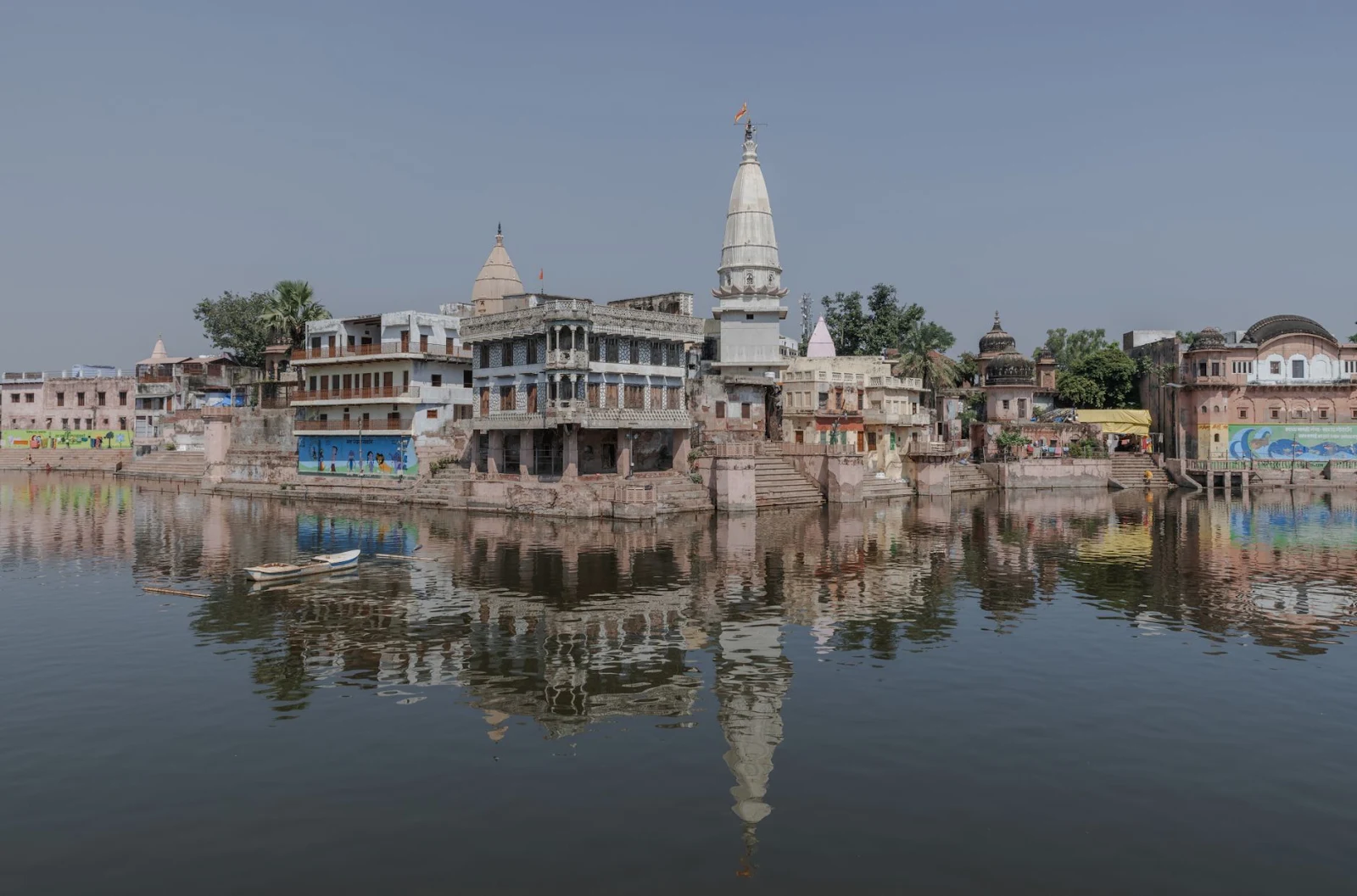
Garhmukteshwar is arguably the most famous and historically significant town within the Hapur district, holding a special place in the hearts of pilgrims and history buffs alike. Situated gracefully on the banks of the holy Ganges River, its name is deeply rooted in Hindu mythology. According to ancient texts, specifically the Mahabharata and the Bhagavata Purana, this ancient town was a part of the Hastinapur kingdom ruled by the Kauravas. The very name 'Garhmukteshwar' translates to 'The Lord of the Mukteshwar Fort,' referencing the prominent Mukteshwari Devi temple dedicated to Goddess Durga, which forms the spiritual anchor of the town.
For visitors, Garhmukteshwar offers a deeply immersive spiritual journey. The town is dotted with eighty-four ancient temples, creating a divine skyline that looks particularly enchanting during sunrise and sunset. One of the prime highlights of visiting this sacred town is the sprawling annual Kartik Purnima fair, which attracts lakhs of devotees from across North India who gather to take a holy dip in the Ganges. The riverfront atmosphere is a vibrant tapestry of chanting priests, floating oil lamps, and traditional rituals that offer a rare glimpse into timeless Indian traditions.
Historical Significance
The history of Garhmukteshwar stretches back millennia. It is believed to be one of the few places mentioned in the Mahabharata that has retained its geographical and spiritual continuity. The massive fort that once stood here was reconstructed by a Maratha general, Mir Rango, in the 18th century, though portions of it have succumbed to the shifting currents of the Ganges over the centuries.
Key Attractions
Key highlights include the historic Mukteshwari Devi Temple, the endless rows of ancient sati pillars along the riverbank, the labyrinthine old town alleys, and the peaceful boat rides on the Ganges during the quiet hours of the morning.
Visitor Information
Garhmukteshwar is located about 40 kilometers from Hapur city center. It is open to visitors year-round, with no entry fees required. The best way to explore the riverbanks and temples is on foot, accompanied by a local guide who can share fascinating tales of local folklore.
2. Brijghat

Located right on the National Highway 9, Brijghat is a bustling, highly revered bathing ghat on the banks of the Ganges that serves as a major pitstop for travelers commuting between Delhi and Moradabad. While technically an extension of the broader Garhmukteshwar region, Brijghat has developed a distinct identity of its own as a prime destination for ritualistic cleansings, ashes immersion, and peaceful weekend spiritual retreats. The constant hum of devotional music, the fragrance of burning incense, and the vibrant splash of pilgrims entering the holy waters create an atmosphere of unadulterated divine energy.
Brijghat is particularly magical during the evening hours when the local priests perform the grand Ganga Aarti. Hundreds of brass lamps are lit simultaneously, casting a golden reflection over the rippling dark waters of the river while devotional hymns echo through the air. For travelers seeking a moment of introspection away from the chaos of metropolitan life, sitting on the stone steps of Brijghat and watching the boats drift by is an immensely grounding experience.
Historical Significance
Brijghat has served as a sacred crossing point for centuries. Kings, traders, and spiritual seekers traveling east from the Indo-Gangetic plains traditionally stopped here to offer prayers to Mother Ganga for a safe and prosperous journey ahead.
Key Attractions
The primary attractions at Brijghat include the massive iron bridge offering panoramic views of the river, the mesmerizing evening Ganga Aarti, the bustling riverfront market selling religious artifacts and sweets, and peaceful boat excursions.
Visitor Information
Brijghat is easily accessible as it sits directly on the major highway connecting Delhi to Uttarakhand. There are no entry tickets, and the ghats remain open 24 hours a day, though visiting during dawn or dusk is highly recommended.
3. Nakhuas Ghat

If Brijghat and Garhmukteshwar represent the bustling, vibrant side of Hapur's river culture, Nakhuas Ghat offers a serene, untouched alternative for nature lovers and solitude seekers. Situated a short distance away from the main tourist circuits, this pristine stretch along the Ganges is characterized by its tranquil atmosphere, wide sandy riverbanks, and rich avian biodiversity. It is a hidden gem that remains relatively uncommercialized, making it an ideal spot for quiet picnics, bird watching, and meditative walks along the shoreline.
Nature enthusiasts frequent Nakhuas Ghat during the winter months when migratory birds flock to the shallow waters of the Ganges. The sight of Siberian cranes, bar-headed geese, and various species of ducks gliding across the morning mist is a photographer's dream. Unlike the crowded commercial ghats, Nakhuas allows you to connect with nature on a deeply personal level, listening only to the gentle lap of the river waves and the rustle of riverside flora.
Historical Significance
While Nakhuas Ghat may not feature grand architectural monuments, its historical significance lies in its unchanged natural landscape, offering modern visitors a window into what the majestic Gangetic plains looked like centuries ago before heavy urbanization took root.
Key Attractions
Major draws include exceptional bird-watching opportunities during winter, pristine sandy river beaches perfect for serene walks, undisturbed sunrise and sunset views, and an unhurried, peaceful rural ambiance.
Visitor Information
Nakhuas Ghat is located approximately 45 kilometers from Hapur. It is completely open to the public free of charge. Visitors are advised to carry their own drinking water and snacks, as commercial amenities right at the ghat are sparse.
4. Free Pillar (Azadi Stambh)

Stepping away from riverbanks and spirituality, Hapur also holds a proud place in India's modern political and freedom history. The Free Pillar, widely known locally as the Azadi Stambh, stands as a poignant reminder of the district's active participation in the Indian Independence movement, particularly the landmark 1857 Revolt and the subsequent freedom struggles. Located within the heart of Hapur city, this historic monument serves as a tribute to the unsung heroes, freedom fighters, and local revolutionaries who sacrificed their lives for the nation's sovereignty.
Visiting the Azadi Stambh offers travelers a chance to reflect on India's arduous journey to freedom. The pillar is meticulously maintained and becomes a focal point of patriotic fervor during national holidays such as Independence Day and Republic Day, when local residents gather to pay their respects. For history enthusiasts exploring the urban pockets of Hapur, this monument provides essential context regarding the region's socio-political awakening.
Historical Significance
During the British Raj, Hapur was a crucial meeting point for underground freedom fighters. Local leaders organized secret assemblies and protests against oppressive colonial policies, making this urban space a silent witness to historic acts of courage and resistance.
Key Attractions
The site features the main inscribed memorial pillar, commemorative plaques detailing local freedom fighters, and surrounding bustling old-city markets that give visitors a taste of authentic small-town North Indian commerce.
Visitor Information
The Free Pillar is located centrally within Hapur city and is easily reachable via local auto-rickshaws or walking from the main market areas. There is no entry fee, and it can be visited at any time during daylight hours.
5. Ancient Shiv Temple, Babugarh

Located near the prominent town of Babugarh within the Hapur district, the Ancient Shiv Temple is a sacred sanctuary steeped in local legend and architectural charm. Surrounded by lush agricultural fields, this temple dedicated to Lord Shiva is revered not only for its spiritual sanctity but also for its tranquil rural setting. The sanctum sanctorum houses an ancient Shivalinga that locals believe possesses miraculous properties, drawing devotees from neighboring villages throughout the year, especially during the auspicious festival of Maha Shivaratri.
The temple complex features a blend of traditional North Indian shrine architecture with rustic charm. Towering old peepal trees shade the courtyard, where elderly villagers gather in the afternoons to chant prayers and share stories. For travelers looking to experience the authentic rural spirituality of Uttar Pradesh away from the heavy tourist crowds of major pilgrimage centers, Babugarh's ancient temple offers a deeply peaceful and welcoming environment.
Historical Significance
While exact construction records have been lost to time, local folklore suggests that the temple dates back several centuries, with ties to regional chieftains who patronized the construction of sacred shrines across the Doab region between the Ganges and Yamuna rivers.
Key Attractions
Highlights include the historic Shivalinga, the serene courtyard surrounded by sacred trees, the vibrant morning and evening aartis, and the opportunity to interact with warm local priests and villagers.
Visitor Information
Babugarh is located roughly 12 kilometers from Hapur city along the highway towards Moradabad. The temple is open daily from early morning until late evening, with no entry fees required.
Best Time to Visit Hapur
Planning your trip during the right season is essential to fully appreciate what Hapur has to offer. Given its North Indian climate characterized by scorching summers and chilly winters, timing your visit carefully will ensure a comfortable and memorable travel experience.
Winter Season (October to March): This is undeniably the best time to visit Hapur and its surrounding tourist spots. Temperatures range from a pleasant 10°C to 25°C, making outdoor explorations, riverbank walks at Brijghat, and historical sightseeing exceptionally enjoyable. This period also coincides with major cultural festivals like Kartik Purnima and Maha Shivaratri, allowing travelers to witness the region at its most vibrant.
Summer Season (April to June): Summers in Hapur are intensely hot and dry, with daytime temperatures frequently soaring above 40°C. Sightseeing and outdoor activities can become exhausting during these months, though early morning visits to the river ghats offer some respite.
Monsoon Season (July to September): The monsoon brings much-needed relief from the summer heat, painting the agricultural fields around Hapur in lush shades of green. While the river levels in the Ganges rise significantly during this time, creating dramatic scenery, heavy downpours can occasionally disrupt travel plans. However, photography enthusiasts looking for moody landscapes will find the monsoon season quite appealing.
How to Reach Hapur
Hapur enjoys a strategic geographical location with fantastic connectivity to the National Capital Region (NCR) and major cities across Uttar Pradesh, making it effortless to reach via multiple modes of transport.
By Air: The nearest major international airport is Indira Gandhi International Airport (DEL) in New Delhi, situated approximately 85 kilometers away. From the airport, you can easily hire a private taxi, book an app-based cab, or take a direct train to reach Hapur.
By Train: Hapur Junction (HPU) is a well-connected railway station on the Northern Railway network. Numerous express, passenger, and superfast trains connect Hapur directly to New Delhi, Old Delhi, Ghaziabad, Moradabad, Lucknow, Varanasi, and other major cities.
By Road: Hapur is exceptionally well-connected by road via National Highway 9 (NH 9) and National Highway 334 (NH 334). State transport buses, private Volvo coaches, and shared taxis operate frequently from Anand Vihar ISBT in Delhi and various hubs in Noida and Ghaziabad. If you love road trips, the smooth highway drive from Delhi to Hapur takes less than two hours.
Local Food of Hapur
No travel experience in Uttar Pradesh is complete without indulging in its rich, flavorful culinary heritage, and Hapur offers a delightful array of traditional North Indian street food and sweets.
- Bedmi Puri and Aloo Sabzi: A quintessential North Indian breakfast staple featuring crispy, spiced lentil-stuffed puris served with a fiery, tangy potato curry.
- Jalebi and Rabri: Freshly fried, syrupy-sweet crisp jalebis paired with thick, sweetened condensed milk (rabri) form the ultimate dessert indulgence in local sweet shops.
- Chaat and Golgappe: Street-side stalls across Hapur serve mouth-watering aloo tikkis, papri chaat, and spicy golgappas bursting with tangy tamarind water.
- Tandoori Snacks: Given its proximity to Delhi, local dhabas along the highways serve incredible tandoori parathas loaded with butter, paneer, and potatoes, accompanied by fresh mint chutney and curd.
Essential Travel Tips for Hapur
To ensure your journey through Hapur is smooth, respectful, and thoroughly enjoyable, keep these ten practical travel tips in mind:
- Dress modestly, especially when visiting ancient temples and sacred river ghats like Garhmukteshwar and Brijghat.
- Carry cash in small denominations, as many local street vendors and small-town shops may not accept digital payments.
- Start your days early to beat the afternoon sun and experience the peaceful morning prayers on the riverbanks.
- Hire a local auto-rickshaw driver for city sightseeing by negotiating the fare beforehand.
- Exercise caution while taking boat rides on the Ganges, ensuring life jackets are provided and worn.
- Keep bottled drinking water handy and avoid consuming unboiled tap water or open street juices.
- Respect local customs and traditions, particularly during religious festivals and community gatherings.
- Protect yourself from the sun with sunglasses, hats, and sunscreen if visiting during warmer months.
- Respect the environment by avoiding plastic waste and disposing of garbage responsibly, especially near riverbanks.
- Book accommodations in advance if you plan to visit during major festivals like Kartik Purnima when hotels fill up quickly.
Suggested 2-Day Itinerary
Make the most of your weekend getaway with this well-crafted 2-day travel itinerary designed to cover the best tourist spots in Hapur.
Day 1: Spiritual Awakening & River Ghats
- 08:00 AM – 10:00 AM: Arrive in Hapur from Delhi/NCR via NH 9 and check into your hotel. Enjoy a hearty breakfast of piping hot Bedmi Puri and Jalebi.
- 10:30 AM – 01:00 PM: Head straight to Garhmukteshwar. Explore the ancient Mukteshwari Devi Temple and wander through the historic temple town.
- 01:00 PM – 02:30 PM: Savor a traditional North Indian thali lunch at a local highway dhaba.
- 03:00 PM – 05:00 PM: Visit the tranquil Nakhuas Ghat for peaceful riverside walks and bird watching.
- 05:30 PM – 07:30 PM: Transition to Brijghat just in time to witness the magnificent evening Ganga Aarti and take a serene boat ride.
- 08:30 PM: Return to Hapur city for a restful overnight stay.
Day 2: History, Heritage, and Local Flavors
- 08:30 AM – 09:30 AM: Enjoy a relaxed breakfast featuring local parathas and hot tea.
- 10:00 AM – 11:30 AM: Visit the Free Pillar (Azadi Stambh) in central Hapur to learn about the district's freedom struggle history.
- 12:00 PM – 01:30 PM: Drive out towards Babugarh to explore the serene Ancient Shiv Temple amidst rural fields.
- 01:30 PM – 03:00 PM: Head back to Hapur city center for lunch and traditional sweets tasting.
- 03:30 PM – 05:00 PM: Shop for local handicrafts, handlooms, and souvenirs in Hapur's bustling old markets.
- 05:30 PM: Depart from Hapur back to Delhi/NCR with wonderful memories of your trip.
Frequently Asked Questions (FAQs)
Q1: What is Hapur famous for?
Hapur is famous for its ancient religious sites along the Ganges, particularly Garhmukteshwar and Brijghat, as well as being a major industrial and agricultural hub in western Uttar Pradesh.
Q2: How far is Hapur from New Delhi?
Hapur is located approximately 85 kilometers east of New Delhi and can be easily reached in under two hours via road or train.
Q3: Is Hapur safe for tourists?
Yes, Hapur is generally safe for travelers. Standard travel precautions apply, such as securing belongings in crowded areas and dressing modestly in religious locations.
Q4: Can we take a boat ride in the Ganges at Brijghat?
Yes, boat rides are readily available at Brijghat and Garhmukteshwar, offering beautiful views of the river and sunrise/sunset.
Q5: What are the best local dishes to try in Hapur?
Bedmi Puri with Aloo Sabzi, fresh Jalebi with Rabri, and highway tandoori parathas are absolute must-tries.
Q6: Are there good hotels available for staying in Hapur?
While Hapur primarily offers budget hotels, guesthouses, and highway motels, luxury accommodations can be easily accessed by staying in nearby Noida or Ghaziabad.
Q7: When is the Kartik Purnima fair held in Garhmukteshwar?
The grand Kartik Purnima fair is typically held annually in November, attracting massive crowds of pilgrims for holy river dips.
Q8: Is Hapur a good destination for a weekend trip?
Absolutely! Hapur's close proximity to Delhi-NCR and its blend of spirituality and heritage make it an ideal 2-day weekend getaway.
Conclusion
Hapur may be the smallest district in Uttar Pradesh by geographical size, but it is undeniably grand in terms of cultural depth, historical significance, and spiritual resonance. From the sacred, flowing waters of the Ganges at Garhmukteshwar and Brijghat to the inspiring revolutionary legacy of the Free Pillar and the rural tranquility of Babugarh, Hapur offers a deeply authentic slice of Indian life that mass tourism has yet to spoil. Whether you are seeking divine blessings, a peaceful riverside retreat, or a fascinating historical road trip from the capital, exploring the top tourist places in Hapur, Uttar Pradesh, India guarantees an enriching and memorable travel experience. Pack your bags, take a short drive down NH 9, and let the timeless charm of Hapur captivate your travel-loving soul.



0 Comments