
Top 5 Places to Visit in Janjgir-Champa: The Heartland of Silk and Spirituality
Nestled in the fertile plains of central Chhattisgarh, the district of Janjgir-Champa is a captivating blend of ancient temple architecture, sacred river confluences, vibrant weaving traditions, and pristine natural landscapes. Often celebrated across the country as the "Kosa Silk Capital of India," this historically profound region was once the seat of power for the illustrious Kalachuri dynasty. Janjgir, named after the Kalachuri ruler Jajwalyadeva I, along with its twin industrial and weaving counterpart Champa, offers an authentic immersion into the soulful heart of rural India that remains untamed by commercial over-tourism.
Whether you are a seasoned history buff tracing medieval stone carvings, a spiritual seeker yearning for the blessings of age-old shrines linked to the Ramayana, or a conscious traveler eager to witness master weavers transforming raw tussar cocoons into exquisite silk sarees, Janjgir-Champa will enchant you. The meandering courses of the sacred Mahanadi, Hasdeo, and Jonk rivers breathe life into the region’s landscape, creating panoramic ghats, verdant picnic enclaves, and sacred pilgrim towns that have welcomed wanderers for centuries.
If you are planning an exploratory journey across the offbeat trails of Chhattisgarh, exploring the top tourist places in Janjgir-Champa should be right at the top of your travel wishlist. In this comprehensive travel guide, we unpack the best places to visit in Janjgir-Champa, delve deep into their historical narratives, provide practical travel logistics, and share local culinary secrets to help you plan an unforgettable expedition.
Table of Contents
- 1. Janjgir Vishnu Temple (Nakhiya Mandir)
- 2. Shivarinarayan Temple Complex
- 3. Pithampur Shiva Temple (Kaleshwar Nath Mandir)
- 4. Madwarani Temple & Forest Hilltop
- 5. Damudahara (Rishabhtirth)
- Best Time to Visit Janjgir-Champa
- How to Reach Janjgir-Champa
- Local Food and Culinary Specialties
- 10 Essential Travel Tips for Visitors
- Suggested 2-Day Janjgir-Champa Itinerary
- Frequently Asked Questions (FAQs)
- Conclusion
1. Janjgir Vishnu Temple (Nakhiya Mandir)

Overview & Significance
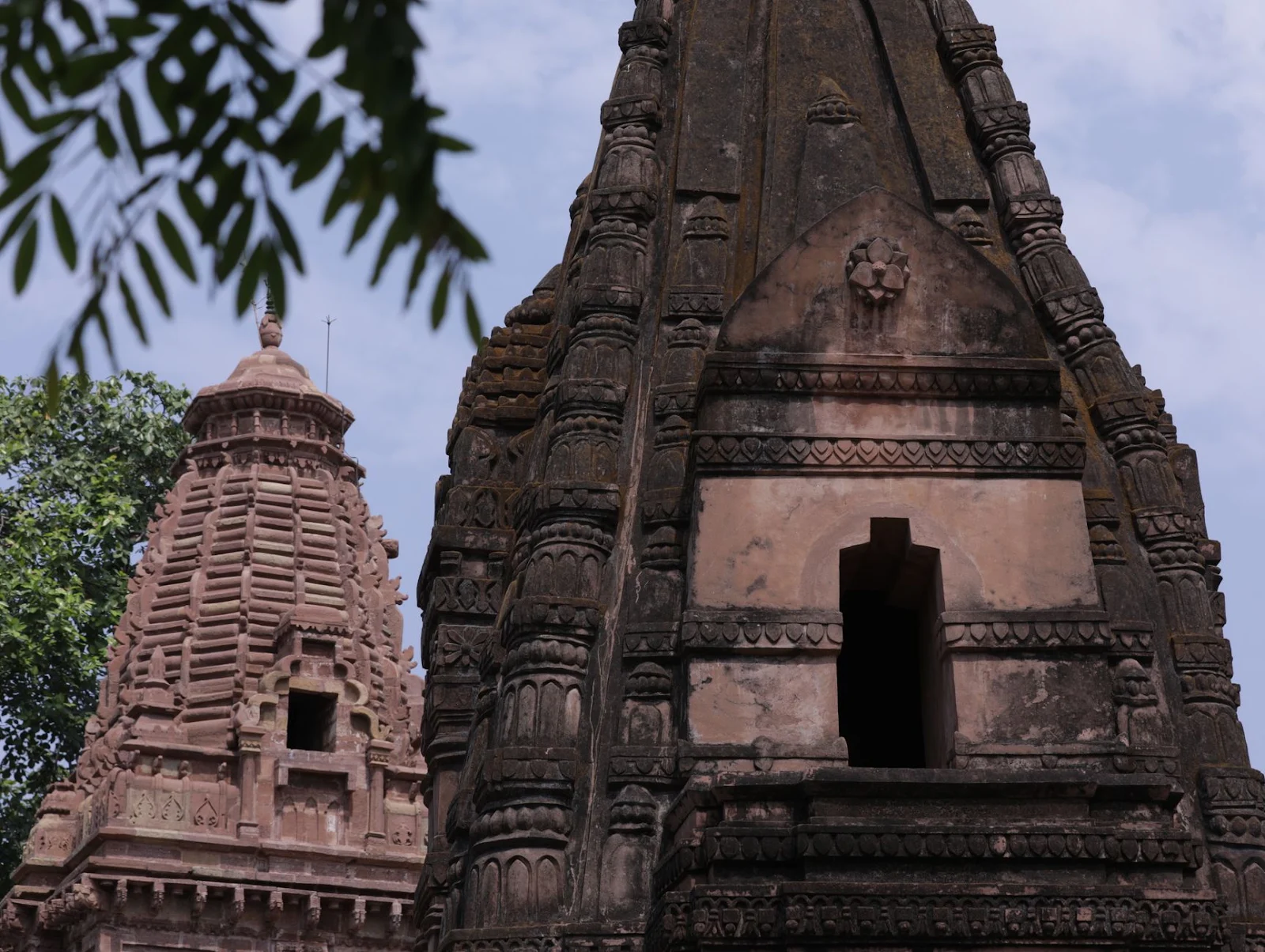
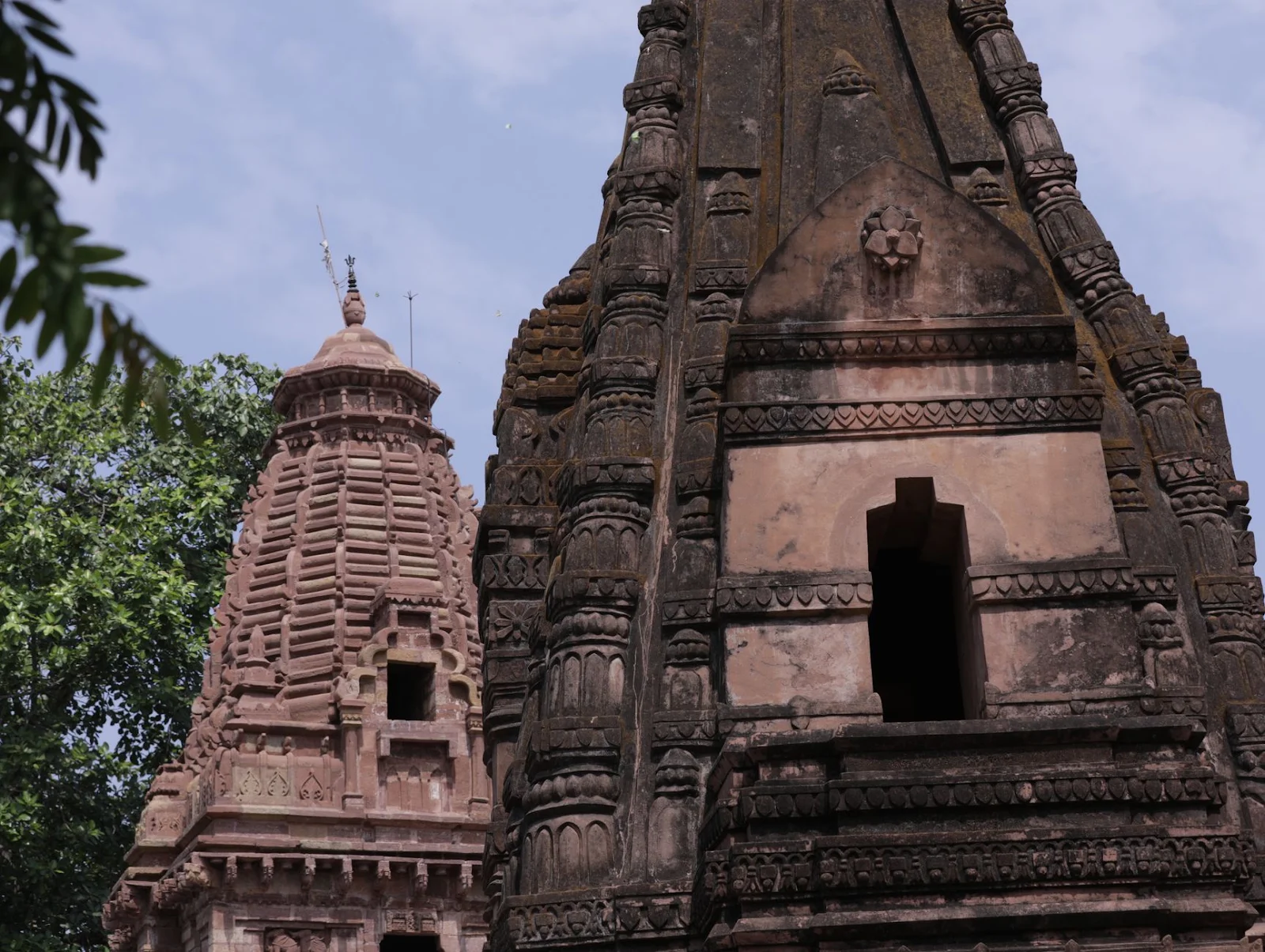
Standing tall in the heart of Janjgir town near Bhima Talab, the ancient Vishnu Temple—often locally referred to as the Naktiya or Nakhiya Mandir—is a pinnacle of 12th-century Kalachuri stone architecture. Commissioned during the reign of King Jajwalyadeva I, this monument remains an intriguing architectural wonder because it was never fully completed; it lacks a customary top spire (Shikhara) and a consecrated central deity. Despite its unfinished state, the sandstone shrine is celebrated across central India for its exquisite wall carvings, detailed bas-reliefs, and intricate statues depicting various incarnations of Lord Vishnu, celestial apsaras, musicians, and scenes from Indian mythology.
Key Attractions & Things to Do
- Admire the Exterior Wall Reliefs: Spend time examining the two-tier friezes on the exterior walls, which showcase depictions of the Dashavatara (ten avatars of Lord Vishnu), Surya Dev, Lord Brahma, and multi-armed divine guardians.
- Explore the Grand Entrance Gateway: The doorway of the sanctum sanctorum displays ornate scrollwork, depictions of the holy river goddesses Ganga and Yamuna, and intricate floral motifs chiseled from sandstone.
- Relax by Bhima Talab: Take a tranquil walk around the adjacent historic Bhima Talab, a vast water reservoir that reflects the stone contours of the temple during sunrise and sunset.
- Photography: Capture detailed macro shots of the Kalachuri stone carvings and the dramatic shadows cast on the weathered sandstone exterior during golden hour.
Practical Information
Timings: 6:00 AM to 6:30 PM (Open daily)
Entry Fee: Free admission
Ideal Duration: 1.5 to 2 hours
Location: Near Bhima Talab, Janjgir City center
2. Shivarinarayan Temple Complex
Overview & Significance
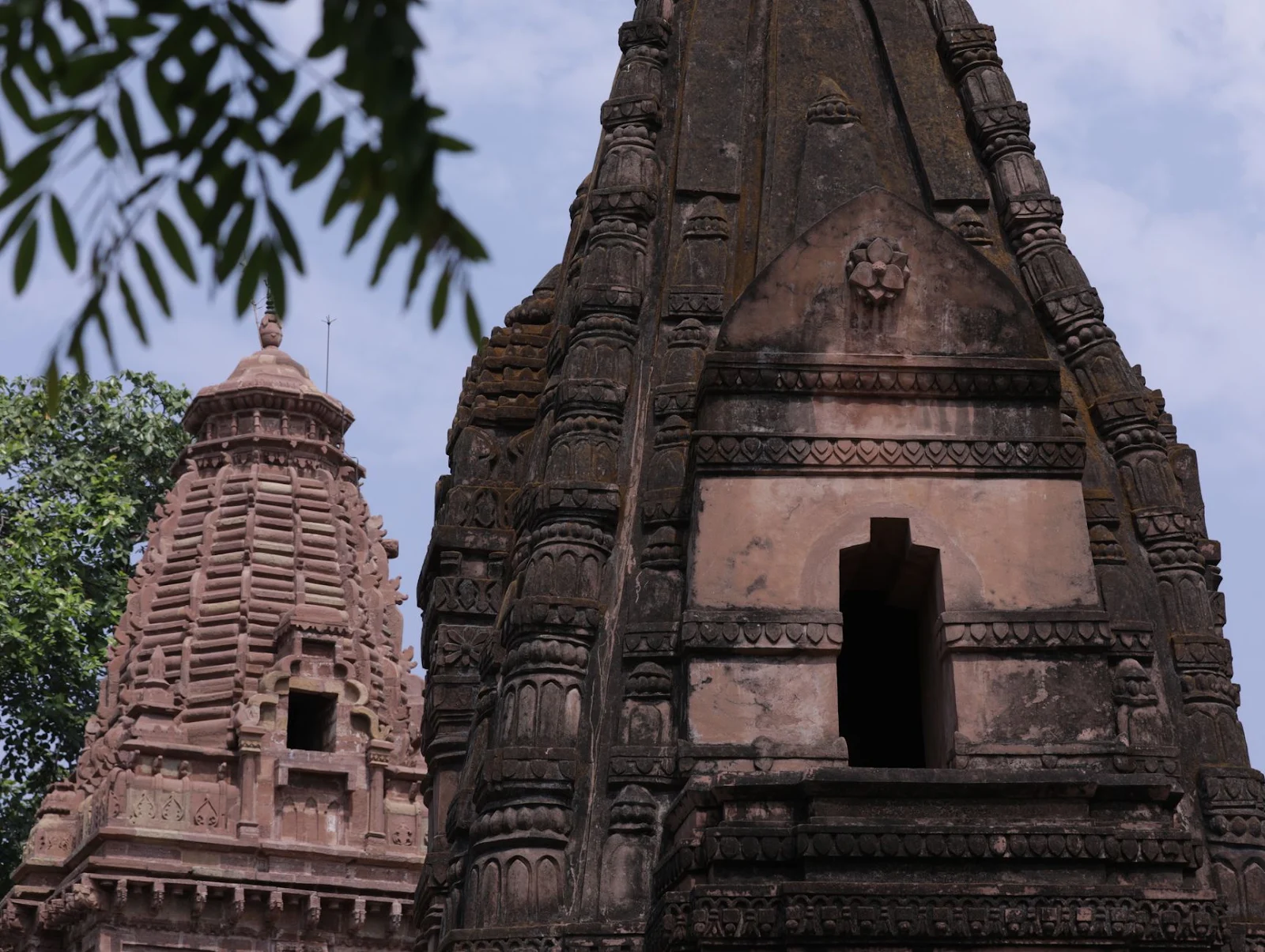
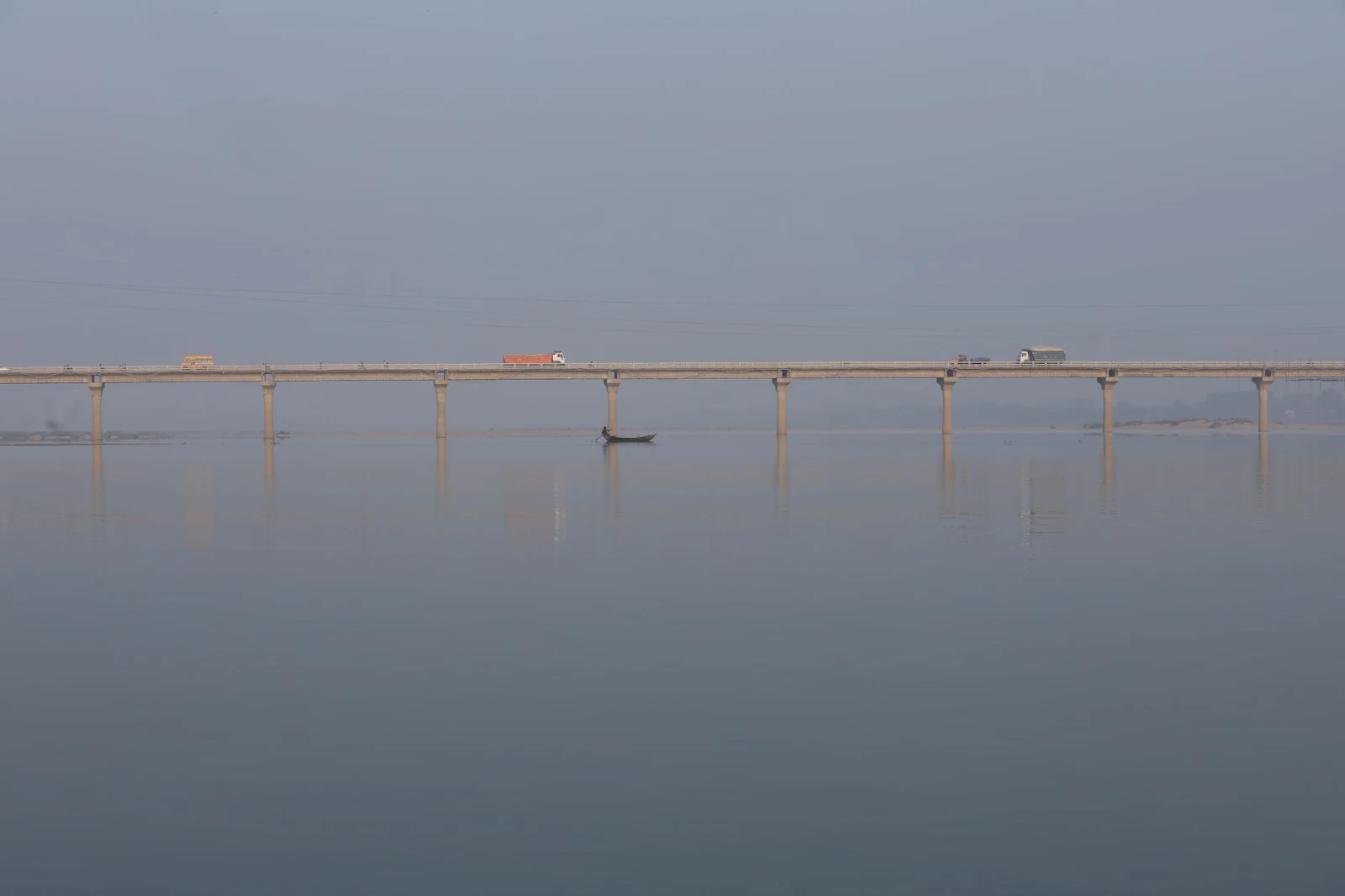
Situated approximately 45 kilometers from the district headquarters at the holy confluence (Triveni Sangam) of the Mahanadi, Shivnath, and Jonk rivers, Shivarinarayan is revered as the spiritual capital of Janjgir-Champa. Deeply tied to the epic Ramayana, legend asserts that this is the sacred hermitage where Mata Shabari offered sweetened, half-eaten wild berries (ber) to Lord Rama and Lakshmana during their exile. The town is studded with ancient shrines dating from the 11th and 12th centuries, with the grand Narayana Temple standing as the crown jewel of the complex, drawing thousands of devotees and heritage travelers throughout the year.
Key Attractions & Things to Do
- Darshan at Narayana Temple: Offer prayers at the primary shrine dedicated to Lord Rama/Vishnu, noted for its soaring Rekha Deula style shikhara and intricate idol carved from black granite.
- Triveni Sangam Boat Ride: Take a traditional wooden boat ride across the wide waters where the Mahanadi, Shivnath, and Jonk converge, enjoying the riverside breezes and panoramic view of the bathing ghats.
- Visit Chandrachur & Keshav Narayan Temples: Explore the smaller auxiliary shrines located within the same sacred perimeter, each bearing medieval inscriptions and ancient sculptures.
- Experience the Maghi Mela: If traveling during the Hindu month of Magh (February), witness the grand 15-day Shivarinarayan Fair, bursting with folk music, religious processions, and local handicrafts.
Practical Information
Timings: 5:00 AM to 12:00 PM and 4:00 PM to 9:00 PM
Entry Fee: Free (Boat rides charge a nominal fee per person)
Ideal Duration: 2 to 3 hours
Location: Shivarinarayan Town, Southern Janjgir-Champa
3. Pithampur Shiva Temple (Kaleshwar Nath Mandir)
Overview & Significance
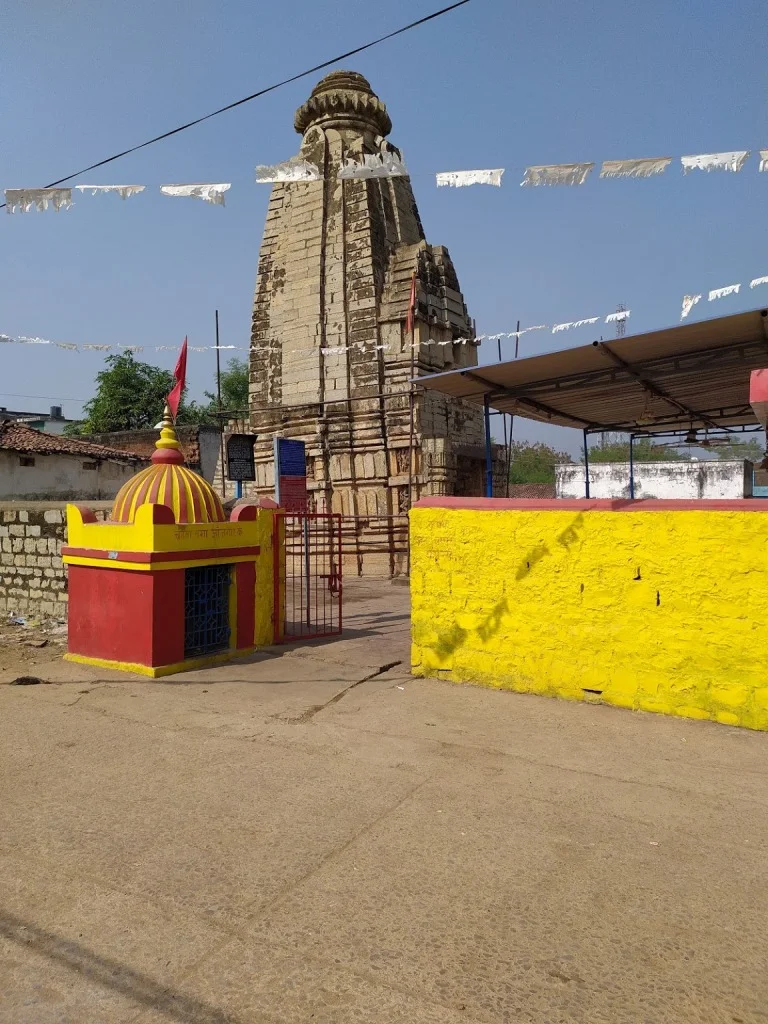
Resting peacefully on the verdant banks of the Hasdeo River, the Kaleshwar Nath Mahadev Temple in Pithampur is one of the most venerated Shaivite pilgrimage shrines in Chhattisgarh. Dedicated to Lord Shiva as the conqueror of time and mortality (Kaleshwar Nath), the temple is associated with centuries of folklore regarding miraculous healing powers. The temple complex provides an atmospheric spiritual escape where the gentle murmur of the Hasdeo River complements the reverberating temple bells and Vedic chants.
Key Attractions & Things to Do
- Attend the Morning Aarti: Experience the devotional energy of the daily morning prayers and Jalabhishek ceremonies performed by local priests and pilgrims using water drawn from the Hasdeo River.
- Participate in Maha Shivratri Celebrations: Witness the sprawling week-long fair organized during Maha Shivratri, which attracts tens of thousands of devotees from all over Chhattisgarh and neighboring states.
- Riverfront Stroll: Stroll along the scenic sandbars and stone steps of the Hasdeo riverbank, enjoying quiet contemplation away from urban rush.
- Interact with Local Artisans: Discover local brassware stalls and religious souvenir shops set up along the path leading to the temple entrance.
Practical Information
Timings: 5:30 AM to 8:30 PM
Entry Fee: Free
Ideal Duration: 1 to 2 hours
Location: Pithampur Village, roughly 10 km from Champa and 20 km from Janjgir
4. Madwarani Temple & Forest Hilltop
Overview & Significance
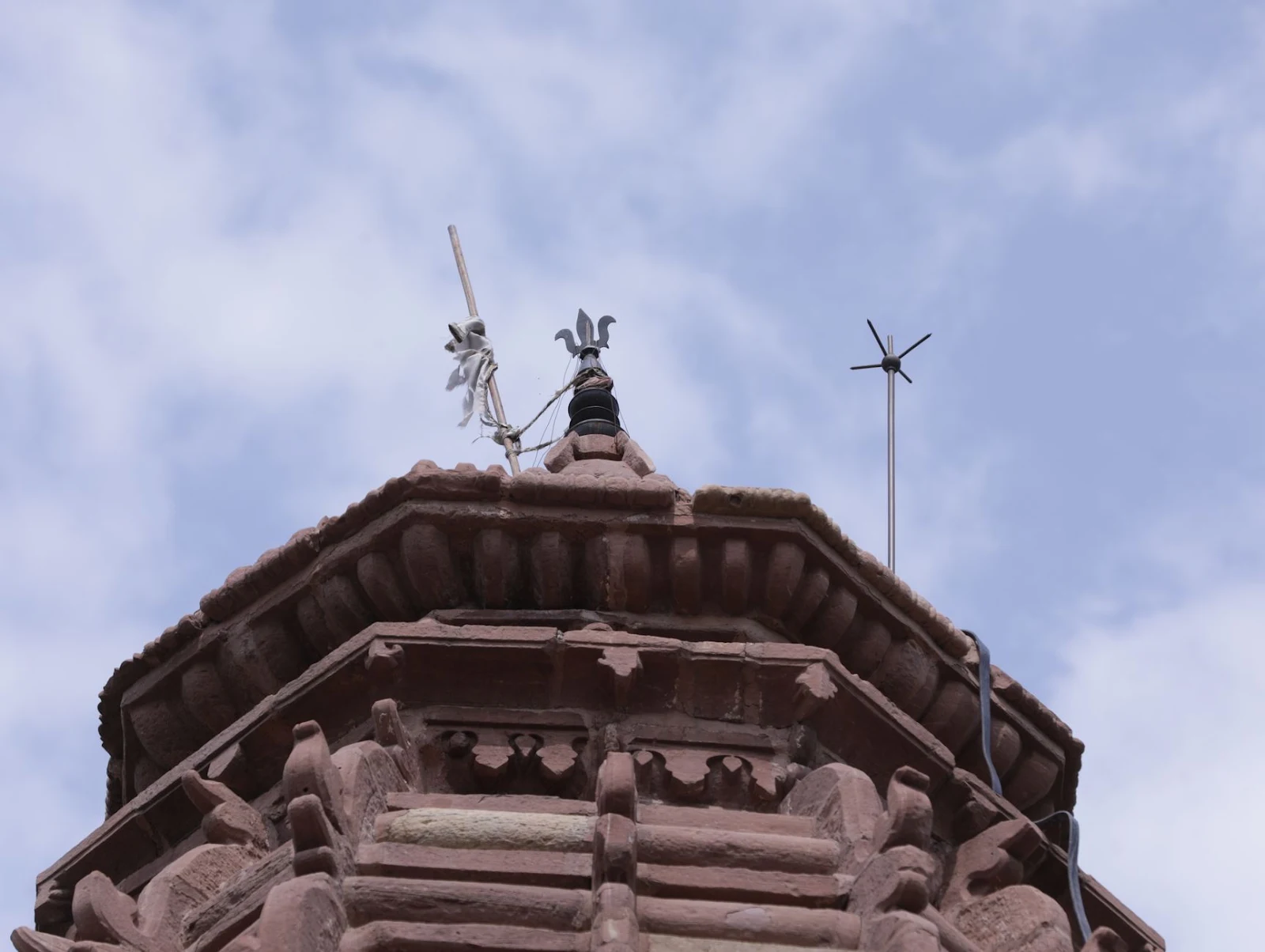
Perched atop an emerald hillock along the Janjgir-Champa and Korba border, the Madwarani Temple is an enchanting hill shrine dedicated to Goddess Madwarani, an incarnation of Goddess Durga. Surrounded by dense Sal and Mahua forests, the temple holds deep spiritual value for the indigenous tribal communities and urban residents of the district. According to local legend, during Navratri festivals, grains of fresh rice emerge naturally from the sanctum's stone crevices, signifying divine abundance and harvest prosperity.
Key Attractions & Things to Do
- Scenic Hill Climb: Drive or walk up the winding hill road enveloped by lush forest cover, offering sweeping views of the surrounding pastoral plains.
- Seek Blessings of the Goddess: Offer prayers inside the hilltop sanctum, especially during the vibrant autumn and spring Navratri celebrations.
- Nature Walks and Bird Watching: Explore the forest trails encircling the hill to spot regional woodland birds, butterflies, and rich endemic flora.
- Picnicking: Enjoy a peaceful family picnic in the designated shady groves near the foothill gardens.
Practical Information
Timings: 6:00 AM to 7:00 PM
Entry Fee: Free
Ideal Duration: 2 to 3 hours
Location: Janjgir-Korba Highway, approx. 28 km north of Champa
5. Damudahara (Rishabhtirth)
Overview & Significance
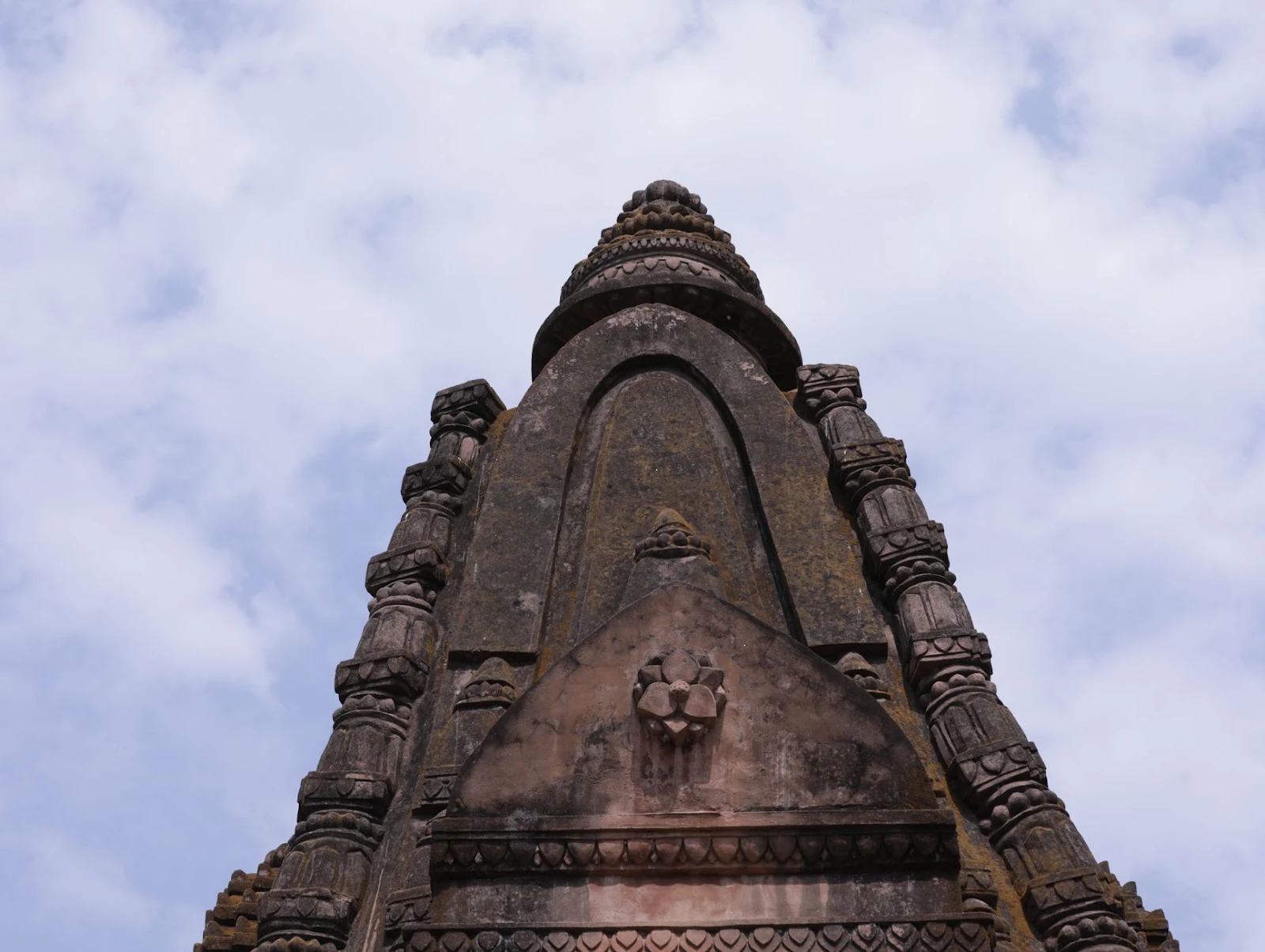
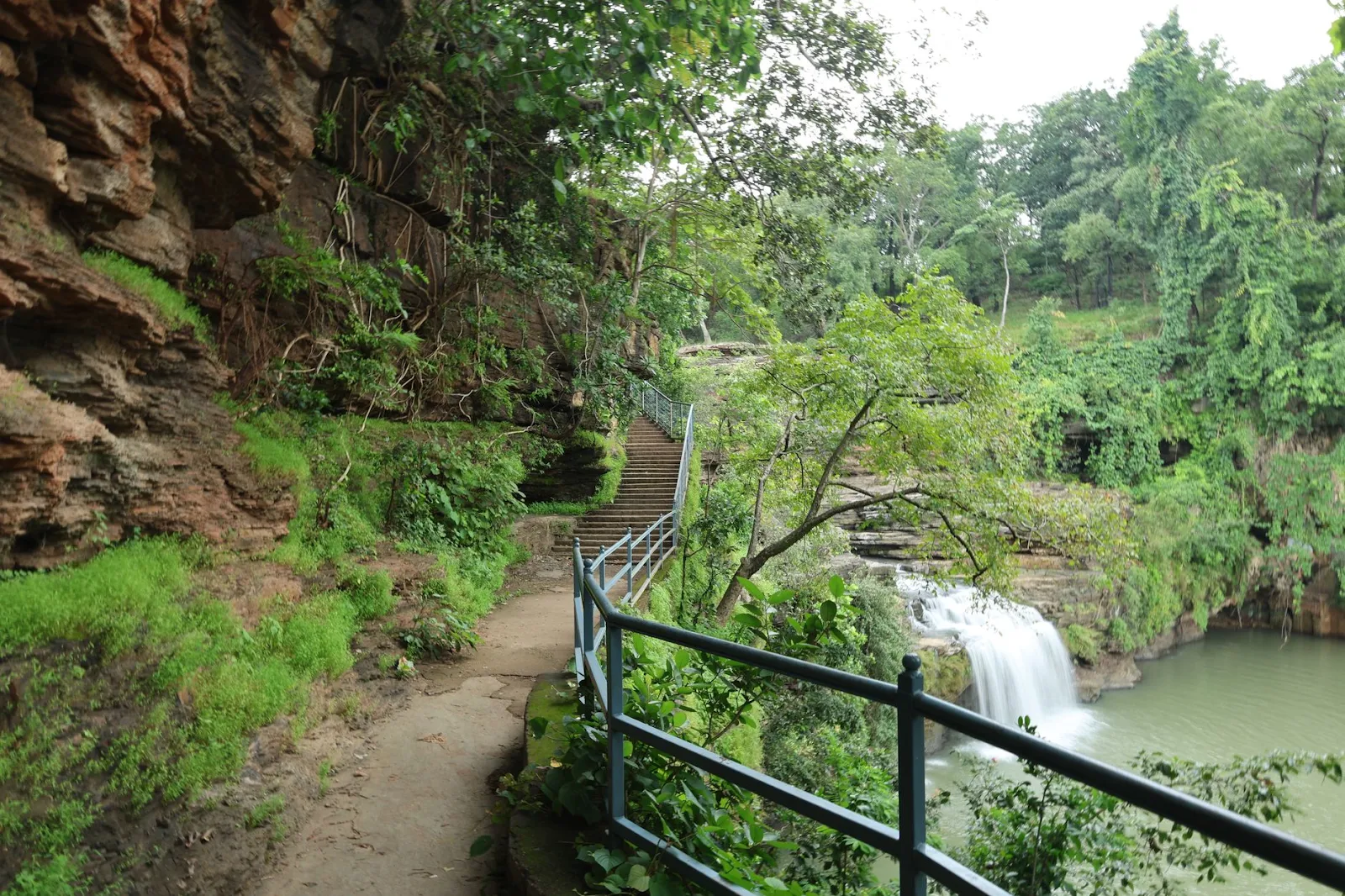
Tucked away in the forested Gunji valley near Sakti, Damudahara (historically documented as Rishabhtirth) is a rare combination of geological grandeur, natural beauty, and ancient epigraphical heritage. Mentioned in the Mahabharata as a holy tirth, this serene hideaway features perennial natural springs cascading over deep sandstone gorges, forming tranquil natural pools. Inscriptions dating back to the 1st and 2nd centuries CE inscribed on the cliff walls testify that kings and hermits visited this valley for penance and medicinal healing through its mineral-rich waters.
Key Attractions & Things to Do
- Natural Waterfall & Rock Pools: Trek down the wooded gorge to marvel at the perennial stream tumbling down moss-draped boulders into clear pools.
- Examine Ancient Rock Inscriptions: Spot the historical rock-cut epigraphs (Gunji Rock Inscription) that provide invaluable insights into early Indian history and patron donations.
- Trekking & Forest Exploration: Navigate moderate hiking trails through the surrounding wilderness, shaded by sprawling Arjuna, Teak, and Bamboo trees.
- Visit Ram-Janki and Shiva Caves: Explore nearby rock-cut shelters and small natural shrines tucked inside the craggy hill contours.
Practical Information
Timings: 7:00 AM to 5:30 PM (Advised to leave before nightfall)
Entry Fee: Free
Ideal Duration: 3 to 4 hours
Location: Gunji Village, Sakti region (Approx. 40 km from Janjgir city center)
Best Time to Visit Janjgir-Champa
The ideal window to explore Janjgir-Champa is during the winter season, spanning from October to March. During these months, the weather remains pleasant and cool, with daytime temperatures hovering between 15°C and 28°C, making temple visits, nature hikes, and heritage walks thoroughly enjoyable.
The monsoon season (July to September) transforms the countryside and waterfalls like Damudahara into lush, verdant havens, though heavy rains may cause river levels to rise at ghats. Summers (April to June) are intensely hot and dry, with afternoon temperatures frequently crossing 42°C, which is generally not recommended for outdoor sightseeing.
How to Reach Janjgir-Champa
Janjgir-Champa is one of the most accessible districts in Chhattisgarh, benefiting from robust rail and road networks connecting it with major metropolitan cities across India.
- By Air: The nearest domestic commercial airport is Swami Vivekananda Airport (RPR) in Raipur, located roughly 165 km away. Raipur connects directly to Delhi, Mumbai, Bengaluru, Kolkata, and Hyderabad. Taxis and intercity buses are readily available outside the airport to take you directly to Janjgir or Champa. Bilaspur Airport (PAB) is also nearby (approx. 60 km) offering select regional flights under the UDAN scheme.
- By Train: Champa Junction (CPH) is the principal railway head in the district and an important junction on the Howrah-Nagpur-Mumbai main line. It offers direct superfast, express, and mail trains connecting to Kolkata, Mumbai, Delhi, Pune, Nagpur, Bhubaneswar, and Ahmedabad. Janjgir Naila (NIA) station also serves many long-distance trains.
- By Road: National Highway NH-49 passes through Janjgir and Champa, providing seamless highway connectivity to Bilaspur (55 km), Raipur (160 km), Korba (45 km), and Raigarh (90 km). Regular state-run and private AC sleeper buses ply continuously on these arterial routes.
Local Food and Culinary Specialties
No trip to Janjgir-Champa is complete without relishing the traditional flavors of rural Chhattisgarhi cuisine. Rooted in local agricultural abundance, the regional food is subtle, wholesome, and delightfully distinct:
- Chila and Fara: Start your mornings with steamed or pan-roasted rice flour dumplings (Fara) and savory thin rice crepes (Chila), served fresh with fiery roasted tomato-garlic chutney.
- Dubki Kadi: A distinctive curry made from miniature urad dal dumplings gently simmered in a spiced, tangy buttermilk broth.
- Bore Baasi: Cooked rice soaked overnight in water, consumed during warm mornings with raw onions, roasted chilies, and homemade mango pickles—a traditional cooling delicacy celebrated across Chhattisgarh.
- Bafauri: A healthy, oil-free steamed snack prepared with seasoned Bengal gram (chana dal) paste and fresh herbs.
- Khurmi and Dehrori: Savor sweet delights made from wheat flour, jaggery, cardamom, and curd, especially crafted during festival seasons.
10 Essential Travel Tips for Visitors
- Shop Authentic Kosa Silk: Do not leave without purchasing genuine handloom Kosa (Tussar) silk sarees, dupattas, or dress fabrics directly from master weaver cooperatives in Champa town.
- Dress Respectfully: When visiting revered shrines such as Shivarinarayan and Pithampur, dress modestly with shoulders and knees covered in accordance with local customs.
- Carry Cash: While digital payments via UPI are widely accepted in urban Janjgir and Champa, keep sufficient cash for remote spots like Damudahara and roadside food kiosks.
- Stay Hydrated: Carry a refillable water bottle with electrolytes, particularly if you are touring outdoor architectural ruins under the mid-day sun.
- Hire a Local Guide: Engaging a knowledgeable local guide at the Janjgir Vishnu Temple can reveal fascinating architectural anecdotes you would otherwise miss.
- Time Your Shivarinarayan Visit: Visit Shivarinarayan early in the morning or during sunset to witness riverside aarti ceremonies and avoid midday river heat.
- Rent a Private Vehicle: Hiring a private taxi from Janjgir, Champa, or Bilaspur offers the greatest flexibility to cover dispersed attractions like Damudahara and Madwarani comfortably in a single day.
- Respect Sacred Ghats: Always exercise caution while bathing at river confluences, as currents in the Mahanadi and Shivnath can be deceptively swift during specific seasons.
- Pack Comfortable Footwear: Slip-on walking shoes or sandals are ideal since you will frequently remove footwear before stepping into temple premises.
- Check Local Festival Dates: If possible, align your visit with Maha Shivratri or the Maghi Purnima Fair to witness the state's vibrant folk dances, Panthi music, and handicraft fairs.
Suggested 2-Day Janjgir-Champa Itinerary
Day 1: Architectural Splendor and Sacred Confluences
- Morning (8:30 AM - 11:00 AM): Begin your morning at the 12th-century Janjgir Vishnu Temple. Admire the Kalachuri stone carvings and walk around the serene Bhima Talab.
- Midday (11:30 AM - 1:30 PM): Drive to Pithampur village (approx. 20 km) to visit the Kaleshwar Nath Shiva Temple by the Hasdeo River. Enjoy a relaxed traditional Chhattisgarhi lunch at Champa.
- Afternoon (2:30 PM - 6:00 PM): Head south to the sacred town of Shivarinarayan. Explore the historic Narayana temple complex, learn about the Shabari legend, and enjoy a sunset boat ride across the Triveni Sangam.
- Evening: Return to Janjgir or Champa for dinner and stay.
Day 2: Nature Escapes and Hillside Shrines
- Morning (8:00 AM - 12:00 PM): Take a scenic morning drive to Damudahara (Rishabhtirth) near Gunji. Trek down the sandstone valley, view the ancient rock inscriptions, and unwind near the natural springs.
- Afternoon (1:00 PM - 3:30 PM): Enjoy lunch in Champa and visit local weaver workshops to witness the authentic handloom Kosa silk weaving process.
- Late Afternoon (4:00 PM - 6:30 PM): Drive up to the Madwarani hilltop temple. Pay homage to the deity and soak in panoramic views of the forested landscape during sunset.
- Evening: Conclude your memorable Janjgir-Champa journey with regional sweets and begin your onward transit.
Frequently Asked Questions (FAQs)
1. What is Janjgir-Champa famous for?
Janjgir-Champa is universally famous for its world-class Kosa (Tussar) silk handloom weaving industry, its 12th-century Kalachuri temple architecture (such as the Janjgir Vishnu Temple), and the sacred river confluence town of Shivarinarayan.
2. Where can I buy authentic Kosa silk sarees in Janjgir-Champa?
You can buy authentic, certified Kosa silk products directly from handloom weaver societies, master artisan homes, and government-recognized emporiums situated across the town of Champa and surrounding weaving clusters like Sivni and Baloda.
3. Is Janjgir-Champa safe for solo and family travelers?

Yes, Janjgir-Champa is extremely peaceful, welcoming, and safe for solo travelers, backpackers, and families. Local residents are warm and hospitable toward tourists.
4. How far is Shivarinarayan from Janjgir city?
Shivarinarayan is located approximately 45 kilometers south of Janjgir city center. It takes around 1 to 1.5 hours to reach via well-paved state highways by private car or regular bus services.
5. Why is the Janjgir Vishnu Temple unfinished?

According to regional folklore, a friendly architectural competition took place between the builders of the Janjgir Vishnu Temple and the nearby Shiva Temple of Shivarinarayan. The competition mandated completion before daybreak. The artisans at Shivarinarayan finished their spire first, leaving the Janjgir temple's shikhara perpetually incomplete.
6. Are there good accommodation options in Janjgir-Champa?
Yes, both Janjgir and Champa offer comfortable budget and mid-range hotels, guest houses, and government circuit lodges equipped with modern amenities, air-conditioned rooms, and in-house restaurants.
7. What is the nearest airport to Janjgir-Champa?

The primary domestic airport is Swami Vivekananda Airport in Raipur, situated roughly 165 km away. Bilaspur Airport (Bilasa Devi Kevat Airport), located about 60 km away, also provides regional flight connectivity.
8. How many days are sufficient to explore Janjgir-Champa?
A 2-day, 1-night itinerary is ideal to comfortably explore all major historic shrines, natural waterfalls, river ghats, and silk weaving centers across the district without rushing.
Conclusion
Janjgir-Champa is a land where ancient mythology breathes through medieval sandstone, and where centuries of weaving craftsmanship continue to thrive on wooden handlooms. From the striking bas-reliefs of the unfinished Vishnu Temple and the spiritual serenity of Shivarinarayan's river confluence to the refreshing natural cascades of Damudahara, the district offers an authentic slice of central India's glorious heritage. Free from massive tourist crowds, a journey through Janjgir-Champa promises tranquil moments, enriching cultural dialogues, and memorable vistas. Pack your bags, embark on this offbeat voyage into Chhattisgarh's cultural heartland, and let the timeless charm of Janjgir-Champa captivate your wanderer's soul.



0 Comments