
Top 5 Places to Visit in Raigad: A Complete Travel Guide to Maharashtra’s Historic & Coastal Gem
Perched between the emerald green slopes of the Sahyadri mountain range and the azure expanse of the Arabian Sea, Raigad district is one of Maharashtra's most captivating travel destinations. Named after the legendary Raigad Fort—the historic seat of the Maratha Empire under Chhatrapati Shivaji Maharaj—this region effortlessly blends deeply rooted history, misty hill stations, ancient rock-cut caves, and unspoiled Konkan beaches. Whether you are a history enthusiast, an adventure trekker, or someone seeking a quiet weekend escape from the bustling urban lives of Mumbai and Pune, exploring the top tourist places in Raigad promises a deeply rewarding experience.
What makes Raigad truly unique is its rich geographical and cultural diversity. In a single weekend, you can trek through rain-soaked forest trails to ancient Buddhist monasteries, take a sailboat to an unconquered sea fort, wander through motor-free mountain avenues, and bow your head at sea-bound holy temples. Coupled with the authentic warmth of Konkani hospitality and lip-smacking local coastal cuisine, Raigad stands out as a top-tier destination on Western India’s travel map. In this comprehensive travel guide, we explore the best places to visit in Raigad, complete with insider travel tips, transport details, local food recommendations, and a custom itinerary to help you plan your perfect getaway.
Table of Contents
- 1. Raigad Fort: The Historic Capital of the Maratha Empire
- 2. Murud-Janjira Fort: The Unconquered Marine Fortress
- 3. Matheran: Asia’s Only Automobile-Free Hill Station
- 4. Harihareshwar Beach and Temple: The Kashi of the South
- 5. Kondana Caves: Ancient Buddhist Rock-Cut Sanctuaries
- Best Time to Visit Raigad
- How to Reach Raigad
- Local Food & Culinary Delights
- 10 Practical Travel Tips for Visiting Raigad
- Suggested 2-Day Raigad Travel Itinerary
- Frequently Asked Questions (FAQs)
- Conclusion
1. Raigad Fort: The Historic Capital of the Maratha Empire
Overview
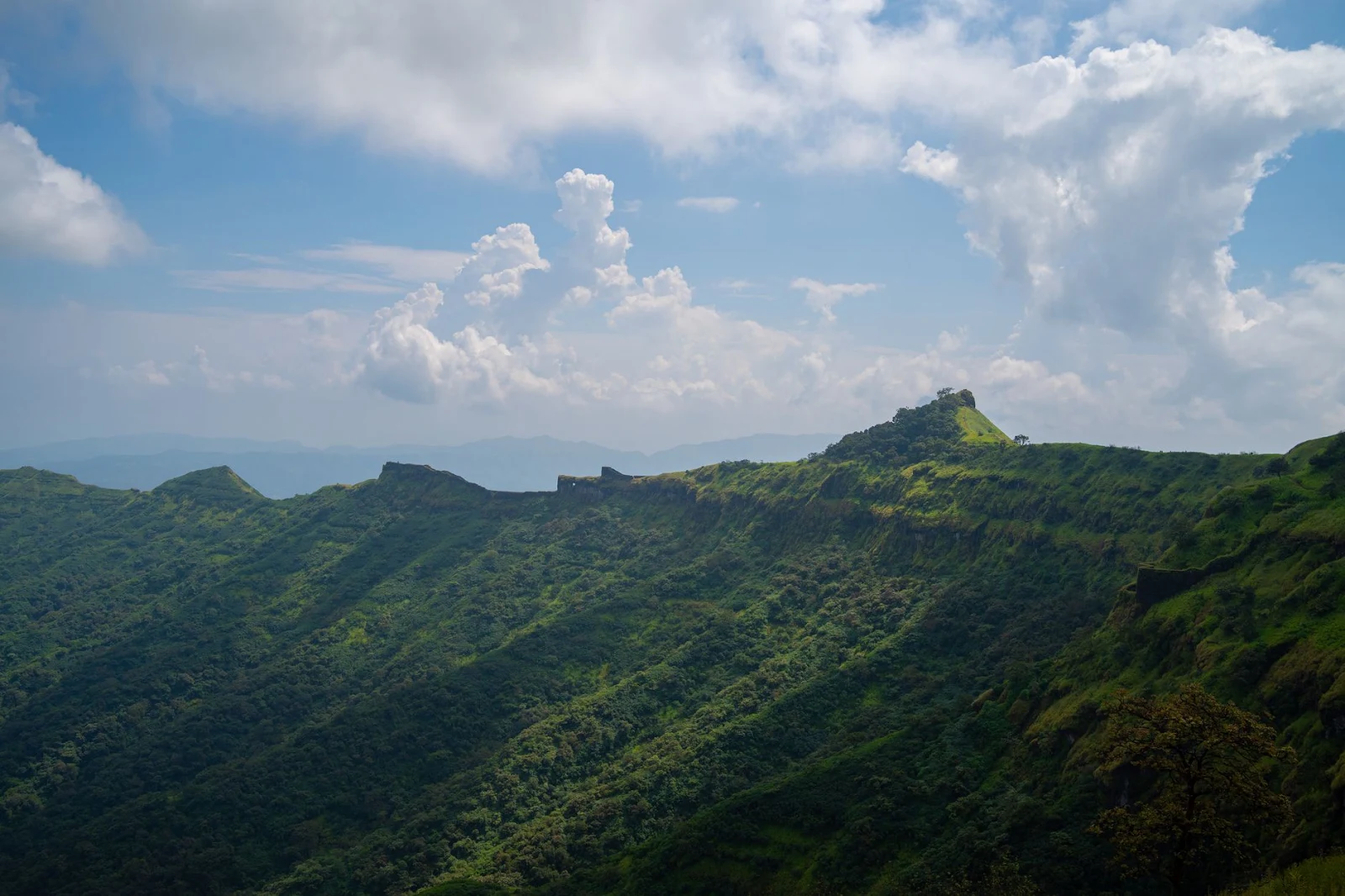
Standing tall at an altitude of approximately 2,700 feet (820 meters) above sea level in the Sahyadri mountains, Raigad Fort is not merely a tourist spot—it is a monument of profound historical pride. Seated atop an irregular wedge-shaped basalt rock, Chhatrapati Shivaji Maharaj chose this impregnable hill fort as the capital of the Maratha Kingdom in 1674 when he was crowned King. It remains one of the premier historical places to visit in Raigad district.
Key Highlights
- Maha Darwaja: The massive main entrance flanked by stout bastions designed to defend against enemy broadsides.
- Raj Sabha (Throne Room): The grand assembly hall where Shivaji Maharaj's coronation took place, designed with incredible natural acoustics.
- Takmak Tok: A sheer cliff drop of over 1,200 feet, historically used as a point of execution for condemned prisoners.
- Hirakani Buruj: A famous bastion built in honor of Hirakani, a brave local mother who scaled down the vertical cliff in pitch darkness to reach her infant child.
- Samadhi of Chhatrapati Shivaji Maharaj: The sacred memorial shrine located near the market area.
- Raigad Ropeway: A modern aerial tramway that transports visitors from Pachad base village to the top in under 10 minutes.
Best Time to Visit
October to March offers cool, pleasant weather ideal for exploring the vast fort complex. However, monsoon enthusiasts prefer July to September, when the fort is blanketed in mist, swirling clouds, and rushing waterfalls.
Timings & Entry Fee
Timings: 8:00 AM to 6:00 PM daily.
Entry Fee: Approximately ₹25 for Indian nationals, ₹300 for foreign tourists. Ropeway charges are approximately ₹350–₹400 for a round-trip ticket.
How to Reach
Located near Mahad town, Raigad Fort is around 160 km from Mumbai and 130 km from Pune. Visitors drive to Pachad village at the base of the fort. From Pachad, you can either hike up the 1,737 stone steps (taking 2 to 3 hours) or ride the Raigad Ropeway.
Detailed Description & Experience
Stepping onto Raigad Fort is an evocative journey into India's glorious past. As you pass through the massive stone gateways, the engineering genius of the 17th century becomes clear. The fort complex was once home to over 300 structures, including royal palaces, granaries, public market avenues, mints, and complex rainwater harvesting tanks. Walking across the broad market street—elevated so shopkeepers could sell goods to customers mounted on horseback—gives you a vivid sense of daily life during the Maratha era. Standing at Takmak Tok, with the chilly Sahyadri breeze swirling around you and sweeping views of lush green valleys below, is an adrenaline-pumping experience that stays with you long after your trip ends.
Photography Tips
Capture dramatic wide-angle vistas from Takmak Tok during late afternoon when the sun highlights the rugged Sahyadri ridge. For architectural photography, focus on the carved stone gateways and the majestic archways of the Raj Sabha during early morning light to avoid shadows and crowds.
2. Murud-Janjira Fort: The Unconquered Marine Fortress
Overview
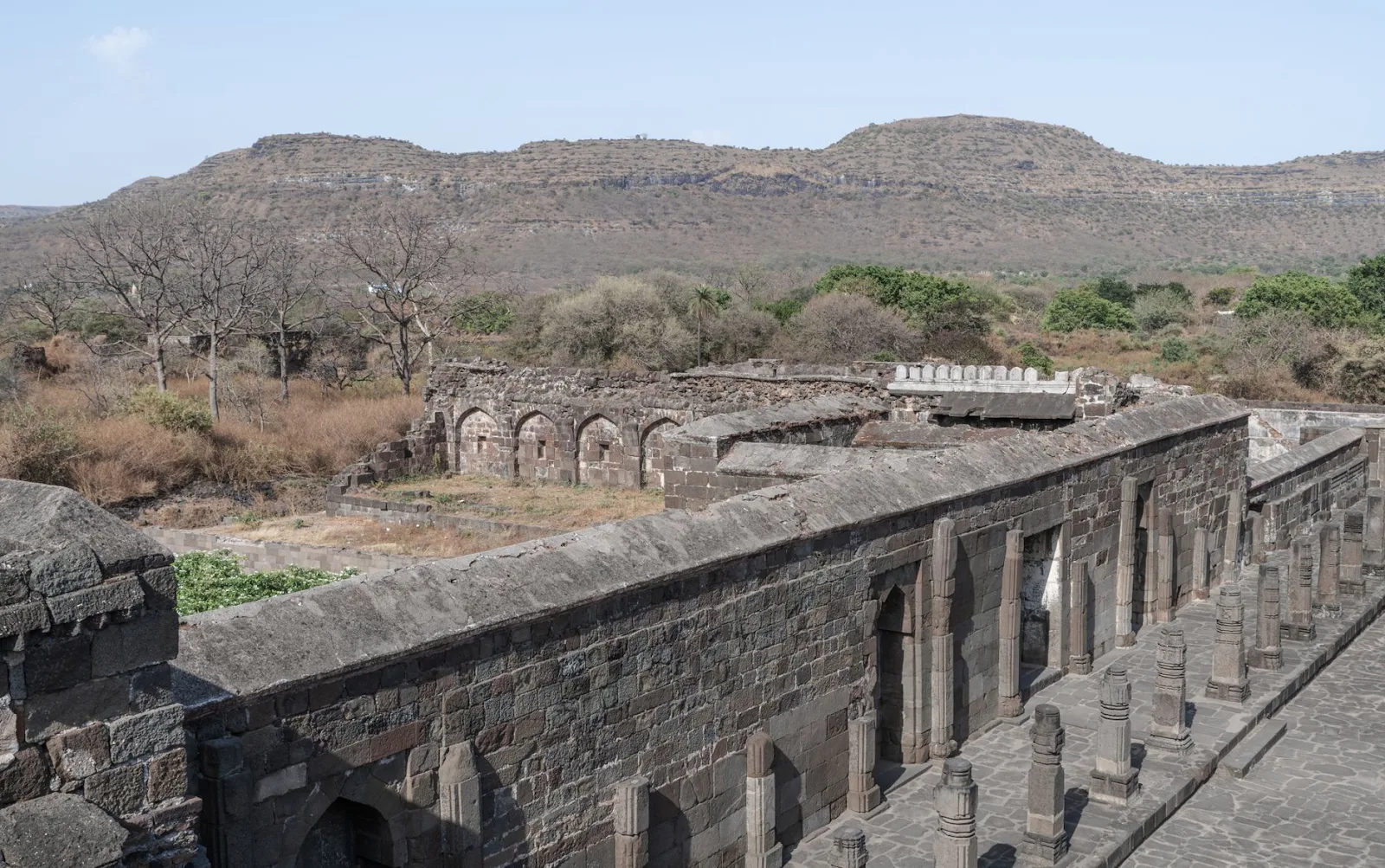
Situated on an oval rock off the Arabian Sea coastline near the coastal town of Murud, Murud-Janjira Fort is widely considered one of the most formidable marine strongholds in Indian history. Originally constructed in the 15th century by local Koli chieftains and later heavily fortified by the Sidis of Janjira, this sea fort famously remained unconquered despite repeated naval sieges by the Marathas, the British, and the Dutch.
Key Highlights
- Impregnable Architecture: Features 19 rounded bastions that remain remarkably intact despite centuries of saltwater splash and oceanic weathering.
- Hidden Entrance (Maha Darwaja): Designed so cleverly that the main entrance cannot be seen until your boat is merely a few meters away from the stone wall.
- Kalalbangdi Cannons: Home to several historic heavy artillery cannons, including the third-largest cannon in India, weighing over 22 tons.
- Freshwater Lakes: Two large natural freshwater ponds located inside a fort completely surrounded by saline seawater.
Best Time to Visit
November to February offers calm sea conditions, comfortable temperatures, and bright sunshine ideal for boat rides and photography. Avoid the peak monsoon season (June to September) when boat ferry services are suspended due to high ocean waves.
Timings & Entry Fee
Timings: 7:00 AM to 6:00 PM (Sailboat ferries generally operate until 4:30 PM).
Entry Fee: Fort entry is free. Local sailboat transport charges range between ₹80 and ₹150 per person for a round trip from Rajapuri Jetty.
How to Reach
Murud town is approximately 165 km from Mumbai and 55 km south of Alibaug. From Murud, travel 5 km south to Rajapuri Jetty, where local wooden sailboats transport visitors to the island fort across a 15-minute marine passage.
Detailed Description & Experience
The journey to Murud-Janjira starts at the bustling Rajapuri Jetty. Boarding a traditional wooden sailboat powered entirely by wind and canvas sails adds an authentic nautical touch to the adventure. As the sailboat approaches the massive dark basalt walls rising directly out of the waves, the sheer scale of the fortification takes your breath away. Once inside, you can explore royal quarters, old officer quarters, storehouses, and gun embankments. Sitting beside the freshwater lakes on an isolated marine fortress while gazing out at the vast blue horizon of the Arabian Sea is a tranquil yet awe-inspiring experience.
Photography Tips
Take action shots from the bow of the sailboat as you pull up close to the fort's hidden entrance. Inside the fort, use the rounded stone embrasures as natural frames to capture dramatic seascape photos of incoming ocean waves.
3. Matheran: Asia’s Only Automobile-Free Hill Station

Overview
Perched at an elevation of 800 meters in the Western Ghats, Matheran is a serene, forest-covered plateau that holds the unique distinction of being Asia’s only automobile-free hill station. Declared an Eco-Sensitive Zone by the Ministry of Environment and Forests, no motor vehicles of any kind—including private cars, buses, or two-wheelers—are permitted past Dasturi Naka, keeping the air pristine, quiet, and delightfully free of pollution.
Key Highlights
- Neral-Matheran Toy Train: A historic narrow-gauge heritage train that snakes through deep mountain valleys and dense hardwood forests.
- Panorama Point: Offers 360-degree views of the surrounding Western Ghats, sunrise vistas, and distant views of Prabalgad Fort.
- Charlotte Lake: A serene lake surrounded by dense woods, serving as the main source of drinking water for Matheran.
- Louisa Point: A popular sunset lookout offering breathtaking views of the waterfall-laced cliffs and ruinous fortresses in the valley below.
- Echo Point: Known for its dramatic acoustics and panoramic mountain amphitheater.
Best Time to Visit
Matheran is a year-round destination. October to May brings pleasant weather, perfect for long forest walks and sightseeing. Monsoon (July to September) transforms the hill station into a dreamy paradise of hanging clouds, bubbling streams, and verdant moss cover.
Timings & Entry Fee
Timings: Open 24/7.
Capitation Tax / Entry Fee: Approximately ₹50 for adults and ₹25 for children, collected at Dasturi Naka entry point.
How to Reach
Matheran is roughly 80 km from Mumbai and 120 km from Pune. Travelers take a local train to Neral Junction, followed by either the heritage toy train or a shared van to Dasturi Naka. Beyond Dasturi Naka, visitors travel on foot, on horseback, or via hand-pulled rickshaws along red laterite soil paths.
Detailed Description & Experience
Visiting Matheran feels like stepping back into a quieter, slower era. The absence of engine noise creates a peaceful atmosphere where you only hear bird calls, rustling forest leaves, and the gentle patter of horse hooves on red dirt paths. Exploring Matheran involves walking along shaded canopy trails leading to over 30 marked viewpoints overlooking deep gorges. Watching the sun drop below the distant horizon from Louisa Point while sipping a cup of warm local ginger tea is one of the most relaxing tourist experiences Raigad has to offer.
Photography Tips
Capture the vibrant red dirt paths contrasting against the lush green forest canopy. Frame Charlotte Lake during early mornings to catch mist floating over the water surface, or shoot dramatic silhouettes of horseback riders at sunset along Louisa Point.
4. Harihareshwar Beach and Temple: The Kashi of the South
Overview
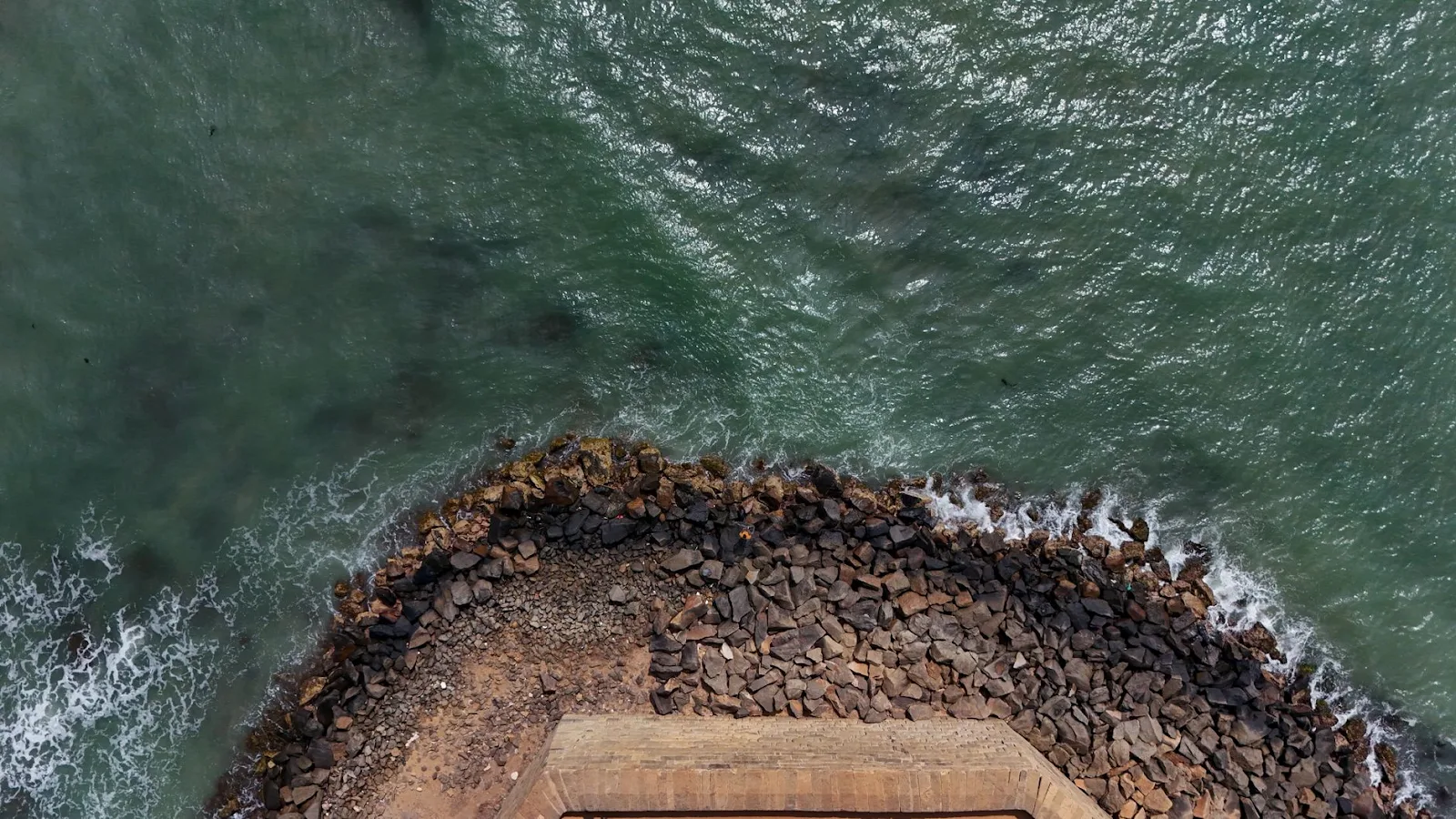
Tucked away in the southern coastal tip of Raigad district, Harihareshwar is a tranquil coastal town renowned for its sacred temple and pristine black-sand beaches. Surrounded by four holy hills—Harihareshwar, Harshinachal, Bramhagiri, and Pushpagiri—and bordered by the Savitri River as it meets the Arabian Sea, Harihareshwar is affectionately referred to as 'Devghar' (House of God) or the 'Kashi of the South'.
Key Highlights
- Harihareshwar Temple Complex: An ancient temple dedicated to Lord Shiva (Harihareshwar), featuring classic Konkani architectural style with dark stone and sloping timber roofs.
- Rocky Pradakshina Marg: A sacred circumambulation path carved naturally into coastal cliff rocks behind the temple leading down to sea-washed cliffs.
- Harihareshwar Beach: A tranquil beach with dark volcanic sand, ideal for peaceful coastal walks, beach photography, and relaxing evening strolls.
- Water Sports: Local vendors offer banana rides, speedboats, and jet-skiing during peak non-monsoon tourist months.
Best Time to Visit
October to March is the ideal time to visit, featuring calm seas, comfortable tides, and cool coastal breezes. Extreme monsoon months (July to August) can make the rocky Pradakshina path slippery and unsafe due to high wave swells.
Timings & Entry Fee
Temple Timings: 6:00 AM to 9:00 PM daily.
Entry Fee: Free entry to temple and beach areas.
How to Reach
Harihareshwar is approximately 200 km from Mumbai and 170 km from Pune via the Mumbai-Goa Highway (NH 66) passing through Mangaon and Shrivardhan. Mangaon is the nearest major Konkan Railway train station (about 60 km away).
Detailed Description & Experience
Harihareshwar offers a distinct combination of spiritual reverence and rugged coastal beauty. After seeking blessings at the ancient Shiva temple, visitors descend a flight of stone steps behind the temple to undertake the iconic Pradakshina. Walking along this path reveals stunning basalt rock formations sculpted over thousands of years by the relentless pounding of sea waves. The sea caves, natural stone gorges, and blowholes along the pathway showcase nature's raw artistry. Paired with a visit to the nearby quiet beaches, Harihareshwar serves as an idyllic sanctuary for travelers looking to recharge their spirits.
Photography Tips
Visit the Pradakshina path during low tide to photograph the intricate natural rock sculptures and tidal pools. Use a long-exposure setting on your camera to smooth out the crashing sea waves against the dark basalt formations during golden hour.
5. Kondana Caves: Ancient Buddhist Rock-Cut Sanctuaries
Overview
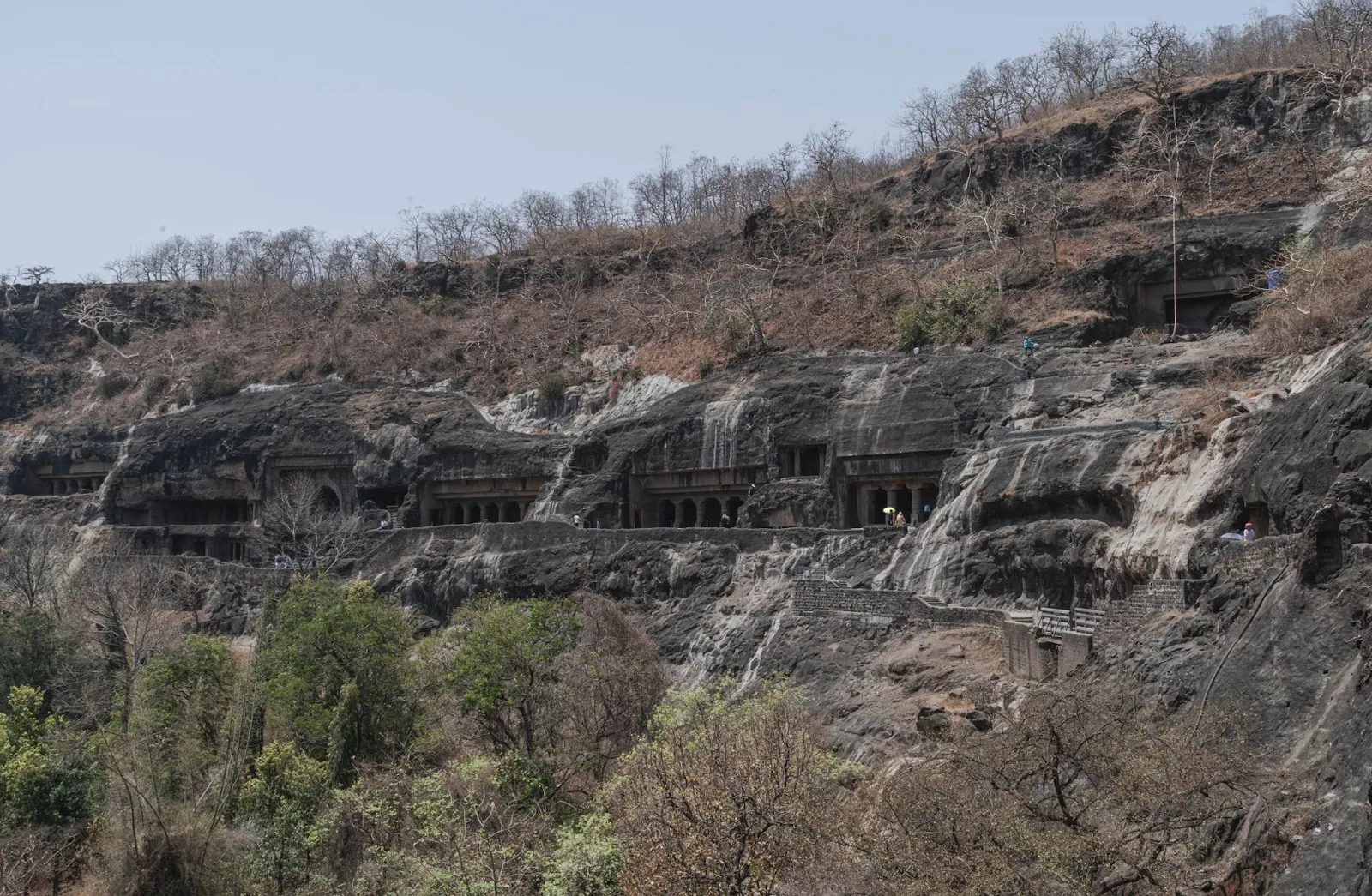
Tucked into dense, rain-soaked teak forests at the foot of Rajmachi Fort near Karjat, Kondana Caves are a group of 16 ancient rock-cut Buddhist caves dating back to the 1st century BC. Excavated during the Hinayana phase of Buddhism, these ancient cave structures offer a fascinating glimpse into early rock-cut architecture, monastic life, and ancient trade route stops in ancient Maharashtra.
Key Highlights
- Chaitya (Prayer Hall): Features an impressively carved horseshoe arched facade with wooden-style stone ribbing and a monolithic central stupa.
- Vihara (Monastery): Spacious rock-cut monk cells complete with stone benches, raised platforms, and carved pillar pillars.
- Ancient Sculptures: Relic relief carvings displaying traditional dancing figures, warriors, and classical Buddhist symbolic motifs.
- Seasonal Waterfall: During the monsoons, a rushing natural stream cascades directly over the roof cliff of the caves, creating a curtain of falling water right at the entrance.
Best Time to Visit
July to January is the best window to visit. The monsoon and post-monsoon months are exceptionally scenic, as the surrounding forest comes alive with lush greenery and waterfalls flow steadily across the cave faces.
Timings & Entry Fee
Timings: Sunrise to Sunset.
Entry Fee: Free entry.
How to Reach
Located near Karjat, Kondana Caves are roughly 90 km from Mumbai and 100 km from Pune. Travelers take a train or vehicle to Karjat station, drive to Kondhane village (15 km from Karjat), and trek for 45 to 60 minutes along a clear forest trail to reach the caves.
Detailed Description & Experience
The trek to Kondana Caves is an enjoyable mini-adventure suitable for beginners and families. Starting from Kondhane village, the trail winds through lush green forests, across small wooden bridges, and past gentle mountain streams. As you emerge from the forest canopy, the grand cliff facade housing the caves comes into view. Walking inside these silent 2,000-year-old rock chambers, you can appreciate the craftsmanship required to carve intricate halls out of solid basalt without modern machinery. Sitting under the cool shade of the ancient stone overhang while watching water droplets fall from the roof offers a deeply peaceful connection to history and nature.
Photography Tips
During the monsoon months, stand slightly inside the main Chaitya hall to capture wide-angle shots looking outward, using the veil of falling waterfall spray to naturally frame the carved stone pillars.
Best Time to Visit Raigad
Raigad district experiences three distinct seasons, each offering a unique travel experience based on your preferences:
- Winter Season (October to March) – Peak Tourist Season: Weather conditions are pleasant, dry, and comfortably cool, with temperatures ranging between 15°C and 30°C. This is the absolute best time for general sightseeing, beach hops, fort explorations like Raigad Fort and Murud-Janjira, and heritage cave visits.
- Monsoon Season (June to September) – Nature & Trekking Season: The Sahyadri hills transform into a lush green haven filled with hundreds of rushing waterfalls, fog-bound peaks, and fresh mountain air. It is the best time for trekking destinations like Kondana Caves, Matheran, and hill forts, though sea boat rides to Murud-Janjira are suspended due to rough water.
- Summer Season (April to May) – Warm Season: Coastal areas and plains become hot and humid with temperatures reaching 35°C to 38°C. However, elevated hill stations like Matheran remain cooler, making them popular weekend refuges for city dwellers during summer school holidays.
How to Reach Raigad
Due to its strategic position adjacent to the Mumbai and Pune metropolitan regions, Raigad district boasts excellent multi-modal transport connectivity:
- By Air: The nearest airport is Chhatrapati Shivaji Maharaj International Airport (BOM) in Mumbai, located roughly 100 km to 160 km depending on your final destination in Raigad. Navi Mumbai International Airport, once fully operational, will offer even closer access. Direct taxis, private cabs, and state transport buses are readily available from the airport.
- By Rail: Raigad is well-serviced by both the Central Railway suburban line and the scenic Konkan Railway network. Key railway junctions within or bordering the district include Karjat, Panvel, Roha, Mangaon, and Mahad (Veer Station). Regular express trains connect these stations directly to Mumbai, Pune, Goa, and Southern India.
- By Road: Raigad enjoys seamless road connectivity via major highways, including the Mumbai-Pune Expressway, National Highway 66 (Mumbai-Goa Highway), and State Highway 92. Regular Maharashtra State Road Transport Corporation (MSRTC) buses, affectionately called 'ST buses', connect major towns across the district. Renting a self-drive car or private cab offers maximum flexibility for fort and beach hopping.
- By Sea / Ferries: For coastal destinations, RORO (Roll-On/Roll-Off) car ferry services and speedboats operate daily from Bhaucha Dhakka (Princess Dock, Mumbai) to Mandwa Jetty near Alibaug, drastically cutting road travel time from Mumbai down to just 45-60 minutes.
Local Food & Culinary Delights of Raigad
A trip to Raigad is incomplete without savoring authentic Konkani and Maharashtrian dishes. Heavily influenced by coastal abundance, fresh coconut, wild spices, and local ingredients, the cuisine offers rich choices for both vegetarians and seafood lovers alike:
- Authentic Konkani Seafood: Freshly caught Surmai (Kingfish) fry, Pomfret curry cooked in raw coconut gravy, and spicy Kolambi (Prawn) Masala, seasoned with unique regional spices like Kokum and Triphala (Tirfal).
- Pitla Bhakri: A comforting traditional Maharashtrian staple made of warm, seasoned gram flour curry (Pitla) paired with freshly tossed, hand-patted sorghum or millet flatbreads (Jowar or Bajra Bhakri) and hot garlic-chili chutney.
- Ukadiche Modak: Sweet steamed rice-flour dumplings filled with a luscious mixture of freshly grated coconut and jaggery, flavored with cardamom, and drizzled with warm melted ghee—a true festive delicacy.
- Solkadhi: A refreshing, signature digestive drink made from cold coconut milk blended with tangy kokum fruit extract, green chilies, garlic, and fresh coriander.
- Matheran Chikki & Fudge: A sweet treat made of crushed peanuts, jaggery, or sugar, alongside delicious rich chocolate and walnut fudges sold fresh across Matheran's market street.
10 Practical Travel Tips for Visiting Raigad
- Wear Appropriate Footwear: Fort treks like Raigad Fort and forest walks to Kondana Caves require sturdy, high-grip trekking shoes or comfortable walking sneakers with anti-slip soles.
- Keep Cash Handily Available: While digital payments are widely accepted in urban hubs, rural fort bases, ferry jetties, and local village eateries often face spotty mobile network connectivity. Carry sufficient cash.
- Monitor Sea Tides Carefully: Always check tidal schedules before visiting Murud-Janjira or undertaking the Pradakshina path at Harihareshwar. High tides can submerge rocky pathways and suspend ferry services.
- Stay Well Hydrated: Tropical weather and steep fort climbs lead to rapid dehydration. Carry reusable water bottles, ORS packets, or fresh coconut water throughout your day excursions.
- Verify Ropeway Schedules: If planning to use the Raigad Ropeway, arrive early in the day to avoid long queues during weekends and check maintenance schedules during heavy rainfall.
- Beware of Wildlife in Matheran: Matheran has a large monkey population. Keep food items, plastic bags, water bottles, and cameras secured inside your backpack to prevent monkeys from grabbing them.
- Hire Recognized Local Guides: Hiring local guides at Raigad Fort and Murud-Janjira enriches your visit with historical context, architectural insights, and local folklore that you might otherwise miss.
- Book Accommodations Early: Popular spots like Matheran, Murud, and Harihareshwar get fully booked weeks in advance during long weekend holidays, festival periods, and peak winter months.
- Respect Sacred & Heritage Sites: Dress modestly when visiting religious places like Harihareshwar Temple, and refrain from touching, carving names onto, or damaging ancient heritage structures or cave sculptures.
- Practice Responsible Leave-No-Trace Tourism: Help preserve Raigad's natural environment by avoiding littering, carrying your plastic waste back to city bins, and avoiding single-use plastics wherever possible.
Suggested 2-Day Raigad Travel Itinerary
If you are planning a thrilling weekend getaway to explore the best places to visit in Raigad, here is an optimized 2-day sample travel plan designed to cover nature, history, and culture effectively:
Day 1: Green Mountains & Ancient Cave Sanctuaries
- 08:00 AM – 11:30 AM: Arrive at Karjat, proceed to Kondhane village, and take a scenic forest trek to explore the 2,000-year-old rock-cut Kondana Caves.
- 12:30 PM – 01:30 PM: Enjoy an authentic Maharashtrian lunch featuring Pitla Bhakri at a local village eatery in Karjat or Neral.
- 02:30 PM – 06:30 PM: Take the toy train or taxi up to Matheran. Check into your eco-resort, explore red-soil nature walks, visit Charlotte Lake, and watch a memorable sunset at Louisa Point.
- 08:00 PM onwards: Stroll through Matheran market, buy fresh chocolate fudge, and enjoy a quiet dinner. Night stay in Matheran.
Day 2: Royal Maratha History & Coastal Marine Forts
- 07:00 AM – 09:30 AM: Depart early from Matheran and drive south toward Mahad to reach the base of Raigad Fort at Pachad.
- 10:00 AM – 01:00 PM: Take the Raigad Ropeway to the top. Tour the grand Raj Sabha, Maha Darwaja, Takmak Tok, and pay homage at Chhatrapati Shivaji Maharaj's Samadhi with a local guide.
- 01:30 PM – 02:30 PM: Descend via ropeway and enjoy a fresh traditional Konkani lunch near Mahad.
- 03:30 PM – 06:30 PM: Drive to Rajapuri Jetty and take a traditional sailboat across to explore the majestic unconquered sea fortress of Murud-Janjira Fort during late afternoon light.
- 07:00 PM onwards: Enjoy hot seafood or regional snacks at Murud beach before heading back home, concluding an unforgettable Raigad journey.
Frequently Asked Questions (FAQs)
1. What is Raigad district famous for?
Raigad district is famous for its rich Maratha history centered around Raigad Fort (the historical capital of Chhatrapati Shivaji Maharaj), its magnificent sea fortresses like Murud-Janjira, motor-free hill stations like Matheran, sacred coastal temples, ancient Buddhist caves, and delicious Konkani cuisine.
2. How many days are recommended to visit Raigad?
A 2 to 3-day trip is ideal to explore the major attractions without rushing. It gives you enough time to visit a historic fort, spend a relaxing day at a hill station or beach town, and trek to heritage cave sites comfortably.
3. Is Raigad Fort accessible for senior citizens?
Yes. The availability of the Raigad Ropeway makes it accessible for senior citizens and families with young children, taking visitors from the base station up to the fort top in under 10 minutes, bypassing the 1,737 stone stairs hike.
4. Can we visit Murud-Janjira Fort during the monsoon season?
No. Boat ferry services operating between Rajapuri Jetty and Murud-Janjira Fort are suspended from mid-June through September due to rough seas, heavy tidal swells, and strong monsoon currents for public safety.
5. Why are cars and bikes banned in Matheran?
Matheran was declared an Eco-Sensitive Zone to protect its fragile ecology, unique flora, and rich wildlife from vehicular pollution. All motor vehicles are strictly stopped at Dasturi Naka, roughly 3 km outside the main hill station town center.
6. What is the nearest airport to Raigad Fort?
Chhatrapati Shivaji Maharaj International Airport (BOM) in Mumbai is the nearest major operational airport, located approximately 160 km away from Raigad Fort base by road.
7. What local dishes should vegetarians try in Raigad?
Vegetarians should sample regional specialties like Pitla Bhakri with garlic chili chutney, Kothimbir Vadi, Solkadhi, Alu Vadi, and freshly steamed Ukadiche Modak cooked with fresh coconut and jaggery.
8. Do I need permission to trek to Kondana Caves?
No prior forest department permit or entry ticket is required to trek to Kondana Caves. It is an open historical heritage monument accessible during daylight hours from Kondhane village.
Conclusion
Raigad district is a extraordinary travel destination that encapsulates the absolute best of Maharashtra's heritage and natural beauty. From the inspiring heights of Raigad Fort, where regal Maratha history echoes through time, to the undefeated sea walls of Murud-Janjira surrounded by the Arabian Sea, this district holds a captivating story around every corner. The serene automobile-free trails of Matheran, the sacred wave-washed shores of Harihareshwar, and the quiet ancient rock carvings of Kondana Caves ensure that every type of traveler finds something to fall in love with.
Whether you seek an invigorating outdoor weekend trek, a restful retreat amidst misty forest viewpoints, or an educational dive into India's rich military past, Raigad promises an unforgettable experience. Pack your comfortable walking shoes, prepare your taste buds for spicy Konkani flavors, and get ready to create lifelong travel memories in one of Western India's most cherished travel destinations!



0 Comments