
Top 5 Places to Visit in Nandurbar, Maharashtra: A Complete Travel Guide
Tucked away in the northwestern corner of Maharashtra, where the state borders Gujarat and Madhya Pradesh, lies Nandurbar—a region of extraordinary natural beauty, rich tribal traditions, and deep historical resonance. Enfolded by the rugged contours of the Satpura mountain range and nourished by the sacred waters of the Tapi and Narmada rivers, Nandurbar remains one of India’s most underrated hidden gems. While popular tourist hubs across Maharashtra often draw massive crowds, this serene district offers something increasingly rare in modern travel: pure, unhurried exploration through untouched landscapes and timeless cultural traditions.
For discerning travelers, a journey to Nandurbar is an invitation to experience Maharashtra beyond the usual tourist circuits. Here, mist-laden hill stations share space with ancient temples that rival the spiritual heritage of Varanasi. Thermal hot springs bubble gently at the foot of mountain slopes, while high peaks hold sacred legends that date back to the Mahabharata. Home to vibrant indigenous communities including the Bhil and Pawra tribes, Nandurbar is equally celebrated for its distinctive folklore, sustainable living practices, and colorful regional festivals such as the world-famous Kathi Holi.
Whether you are an avid trekker eager to scale scenic Satpura summits, a history enthusiast keen on uncovering ancient stone architecture, or a traveler simply searching for peace amidst lush forests and mirror-like lakes, Nandurbar promises an unforgettable escape. In this comprehensive travel guide, we will explore the top 5 tourist places in Nandurbar, along with essential travel logistics, local culinary highlights, a suggested itinerary, and insider tips to help you plan an immersive journey into the heart of northern Maharashtra.
1. Toranmal Hill Station
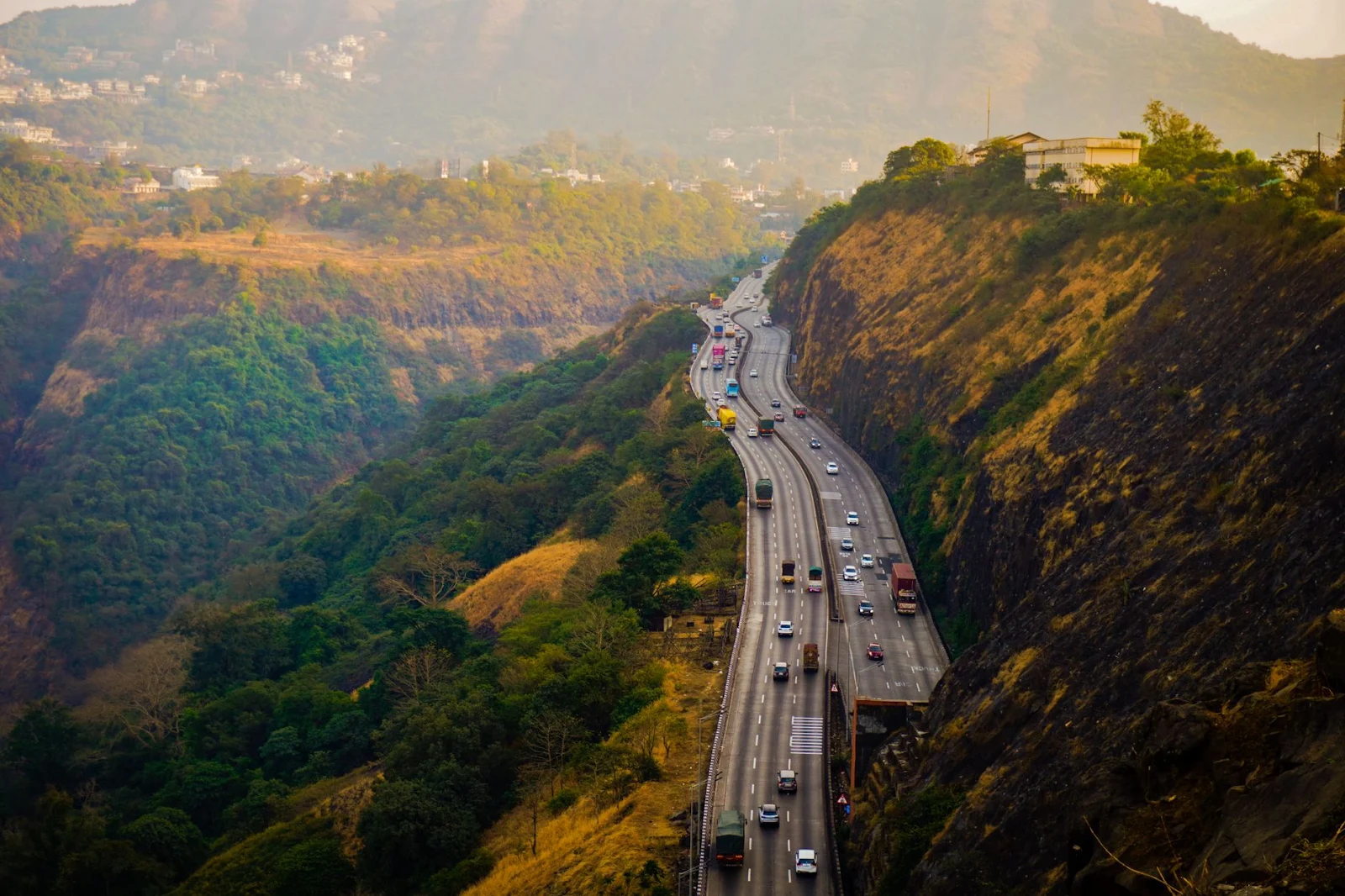
Overview & History
Perched gracefully at an altitude of nearly 1,150 meters above sea level in the Satpura hills, Toranmal is the second coolest hill station in Maharashtra after Matheran. The name 'Toranmal' is derived from 'Toran', a local flora species abundant in the area, and 'mal', meaning hill. Legend also links the name to Goddess Torana, whose shrine sits atop the plateau and remains a cherished place of worship for local tribes. Historically, Toranmal served as a cool retreat for regional rulers and has maintained its serene, uncommercialized charm through the decades.
Key Highlights & What to See
The centerpiece of Toranmal is Yashavant Lake, a sprawling natural water body that offers tranquil views and peaceful boat rides. Legend says King Yashavant built a retreat near this lake, and today its banks are perfect for long morning walks. A short distance away lies the mysterious Lotus Lake (Kamal Talao), which blooms with thousands of pink lotus flowers during and right after the monsoon season.
Nature enthusiasts must visit Sita Khai, a dramatic gorge offering breathtaking views of deep valleys, roaring waterfalls during monsoons, and echo points. Spiritually inclined travelers should pay homage at the ancient Gorakhnath Temple, where a massive annual fair takes place on Mahashivratri, bringing together thousands of devotees from across Maharashtra and Gujarat. For adventure seekers, trekking down to the secluded Machhindranath Cave offers an intriguing glimpse into ancient ascetic hermitages hidden high up in the cliffs.
Visitor Information
- Timings: Open 24 hours (Best visited between 6:00 AM and 6:00 PM for sightseeing)
- Entry Fee: No entry fee; nominal charges for boating at Yashavant Lake
- Best Time of Day: Early morning for sunrise and late afternoon for cool breezes
- Ideal Duration: 1 Full Day or an Overnight Stay
How to Get There
Toranmal is situated approximately 76 km from Nandurbar city center and about 55 km from Shahada. Regular Maharashtra State Transport (MSRTC) buses operate from Nandurbar and Shahada to Toranmal. Hiring a private taxi or driving up the winding ghat roads provides the most comfortable and scenic travel experience.
2. Prakasha (The Dakshin Kashi of Maharashtra)
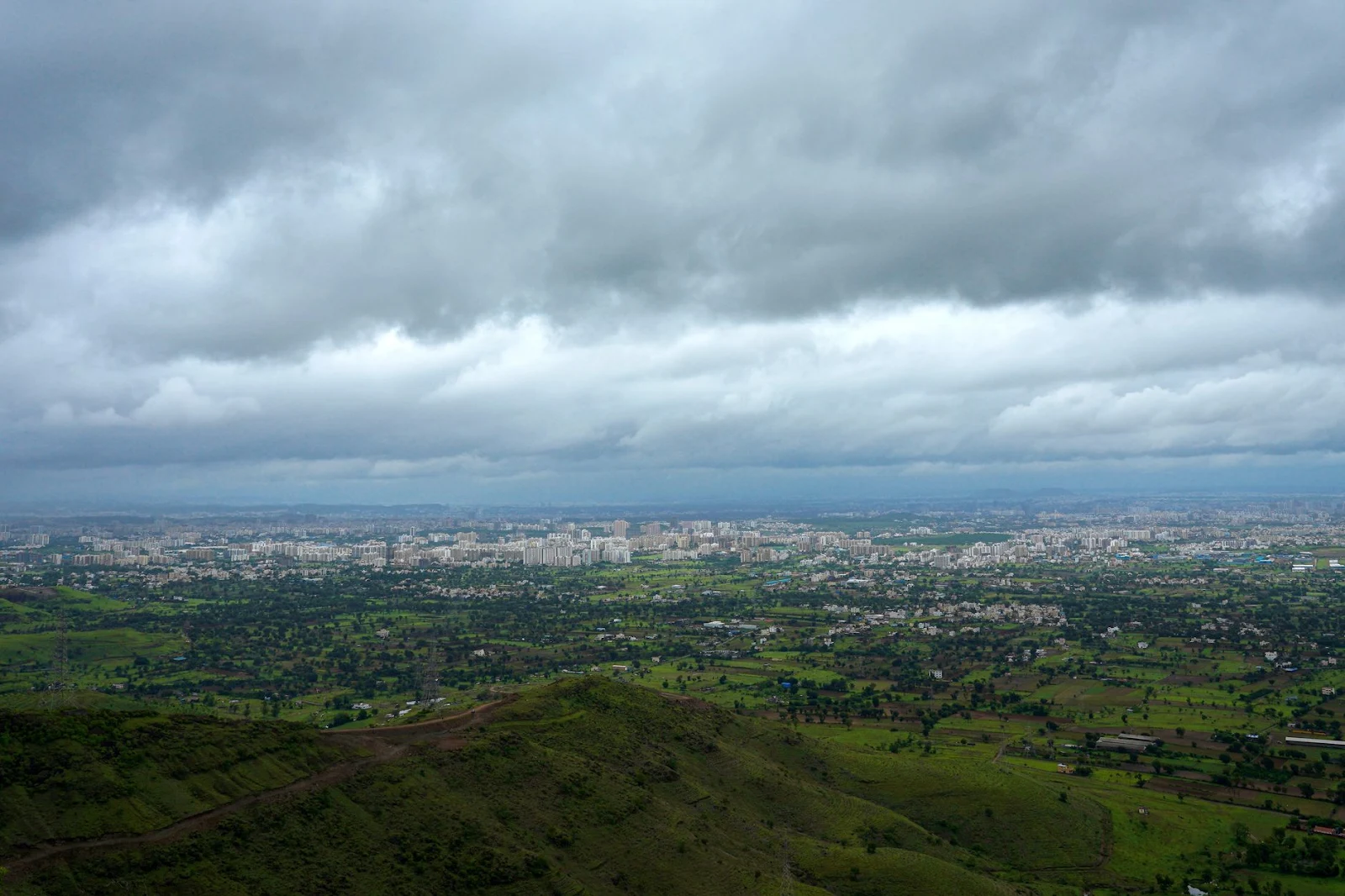
Overview & History
Located on the sacred banks of the Tapi River, Prakasha (often spelled Prakash) is a historic town renowned across western India as 'Dakshin Kashi' (Kashi of the South). Archaeological excavations at Prakasha have unearthed antiquities dating back to the Chalcolithic period (circa 1700 BC), establishing it as one of the oldest inhabited sites in northern Maharashtra. According to local religious traditions, a pilgrimage to Kashi in Uttar Pradesh is considered complete only after paying respects at Prakasha, giving this river town immense spiritual significance.
Key Highlights & What to See
Prakasha is home to an extraordinary concentration of ancient temples—over 108 shrines dedicated to Lord Shiva and other deities dot the riverbanks. The primary shrine is the Kedarneeshwar Temple, built with traditional stone architecture that reflects ancient Solanki and Hemadpanthi design influences. The temple complex comes alive during the morning and evening *aartis*, when bells echo across the gentle waters of the Tapi River.
Another prominent site is the Sangameshwar Temple, situated right at the confluence of the Tapi and Gomai rivers. Visiting the river ghats during sunset offers a soothing atmosphere as priests perform traditional rituals against the glowing evening sky. Exploring the narrow heritage lanes reveals century-old stone stepwells (*baolis*) and traditional wooden *wada* structures that showcase the region's rich architectural heritage.
Visitor Information
- Timings: 5:00 AM to 8:30 PM daily
- Entry Fee: Free
- Best Time of Day: Early morning for morning prayers or around sunset
- Ideal Duration: 2 to 3 hours
How to Get There
Prakasha is located roughly 25 km north of Nandurbar city and about 15 km from Shahada. It is easily accessible via state highways, with frequent buses and shared auto-rickshaws available from Nandurbar railway station and bus stand.
3. Unapdev Thermal Springs
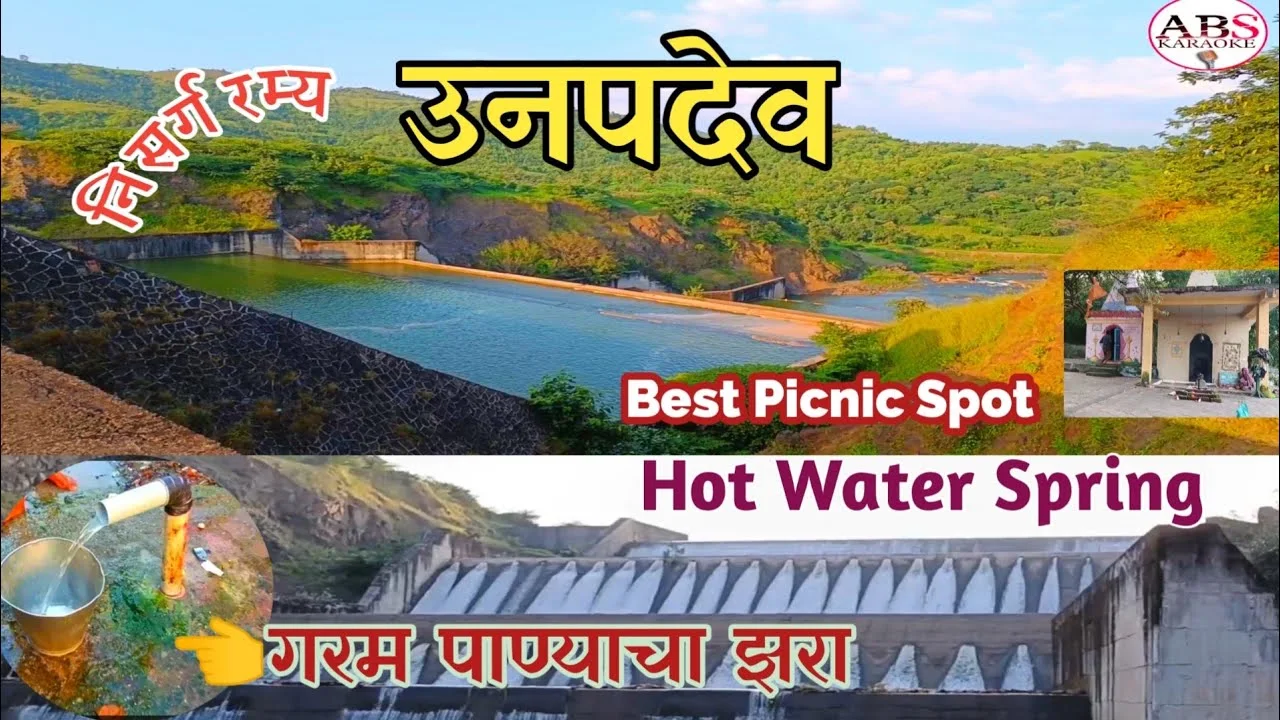
Overview & History
Situated at the tranquil foothills of the Satpura mountain range, Unapdev is famous for its natural hot water springs that flow continuously throughout the year. The name combines 'Unap' (warmth/hot water) and 'Dev' (God), reflecting the sacred status attributed to these thermal waters. According to local folklore, during Lord Rama’s exile (*Vanvas*), he shot an arrow into the earth to generate freshwater for the sage Sharbhang, giving rise to this thermal spring. Today, the water emerges naturally through a beautifully carved stone structure shaped like a cow's mouth (*Goumukh*).
Key Highlights & What to See
The primary highlight is the natural spring water, rich in sulfur and mineral salts. Locals and visitors believe bathing in these hot waters has therapeutic properties that help alleviate skin ailments and joint pain. A dedicated bathing tank (*kund*) is available for pilgrims and tourists looking to dip their feet or take a refreshing dip.
Surrounding the spring is a tranquil forested grove filled with neem, banyan, and teak trees, creating a cool microclimate despite the summer heat of the plains. Adjacent to the spring sits a small shrine dedicated to Lord Rama, where visitors offer prayers before relaxing in the peaceful park spaces nearby. It is an ideal spot for a relaxing family picnic amidst nature.
Visitor Information
- Timings: 6:00 AM to 7:00 PM
- Entry Fee: Free
- Best Time of Day: Morning hours when temperatures are pleasant
- Ideal Duration: 1 to 2 hours
How to Get There
Unapdev lies near Dara village, about 25 km from Shahada and approximately 45 km from Nandurbar city. Taxis, private vehicles, or local buses running along the Shahada-Shirpur route provide easy access to the site.
4. Asthamba Peak
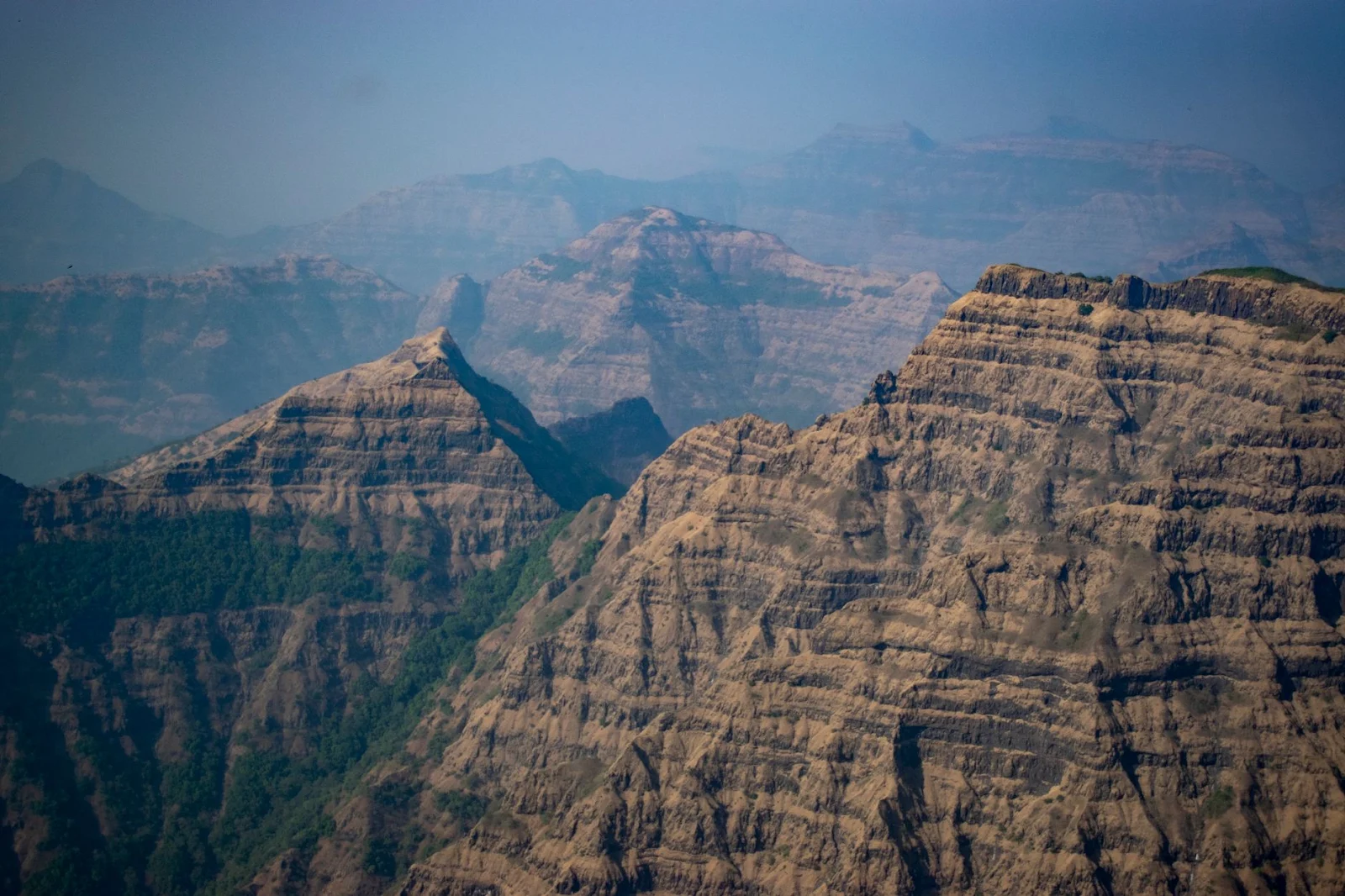
Overview & History
Rising prominently above the rugged terrain of the Satpura range, Asthamba Peak is one of the highest points in Nandurbar district. Deeply revered by local tribal communities—particularly the Bhil tribe—the mountain is associated with Ashwatthama, the legendary immortal warrior from the epic Mahabharata. Indigenous tradition holds that Ashwatthama spent centuries doing penance in these remote mountain caves. Every year during Diwali, thousands of tribal devotees from Maharashtra, Gujarat, and Madhya Pradesh undertake a barefoot pilgrimage up the peak, making it a powerful cultural hub.
Key Highlights & What to See
For trekkers and nature enthusiasts, Asthamba offers a thrilling off-the-beaten-path adventure. The trail winds through dense forest patches, rocky ridges, and open mountain meadows, offering dramatic 360-degree views of the Satpura valleys below. Reaching the summit rewards visitors with crisp mountain air and sweeping panoramas that stretch for miles.
If you visit during the post-monsoon or Diwali period, you will witness the vibrant Asthamba Yatra (fair). Tribal villagers assemble in traditional attire, performing folk songs, playing indigenous musical instruments, and offering rituals with deep respect for nature and ancient legends. It provides an authentic look into tribal customs that have remained unchanged for centuries.
Visitor Information
- Timings: Open daily; trekking recommended between 6:00 AM and 5:00 PM
- Entry Fee: Free
- Best Time of Day: Start early morning to avoid peak sun exposure during the climb
- Ideal Duration: 5 to 7 hours (including trekking up and down)
How to Get There
Asthamba Peak is located in the Akrani/Dhadgaon region, roughly 90 km from Nandurbar city. The base village for the trek can be reached via road from Dhadgaon or Toranmal. Hiring a local guide at the base village is highly recommended for route navigation and cultural insights.
5. Dhadgaon and Narmada Backwaters
Overview & History
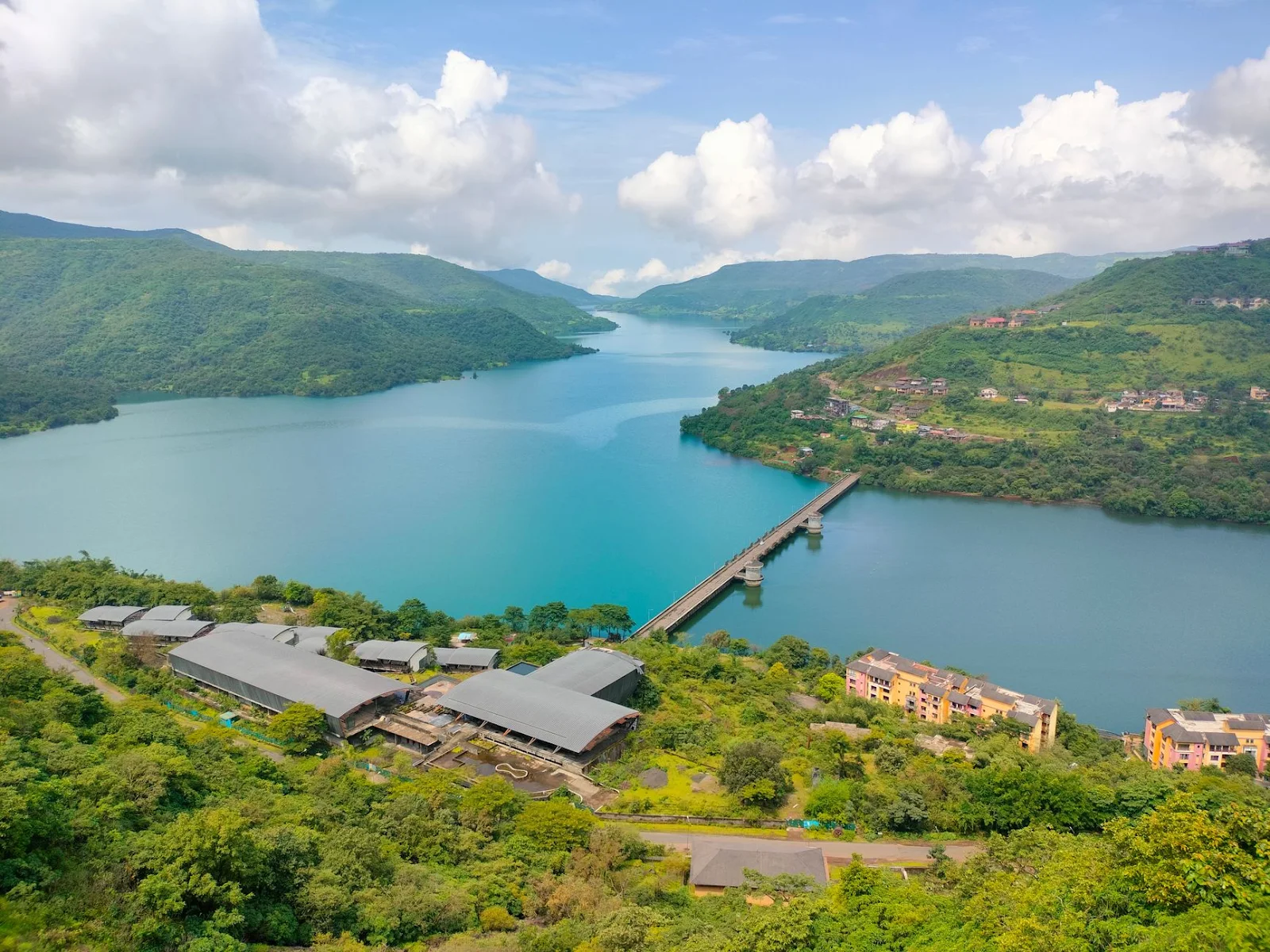
Located in the northern tip of Nandurbar district, Dhadgaon is a scenic sub-divisional town that serves as the gateway to the breathtaking Narmada River valley. Where the Narmada River borders Maharashtra and Gujarat, the backwaters of the Sardar Sarovar reservoir carve deep green valleys through the rugged mountains. This eco-rich belt is home to ancient forest ecosystems, traditional tribal villages like Kathi, and pristine water views that remain completely untouched by commercial tourism.
Key Highlights & What to See
The primary attraction in this region is the stunning view of the Narmada River backwaters. Vast stretches of calm turquoise water cut through high cliffs, creating scenery that resembles Scandinavian fjords right in northern Maharashtra. Local boatmen operate basic ferry services and eco-tours across the backwaters, allowing travelers to glide past steep forested cliffs and remote island hamlets.
Dhadgaon is also famous as the cultural capital of the Pawra and Bhil tribes. Nearby Kathi village is home to the historic Kathi Rajbari (royal estate), famous across India for hosting the traditional Kathi Holi festival. During this celebration, a massive bamboo tree over 70 feet tall is raised in the village square without mechanical aid, accompanied by tribal dances, traditional drumming, and vibrant community rituals.
Visitor Information
- Timings: Daytime exploration from 7:00 AM to 5:30 PM
- Entry Fee: Free; nominal fees apply for local boat rides
- Best Time of Day: Morning for boat rides and photography
- Ideal Duration: Half day to 1 Full Day
How to Get There
Dhadgaon lies about 90 km from Nandurbar city and around 30 km from Toranmal. The drive passes through scenic hill passes and rural forests via state transport buses or private vehicles. SUV vehicles are ideal due to terrain variations in remote pockets.
Best Time to Visit Nandurbar
Nandurbar experiences three distinct seasons: a hot summer, a lush monsoon, and a pleasant winter. Choosing the right month depends entirely on what kind of travel experience you seek:
- Winter (October to March) – BEST TIME: Winter is undeniably the ideal season to explore Nandurbar. Day temperatures hover comfortably between 18°C and 28°C, while evenings in Toranmal can drop to a chilly 10°C. This period is perfect for sightseeing, trekking Asthamba, temple visits at Prakasha, and boating at Yashavant Lake.
- Monsoon (July to September): Monsoon transforms the Satpura hills into a emerald paradise. Waterfalls cascade down Sita Khai gorge, lakes fill to the brim, and Lotus Lake blooms beautifully. While rain can occasionally cause travel delays along hill passes, monsoon is a haven for nature lovers and landscape photographers.
- Summer (April to June): Summers can be warm in the plains around Nandurbar city and Shahada, with temperatures reaching up to 40°C. However, Toranmal Hill Station remains noticeably cooler, serving as a peaceful summer refuge for regional travelers.
How to Reach Nandurbar
Nandurbar is well-connected to major cities across Maharashtra, Gujarat, and Madhya Pradesh via road and rail networks.
By Air
The nearest commercial airport is Surat Airport (STV) in Gujarat, located approximately 160 km away. Surat operates regular flights connecting major Indian metros including Mumbai, Delhi, Bengaluru, and Hyderabad. Alternatively, Shirdi Airport (approx. 210 km) and Indore Airport (approx. 240 km) offer good secondary connections. Taxis can be easily hired from any of these airports to reach Nandurbar.
By Train
Nandurbar Railway Station (NDB) is an important junction along the main Surat-Bhusaval railway line. It enjoys direct train connectivity to major cities such as Mumbai, Ahmedabad, Surat, Nagpur, Kolkata, and Howrah. Express and superfast trains make traveling to Nandurbar by train convenient and economical.
By Road
Nandurbar is smoothly linked by state highways to neighboring hubs like Dhule (90 km), Jalgaon (180 km), Nashik (210 km), and Surat (160 km). The Maharashtra State Road Transport Corporation (MSRTC) operates regular express and sleeper buses connecting Nandurbar to Mumbai, Pune, Nashik, and Aurangabad.
Local Food & Culinary Experiences in Nandurbar
Exploring Nandurbar is incomplete without indulging in its fiery, authentic Khandeshi cuisine along with unique tribal delicacies. Known for its generous use of roasted dry coconut, sesame seeds, and local red chillies, the food here is bold, aromatic, and deeply comforting.
- Khandeshi Shev Bhaji: The undisputed king of regional dishes, featuring crispy gram-flour noodles cooked in a spicy, dark, coconut-based gravy (*Kala Masala*). Served hot with Bajra Bhakri and raw onions.
- Rodge: A traditional Khandeshi festive delicacy similar to Rajasthan's Baati. Hard wheat dough balls are roasted over cow dung embers, soaked thoroughly in pure ghee, and paired with slow-cooked spicy brinjal curry or dal.
- Pithla Bhakri: A comforting staple made from seasoned chickpea flour paste cooked with garlic and green chillies, served alongside thick millet breads (*Bajra or Jowar Bhakri*) and freshly ground garlic chutney.
- Khandeshi Bharli Vangi: Baby brinjals stuffed with a flavorful mix of crushed peanuts, roasted coconut, garlic, and local spices, simmered into a rich gravy.
- Mahua Delicacies: In tribal belts near Dhadgaon, seasonal beverages and sweet fritters crafted from sweet Mahua flowers offer an authentic taste of local forest culture.
10 Practical Travel Tips for Nandurbar
- Book Toranmal Accommodation Early: Toranmal has limited hotels and MTDC resorts. Secure your room reservations well in advance, especially for weekends or holidays.
- Carry Sufficient Cash: Digital payments work in Nandurbar city, but network connectivity and card machines are scarce in remote locations like Asthamba, Unapdev, and Dhadgaon.
- Hire a Local Guide for Treks: When scaling Asthamba Peak or exploring Machhindranath Cave, taking a local guide ensures safety and enriches your trip with local folklore.
- Dress Respectfully at Religious Sites: Prakasha and Unapdev are sacred spots. Dress modestly, taking off shoes before stepping into temple premises or holy spring areas.
- Prepare for Hill Drives: The ghata roads leading up to Toranmal feature sharp hairpin bends. Drive carefully, keep to your lane, and ensure your vehicle’s brakes and tires are in good condition.
- Pack Warm Layers for Toranmal Nights: Even during summer evenings, temperatures in Toranmal drop significantly. Pack light woolens or a jacket regardless of the season.
- Carry Essential Medications: Remote tourist spots have limited pharmacies. Pack a basic travel medical kit with motion sickness tablets, antiseptics, and personal medicines.
- Respect Tribal Culture: When visiting villages around Kathi or Dhadgaon, ask for permission before photographing local villagers, especially elders or sacred ritual shrines.
- Plan Around Festival Dates: If possible, align your visit with Mahashivratri (for the Toranmal Fair) or Holi (to experience the iconic Kathi Rajbari Holi celebrations).
- Stay Hydrated: Keep bottled drinking water handy during afternoon trips to Prakasha or thermal spring excursions at Unapdev.
Suggested 2-Day Nandurbar Itinerary
Day 1: Spiritual Heritage & Scenic Hill Escapes
- Morning (8:00 AM – 11:30 AM): Begin your day early at Prakasha. Visit the ancient Kedarneeshwar and Sangameshwar temples along the Tapi River, soak in the quiet morning atmosphere, and enjoy an authentic Maharashtrian breakfast of Poha and Misal.
- Midday (12:00 PM – 2:00 PM): Drive towards Unapdev Thermal Springs near Shahada. Take a relaxing walk around the natural hot springs and enjoy lunch at a local restaurant featuring Khandeshi Shev Bhaji and Bhakri.
- Afternoon & Evening (3:00 PM – 7:00 PM): Ascend the winding ghata roads to Toranmal Hill Station. Spend your late afternoon strolling around Yashavant Lake, taking a boat ride, and watching a breathtaking sunset from Sita Khai gorge view point. Overnight stay at Toranmal.
Day 2: Offbeat Mountain Treks & River Backwaters
- Morning (6:30 AM – 11:00 AM): Wake up early to catch the sunrise over Lotus Lake. After breakfast, head towards Dhadgaon and drive down to view the magnificent Narmada River Backwaters near Kathi. Enjoy a tranquil morning boat ride through the mountain gorges.
- Afternoon (12:00 PM – 3:30 PM): Explore the cultural heritage of Kathi village, learn about the famous Kathi Rajbari, and sample local tribal snacks. Alternatively, fit in a partial day trek around the foothills of Asthamba Peak.
- Evening (4:30 PM – 7:00 PM): Head back down to Nandurbar city market. Shop for local organic tribal produce, handicrafts, and fresh spices before departing for your onward journey.
Frequently Asked Questions (FAQs)
1. Is Nandurbar safe for solo travelers and families?
Yes, Nandurbar is a safe, friendly destination for solo travelers and families alike. The local residents and tribal communities are warm and helpful towards visitors. Standard safety precautions should be followed, especially while driving at night on winding mountain passes.
2. How many days are needed to explore Nandurbar properly?
A 2-day to 3-day itinerary is ideal for exploring Nandurbar's main attractions, including Toranmal, Prakasha, Unapdev, and the Narmada backwaters, without feeling rushed.
3. What is unique about the Kathi Holi in Nandurbar?
Kathi Holi is a legendary centuries-old tribal festival held at Kathi village near Dhadgaon. Local villagers erect a massive single-bamboo pole (often over 70 feet tall) brought from deep forests without modern machinery, accompanied by traditional folk dances and royal tribal customs.
4. Are there good accommodation options in Toranmal?
Toranmal offers modest, comfortable lodging options including the MTDC (Maharashtra Tourism Development Corporation) resort, private budget guest houses, and forest rest houses. While luxury stays are not available, facilities are clean and basic.
5. Can we swim in the Unapdev Hot Water Springs?
Visitors can dip their feet and hands in designated areas of the hot springs or use public bathing tanks (*kunds*). However, deep swimming in the primary spring source is restricted to preserve the site's sanctity and cleanliness.
6. What is the distance between Nandurbar city and Toranmal Hill Station?
Toranmal Hill Station is located approximately 76 kilometers from Nandurbar city, and the road journey usually takes around 2 to 2.5 hours by car or bus.
7. What items can I buy as souvenirs in Nandurbar?
Popular local items include handmade tribal handicrafts, traditional wooden toys, authentic Khandeshi spices (like Kala Masala), organic forest honey, and Mahua-based traditional products.
8. Do mobile network connections work across all tourist spots in Nandurbar?
Mobile connectivity (BSNL, Jio, Airtel) is reliable in major towns like Nandurbar city, Shahada, and Prakasha. However, signal strength can drop significantly in remote areas such as parts of Toranmal, Asthamba peak trails, and deep backwater valleys near Dhadgaon.
Conclusion
Nandurbar is a true haven for travelers seeking pristine nature, rich heritage, and authentic cultural encounters away from commercialized tourist centers. From the cool mountain breezes and serene waters of Toranmal to the ancient stone ghats of Prakasha, every corner of this northern Maharashtrian district has a fascinating story to tell. Whether you come to dip your feet in sacred thermal springs, marvel at high mountain vistas, or discover the living traditions of its indigenous tribes, Nandurbar promises an enriching travel experience that lingers long after your journey ends. Pack your bags, venture off the beaten path, and discover Maharashtra’s vibrant northern secret for yourself!



0 Comments