
Top 5 Places to Visit in Haridwar, Uttarakhand: The Ultimate Gateway to Spiritual Bliss
Welcome, fellow wanderers and spiritual seekers, to one of the oldest living cities in the world! Nestled in the foothills of the Himalayas where the mighty Ganges River descends into the Indo-Gangetic plains, Haridwar holds a deeply revered spot in the hearts of millions. As a passionate travel blogger who has explored the length and breadth of incredible India, I can tell you that few places evoke such an intense rush of devotion, culture, and sensory awakening as Haridwar. Often translated as the "Gateway to God" (Hari ka Dwar), this holy town serves as the starting point for the sacred Chota Char Dham pilgrimage. But beyond its profound religious significance, Haridwar is a vibrant canvas painted with bustling bazaars, echoing temple bells, glowing floating lamps, and the timeless flow of mother Ganga.
Whether you are planning a weekend spiritual retreat from Delhi, a family holiday packed with cultural exploration, or a soul-searching solo journey, finding the right spots to visit is essential. Planning your itinerary efficiently can make all the difference in soaking up the divine energy without getting overwhelmed by the crowds. In this comprehensive guide, we are going to explore the top tourist places in Haridwar, uncover the best times to visit, dive into mouthwatering local street food, and provide you with a meticulously planned 2-day itinerary. Pack your bags, keep an open heart, and let us dive into the magic of the best places to visit in Haridwar, Uttarakhand!
Table of Contents
- 1. Har Ki Pauri
- 2. Mansa Devi Temple
- 3. Chandi Devi Temple
- 4. Daksha Mahadev Temple
- 5. Shanti Kunj Ashram
- Best Time to Visit Haridwar
- How to Reach Haridwar
- Local Food & Culinary Delights
- Essential Travel Tips
- Suggested 2-Day Itinerary
- Frequently Asked Questions (FAQs)
- Conclusion
1. Har Ki Pauri
Overview
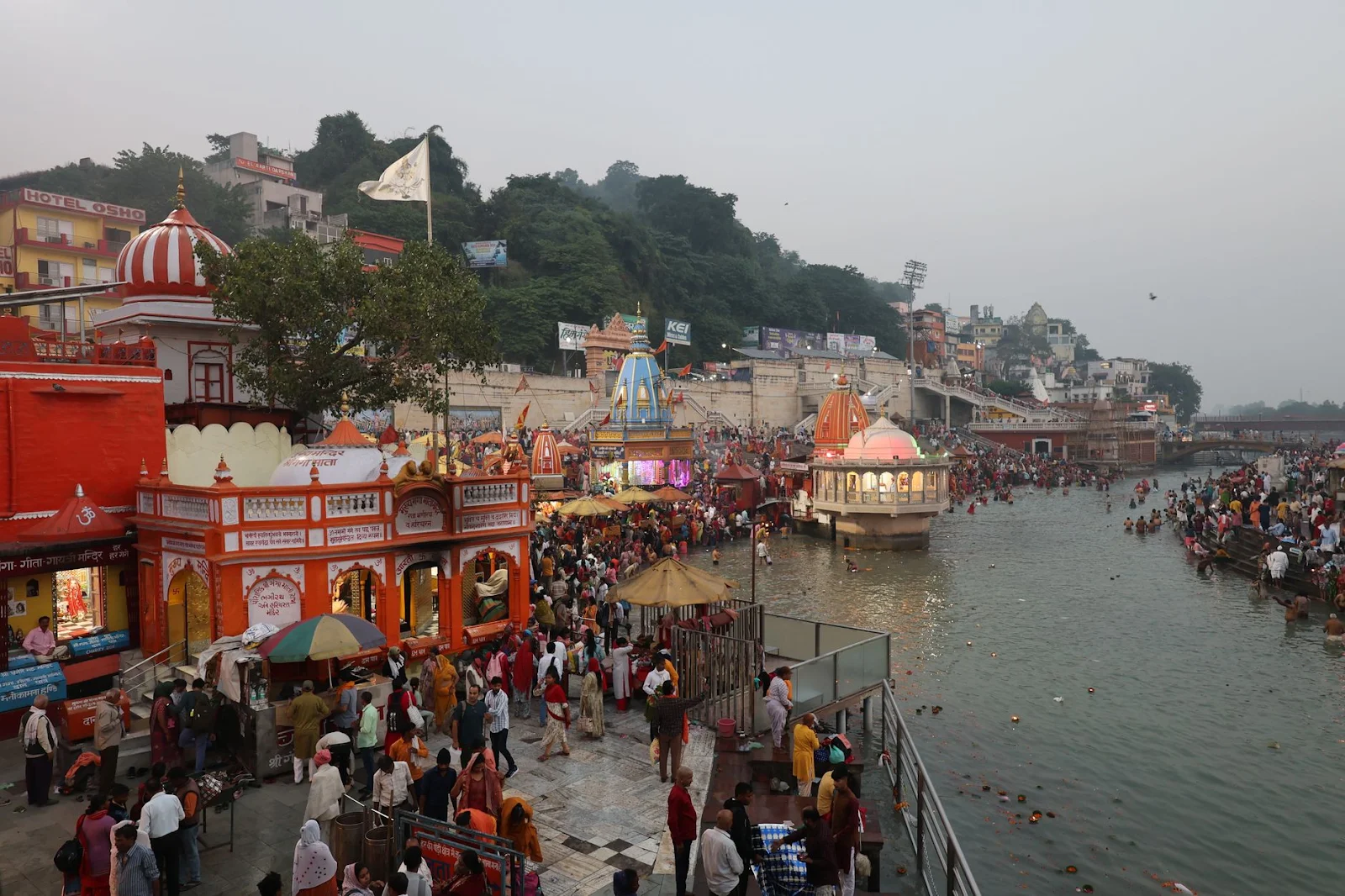
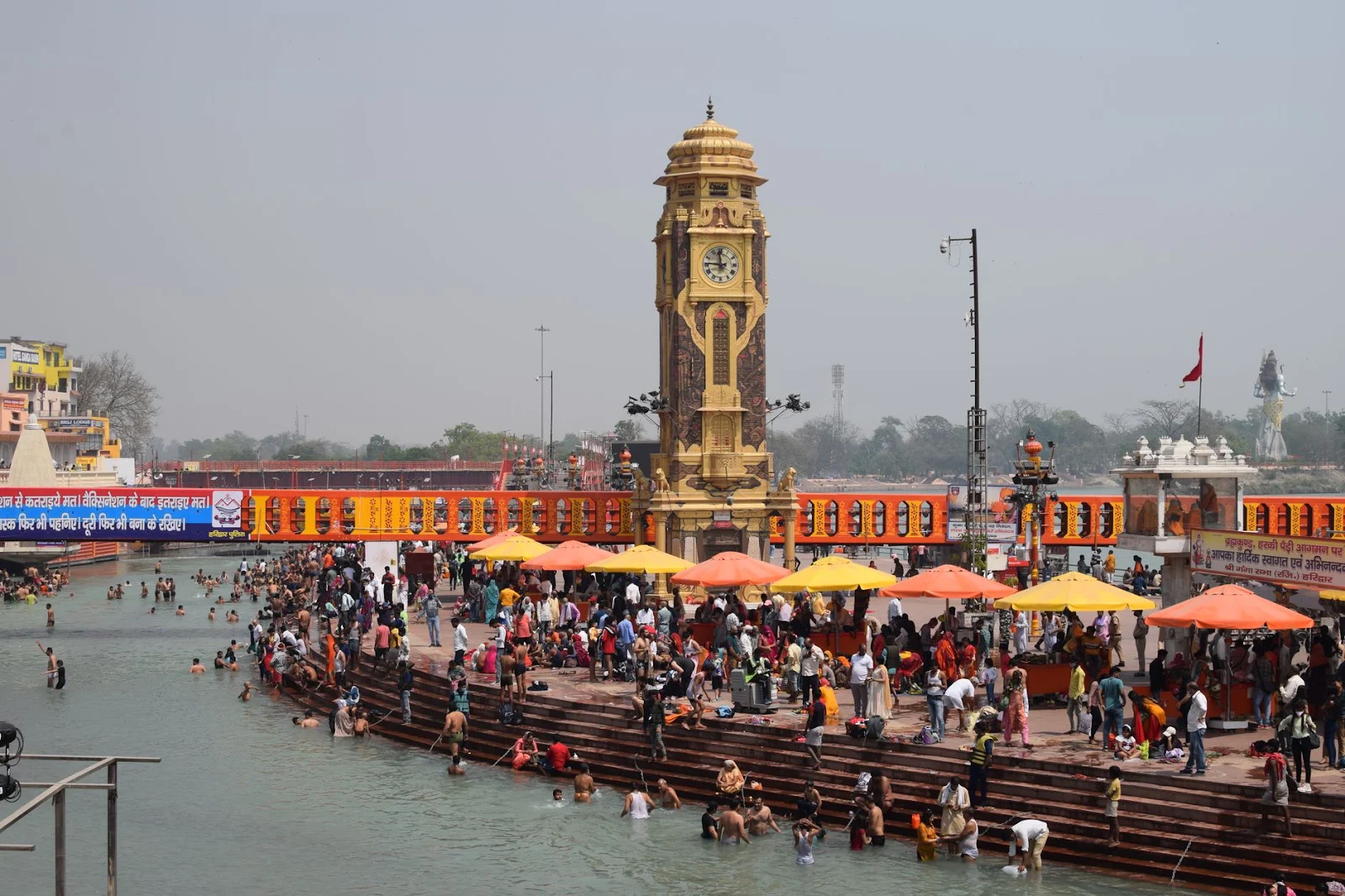
No trip to Haridwar is complete without visiting Har Ki Pauri, the beating spiritual heart of the city. This sacred ghat on the banks of the Ganges is believed to be the exact spot where Lord Vishnu left his footprint in stone. The term "Har Ki Pauri" translates literally to "feet of the Lord." Every evening, thousands of pilgrims and travelers gather here to witness the mesmerizing Ganga Aarti, a grand ritual of light, fire, and synchronized chanting that leaves an unforgettable impression on your soul.
Things to Do
- Take a holy dip in the sacred waters of the Ganges at the Brahmakund, which is believed to wash away all sins.
- Participate in or witness the breathtaking evening Ganga Aarti, complete with floating leaf-boats laden with marigolds and oil lamps.
- Sit quietly on the stone steps of the ghats and watch the mesmerizing flow of the river and the evening rituals.
- Shop for traditional religious souvenirs, brass idols, and prayer beads from the bustling market lanes right outside the ghat.
Pro Tips
Keep a tight grip on your belongings and footwear, as the area can get extremely crowded during peak evening hours. Arrive at least an hour before the Aarti begins to secure a good viewing spot on the steps.
2. Mansa Devi Temple
Overview>
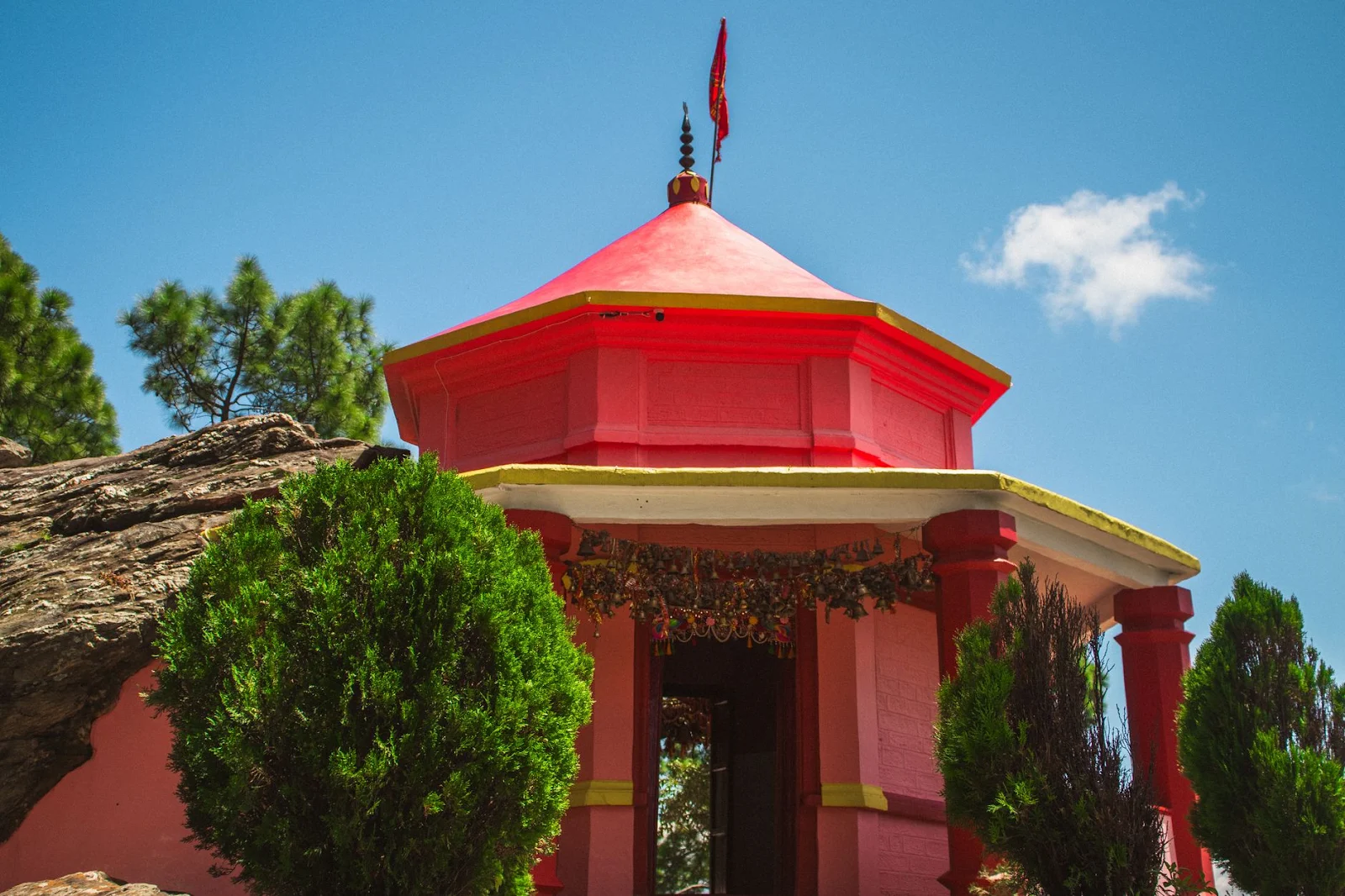
Perched atop the Bilwa Parvat on the Shivalik Hills, the Mansa Devi Temple is one of the most revered Siddh Peethas in North India. Dedicated to Goddess Mansa, a form of Shakti who is believed to fulfill the sincere wishes of her devotees, this temple offers both divine grace and panoramic views of Haridwar city and the winding Ganges River below. You can either trek up the hill via a well-paved walkway or take the exhilarating ropeway ride, locally known as the Mansa Devi Udankhatola.
Things to Do
- Tie a sacred holy thread around the branches of an ancient tree within the temple courtyard to make a wish, and promise to return to untie it once your wish is granted.
- Enjoy breathtaking, bird's-eye aerial views of Haridwar and the sprawling plains from the hilltop viewing decks.
- Take the ropeway ride for a thrilling experience and mesmerizing landscape views during the ascent.
- Offer prayers and coconuts to the principal deity at the sanctum sanctorum.
Pro Tips
Beware of the mischievous local langurs (monkeys) around the temple premises; avoid carrying open food packets or shiny objects in your hands.
3. Chandi Devi Temple
Overview
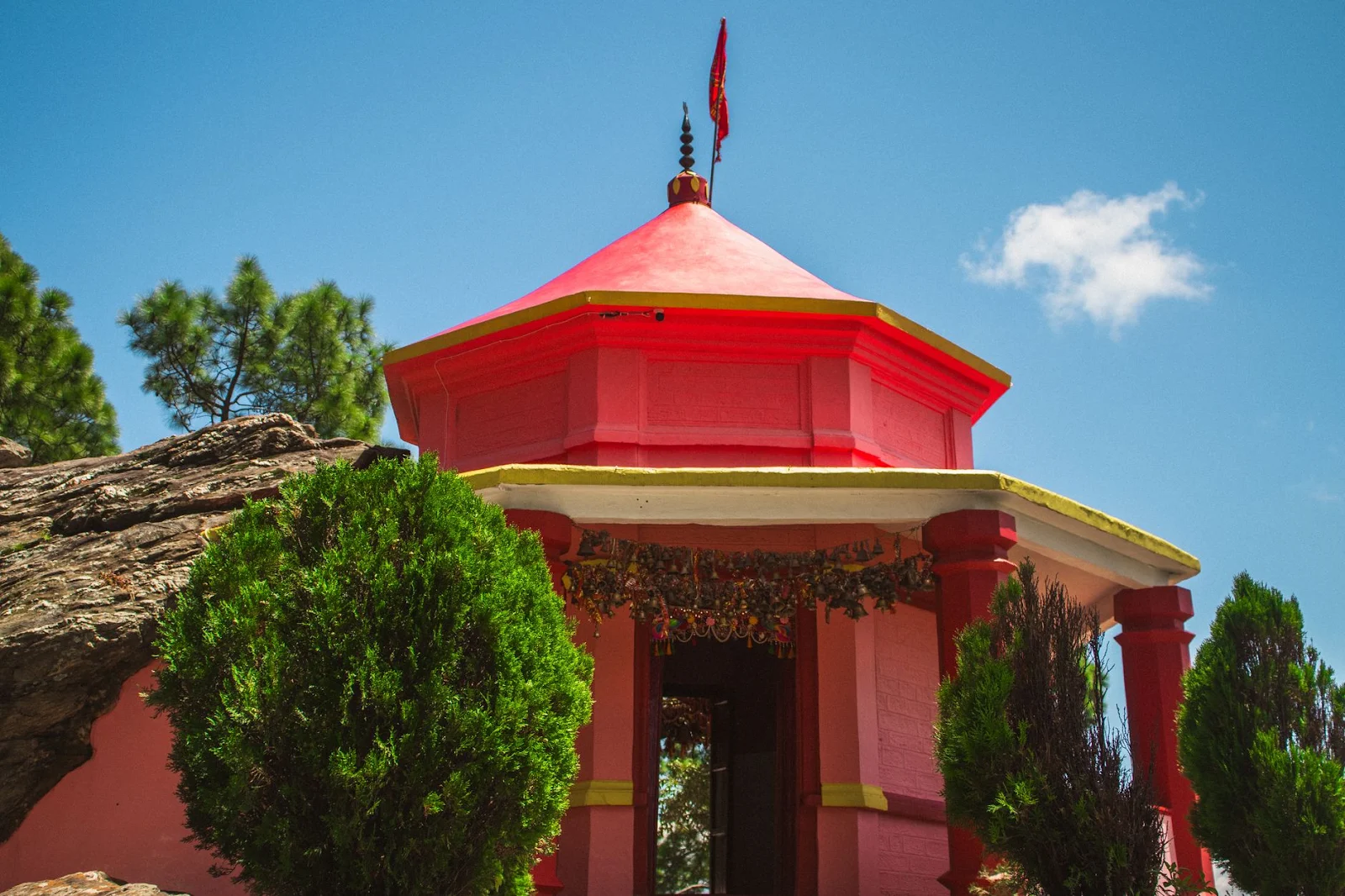
Situated on the summit of the Neel Parvat of the Shivalik Hills, the Chandi Devi Temple completes the revered Siddh triangle of Haridwar (along with Mansa Devi and Maya Devi). Built in 1929 by the King of Kashmir, this majestic temple is dedicated to Goddess Chandi, an aggressive and fierce form of Goddess Durga who vanquished the wicked demons Chanda and Munda. The temple holds immense historical and mythological importance and draws spiritual seekers from across the globe.
Things to Do
- Embark on a scenic 3-kilometer trek through the forested hills if you love nature and adventure, or opt for the Chandi Devi ropeway.
- Explore the nearby Anjana Devi Temple, located just a short walk further up the hill.
- Soak in the tranquil, divine atmosphere and enjoy the cool mountain breeze away from the bustling city center.
- Capture stunning photographs of the surrounding valleys and the distant Ganga river basin.
Pro Tips
If you prefer walking, start your trek early in the morning before the afternoon sun gets intense. Wear comfortable walking shoes with good grip.
4. Daksha Mahadev Temple
Overview
Located in the ancient town of Kankhal, just a few kilometers from the main city of Haridwar, the Daksha Mahadev Temple is steeped in Hindu mythology. Named after King Daksha Prajapati (father of Goddess Sati), this temple marks the legendary site where Daksha conducted a grand yagna (fire ritual) and insulted Lord Shiva, leading to Sati self-immolating in the sacrificial fire and the subsequent wrath of Virabhadra. This historic temple is a peaceful architectural marvel that transports you back to ancient times.
Things to Do
- Pay your respects at the sacred yagna kund, which is believed to be the exact spot of the historical mythological sacrifice.
- Take a holy bath at the Daksheswar Ghat situated on the banks of a peaceful channel of the Ganges right next to the temple.
- Admire the intricate carvings, ancient statues, and the serene ambiance of Kankhal.
- Visit during the festival of Maha Shivaratri when the temple comes alive with massive celebrations and night-long prayers.
Pro Tips
Kankhal is much less crowded than central Haridwar, making it an ideal spot for quiet reflection, photography, and peaceful exploration.
5. Shanti Kunj Ashram
Overview
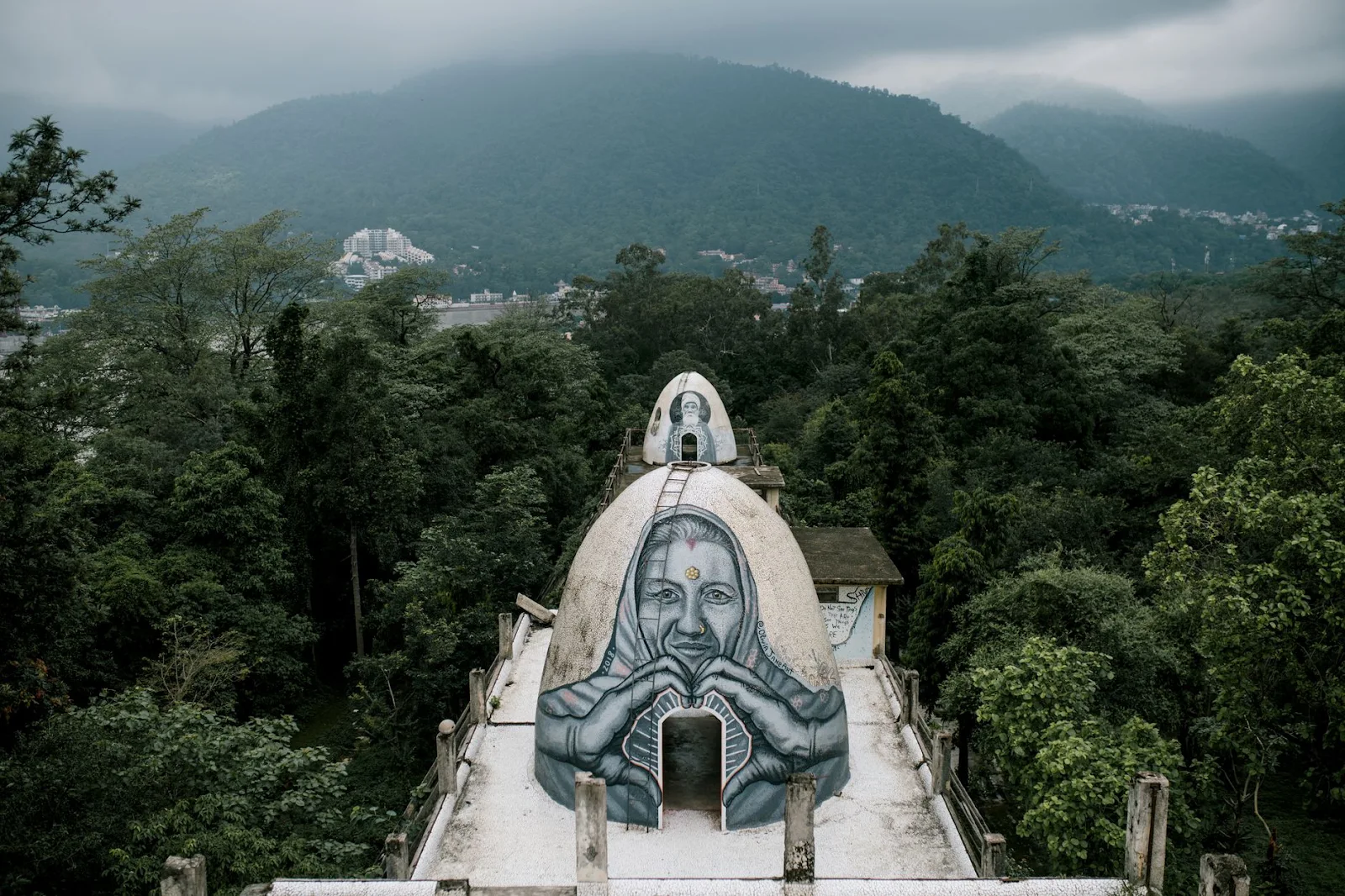
For travelers seeking spiritual rejuvenation, meditation, and a deeper understanding of Indian culture and philosophy, Shanti Kunj Ashram is a must-visit destination. Founded in 1971 by Pt. Shriram Sharma Acharya, this world-renowned headquarters of the All World Gayatri Pariwar functions as a spiritual academy. Spread across lush, manicured green lawns, the ashram promotes moral, ethical, and spiritual awakening through ancient Vedic wisdom, yoga, and selfless service.
Things to Do
- Participate in daily morning and evening yagnas and spiritual discourses held at the sprawling prayer halls.
- Explore the vast spiritual library containing thousands of books on Indian philosophy, Ayurveda, and alternative living.
- Walk through the serene herbal gardens and meditation zones that exude profound peace.
- Partake in the simple, wholesome, and delicious vegetarian meals served at the community mess (bhojanalaya).
Pro Tips
Modest, traditional attire is strictly required inside the ashram premises. Visitors are expected to maintain silence and respect the disciplined daily routine of the resident scholars and seekers.
Best Time to Visit Haridwar
Haridwar is a year-round destination, but the experience varies drastically depending on the season you choose:
- Winter (October to March): This is widely considered the best time to visit Haridwar. The weather is pleasant and cool, with daytime temperatures hovering around 15°C to 25°C, making it ideal for sightseeing, temple hopping, and attending the evening Aarti without getting exhausted by the heat. However, winter nights can get quite chilly, so pack warm woolen layers.
- Summer (April to June): Summers can be quite hot, with temperatures often crossing 40°C during peak afternoons. While sightseeing during the day can be tiring, evenings by the cool breeze of the Ganges offer great relief. It is also the peak vacation season for domestic tourists.
- Monsoon (July to September): Monsoon brings moderate to heavy rainfall, transforming the surrounding hills into lush green paradises. While the river flow is at its peak and the landscape is breathtaking, outdoor movement can occasionally be restricted due to heavy downpours. It is a great time for travelers seeking solitude and off-season budget deals.
How to Reach Haridwar
Haridwar enjoys excellent connectivity with major cities across India via road, rail, and air:
- By Air: The nearest domestic airport is Jolly Grant Airport in Dehradun, located approximately 35 kilometers away from Haridwar. Taxis and regular buses are easily available outside the airport to take you directly to Haridwar within an hour.
- By Train: Haridwar Junction (HW) is a major railway station well-connected to Delhi, Mumbai, Kolkata, Varanasi, Dehradun, and other key Indian cities. Numerous direct trains, including the Shatabdi Express, run daily from New Delhi to Haridwar.
- By Road: Haridwar is connected by an extensive network of national highways (NH 334). Regular luxury and state-run buses operate frequently from Delhi (ISBT Kashmere Gate), Meerut, Dehradun, and Rishikesh. Self-driving from Delhi via the newly expanded Delhi-Dehradun expressway takes around 4 to 5 hours.
Local Food & Culinary Delights
No travel experience is complete without indulging in the local culinary traditions. Haridwar is strictly a vegetarian city by law, and alcohol is prohibited. The local street food is bursting with authentic North Indian flavors:
- Aloo Puri at Motichur / Chotiwala: Fluffy, piping-hot pooris served with spicy potato curry and tangy pickle make for an iconic breakfast across Haridwar's old markets.
- Kachori and Jalebi: Crispy, dal-stuffed kachoris served with spicy aloo gravy, paired with freshly fried, sugar-dripping hot jalebis.
- Rabri and Malpua: Rich, condensed-milk rabri served alongside syrupy sweet malpuas—a dessert lover's ultimate dream in the chilly winter evenings.
- Chuski and Lassi: Creamy, malai-topped sweet lassi served in traditional Kulhads (clay cups) to beat the afternoon heat.
Essential Travel Tips
- Always remove your shoes before entering temples, ghats, and sacred ashram complexes.
- Dress modestly, keeping shoulders and knees covered, out of respect for local religious customs.
- Exercise caution while taking a holy dip in the Ganges, as the undercurrents at Har Ki Pauri can be surprisingly strong. Stick to designated chained bathing zones.
- Beware of fraudulent priests or pandas demanding excessive donations or ritual fees. Give only according to your own free will.
- Carry cash in small denominations, as many local vendors, auto-rickshaws, and small eateries do not accept digital payments.
- Respect the local environment: avoid throwing plastic bottles or garbage into or near the holy river.
- Book your hotels well in advance if you are visiting during major festivals like Maha Shivaratri, Kumbh Mela, or auspicious weekend dates.
- Beware of aggressive monkeys around temple stairs and Ghats; keep food items safely tucked inside backpacks.
- Drink only bottled mineral water or boiled water to avoid falling sick during your trip.
- Hire authorized registered guides if you wish to understand the deep historical and mythological background of the ancient temples.
Suggested 2-Day Itinerary
Here is a well-balanced 2-day itinerary to help you make the most of your trip to Haridwar:
Day 1: Divine Beginnings and Ghat Explorations
- Morning: Arrive in Haridwar, check into your hotel, and freshen up. Head straight to the sacred Har Ki Pauri for a refreshing holy dip in the Ganges.
- Afternoon: Savor a traditional North Indian thali or street-side Aloo Puri breakfast in the local market. Visit the ancient Daksha Mahadev Temple in Kankhal to soak in the mythological history.
- Evening: Return to Har Ki Pauri by 5:00 PM to secure a prime viewing spot for the world-famous, soul-stirring Ganga Aarti. Enjoy dinner at a local rooftop restaurant overlooking the river.
Day 2: Hilltop Temples and Spiritual Ashram Life
- Morning: Take an early morning ropeway ride up the Shivalik Hills to visit the Mansa Devi Temple. Afterward, proceed to the nearby Chandi Devi Temple.
- Afternoon: Head to Shanti Kunj Ashram for a peaceful afternoon walk, explore their spiritual library, and enjoy a wholesome, community-cooked vegetarian meal.
- Evening: Stroll through the bustling Moti Bazar and Bara Bazar to shop for authentic Rudraksha beads, Ayurvedic medicines, and local sweets before departing for your onward journey.
Frequently Asked Questions (FAQs)
-
Q: Is non-vegetarian food and alcohol allowed in Haridwar?
A: No. By municipal and religious law, Haridwar is a holy city where the sale and consumption of non-vegetarian food and alcohol are strictly prohibited. -
Q: What is the best time to witness the Ganga Aarti at Har Ki Pauri?
A: The Ganga Aarti takes place every single day at sunrise and sunset. The timings change slightly depending on the season, usually around 5:30 PM to 6:30 PM in winter and 6:30 PM to 7:30 PM in summer. -
Q: How can one reach Mansa Devi and Chandi Devi temples?
A: Both temples can be reached either by trekking up well-maintained staircases/pathways or by taking the convenient ropeway (Udankhatola) services. -
Q: Is it safe to bathe in the Ganges at Har Ki Pauri?
A: Yes, it is safe as long as you stay within the designated shallow zones enclosed by iron chains where lifeguards are stationed. The current can be fast, so caution is advised. -
Q: How many days are enough to explore Haridwar?
A: A duration of 2 days is ideal to comfortably cover all major temples, ghats, ashrams, and experience the evening aarti without rushing. -
Q: What are the famous things to buy in Haridwar shopping markets?
A: Rudraksha beads, brass puja utensils, stone and wooden temple idols, Ayurvedic herbal medicines, Ganga jal containers, and traditional sweets are popular buys. -
Q: Is Haridwar safe for solo and female travelers?
A: Yes, Haridwar is generally a very safe, peaceful pilgrim town with warm locals. Standard safety precautions should, however, be practiced in crowded markets. -
Q: How far is Rishikesh from Haridwar?
A: Rishikesh is located approximately 20 kilometers away from Haridwar and can be easily reached within 45 minutes by taxi, auto-rickshaw, or state bus.
Conclusion
Haridwar is not merely a destination on a map; it is an emotion, a spiritual awakening, and a bridge connecting human consciousness to timeless traditions. From the mesmerizing flickering oil lamps floating on the gentle waves of the Ganges at Har Ki Pauri to the quiet meditative energy of Shanti Kunj and the soaring hilltop views from Mansa Devi, every single corner of this holy town tells a story of faith and devotion. Whether you are seeking divine blessings, cultural immersion, or simply a peaceful weekend getaway from the chaos of modern city life, Haridwar welcomes everyone with open arms. Plan your journey using this ultimate guide, respect local traditions, and let the timeless charm of the Ganga wash away your worries. Happy travels!



0 Comments