
Explore South West Garo Hills: Top 5 Must‑Visit Spots
South West Garo Hills in the verdant state of Meghalaya is a hidden treasure for travelers seeking untouched nature, vibrant tribal culture, and adrenaline‑pumping adventure. While the region is still off the mainstream radar, it boasts an impressive lineup of attractions that rival the more famous destinations of Northeast India. In this guide we dive deep into the five places that should sit at the top of every itinerary, offering practical tips, must‑see highlights, and insider insights.
1. Balpakram National Park – The “Land of Eternal Mist”
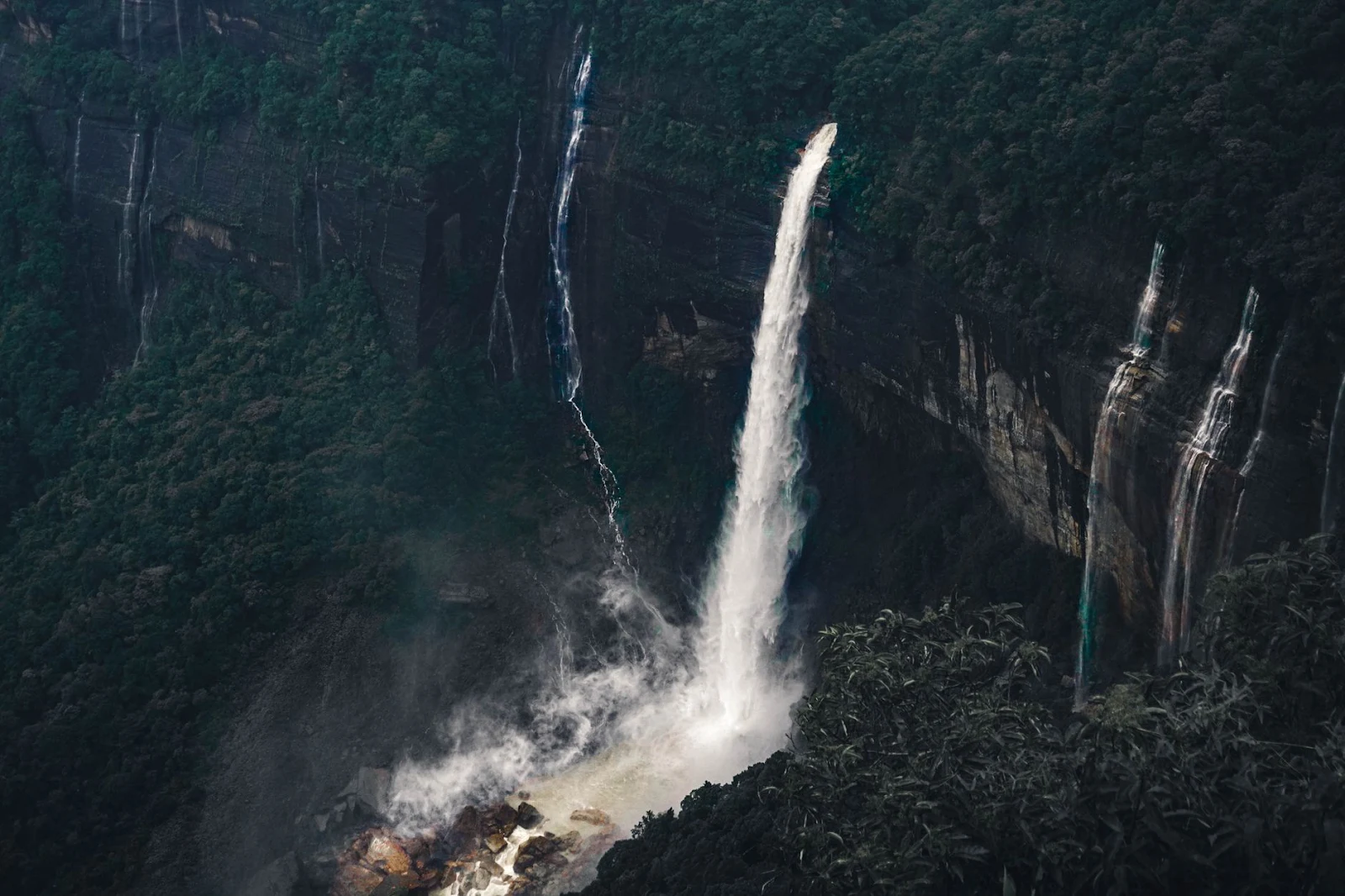
Why Balpakram Stands Out
Often described as the “Valley of Spirits,” Balpakram National Park is a sprawling protected area covering over 220 sq km of rolling hills, deep gorges, and mist‑cloaked forests. Its unique geology creates a series of natural terraces that appear to float above the clouds, giving the park an ethereal atmosphere.
Key Attractions
- Balpakram Waterfall – a 30‑meter cascade that plunges into a crystal‑clear pool, perfect for a refreshing dip.
- Rare wildlife such as the Hoolock Gibbon, clouded leopard, and the endangered red panda.
- Traditional Garo villages where you can witness authentic dances and hear folklore passed down through generations.
- Panoramic viewpoints like Chongri Hill offering 360‑degree vistas of the surrounding valleys.
Practical Tips
- Best time to visit: October – April, when the mist is most dramatic and trails are dry.
- Getting there: From Tura, hire a local jeep (approx. 45 km) or join an organized trek group.
- Permits: A simple entry permit can be obtained at the park office; no advanced booking required.
- Stay: Eco‑lodges in nearby villages provide basic amenities and a chance to experience Garo hospitality.
2. Nongkhrem Forest – A Green Labyrinth of Biodiversity
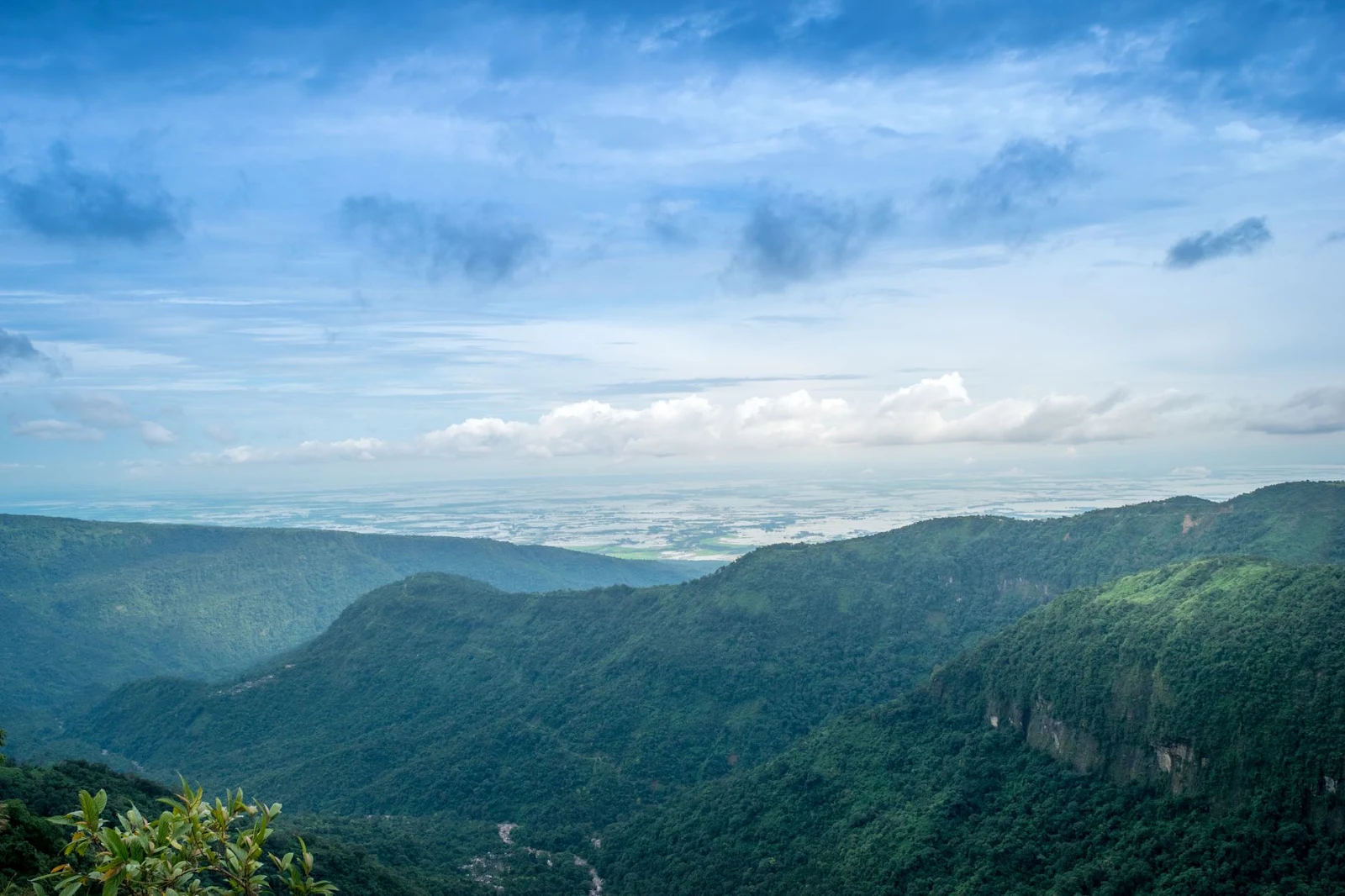
What Makes Nongkhrem Special
Located just 30 km south of Tura, Nongkhrem Forest is a dense, low‑land rainforest that houses over 300 species of flora, many of which are endemic to the region. The forest’s thick canopy creates a cool micro‑climate ideal for bird‑watching and botanical studies.
Highlights for Visitors
- Birdwatching: Spot the rare White‑browed Bush Chat and the vibrant Great Hornbill.
- Medicinal plants: Guided tours reveal herbs used by Garo healers for generations.
- Adventure trails: Two marked routes – a 5‑km easy loop and a challenging 12‑km trek leading to a hidden limestone cave.
- Community interaction: Participate in a traditional bamboo‑craft workshop with local artisans.
Visitor Essentials
- Gear: Waterproof boots, a rain jacket, and a good pair of binoculars.
- Guides: Hire a certified local guide; their knowledge of plant species and safe routes is invaluable.
- Conservation: Stick to marked trails and avoid picking flora to preserve the ecosystem.
3. Tura City Heritage Walk – Culture Meets Modernity
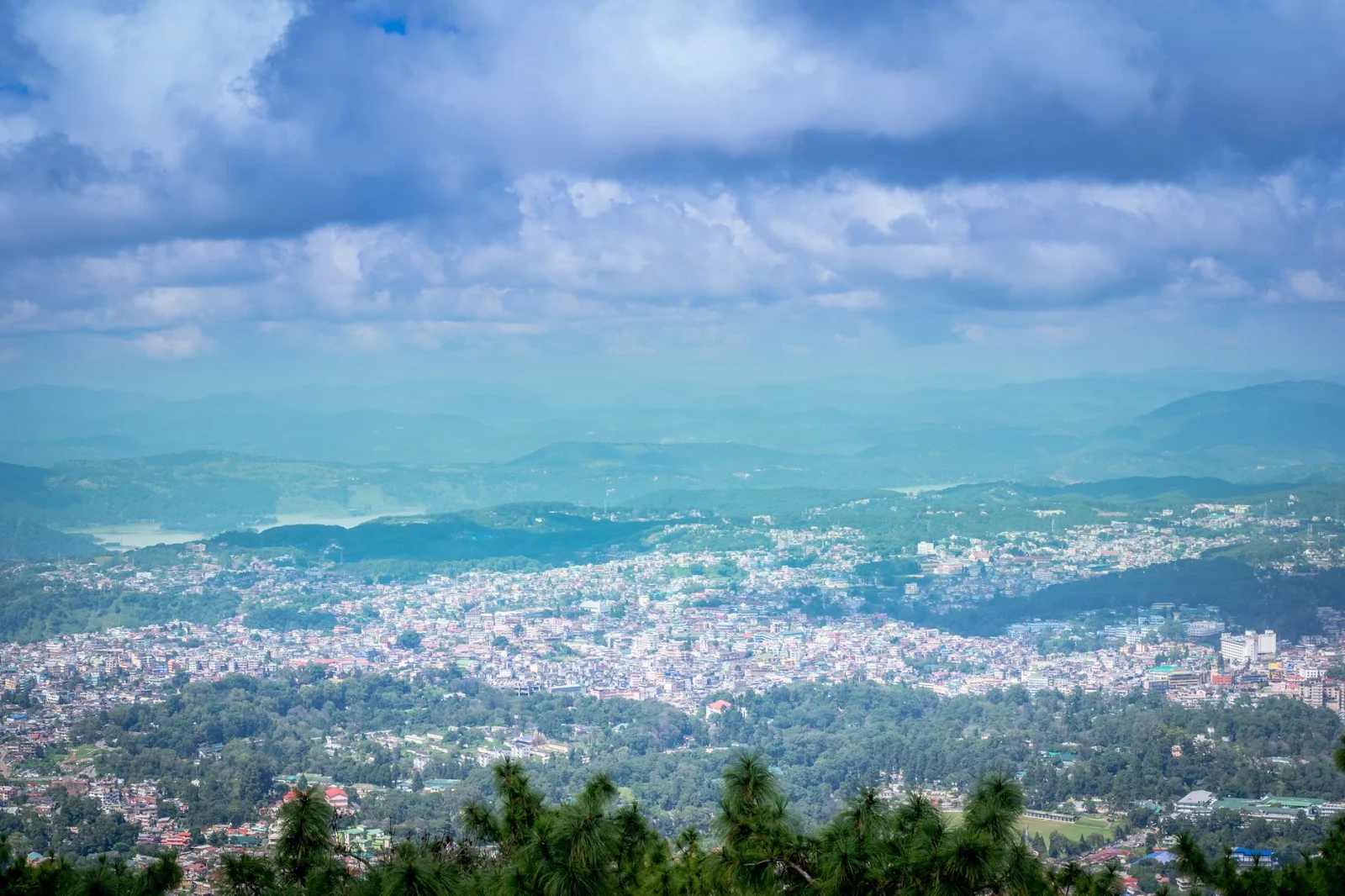
Why Tura Is a Must‑Stop
As the administrative capital of the Garo Hills, Tura blends colonial architecture with vibrant tribal markets. The city’s heritage walk offers a curated experience of its history, art, and daily life.
Must‑See Stops on the Walk
- Garo Hills Museum: Displays traditional costumes, musical instruments, and ancient stone carvings.
- British‑Era Railway Station: An iconic structure that still serves as a hub for local trains.
- Market Street (Bazar): A bustling lane where you can sample tung rymbai (fermented rice) and buy hand‑woven shawls.
- St. John’s Cathedral: A gothic‑style church reflecting the missionary influence of the 19th century.
- Riverfront Promenade: Perfect for sunset views over the Sukhrung River.
Tips for the Heritage Walk
- Timing: Early morning (7 – 9 am) avoids crowds and heat.
- Local guide: A short 30‑minute narration by a Garo elder enriches the experience.
- Food: Try the local snack “pitha” from a street vendor – it’s sweet, rice‑based, and freshly made.



0 Comments