
Top 5 Places to Visit in Tarn Taran, Punjab, India: A Soulful Journey Through History and Heritage
Welcome, fellow wanderers, to the heartland of Punjab! If you are planning a trip that goes beyond the usual tourist trails and takes you deep into the spiritual and historical roots of North India, look no further than Tarn Taran Sahib. Often overshadowed by its more famous neighbors like Amritsar, this historic district holds a profound place in Sikh history, offering an authentic slice of Punjabi culture, architectural marvels, and unmatched rural hospitality. Whether you are a history buff, a spiritual seeker, or a culinary enthusiast looking to taste the authentic flavors of rural Punjab, exploring the top tourist places in Tarn Taran is an experience that will stay with you forever.
Established in the late 16th century by the fifth Sikh Guru, Guru Arjan Dev Ji, Tarn Taran is blessed with a tranquil atmosphere, vast agricultural fields, and monuments that narrate tales of bravery, devotion, and community service. Navigating through the best places to visit in Tarn Taran allows you to step back in time. From the breathtaking Sarovar (holy pond)—believed to have healing properties—at Sri Darbar Sahib to the ancient Mughal-era monuments and vibrant local bazaars, every corner of this district has a story to tell. Pack your bags, bring your appetite for both history and food, and join us as we explore the top 5 places to visit in Tarn Taran, Punjab.
Table of Contents
- 1. Sri Darbar Sahib, Tarn Taran
- 2. Gurdwara Guru Ka Khuh (Khemkaran)
- 3. Harike Wetland and Bird Sanctuary
- 4. Mughal Sarai at Nurmahal / Sarai Amanat Khan
- 5. Gurdwara Gurusar Satlani Sahib
- Best Time to Visit Tarn Taran
- How to Reach Tarn Taran
- Must-Try Local Food in Tarn Taran
- 10 Essential Travel Tips for Tarn Taran
- Suggested 2-Day Tarn Taran Itinerary
- Frequently Asked Questions (FAQs)
- Conclusion
1. Sri Darbar Sahib, Tarn Taran
Overview
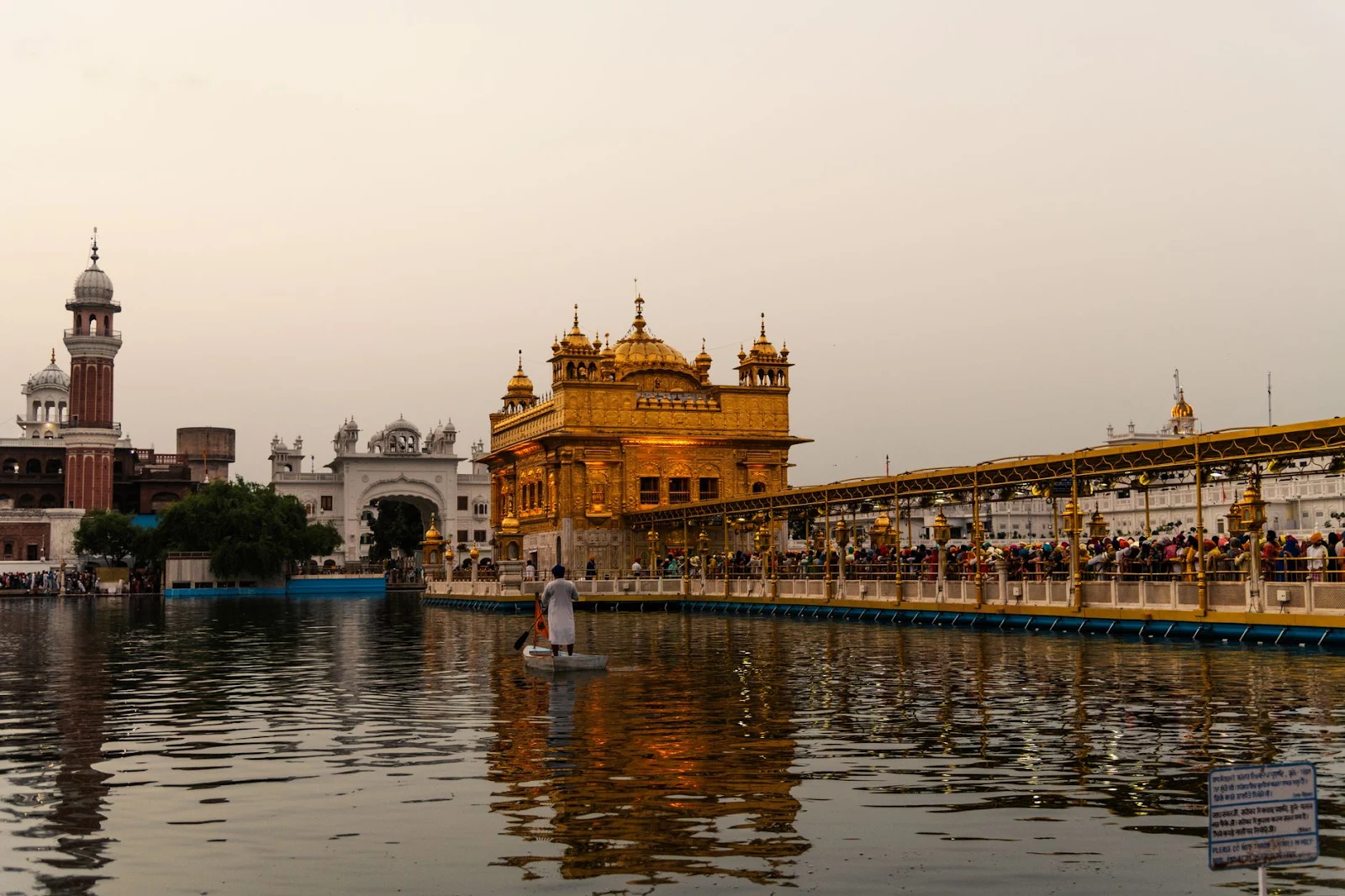
At the very soul of the district lies Sri Darbar Sahib, arguably the most iconic landmark and the crown jewel among the top tourist places in Tarn Taran. Founded by Guru Arjan Dev Ji in 1590, this sacred shrine is built around what is believed to be the largest sarovar (holy water reservoir) in the Sikh world. The serene waters mirror the magnificent architecture of the central gurdwara, creating a tranquil setting that immediately calms a restless mind. Unlike some of the larger shrines in the state, Tarn Taran's Darbar Sahib offers a deeply intimate and peaceful spiritual experience, allowing visitors to connect deeply with the divine and the local community.
Historical & Cultural Significance
The history of this holy site is deeply intertwined with the vision of Guru Arjan Dev Ji, who wanted to create a haven for people seeking spiritual solace and physical healing. It is believed that the holy tank possesses miraculous healing properties, particularly for leprosy, which earned the town its name 'Tarn Taran', meaning 'a boat to help people swim across the ocean of life and suffering'. During the Maharaja Ranjit Singh era, the shrine received significant royal patronage, with the Maharaja himself contributing gold plating to the dome and enhancing the structural beauty of the complex. The daily rituals, soulful Gurbani kirtan, and the continuous community kitchen (Langar) embody the core Sikh tenets of equality, selfless service, and universal brotherhood.
Things to Do
- Participate in the peaceful parikrama (circumambulation) around the massive holy sarovar.
- Listen to the soul-soothing live Gurbani kirtan echoing through the marble courtyards.
- Voluntary service (Sewa) by helping in the community kitchen (Langar) or washing utensils.
- Witness the grand evening illumination (Deepmala) that makes the white marble structure glow brilliantly against the night sky.
- Explore the local market just outside the gurdwara gates for traditional Punjabi juttis and religious artifacts.
Visitor Information
Timings: Open 24 hours (Best visited during early morning sunrise or evening prayers).
Entry Fee: Free for all visitors.
Dress Code: Modest clothing is mandatory. Both men and women must cover their heads with a scarf or handkerchief. Shoes must be removed before entering the complex.
2. Gurdwara Guru Ka Khuh (Khemkaran)

Overview
Located near the border town of Khemkaran in the Tarn Taran district, Gurdwara Guru Ka Khuh is a site of immense historical and spiritual resonance. The name translates literally to 'The Well of the Guru'. This sacred shrine marks the spot where the ninth Sikh Guru, Guru Tegh Bahadur Ji, rested and interacted with the local agrarian communities during his travels through the Malwa and Majha regions. Surrounded by lush green mustard and wheat fields typical of the Punjabi countryside, this peaceful gurdwara offers travelers an escape from urban chaos and a chance to reflect on the region's rich spiritual heritage.
Historical & Cultural Significance
During the travels of Guru Tegh Bahadur Ji in the 17th century, the local region faced severe water scarcity issues. The Guru lovingly dug a well (Khuh) to provide fresh, potable drinking water to the local villagers and travelers, turning an arid landscape into a thriving settlement. The well is still preserved inside the complex as a sacred relic. Over the centuries, the site has remained a symbol of community welfare and compassion. Visiting this gurdwara provides a unique glimpse into how the Sikh Gurus integrated practical social service into their spiritual teachings, ensuring that physical needs were met alongside spiritual nourishment.
Things to Do
- Pay your respects at the historic well sanctified by Guru Tegh Bahadur Ji.
- Take a leisurely walk through the surrounding agricultural fields and witness rural Punjabi life up close.
- Interact with the local granthis (priests) to hear fascinating local folklore and historical anecdotes.
- Enjoy a simple, wholesome meal served with love at the village langar.
- Capture stunning photographs of rural landscapes, sunset hues, and traditional village architecture.
Visitor Information
Timings: 5:00 AM to 8:00 PM on all days.
Entry Fee: Completely free.
Dress Code: Traditional head covering and modest attire required. Shoes to be deposited at the designated shoe-keeping counter.
3. Harike Wetland and Bird Sanctuary

Overview
Spanning across the Tarn Taran, Ferozepur, and Kapurthala districts, the Harike Wetland is the largest wetland in northern India and a paradise for nature lovers and birdwatchers. Formed by the confluence of the Sutlej and Beas rivers, this Ramsar site is one of the most stunning eco-tourism destinations and ranks high among the best places to visit in Tarn Taran. The sanctuary transforms into a vibrant avian haven during the winter months, hosting thousands of migratory birds that fly in all the way from Siberia, Central Asia, and Europe. If you love wildlife photography and serene aquatic ecosystems, Harike is an absolute must-visit.
Historical & Cultural Significance
While celebrated primarily for its rich biodiversity, the Harike Wetland area also holds ecological and geographical importance for Punjab. The wetland was created in 1952 with the construction of the Harike Barrage just downstream of the confluence of the two mighty rivers. Over the decades, it has evolved into a vital ecological buffer zone and a lifeline for local aquatic flora and fauna. Historically, the riverbanks around Harike have witnessed major trade routes and historical movements, making it a place where natural beauty seamlessly merges with regional geography and heritage.
Things to Do
- Go birdwatching to spot rare migratory species like the Greylag Goose, Northern Pintail, Tufted Duck, and the endangered Dalmatian Pelican.
- Take a guided boat safari across the tranquil waters of the Harike lake (subject to forest department permissions).
- Catch a breathtaking sunset over the convergence point of the Sutlej and Beas rivers.
- Spot the elusive and protected Indus River Dolphin, which occasionally surfaces in the deep channels of the sanctuary.
- Set up your telephoto lenses and binoculars for world-class wildlife and landscape photography.
Visitor Information
Timings: 8:00 AM to 5:00 PM daily. (Best visited between November and February).
Entry Fee: Nominal entry fee; additional charges apply for boating and guide services.
Best Tip: Hire a local eco-guide at the entrance to help you identify rare migratory bird species.
4. Mughal Sarai at Nurmahal / Sarai Amanat Khan
Overview
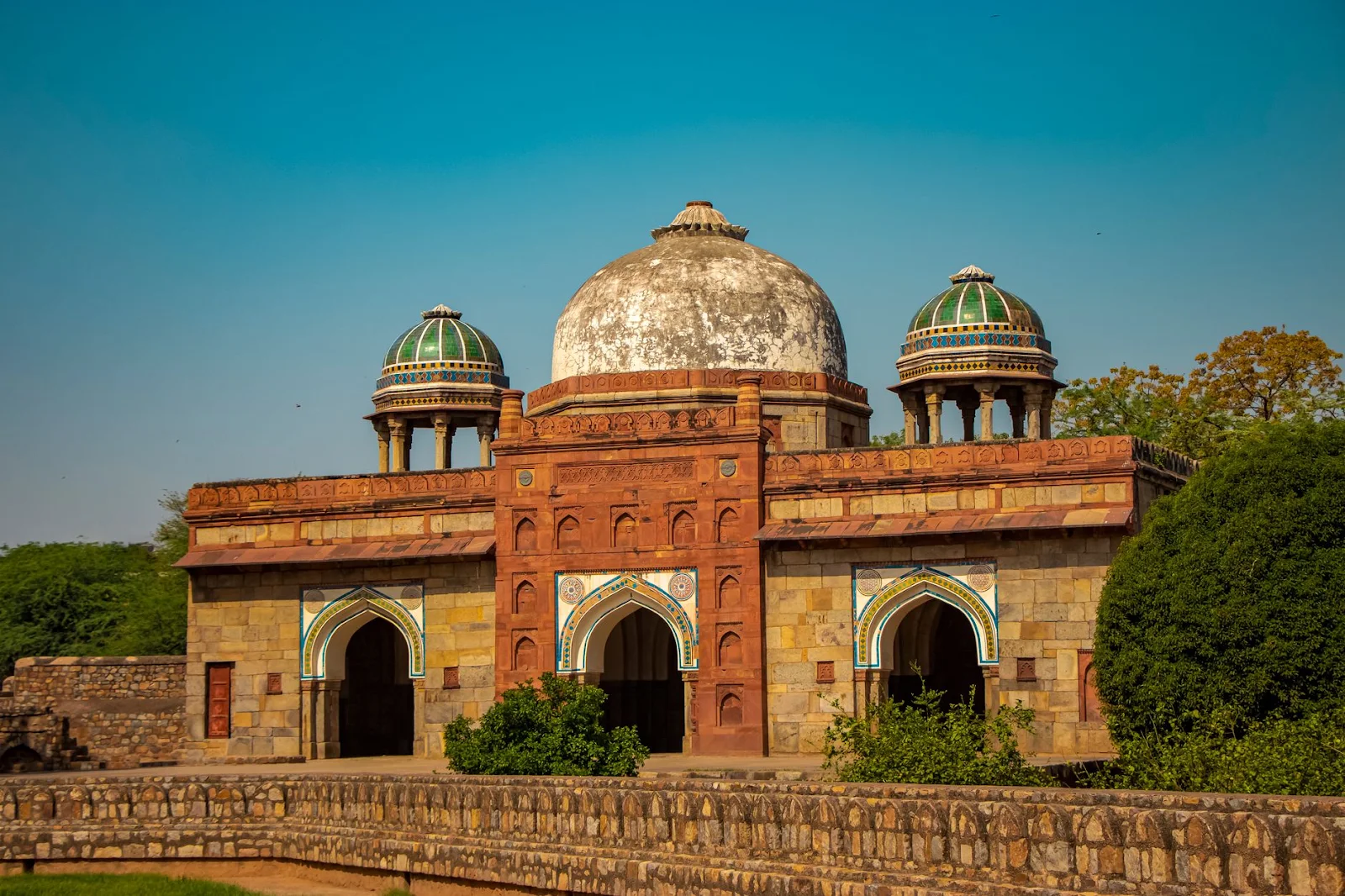
For history enthusiasts exploring the architectural remnants of the Grand Trunk Road era, Sarai Amanat Khan in the Tarn Taran district is an architectural marvel. This historic fortified caravanserai was built during the reign of the Mughal Emperor Shah Jahan. Designed to provide safe lodging, water, and security for merchants, royal messengers, and travelers journeying along the imperial highway, this monument stands as a proud testament to Mughal engineering and artistic finesse. Though partially weathered by time, its imposing gateways, intricate brickwork, and massive courtyard evoke the grandeur of a bygone era.
Historical & Cultural Significance
Sarai Amanat Khan is named after Amanat Khan Shirazi, the brilliant Persian calligrapher who designed the stunning calligraphic inscriptions on the Taj Mahal in Agra. Amanat Khan was closely associated with the Mughal court and chose to build his final resting place and estate here. The sarai features magnificent double-storeyed gateways adorned with glazed blue tiles, intricate floral frescoes, and arched alcoves that reflect Persian and Indian architectural fusion. Walking through the arched hallways, you can almost hear the echoes of merchants trading spices, textiles, and precious gems centuries ago.
Things to Do
- Admire the exquisite Persian calligraphy and surviving glazed tile work on the monumental gateways.
- Explore the vast central courtyard that once accommodated hundreds of travelers and pack animals.
- Study the defensive architecture, including the massive watchtowers and thick security walls.
- Photograph the weathered brick arches and symmetrical Mughal design patterns.
- Learn about the legacy of Amanat Khan and his monumental contributions to Mughal architecture.
Visitor Information
Timings: Sunrise to Sunset (Open all days).
Entry Fee: Free entry.
Accessibility: Located off the main Tarn Taran highways; hiring a local auto or taxi from Tarn Taran city is recommended.
5. Gurdwara Gurusar Satlani Sahib

Overview
Concluding our list of top tourist places in Tarn Taran is the deeply revered Gurdwara Gurusar Satlani Sahib. Located in the village of Satlani, close to the district border, this historic shrine commemorates the visit of the sixth Sikh Guru, Guru Hargobind Sahib Ji. Set amidst sprawling green fields and featuring a pristine holy tank, this gurdwara offers an atmosphere of profound serenity and spiritual rejuvenation. It is particularly famous for hosting a massive annual religious fair (Melas) that draws thousands of devotees from across Punjab and neighboring states.
Historical & Cultural Significance
According to historical records, Guru Hargobind Sahib Ji visited this site during his travels in the Majha region. The Guru camped here with his followers and horses, and the local land was blessed by his presence. Over time, the site became an important pilgrimage center. The holy tank (sarovar) here is believed to possess divine qualities that wash away physical and spiritual ailments. The gurdwara management actively runs community outreach programs and maintains lush gardens, making it a peaceful sanctuary for anyone seeking a meditative retreat away from bustling city life.
Things to Do
- Take a holy dip in the sacred sarovar, known for its tranquil and refreshing waters.
- Attend the evening Rehras Sahib prayer service for an uplifting spiritual experience.
- Partake in the community Langar, enjoying freshly prepared traditional dal, roti, and kheer.
- Walk around the peaceful garden complex and admire the reflective pool waters.
- Visit during the local festival season to experience traditional Punjabi rural fairs and community gatherings.
Visitor Information
Timings: 5:00 AM to 9:00 PM daily.
Entry Fee: Free.
Best Time to Visit: Early mornings or late afternoons for pleasant weather and quiet meditation.
Best Time to Visit Tarn Taran
Planning your trip during the right season is crucial to enjoying the outdoor attractions and historic sites of Tarn Taran comfortably. Here is a breakdown of the seasons:
- Winter (October to March) - BEST TIME: Temperatures range between 5°C and 22°C. The weather is crisp, sunny, and delightful. This is the peak season for visiting the Harike Wetland to witness migratory birds and exploring outdoor historical monuments without the scorching heat.
- Summer (April to June): Temperatures can soar as high as 42°C to 45°C. Hot dry winds (loo) make daytime sightseeing exhausting. If visiting during this time, keep outdoor activities restricted to early mornings and late evenings.
- Monsoon (July to September): Humidity levels rise significantly, though rainfall brings much-needed relief from the summer heat. The agricultural fields turn a vibrant emerald green, and the Harike Wetland sees a surge in local flora. However, unexpected downpours can occasionally disrupt travel plans.
How to Reach Tarn Taran
Tarn Taran is exceptionally well-connected by road and rail to major cities in Punjab and northern India, making it an easy weekend getaway or a dedicated heritage stopover.
- By Air: The nearest international airport is Sri Guru Ram Dass Jee International Airport in Amritsar (ATQ), located approximately 30 kilometers away. Regular taxis and cab aggregators operate directly from the airport to Tarn Taran.
- By Train: Tarn Taran Junction (TTO) is well-connected via railway networks to Amritsar, Jalandhar, and Khemkaran. Regular passenger and express trains run daily through this station.
- By Road: State transport buses (PRTC, PUNBUS) and private cabs operate frequent services between Amritsar, Jalandhar, Chandigarh, and Tarn Taran. The drive from Amritsar takes roughly 45 to 60 minutes via well-paved state highways.
Must-Try Local Food in Tarn Taran
No trip to Punjab is complete without indulging in the rich, hearty, and soulful local cuisine. Tarn Taran offers authentic Punjabi flavors that will leave your taste buds craving for more:
- Makki di Roti & Sarson da Saag: The quintessential winter delicacy made from crushed mustard greens and served with flatbreads made from cornmeal, topped with homemade white butter (makhan) and jaggery (gur).
- Amritsari Kulcha: Crispy, tandoor-baked leavened bread stuffed with spiced potatoes and cauliflower, slathered with pure desi ghee and served with tangy tamarind chutney and chole.
- Lassi: A tall, frothy glass of sweet or salted churned yogurt topped with a thick layer of malai (cream).
- Dal Makhani & Shahi Paneer: Rich, slow-cooked black lentils simmered overnight with butter and cream, paired perfectly with freshly baked butter naan.
- Jalebi & Rabri: Crispy, spiral-shaped sweet fried batter soaked in sugar syrup, paired with thick, sweetened condensed milk rabri for the ultimate dessert indulgence.
10 Essential Travel Tips for Tarn Taran
- Respect Religious Customs: Always cover your head with a cloth or scarf before entering any gurdwara premises.
- Dress Modestly: Wear clothing that covers your shoulders and knees out of respect for local cultural and religious sensitivities.
- Footwear Etiquette: Shoes must be left at designated shoe-keeping stands (Jora Ghar) outside gurdwaras.
- Carry Cash: While digital payments are increasingly common, smaller rural dhabas and local artisans still prefer cash.
- Best Photography Hours: Utilize the golden hour just after sunrise and before sunset for breathtaking photography at Harike Wetland and Sri Darbar Sahib.
- Hire Local Guides: For the Harike Wetland and historical sites like Sarai Amanat Khan, hiring an authorized local guide enhances your historical understanding.
- Stay Hydrated: Always carry a reusable water bottle, especially if you are visiting during the warmer months.
- Book Transport in Advance: For traveling to remote sites like Khemkaran or Harike, hiring a dedicated cab for the day from Tarn Taran city is most convenient.
- Participate in Langar: Do not miss the community meal at local gurdwaras; it is a humbling and delicious cultural experience.
- Eco-Friendly Travel: Help preserve the pristine ecology of the Harike Wetland by avoiding plastic littering.
Suggested 2-Day Tarn Taran Itinerary
Make the most of your weekend with this well-crafted 2-day travel itinerary:
Day 1: Spiritual Heritage and Cultural Exploration
- 08:00 AM - 11:00 AM: Arrive in Tarn Taran and start your morning with a peaceful visit to Sri Darbar Sahib. Walk around the sarovar and partake in morning prayers.
- 11:30 AM - 01:00 PM: Enjoy traditional community Langar at Darbar Sahib.
- 02:00 PM - 04:30 PM: Drive to Sarai Amanat Khan to explore Mughal-era architecture and exquisite Persian calligraphy.
- 05:30 PM onwards: Return to Tarn Taran city, sample authentic local street food and Amritsari kulchas in the evening bazaar, and overnight stay in the city.
Day 2: Nature, Wildlife, and Rural Roots
- 07:00 AM - 11:00 AM: Head straight to the Harike Wetland and Bird Sanctuary for early morning birdwatching and a peaceful nature boat ride.
- 12:00 PM - 01:30 PM: Drive towards Khemkaran and stop at a rural dhaba for a hearty Punjabi lunch.
- 02:00 PM - 04:00 PM: Visit the historic Gurdwara Guru Ka Khuh and stroll through the surrounding mustard fields.
- 05:00 PM onwards: Conclude your trip with a visit to Gurdwara Gurusar Satlani Sahib for evening meditation before heading back to Amritsar or your onward destination.
Frequently Asked Questions (FAQs)
- What is Tarn Taran famous for?
Tarn Taran is primarily famous for Sri Darbar Sahib, which features the largest holy Sikh water tank (sarovar) in the world, and its deep historical connections to Sikh Gurus. - How far is Tarn Taran from Amritsar?
Tarn Taran is located approximately 30 kilometers south of Amritsar and can be reached within an hour by road or train. - Is Tarn Taran safe for tourists?
Yes, Tarn Taran is extremely safe for travelers, families, and solo backpackers. The local Punjabi community is famously warm, welcoming, and hospitable. - When is the best time to visit Harike Wetland?
The winter months from November to February are ideal because thousands of migratory birds flock to the sanctuary during this period. - Are there good accommodation options in Tarn Taran?
While Tarn Taran has comfortable budget hotels and traditional guesthouses (Sarai) attached to major gurdwaras, many travelers prefer staying in Amritsar and visiting Tarn Taran as a day trip. - What should I wear when visiting gurdwaras in Tarn Taran?
Visitors must wear modest clothes that cover shoulders and knees. Covering your head with a scarf or handkerchief is compulsory for both men and women. - Can I see Indus River Dolphins at Harike Wetland?
Yes! The Harike Wetland is one of the very few natural habitats where the endangered Indus River Dolphin can occasionally be spotted. - What local dishes must I try in Tarn Taran?
Don't miss authentic Sarson da Saag with Makki di Roti, Amritsari Kulcha, creamy Lassi, and traditional Dal Makhani.
Conclusion
Tarn Taran is a destination that touches your soul and leaves a lasting imprint on your heart. Far removed from the frenetic pace of commercialized tourist hubs, this historic district offers an authentic window into the spiritual essence, agricultural beauty, and legendary hospitality of Punjab. Whether you find inner peace by the shimmering waters of Sri Darbar Sahib, marvel at the migratory bird populations at Harike Wetland, or retrace the footsteps of Mughal merchants at Sarai Amanat Khan, every moment spent here is deeply rewarding. Plan your trip to the top tourist places in Tarn Taran today, immerse yourself in centuries of heritage, and experience the timeless warmth of Punjab.



0 Comments