
Top 5 Places to Visit in Shaheed Bhagat Singh Nagar, Punjab, India
Welcome to the culturally rich and historically resonant heart of Punjab! If you are planning your next getaway and searching for the top tourist places in Shaheed Bhagat Singh Nagar, you have landed on the absolute right page. Formerly known as Nawanshahr, this vibrant district was renamed in honor of one of India's most legendary freedom fighters, Shaheed Bhagat Singh, who was born in the village of Khatkar Kalan within this very region. Beyond its monumental role in India's independence movement, this district is a fascinating mosaic of spiritual heritage, architectural grandeur, and lush rural landscapes that showcase the authentic soul of Punjab.
Travelers exploring the best places to visit in Shaheed Bhagat Singh Nagar will quickly realize that the district offers a wonderful departure from standard commercial tourist tracks. Here, history whispers from the walls of magnificent ancestral Havelis, spiritual peace envelops ancient shrines, and the legendary warmth of Punjabi hospitality greets you at every corner. Whether you are a history buff tracing the footsteps of freedom fighters, a spiritual seeker looking for tranquil shrines, or a culture enthusiast eager to taste authentic Punjabi culinary delights, Shaheed Bhagat Singh Nagar promises a deeply rewarding travel experience.
In this comprehensive travel guide, we take you on an immersive journey through the top 5 attractions in the district. We will explore national memorials, historic forts, revered religious sites, and architectural marvels. Additionally, we have curated practical travel tips, local food recommendations, a seamless two-day itinerary, and essential FAQs to make your trip planning effortless. Pack your bags and get ready to discover the timeless charm of Punjab!
Table of Contents
- 1. Khatkar Kalan – The Ancestral Village of Shaheed Bhagat Singh
- 2. Phillaur Fort (Maharaja Ranjit Singh Fort)
- 3. Gurudwara Nanaksar Thikriwala & Charan Kanwal Sahib
- 4. Rahon – The Historic Town of Havelis and Tombs
- 5. Banga – The Cultural and Commercial Hub
- Best Time to Visit Shaheed Bhagat Singh Nagar
- How to Reach Shaheed Bhagat Singh Nagar
- Local Food to Try
- 10 Essential Travel Tips
- Suggested 2-Day Itinerary
- Frequently Asked Questions (FAQs)
- Conclusion
1. Khatkar Kalan – The Ancestral Village of Shaheed Bhagat Singh

About the Place
Khatkar Kalan stands as a place of immense historical reverence, making it arguably the most important tourist spot in the entire district. This is the ancestral village of Shaheed-e-Azam Bhagat Singh, the iconic freedom fighter whose supreme sacrifice galvanized India's freedom struggle. Visiting this village is not merely a sightseeing excursion; it is a deeply emotional pilgrimage for every Indian. The entire settlement breathes the memory of the freedom movement, drawing historians, students, patriots, and curious travelers from all over the globe.
Historical Significance
The village houses the magnificent Bhagat Singh Museum, established to honor the life, ideals, and sacrifices of Bhagat Singh, Sukhdev, and Rajguru. Opened to the public on the martyr's martyrdom day (March 23) in 2008, the museum displays a treasure trove of historical artifacts. You can witness the ashes of Bhagat Singh, Sukhdev, and Rajguru preserved in an urn, the blood-stained newspaper in which the ashes were wrapped, personal letters written by Bhagat Singh, and his personal belongings. Adjacent to the museum stands the ancestral house of the martyr, carefully preserved to reflect the lifestyle of his family during the early 20th century.
Things to Do
- Pay your heartfelt respects at the grand bronze statue of Shaheed Bhagat Singh at the memorial entrance.
- Explore the multi-gallery museum to study rare photographs, court documents pertaining to the Lahore Conspiracy Case, and historical manuscripts.
- Walk through the restored ancestral home of the martyr to experience living history firsthand.
- Attend the annual state-level commemorative events held here on March 23 and September 28 (birth anniversary) to witness vibrant patriotic gatherings.
Visitor Information
Timestamps: 9:30 AM to 5:00 PM (Closed on Mondays).
Entry Fee: Free entry for all visitors.
Best Time to Spend: 2 to 3 hours.
2. Phillaur Fort (Maharaja Ranjit Singh Fort)

About the Place
Situated strategically on the banks of the Satluj River, Phillaur Fort is a magnificent architectural marvel that showcases the military engineering and royal vision of the Sikh Empire. Although technically located on the border area of Jalandhar and Shaheed Bhagat Singh Nagar districts, it remains a primary point of interest for travelers exploring the wider Nawanshahr region. The fort’s imposing bastions, deep trenches, and expansive courtyards transport visitors straight back to the 19th-century era of Sikh sovereignty under Maharaja Ranjit Singh.
Historical Significance
Originally constructed as a serai (inn) during the Mughal era, the structure was completely redesigned and fortified in 1809 under the direct supervision of Maharaja Ranjit Singh and his French and Italian military generals, notably Jean-François Allard and Jean-Baptiste Ventura. The objective was to create a formidable defense outpost against the British forces stationed across the Sutlej River. Later, after the annexation of Punjab, the British used the fort as a cantonment and subsequently converted it into a police training center, which it remains to this day.
Things to Do
- Marvel at the unique blend of Mughal and European-Sikh architectural styles visible in the massive gates and high defensive walls.
- Explore the internal complex which features old barracks, armories, and administrative quarters.
- Enjoy panoramic views of the surrounding countryside and the flowing Satluj River from the fort bastions.
- Photography enthusiasts can capture striking symmetrical shots of the historical arches and fortifications.
Visitor Information
Timestamps: 10:00 AM to 4:00 PM (Prior permission may be required due to police training academy operations).
Entry Fee: Nominal or free, subject to local guidelines.
Best Time to Spend: 1 to 2 hours.
3. Gurudwara Nanaksar Thikriwala & Charan Kanwal Sahib
About the Place
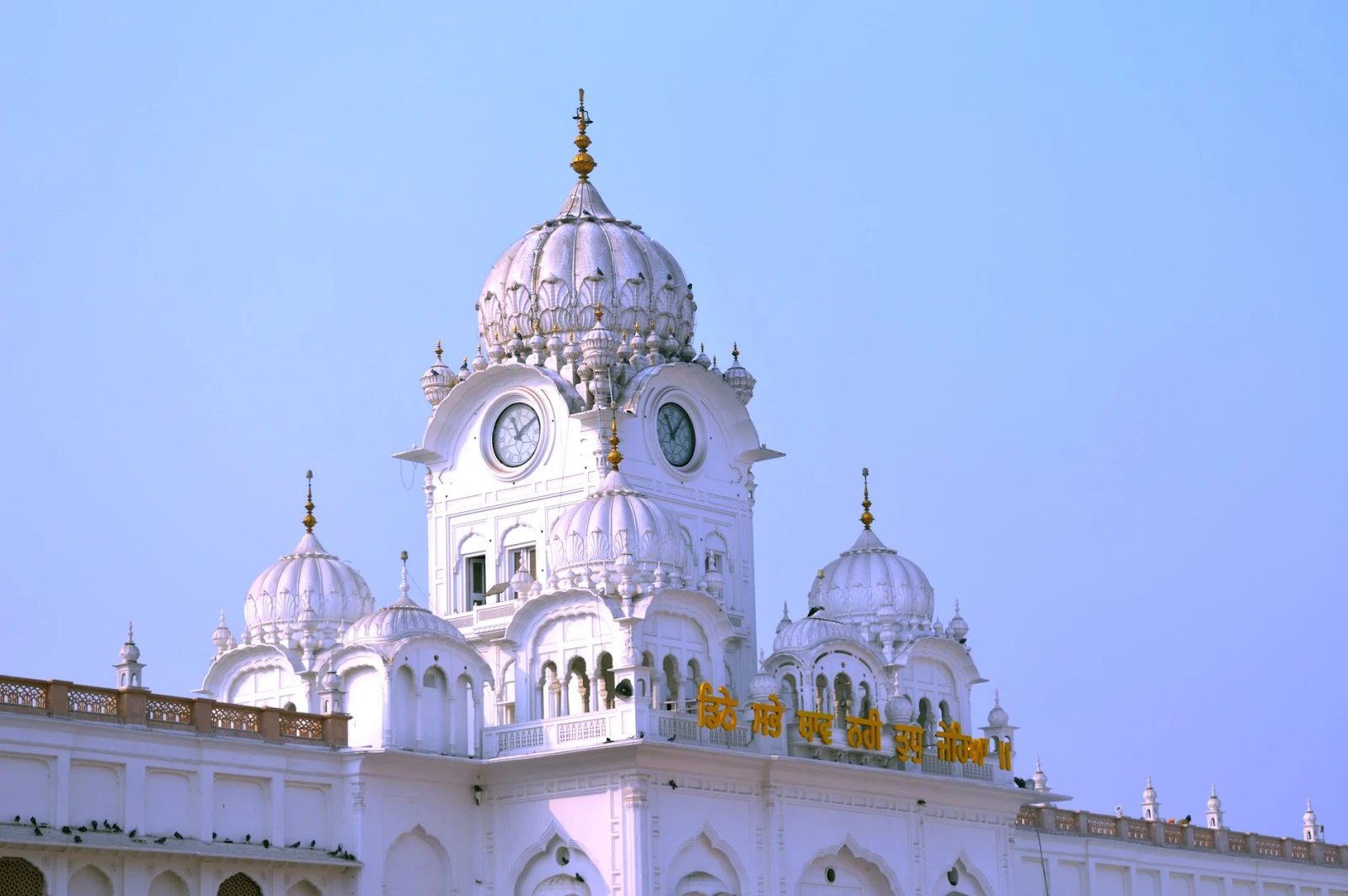
Punjab's spiritual landscape is deeply intertwined with its history, and Shaheed Bhagat Singh Nagar is blessed with several serene religious landmarks. Gurudwara Charan Kanwal Sahib, located in the historic town of Rahon within the district, is one of the most revered Sikh shrines in the region. Surrounded by lush green fields and imbued with an atmosphere of absolute tranquility, this holy site offers visitors a profound sense of peace and a glimpse into the spiritual traditions of Punjab.
Historical Significance
According to local and historical Sikh traditions, Gurudwara Charan Kanwal Sahib commemorates the hallowed visit of Guru Nanak Dev Ji, the founder of Sikhism, during one of his missionary journeys (Udasis). It is believed that the Guru rested at this very spot, and his divine presence sanctified the soil. Every year, grand religious congregations and festivals are held here, drawing thousands of devotees who come to offer prayers, listen to soulful Gurbani kirtan, and partake in the community kitchen (*Langar*).
Things to Do
- Experience deep spiritual solace by attending the serene morning or evening prayer sessions.
- Participate in *Sewa* (selfless service) by helping out in the community kitchen (*Langar*), where free meals are served to all visitors regardless of caste, creed, or religion.
- Admire the pristine white marble architecture and the traditional golden domes set against the blue Punjabi sky.
- Take a peaceful stroll around the sacred water tank (*Sarovar*) attached to the Gurudwara complex.
Visitor Information
Timestamps: Open 24 hours (Best visited between 6:00 AM and 8:00 PM).
Entry Fee: Completely free.
Best Time to Spend: 1 to 2 hours.
4. Rahon – The Historic Town of Havelis and Tombs

About the Place
Rahon is an ancient town nestled within the Shaheed Bhagat Singh Nagar district that functions as an open-air museum for architecture lovers and history enthusiasts. Dating back several centuries, Rahon was once a flourishing administrative and cultural center under various empires, including the Rajputs, Mughals, and Sikhs. The town is famously characterized by its labyrinth of narrow alleys, historic brick Havelis adorned with delicate woodwork, ancient temples, and impressive Islamic tombs.
Historical Significance
Local legends suggest that Rahon was originally founded by Raja Raja Chand in ancient times and was later expanded during the medieval era. It served as an important provincial headquarters. The town is dotted with architectural remnants from the Mughal and Sikh periods, including stepwells (*baolis*), majestic gateways, and old residential mansions belonging to wealthy merchants and nobles. Exploring Rahon gives travelers a rare, uncommercialized look into traditional Punjabi urban heritage before modern concrete developments took over.
Things to Do
- Wander through the historic lanes of Rahon to photograph the intricate facades of 18th and 19th-century Havelis.
- Visit the ancient royal tombs and historical mosques that showcase classic Mughal dome architecture and delicate stucco work.
- Interact with local artisans and elders who are eager to share fascinating folklore and historical anecdotes about the town.
- Sample traditional street food delicacies sold by local vendors in the old town market square.
Visitor Information
Timestamps: Accessible throughout the day (Best explored during daylight hours).
Entry Fee: Free.
Best Time to Spend: 2 to 3 hours.
5. Banga – The Cultural and Commercial Hub

About the Place
Banga is a prominent municipal town and sub-tehsil within the Shaheed Bhagat Singh Nagar district, known for its bustling local markets, vibrant community life, and deep-rooted historical connections. While Khatkar Kalan represents the solemn patriotic heritage of the district, Banga showcases the contemporary rural-urban pulse of Punjab. Surrounded by fertile agricultural fields growing golden wheat and emerald paddy, Banga offers travelers an authentic glimpse into the daily rhythm of Punjabi life, complete with bustling bazaars and warm-hearted locals.
Historical Significance
Banga has historical importance not only as a commercial trading center but also as a breeding ground for social reformers, freedom fighters, and literary figures. The town and its surrounding villages have produced numerous individuals who made significant contributions to India's independence movement and literary spheres. Furthermore, Banga exhibits a unique architectural blend of traditional Punjabi brick houses alongside modern NRI (Non-Resident Indian) mansions that reflect the prosperous diaspora culture of the Doaba region.
Things to Do
- Explore the bustling local bazaars to shop for traditional Punjabi juttis (footwear), phulkari dupattas, and authentic local handicrafts.
- Savor authentic Punjabi street snacks and traditional sweets at historic sweet shops in the main market.
- Take a leisurely drive through the surrounding countryside roads flanked by lush agricultural fields and tube-wells.
- Engage with friendly local shopkeepers and residents to learn about the cultural evolution of the Doaba region.
Visitor Information
Timestamps: Markets active from 9:00 AM to 8:00 PM.
Entry Fee: Free.
Best Time to Spend: 2 to 4 hours.
Best Time to Visit Shaheed Bhagat Singh Nagar
Timing your trip correctly is essential to enjoying the best places to visit in Shaheed Bhagat Singh Nagar to the fullest. Punjab experiences extreme weather variations, making seasonal planning crucial for comfort.
- Winter (October to March): This is universally recognized as the best time to visit the district. The weather is pleasantly cool, with daytime temperatures hovering between 15°C and 25°C. It is ideal for exploring outdoor historical sites like Khatkar Kalan and Phillaur Fort, walking through the old lanes of Rahon, and enjoying comfortable sightseeing without fatigue.
- Spring (February to March): Coinciding with the vibrant festival of Basant Panchami and the blooming of mustard fields (*Sarson ke khet*), this period offers picture-postcard landscapes across the countryside.
- Summer (April to June): Summers are intensely hot and dry, with temperatures frequently crossing 40°C. Sightseeing during midday is physically exhausting and generally discouraged for travelers.
- Monsoon (July to September): The district receives moderate rainfall, bringing relief from summer heat and turning the fields lush green. However, high humidity can make outdoor exploration slightly uncomfortable.
How-to-Reach Shaheed Bhagat Singh Nagar
Reaching Shaheed Bhagat Singh Nagar (Nawanshahr) is remarkably convenient due to its well-developed road and rail connectivity with major North Indian cities.
- By Air: The nearest major international airport is Sri Guru Ram Dass Jee International Airport in Amritsar (approx. 140 km away) and Chandigarh International Airport (approx. 90 km away). Both airports have excellent taxi and bus connections leading directly to the district.
- By Train: Nawanshahr railway station (officially Shaheed Bhagat Singh Nagar railway station) connects the district to major regional railway hubs like Jalandhar, Phagwara, and Chandigarh. Regular passenger and express trains operate on this route.
- By Road: The district boasts exceptional road infrastructure. State transport buses (PRTC and Punjab Roadways) and private deluxe coaches frequently run from Delhi, Chandigarh, Jalandhar, and Ludhiana. If you prefer driving, taking National Highway 44 (NH 44) followed by state highways provides a smooth road trip experience.
Local Food to Try
No trip to Punjab is complete without indulging in its legendary cuisine. When exploring the top tourist places in Shaheed Bhagat Singh Nagar, your taste buds are in for a royal treat. Punjabi food is hearty, aromatic, and cooked with dollows of pure butter and desi ghee.
- Makki di Roti and Sarson ka Saag: The quintessential winter comfort food of Punjab—flatbread made from cornmeal served with a rich, spiced mustard greens curry topped with white butter (*makhan*).
- Amritsari Kulcha: Crispy, tandoori-baked flatbread stuffed with spiced potatoes, cauliflower, or paneer, generously slathered with butter and served with tangy chole and tamarind chutney.
- Dal Makhani and Butter Chicken: Slow-cooked black lentils and tender chicken pieces simmered in a rich, creamy tomato gravy that defines North Indian culinary excellence.
- Lassi: A thick, sweet, or salty yogurt-based drink served in large brass or clay glasses, topped with a rich layer of malai (cream).
- Pinni and Jalebi: Traditional winter sweets made with wheat flour, jaggery, nuts, and copious amounts of desi ghee to keep you energized during your travels.
10 Essential Travel Tips
- Dress Modestly: When visiting religious sites like Gurudwaras, dress conservatively, ensure your shoulders and knees are covered, and carry a scarf or handkerchief to cover your head.
- Respect Local Customs: Punjabi culture places immense value on hospitality and respect for elders. Greet locals with a warm "Sat Sri Akal."
- Hire Local Guides: At historical locations like Khatkar Kalan and Phillaur Fort, hiring an authorized local guide enhances your understanding of historical events.
- Stay Hydrated: Always carry a reusable water bottle, especially if you are traveling during spring or late autumn when the sun can still be quite strong.
- Footwear Etiquette: Be prepared to remove your shoes frequently when entering temples, gurudwaras, and certain heritage rooms. Slip-on shoes save time.
- Cash is King: While digital payments are widely accepted in major towns like Banga and Nawanshahr, keep sufficient cash handy for small roadside dhabas and rural souvenir shops.
- Photography Rules: Always check for photography restrictions inside museums, memorial inner sanctums, and active defense installations like Phillaur Fort.
- Book Accommodations Early: While homestays and comfortable hotels are available in Nawanshahr and Banga, booking in advance ensures the best rates and locations.
- Taste Dhaba Food: For the most authentic flavors, stop at roadside highway dhabas rather than high-end urban restaurants.
- Support Local Artisans: Purchase traditional handicrafts, hand-woven fabrics, and local farm-fresh jaggery (*gur*) directly from village artisans to support the local economy.
- 09:00 AM – 12:00 PM: Start your morning at Khatkar Kalan. Explore the Bhagat Singh Museum, view the historical archives, and tour the ancestral home of the martyr.
- 12:30 PM – 02:00 PM: Enjoy a hearty traditional Punjabi lunch at a local dhaba near Banga featuring Dal Makhani, Paneer Tikka, and fresh butter milk.
- 02:30 PM – 05:00 PM: Head to the historic town of Rahon. Wander through the ancient lanes, admire the old brick Havelis, and photograph traditional provincial architecture.
- 07:00 PM onwards: Check into your hotel in Nawanshahr/Banga, relax, and savor a peaceful dinner featuring local culinary specialties.
- 08:30 AM – 11:00 AM: Begin your day with a serene visit to Gurudwara Charan Kanwal Sahib in Rahon. Participate in the morning prayers and experience the tranquil *Sarovar*.
- 11:30 AM – 01:30 PM: Drive towards the banks of the Sutlej River to explore the majestic Phillaur Fort. Marvel at its military architecture and historical bastions.
- 02:00 PM – 03:30 PM: Relish a delicious lunch featuring regional Punjabi delicacies at a riverside eatery.
- 04:00 PM – 06:00 PM: Spend your final evening shopping for local handicrafts, Phulkari items, and traditional Punjabi sweets in the bustling markets of Banga before heading back home.
Suggested 2-Day Itinerary
To help you maximize your short vacation, here is a meticulously planned 2-day itinerary covering the top highlights of Shaheed Bhagat Singh Nagar.
Day 1: Patriotic Heritage & Town Exploration
Day 2: Spiritual Serenity & Fort Architecture
Frequently Asked Questions (FAQs)
1. What is Shaheed Bhagat Singh Nagar famous for?

The district is globally famous as the birthplace of the legendary freedom fighter Shaheed Bhagat Singh (in Khatkar Kalan village) and for its rich Sikh historical monuments, ancient havelis, and vibrant Punjabi culture.
2. What was the former name of Shaheed Bhagat Singh Nagar?

The district was formerly known as Nawanshahr. It was officially renamed Shaheed Bhagat Singh Nagar in September 2008 by the Punjab government to honor the iconic freedom fighter.
3. How do I reach Khatkar Kalan from Chandigarh?

Khatkar Kalan is located approximately 90 kilometers from Chandigarh. You can easily reach it by hiring a taxi, driving via NH 5 and NH 344A, or taking a state transport bus heading towards Jalandhar.
4. Is there any entry fee for the Bhagat Singh Museum in Khatkar Kalan?
No, entry to the Bhagat Singh Museum and the memorial complex at Khatkar Kalan is completely free for all visitors.
5. What is the best time of year to visit the district?

The winter months from October to March offer the most pleasant weather conditions, making it ideal for outdoor sightseeing and historical exploration.
6. Are there good hotels available for staying in the district?

Yes, Nawanshahr and Banga offer a range of comfortable budget hotels, guesthouses, and homestays that cater to tourists and families.
7. What local dishes should I not miss while visiting?

You must try Makki di Roti with Sarson ka Saag, Amritsari Kulcha, Dal Makhani, and wash it down with a tall glass of thick, creamy Punjabi Lassi.
8. Can Phillaur Fort be visited by general tourists?

Yes, visitors can explore Phillaur Fort, though certain inner sections may have restricted access due to its operational role as a police training academy.
Conclusion
Shaheed Bhagat Singh Nagar is a destination where history, spirituality, and vibrant cultural traditions converge to offer an unforgettable travel experience. From paying homage to the valiant freedom fighters at Khatkar Kalan and marveling at the military prowess reflected in Phillaur Fort to soaking in the divine peace of Gurudwara Charan Kanwal Sahib and wandering through the architectural time capsule of Rahon, this district tells the authentic story of Punjab. Whether you are planning a quick weekend escape or an immersive cultural holiday, the warmth of the local people and the richness of the heritage will leave an indelible mark on your heart. Pack your bags, embrace the spirit of Punjab, and set out to explore the remarkable top tourist places in Shaheed Bhagat Singh Nagar!



0 Comments