
Top 5 Places to Visit in Seraikela Kharsawan: Unveiling Jharkhand’s Cultural & Scenic Heartland
Tucked away in the undulating plains and ancient hills of the southern Chota Nagpur plateau, Seraikela Kharsawan is a district where living heritage, royal grandeur, and tranquil water expanses converge seamlessly. Historically formed by the union of two prominent princely states—Seraikela and Kharsawan—this region holds a revered place on India’s cultural map. It is the birthplace of the globally acclaimed Seraikela Chhau dance, an evocative masked martial dance drama recognized by UNESCO as an Intangible Cultural Heritage of Humanity. While Jamshedpur sits just across the district boundary with its bustling industrial rhythm, stepping into Seraikela Kharsawan feels like crossing an invisible boundary into an era of slow-paced living, regal architecture, and pristine nature.
For curious wanderers seeking offbeat journeys in Eastern India, discovering the best places to visit in Seraikela Kharsawan offers an authentic tapestry of historical palaces, serene dams, and sacred riverbanks. Flanked by the Subarnarekha and Kharkai rivers, the district’s landscape unfolds through verdant Sal forests, rocky knolls, and shimmering reservoirs. Whether you are an architectural enthusiast admiring centuries-old stone gateways, an avid birdwatcher scouting expansive waters, or an explorer eager to dive into regional tribal folklore and festive traditions, this destination offers rich rewards. This curated guide walks you through the top tourist places in Seraikela Kharsawan, unveiling the stories, flavors, and practical tips that make a trip here deeply memorable.
1. Chandil Dam: Expansive Waters and Hilltop Panoramas

Why Visit Chandil Dam
Standing as one of the most celebrated water conservation engineering landmarks in eastern India, Chandil Dam is built across the mighty Subarnarekha River. Surrounded by lush, forested hillocks belonging to the Dalma range, the sheer scale of the reservoir feels like an inland sea. Beyond its role in irrigation and power generation, Chandil Dam has evolved into a premier recreational getaway. Travelers flock here for its cool breezes, spectacular sunset views reflecting off emerald waters, and refreshing contrast to the surrounding urban centers.
Key Highlights & Things to Do
A major draw at Chandil Dam is motorboating across the vast reservoir, taking you near small forested islands dotting the blue surface. For wildlife and nature enthusiasts, the surrounding perimeter is home to rich avian life; during the winter months, migratory birds make this their seasonal dwelling. Directly adjacent to the dam stands a specialized museum featuring rock cut artifacts and prehistoric remains found during the dam’s excavation, offering an intriguing glimpse into the ancient civilization that once thrived along the Subarnarekha river valley. Photography lovers should linger until late afternoon, when the crimson sky outlines the undulating hill ranges behind the water.
Practical Details: Timings, Fees, and Best Time
- Operating Hours: 6:00 AM to 6:00 PM daily.
- Entry Fee: Nominal vehicle entry charge (₹20 to ₹50 depending on vehicle type); boating rides cost between ₹100 and ₹300 per person.
- Ideal Time of Day: Early morning for tranquility and bird watching, or from 3:30 PM onwards to catch the sunset.
How to Reach Locally
Chandil Dam is located approximately 32 km from Jamshedpur and around 45 km from Seraikela town center. It lies right off National Highway 33 (NH-33). Taxis, private rentals, and auto-rickshaws are easily accessible from Chandil railway junction (roughly 7 km away) and Jamshedpur.
2. Seraikela Rajbari: Echoes of Royalty and Chhau Heritage

Why Visit Seraikela Rajbari
The Seraikela Rajbari (The Royal Palace of Seraikela) is the historical and cultural anchor of the district. Rooted in centuries of dynastic rule by the Rathore Kshatriya lineage (the Singh Deo rulers), this sprawling palace complex holds the soul of the region's royal past. More than its imposing gates and colonnaded verandas, the Rajbari is universally famous as the historic cradle of Seraikela Chhau dance. The royal rulers were not mere patrons; they were master choreographers, mask makers, and performers who elevated an indigenous tribal folk dance into an internationally celebrated classical martial art.
Key Highlights & Things to Do
Wandering through the grounds gives you an up-close look at vintage colonial and Odia-influenced palace architecture, high-walled courtyards, and royal family shrines. Just steps away from the palace lies the Government Chhau Dance Centre (Chhau Kala Kendra), where visitors can watch master artisans craft the distinctive lightweight masks out of papier-mâché, clay, and hand-painted pigments. If you plan your visit during the annual Chaitra Parva festival in mid-April, the Rajbari courtyard transforms into an open-air theatrical arena where dancers in shimmering costumes enact episodes from the Ramayana, Mahabharata, and classical folklore under the starlit sky.
Practical Details: Timings, Fees, and Best Time
- Operating Hours: 9:30 AM to 5:00 PM (Exterior areas and adjoining cultural centers). Certain inner residential sections remain private.
- Entry Fee: Free entry; guided workshops or specialized cultural demonstrations require advance permission or small community donations.
- Ideal Time of Day: Morning hours between 10:00 AM and 1:00 PM to observe dancers and artisans during rehearsal periods.
How to Reach Locally
Situated right in the heart of Seraikela town, the palace can be reached easily on foot or by local e-rickshaw from the Seraikela main bus stand. It is approximately 40 km west of Tatanagar Railway Station (Jamshedpur).
3. Sitarampur Dam: The Peaceful Lakeside Haven

Why Visit Sitarampur Dam
If you crave solitude away from populated tourist tracks, Sitarampur Dam serves as an idyllic refuge. Situated close to Gamharia and Kandra, this earthen dam reservoir supplies water to the surrounding industrial and urban belts while keeping its own banks serene and green. Surrounded by low-lying ridges, rolling meadows, and winding paths, Sitarampur Dam is a favorite picnic hub among locals who cherish quiet morning walks, open horizons, and refreshing breezes.
Key Highlights & Things to Do
Sitarampur Dam is ideal for slow travel. Pack a blanket, bring along local snacks, and sit beside the shore while watching the gentle ripple of the reservoir. It is an unhurried paradise for landscape sketchers, photographers, and amateur botanists. During late autumn and winter, the fringes of the lake draw water birds including egrets, kingfishers, cormorants, and seasonal waterfowl. Walking along the stone-pitched embankments during sunrise provides striking views as morning mist lifts off the calm waters.
Practical Details: Timings, Fees, and Best Time
- Operating Hours: Open daily during daylight hours (6:00 AM to 6:00 PM).
- Entry Fee: None.
- Ideal Time of Day: Early morning (6:30 AM to 9:00 AM) or sunset hours for maximum comfort and scenic light.
How to Reach Locally
The dam lies around 8 km from Gamharia and 20 km from Jamshedpur center. It can be reached within a 35-minute drive via the Adityapur-Kandra highway. Hiring an auto-rickshaw or bringing your own two-wheeler/car is recommended, as public buses do not drop you directly on the embankment.
4. Sri Jagannath Temple, Seraikela: Centuries of Sacred Devotion
Why Visit Sri Jagannath Temple
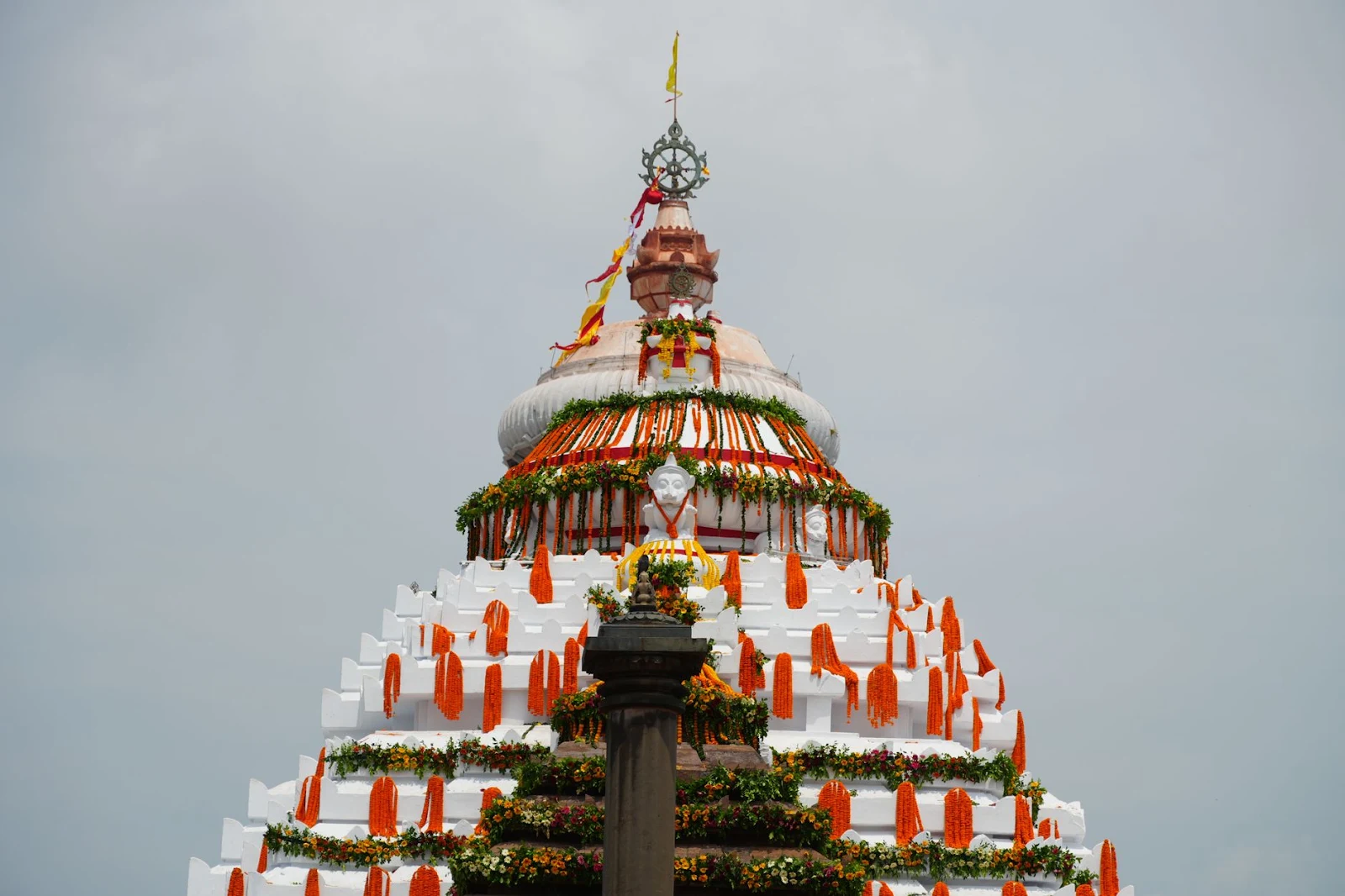
Due to its shared borders with Odisha, the historic cultural fabric of Seraikela Kharsawan is deeply intertwined with Jagannath culture. The Sri Jagannath Temple in Seraikela is an architectural and spiritual marvel constructed centuries ago under royal patronage. Emulating the sacred rituals and traditions of the Grand Temple of Puri, this historic shrine forms the focal point of the town's spiritual identity. Its stone shikharas, classic Kalinga architecture, and whitewashed sanctum stand in timeless reverence amidst the surrounding market lanes.
Key Highlights & Things to Do
Step inside the quiet sanctum to view the hand-carved wooden deities of Lord Jagannath, Balabhadra, and Goddess Subhadra. The temple complex is renowned for its grand celebration of the annual Rath Yatra (Chariot Festival). During this celebration, massive wooden chariots are painstakingly built, beautifully decorated, and pulled through the town by thousands of singing, chanting devotees. Even on quiet weekdays, the peaceful temple compound offers an ideal atmosphere for meditation, prayer, and admiring traditional stone-masonry art.
Practical Details: Timings, Fees, and Best Time
- Operating Hours: 5:30 AM to 12:00 PM and 4:30 PM to 8:30 PM every day.
- Entry Fee: Free entry. Modest donations for temple prasad are welcome.
- Ideal Time of Day: During evening Aarti (around 6:30 PM), when the resonant sound of bells and conch shells fills the sanctum.
How to Reach Locally
Located in the heart of Seraikela town, the temple is easily reached via local e-rickshaws, cycle rickshaws, or private vehicles from any lodging in town. It sits within walking distance of the Seraikela Rajbari.
5. Jayda Temple: Serenity on the Banks of the Subarnarekha

Why Visit Jayda Temple
Perched serenely along the banks of the sacred Subarnarekha River near Chandil, Jayda Temple (popularly known as Baba Jaydeshwar Dham) is an ancient shrine dedicated to Lord Shiva. Revered for its deep spiritual energy, this holy site combines mythological roots with scenic river landscapes. According to local folklore, taking a ritual bath in the flowing river waters here cleanses physical ailments before prayers are offered to the self-manifested Shiva Lingam inside the sanctum.
Key Highlights & Things to Do
The temple's river ghat offers a striking natural view, especially when the waters of the Subarnarekha run clear against the backdrop of rocky outcrops and forested knolls. Jayda Temple becomes an energetic cultural crossroads every January during Makar Sankranti and Tusu Parab. During this time, thousands of tribal and regional devotees gather for holy dips, sacred folk singing, and a vibrant village fair filled with local pottery, traditional brass items, and homemade sweets. Outside festival periods, it is a soothing, contemplative sanctuary where river currents and forest breezes set the rhythm of the day.
Practical Details: Timings, Fees, and Best Time
- Operating Hours: 5:00 AM to 7:00 PM throughout the year.
- Entry Fee: Free entry.
- Ideal Time of Day: Morning hours between 7:00 AM and 10:00 AM, when you can witness morning bathing rituals and peaceful riverbank ceremonies.
How to Reach Locally
Jayda Temple is situated close to the Ranchi-Tata National Highway (NH-33), approximately 5 km from Chandil town and about 35 km from Jamshedpur. Buses and shared tempos traveling along the highway between Jamshedpur and Chandil stop near the entrance road, from which the temple is a brief stroll away.
Best Time to Visit Seraikela Kharsawan
The climate of Seraikela Kharsawan reflects the typical sub-tropical pattern of the Chota Nagpur plateau, marked by hot summers, refreshing monsoons, and crisp, pleasant winters. Choosing your timing carefully ensures you make the most of outdoor explorations and cultural festivals.
- October to March (Winter & Post-Monsoon) — Highly Recommended: This is the ideal season to plan your journey. Temperatures hover pleasantly between 12°C and 25°C. The weather is dry, sunny, and delightful for water activities at Chandil Dam, nature walks, and exploring the royal corridors of the Rajbari without the draining heat. Makar Sankranti fairs in January bring an extra layer of local cultural warmth.
- April to June (Summer): Summers in southern Jharkhand can be scorching, with daytime mercury levels frequently crossing 40°C. While traveling during midday hours can be exhausting, visiting in mid-April offers one distinct, world-class reward: the annual Chaitra Parva, where you can watch original, spellbinding Seraikela Chhau performances in their home setting.
- July to September (Monsoon): The rains transform the district into an emerald paradise. Water reservoirs at Chandil and Sitarampur fill up, and the surrounding hillocks turn lush green. However, intermittent downpours can complicate local road travel, so carry dependable rain gear and check water levels if planning river visits.
How to Reach Seraikela Kharsawan
Seraikela Kharsawan is well connected via road and rail corridors running through southern Jharkhand and connecting neighboring Odisha and West Bengal.
By Air
The nearest domestic airport is Birsa Munda Airport in Ranchi (IXR), located approximately 115 km northwest of Seraikela. Ranchi operates daily flights from major metro hubs like New Delhi, Mumbai, Kolkata, Bengaluru, and Hyderabad. Alternatively, you can fly into Netaji Subhash Chandra Bose International Airport in Kolkata (CCU), roughly 260 km away, and board a fast intercity train straight to Tatanagar.
By Rail
The district boasts several strategic rail stations. Chandil Junction (CNI) and Sini Junction (SIN) are directly located within the district boundaries. However, the most important transit junction is Tatanagar Junction (Jamshedpur), located merely 35 to 40 km from Seraikela town center. Tatanagar is one of the busiest railway stations in Eastern India, well served by premium superfast and express trains including Vande Bharat, Rajdhani, and Shatabdi expresses.
By Road
National Highway 33 (NH-33) bisects the district, connecting Chandil conveniently to both Ranchi and Jamshedpur. State highways link Seraikela town with Chaibasa, Kandra, and Gamharia. Frequent government and private buses, regular shared cruisers, and taxi fleets operate between Jamshedpur, Ranchi, Purulia, and Seraikela at affordable fares.
Local Culinary Delights: Tastes of the Soil
Food in Seraikela Kharsawan is an authentic blend of Jharkhandi tribal staples and subtle Odia gastronomic traditions. The dishes rely on locally grown grains, wild seasonal mushrooms, and sun-dried preparations made with minimal oil and native spices.
- Dhuska with Ghugni: A beloved breakfast across Jharkhand, these deep-fried savoury cakes made from soaked rice and chana dal batter are served alongside a spicy, tangy curry of black chickpeas or dried peas.
- Rugra & Futu (Seasonal Mushrooms): If visiting in the monsoon, try Rugra—an indigenous, marble-sized subterranean puffball fungus that grows wild in the Sal forests. Cooked in mustard oil with onions and garam masala, its earthy, meat-like texture is delicious.
- Arsa Roti: A traditional festive sweetmeat made from powdered rice flour and jaggery syrup, gently deep-fried to create a crispy caramelized crust with a soft, chewy interior. It is an indispensable treat during local weddings and harvest festivals.
- Chilka Roti: A delicate, thin crepe prepared with rice and split urad dal, usually accompanied by roasted tomato-garlic chutney or seasonal vegetable curries.
- Mahua Delicacies: In tribal villages, sweet dried Mahua flowers are used to prepare winter breads, sweet porridge, and comforting country teas.
10 Essential Travel Tips for Visitors
- Respect Royal & Sacred Etiquette: When visiting the Seraikela Rajbari and Jagannath Temple, dress modestly. Always remove shoes before stepping into temple mandapas and inner royal prayer spaces.
- Hire a Local Cultural Guide: The history of Chhau dance and the Singh Deo dynasty is complex and fascinating. Spending a small fee on a local storyteller or guide at Seraikela makes the experience far richer.
- Carry Cash: While UPI and digital payments work in Chandil, Gamharia, and Seraikela town, smaller fruit vendors, countryside tea stalls, and village boatmen often operate purely in cash. Keep currency notes handy.
- Combine Chandil with Dalma Foothills: If you love wildlife, easily combine your trip to Chandil Dam with the elephant sanctuary corridor running along the Dalma hills on NH-33.
- Plan Boating in the Daytime: Boating at Chandil Dam halts as daylight fades. Arrive before 4:30 PM to secure tickets and life jackets for safety.
- Pack Sun Protection: Afternoon sun can be sharp even in autumn. Carry wide-brim hats, polarized sunglasses, and broad-spectrum sunscreen when on open reservoirs.
- Pick Up an Authentic Chhau Mask: Support local master craftsmen by buying genuine miniature or full-sized decorative Chhau masks directly from artists at the Chhau Kala Kendra rather than mass-market tourist shops.
- Exercise Caution Near Water: Water levels around Sitarampur Dam and Chandil can run deep. Stick to designated boating areas and avoid entering deep water on unsupervised embankments.
- Rent a Car for Flexibility: While public shared tempos operate between major villages, having a self-drive car or private taxi makes moving between rural dams and temples much smoother.
- Learn Basic Bengali, Hindi, or Odia: While most locals understand Hindi fluently, knowing a few words of Bengali, Odia, or Ho helps build immediate, warm connections with village communities.
Suggested 2-Day Weekend Itinerary
Day 1: Royal Heritage and Scenic Sunsets
- 08:30 AM – 10:30 AM: Arrive from Jamshedpur or Ranchi; reach Seraikela town. Check in to your hotel or guest house and enjoy a warm breakfast of hot Dhuska and Chana Ghugni.
- 10:45 AM – 01:15 PM: Visit the magnificent Seraikela Rajbari. Walk through the heritage grounds and spend time at the nearby Chhau Kala Kendra watching local artists carve masks and rehearse traditional steps.
- 01:30 PM – 02:30 PM: Relish an authentic regional Thali lunch in town featuring local rice, dal, and seasonal greens.
- 03:00 PM – 04:30 PM: Visit the historic Sri Jagannath Temple to experience peace and take in the classic Kalinga-style architecture.
- 05:00 PM – 06:30 PM: Take a short 25-minute drive to Sitarampur Dam. Enjoy a relaxing evening walk along the breezy embankment as the sun dips below the hills.
- 08:00 PM onwards: Return to Seraikela or Jamshedpur for dinner and a restful night.
Day 2: Mighty Waters and Spiritual Riverbanks
- 08:00 AM – 09:30 AM: Start early and drive towards Chandil along the scenic Subarnarekha corridor.
- 09:45 AM – 11:15 AM: Stop at the riverside Jayda Temple. Witness morning prayers, walk along the natural river ghat, and soak in the peaceful surroundings.
- 11:30 AM – 02:30 PM: Head up to the expansive Chandil Dam. Take an exciting motorboat ride across the deep blue waters to admire the nearby islands. Visit the excavation museum nearby to see ancient stone carvings, followed by lunch at a local highway dhaba.
- 03:00 PM – 04:30 PM: Explore the viewpoint near the dam spillway, take photos of the Subarnarekha valley, and sip on sweet clay-cup chai.
- 05:00 PM: Head back home towards Tatanagar Junction or Ranchi with rich memories of your trip through Jharkhand's heartland.
Frequently Asked Questions (FAQs)
1. What is Seraikela Kharsawan best known for?

Seraikela Kharsawan is famous worldwide as the cradle of the Seraikela style of Chhau dance, a masked martial dance tradition inscribed on UNESCO's Intangible Cultural Heritage list. The district is also renowned for its royal heritage, Jagannath temple rituals, and massive reservoirs like Chandil Dam.
2. Is Seraikela Kharsawan safe for solo travelers and families?

Yes, the district is welcoming and safe for both solo travelers and families. The local population is friendly and hospitable. As with any rural or offbeat destination, it is best to avoid isolated forest areas after nightfall and stay on main transit routes.
3. How far is Seraikela from Jamshedpur (Tatanagar)?

The administrative headquarters of Seraikela is located approximately 40 km west of Jamshedpur. The journey takes around 50 to 70 minutes by car via well-paved state highways.
4. Can we watch authentic Chhau dance performances throughout the year?
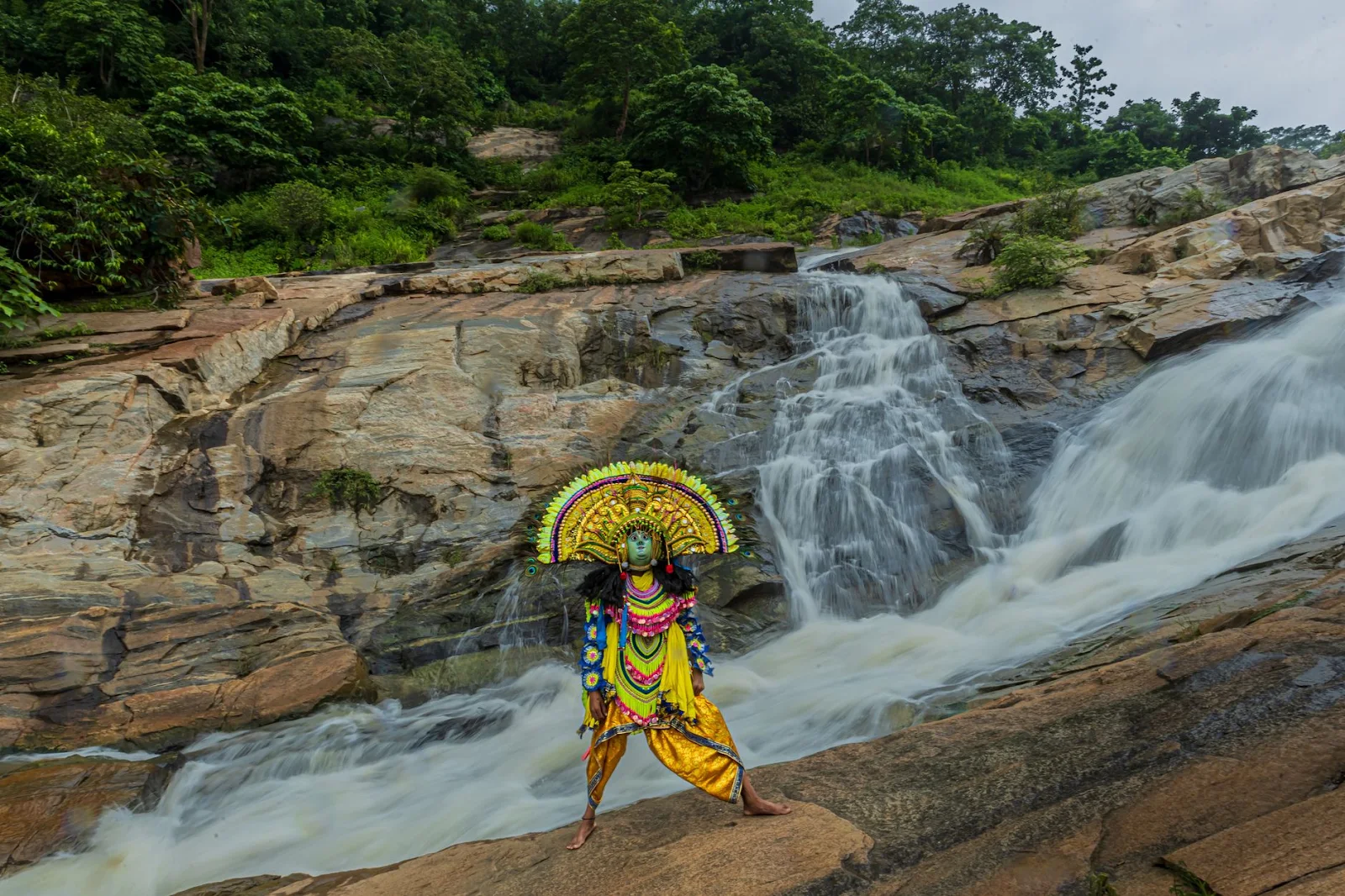
While the biggest performances happen during the annual Chaitra Parva festival in April, you can watch rehearsal routines, mask creation, and special demonstrations year-round by visiting the Government Chhau Kala Kendra in Seraikela with prior inquiry.
5. What are the best shopping souvenirs to buy in Seraikela?

The most iconic souvenir is a handcrafted Seraikela Chhau dance mask, made from clay, paper, and hand-painted pigments. You can also pick up local tribal handicrafts, handloom fabrics, and traditional sweets like Arsa Roti.
6. Are there good stay options within Seraikela Kharsawan?

Seraikela town and Chandil have modest, clean guest houses, budget lodges, and government inspection bungalows. For luxury or full-service star hotels, most travelers base themselves in Jamshedpur (Adityapur or Bistupur), which is less than an hour's drive away.
7. Is boating safe for children and seniors at Chandil Dam?

Yes, motorized recreational boating at Chandil Dam is safe. Operators supply mandatory life vests for passengers of all ages. Always ensure life vests are fastened securely before setting out onto the water.
8. Which languages are commonly spoken in the region?

Hindi, Bengali, Odia, Ho, Santhali, and Kudmali are widely spoken across the district. Basic Hindi is easily understood and spoken by almost everyone in shops, hotels, and transport stands.
Final Thoughts
Seraikela Kharsawan is a standout destination for curious travelers who wish to look beyond tourist hotspots and connect with authentic roots. From the historic corridors of the Seraikela Rajbari that gave birth to world-renowned dance dramas, to the calm, breeze-swept waters of Chandil and Sitarampur Dams, the district provides a rare blend of nature and living culture. Here, ancient Shiva temples sit peacefully beside flowing rivers, and the rhythmic beat of the Dhol, Nagada, and Shehnai still echoes across palace courtyards. Whether you visit for a weekend break from neighboring cities or include it as a key stop on an extended journey through Eastern India, Seraikela Kharsawan offers an enriching, down-to-earth, and unforgettable travel experience.



0 Comments