
Top 5 Places to Visit in Sant Kabir Nagar, Uttar Pradesh: A Complete Travel Guide
Tucked away in the fertile Terai plains of eastern Uttar Pradesh, Sant Kabir Nagar is a destination where timeless mysticism, ancient archaeology, and untouched wetland ecology quietly converge. Carved out of the erstwhile Basti and Gorakhpur districts in 1997, this unassuming district owes its name and spiritual aura to the revolutionary 15th-century mystic poet and philosopher, Sant Kabir Das. While modern tourists frequently bypass smaller eastern districts on their sprint between Ayodhya and Varanasi, Sant Kabir Nagar rewards slow, mindful travelers with deep philosophical heritage and remarkable pastoral charm.
The cultural heartbeat of the district resides in Maghar, an evocative settlement along the gentle bends of the Aami River. It was here that Kabir consciously chose to spend his final days, actively defying the centuries-old orthodox superstition that dying in Maghar brought rebirth as a donkey, while dying in Kashi guaranteed salvation. Today, the Kabir Chaura complex stands as an extraordinary symbol of unity, featuring a Hindu samadhi temple and a Muslim mazaar resting side by side beneath whispering neem and banyan canopies.
Beyond its profound spiritual legacy, Sant Kabir Nagar is an ecological haven. The sprawling Bakhira Bird Sanctuary, recognized internationally as a Ramsar site, welcomes hundreds of thousands of migratory waterfowl each winter across its shimmering waters. Add to this the atmospheric ancient temple of Baba Tameshwar Nath, the enigmatic terracotta mounds of Kopia, and the vibrant clatter of traditional handlooms in Khalilabad, and you discover a land brimming with hidden wonders. Whether you are a history lover, a keen birder, or a spiritual seeker, this curated travel guide unveils the best places to visit in Sant Kabir Nagar for an unforgettable journey.
Table of Contents
- 1. Sant Kabir Chaura Smarak, Maghar
- 2. Bakhira Bird Sanctuary (Bakhira Tal)
- 3. Baba Tameshwar Nath Temple
- 4. Kopia Archaeological Site
- 5. Khalilabad Handloom & Brass Market
- Best Time to Visit Sant Kabir Nagar
- How to Reach Sant Kabir Nagar
- Local Culinary Delights
- 10 Essential Travel Tips for Visitors
- Suggested 2-Day Itinerary
- Frequently Asked Questions
- Conclusion
1. Sant Kabir Chaura Smarak, Maghar
Overview & Cultural Significance
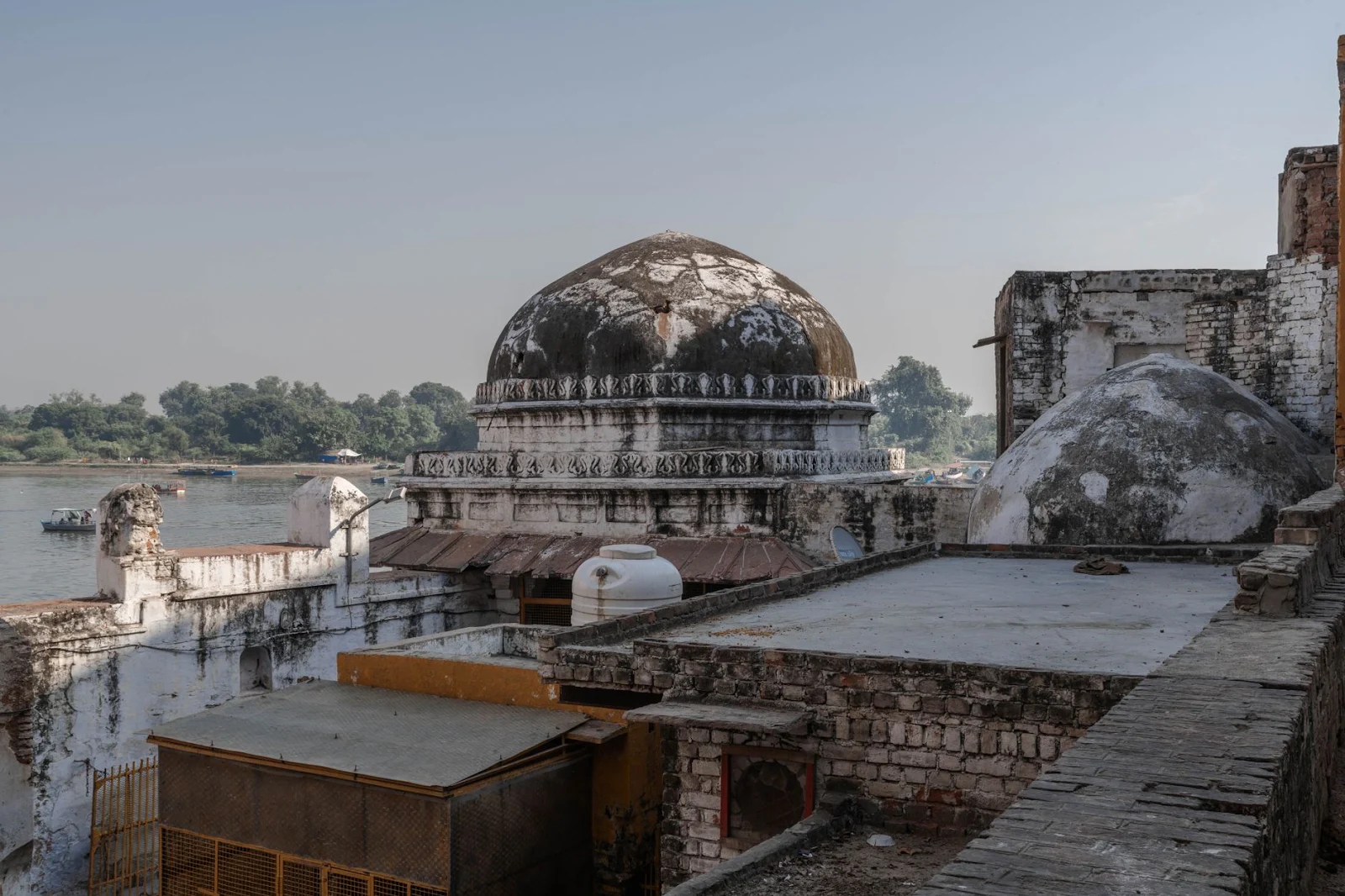
Sant Kabir Chaura Smarak in Maghar is undeniably the crown jewel among the top tourist places in Sant Kabir Nagar. Located roughly 7 kilometers south of the district headquarters at Khalilabad, this serene pilgrimage complex immortalizes the humanist philosophy of Kabir. According to beloved regional folklore, when Kabir passed away in 1518, his Hindu and Muslim disciples argued bitterly over whether to cremate his earthly remains according to Vedic rituals or bury him in accordance with Islamic tradition. When they lifted the burial shroud, they found only a fragrant bed of fresh flowers. The disciples divided the flowers equally: the Hindus built a sacred samadhi shrine, and the Muslims erected a reverent mazaar on the other side of the courtyard.
What to See and Experience
The complex is an architectural testament to brotherhood. Visitors can walk quietly through the manicured gardens, pay respects at both the white-domed mazaar and the brick-adorned samadhi temple, and absorb the peaceful ambiance. A short flight of steps leads down to the Kabir Gufa (meditation cave), a tranquil subterranean alcove where the mystic sat in contemplation. Adjacent to the historic memorial, the state-of-the-art Sant Kabir Academy houses an interpretive museum, an extensive research library, and an auditorium hosting devotional poetry readings and folk concerts during the annual Maghar Mahotsav in January. Walking down to the tranquil ghats of the Aami River behind the complex at dusk offers a rare moment of introspection.
Visitor Essentials
- Location: Maghar, approximately 7 km from Khalilabad Railway Station.
- Timings: 6:00 AM to 7:00 PM daily.
- Entry Fee: Free entry; nominal charges may apply for special museum exhibits.
- Ideal Duration: 2 to 3 hours.
2. Bakhira Bird Sanctuary (Bakhira Tal)

Overview & Natural Splendor
Spread across an expanse exceeding 28 square kilometers, Bakhira Wildlife Sanctuary—locally known as Bakhira Tal or Moti Jheel—is the largest natural floodplain wetland in eastern Uttar Pradesh. Designated as a prestigious Ramsar Site in 2021, this colossal water body is nourished by natural monsoon drainage and perennial streams, creating a vibrant freshwater habitat of submerged vegetation, reeds, and floating aquatic meadows. For eco-tourists and wildlife photographers, it ranks among the best places to visit in Sant Kabir Nagar.
Birdwatching and Boating
During the crisp winter months between November and February, Bakhira transforms into an avian spectacle. More than 100 species of migratory waterbirds fly across the Himalayas from Siberia, Central Asia, and Tibet to winter in its sheltering waters. Early mornings offer breathtaking vistas as greylag geese, bar-headed geese, northern pintails, Eurasian wigeons, common teals, and garganeys glide across the mist-shrouded lake. The sanctuary is also home to magnificent resident waterbirds, including the vulnerable Sarus crane, purple swamphens, pheasant-tailed jacanas, and bronze-winged jacanas. Visitors can climb the designated watchtowers erected by the forest department or arrange a silent wooden boat ride with licensed local boatmen to observe nesting colonies up close.
Visitor Essentials
- Location: Near Bakhira town, roughly 20 km north of Khalilabad.
- Timings: 6:00 AM to 5:00 PM (Best light and bird activity between 6:30 AM and 9:30 AM).
- Entry Fee: INR 30 per Indian adult, INR 100 for foreign visitors; small additional fee for professional cameras and boat safaris.
- Ideal Duration: 3 to 4 hours.
3. Baba Tameshwar Nath Temple

Mythological Lore & Architecture
Deeply revered across eastern Uttar Pradesh and neighboring Nepal, Baba Tameshwar Nath Temple (also known locally as Tamreshwar Mahadev) is an ancient Shaivite pilgrimage shrine situated a short drive southwest of Khalilabad. Local lore ties this sanctuary to antiquity, with popular legends linking its founding to the copper-rich era described in ancient regional folklore. It is widely believed that the self-manifested (swayambhu) Shivalinga enshrined here possesses miraculous healing energies, drawing hundreds of thousands of pilgrims seeking solace and spiritual rejuvenation.
The Temple Experience
Surrounded by tall peepal trees and flanked by a large traditional temple water tank (kund), the complex radiates traditional rural Indian spirituality. In the sanctum sanctorum, continuous Vedic recitations and the resonant clatter of bronze bells accompany offerings of sacred bael leaves, gangajal, and fresh milk. During the holy Hindu month of Shravan (monsoon) and on the auspicious night of Maha Shivratri, the temple becomes the epicenter of an immense religious fair (mela). Devotees, often walking barefoot as Kanwariyas carrying water from the sacred Saryu or Ghaghara rivers, gather here in festive celebration. Even on regular weekdays, the temple offers a deeply meditative retreat away from busy national highways.
Visitor Essentials
- Location: Tameshwar Nath village, approximately 9 km from Khalilabad center.
- Timings: 5:00 AM to 8:30 PM (Mangala Aarti at 5:30 AM; Sandhya Aarti at 7:00 PM).
- Entry Fee: Free entry.
- Ideal Duration: 1 to 2 hours.
4. Kopia Archaeological Site

Archaeological Significance & Antiquity
For those drawn to ancient history, the enigmatic mounds of Kopia represent one of the most intellectually fascinating places to visit in Sant Kabir Nagar. Located close to the border of the district near Khalilabad, Kopia was excavated comprehensively by the Archaeological Survey of India (ASI) in collaboration with Banaras Hindu University. The findings revealed that this peaceful agricultural hamlet was once a thriving industrial metropolis dating from the Northern Black Polished Ware (NBPW) period (circa 7th to 3rd century BCE) all the way through the Kushan and Gupta empires.
What Remains to Explore
Kopia is internationally recognized in archaeological annals as one of India's earliest and most advanced manufacturing hubs for ancient glass beads and terracotta artifacts. Excavations revealed ancient furnace foundations, melting pots, glass slag, and thousands of exquisitely colored micro-beads crafted over two millennia ago. The site is also believed to have sheltered early Buddhist monastic communities traveling between Kapilavastu, Sravasti, and Kushinagar. While the delicate artifacts are preserved in regional museums, walking through the grassy excavation mounds and structural brick basements offers an evocative brush with India’s ancient industrial ingenuity.
Visitor Essentials
- Location: Kopia village, roughly 14 km northwest of Khalilabad.
- Timings: Sunrise to Sunset.
- Entry Fee: Free entry.
- Ideal Duration: 1 to 2 hours.
- Tip: Engage an educated local village guide or carry background research notes, as on-site informational signboards are basic.
5. Khalilabad Handloom & Brass Market
The Industrial & Artisanal Heartbeat
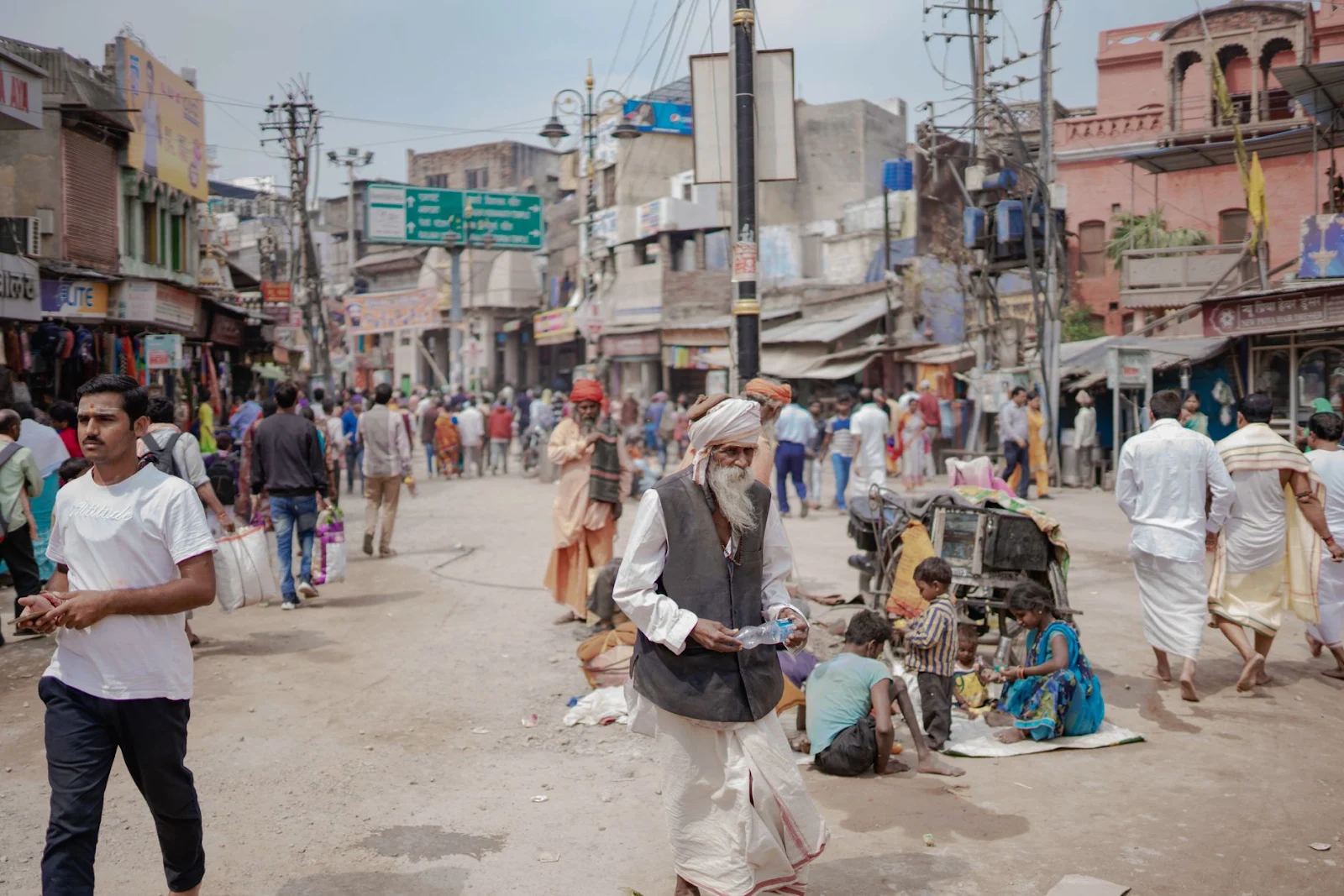
To experience the living culture and raw commercial energy of the district, an evening exploration of the Khalilabad Handloom and Brass Market is indispensable. Khalilabad has long served as the premier wholesale textile market for eastern Uttar Pradesh, rivaling older merchant towns across the Purvanchal region. The rhythmic clack of shuttle looms rings through the alleys of nearby weaver quarters, where generations of master craftspeople weave cotton lungis, gamchhas, bedsheets, dhotis, and jacquard fabrics.
Crafts, Shopping, and Sensory Impressions
Beyond textiles, the town maintains a long tradition of brass and bell-metal casting (Kansa). Exploring the bustling bazaar lanes reveals rows of open-fronted merchant shops piled high with gleaming bronze kitchenware, hand-beaten puja utensils, melodic ghungroos, and decorative figurines. Strolling through the market provides a window into the rustic economy of eastern India. Travelers can buy authentic hand-woven cotton cloth directly from weaver cooperatives at wholesale prices, taste freshly made hot jalebis fried in desi ghee, and observe the friendly trade banter that defines life in Purvanchal's historic bazaars.
Visitor Essentials
- Location: Central Khalilabad city center, surrounding Main Road and Purana Bazaar.
- Timings: 10:30 AM to 8:30 PM (Best to visit after 4:00 PM; many wholesale fabric stalls close on Mondays or Tuesdays depending on weekly turns).
- Entry Fee: Free to explore.
- Ideal Duration: 2 to 3 hours.
Best Time to Visit Sant Kabir Nagar
Sant Kabir Nagar experiences the typical sub-tropical continental climate of the Indo-Gangetic plains, characterized by three pronounced seasons:
Winter (October to March) — Ideal Season
Winter is without doubt the best time to explore the top tourist places in Sant Kabir Nagar. Daytime temperatures remain delightfully pleasant, ranging between 12°C and 24°C, accompanied by clear blue skies and cool morning breezes. This period coincides with the arrival of vast migratory bird flocks at Bakhira Bird Sanctuary. Furthermore, mid-January brings the lively Maghar Mahotsav, an annual state-sponsored festival celebrating Kabir's philosophy with vibrant Sufi music, literary discourses, local sports, and culinary fairs.
Summer (April to June) — Avoid
Summers in the district are intensely hot and dry, with afternoon temperatures frequently crossing 42°C to 45°C. Hot desert winds, known locally as Loo, sweep the plains during May and June, making daytime sightseeing exhausting and uncomfortable. If you must visit in summer, restrict your excursions to early dawn and late dusk.
Monsoon (July to September) — Lush & Green
The southwest monsoon brings heavy rainfall, turning the rural countryside into lush green tapestries. While high humidity and intermittent waterlogging can disrupt local dirt-road travel, the monsoon provides a spectacular rejuvenation of Bakhira Lake and the Aami River basin. The holy Hindu month of Shravan (July–August) also brings colorful religious processions to the Baba Tameshwar Nath Temple.
How to Reach Sant Kabir Nagar
Positioned along the Lucknow–Gorakhpur corridor, Sant Kabir Nagar enjoys seamless transport connections via air, rail, and road networks.
By Air
The nearest domestic airport is Mahayogi Gorakhnath Airport (GOP) in Gorakhpur, located approximately 42 kilometers east of Khalilabad. Gorakhpur operates daily nonstop flights connecting major metros like Delhi, Mumbai, Kolkata, Bengaluru, and Hyderabad. Travelers can easily book app-based cabs or private taxis from the airport terminal directly to Khalilabad or Maghar (roughly a 50-minute drive). Alternatively, the newly opened Maharishi Valmiki International Airport in Ayodhya (AYJ) is about 105 kilometers west via the national highway.
By Train
The district headquarters, Khalilabad Railway Station (Station Code: KLD), sits prominently on the main double-track electrified Gorakhpur–Lucknow line of the North Eastern Railway. Several superfast express trains—including the Gorakhdham Express, Vaishali Express, Intercity Express, and Bagh Express—make scheduled stops at Khalilabad. For premium long-distance connectivity, Gorakhpur Junction (GKP), one of India's largest railway terminals, lies just 35 kilometers away.
By Road
Sant Kabir Nagar has outstanding arterial highway access. National Highway 27 (NH 27), a high-speed multi-lane divided highway linking Porbandar to Silchar, passes directly through Khalilabad and Maghar. Regular air-conditioned and standard buses operated by Uttar Pradesh State Road Transport Corporation (UPSRTC) ply every 15 to 30 minutes connecting Khalilabad with Lucknow (240 km), Ayodhya (100 km), Gorakhpur (35 km), Basti (36 km), and Varanasi (200 km).
Local Culinary Delights in Sant Kabir Nagar
The cuisine of Sant Kabir Nagar reflects the wholesome, rustic agrarian traditions of Purvanchal. Dining here is genuine, unpretentious, and deeply seasonal.
- Litti Chokha: Roasted whole-wheat dough balls stuffed with spiced roasted gram flour (sattu), cracked open, bathed in pure desi ghee, and served alongside smoky mashed eggplant (baingan), boiled potatoes, and charred tomatoes infused with raw mustard oil, green chillies, and garlic.
- Maghar ke Pede & Khoya Sweets: The dairy-rich villages surrounding Maghar and Khalilabad produce rich milk fudge (pede) simmered for hours in iron woks, lightly perfumed with green cardamom and crushed pistachios.
- Taaza Jalebi & Khasta Kachori: The universal morning breakfast staple throughout Khalilabad's market lanes. Crisp lentil-stuffed kachoris served with spicy, oil-tinged hing-aloo subzi, followed by piping hot, syrup-dripping saffron jalebis.
- Sattu Sharbat: During warmer afternoons, wayside wooden pushcarts whip up chilled savory sattu drinks blended with ice, roasted cumin, black salt, fresh mint, and chopped green chillies—an energizing, probiotic coolant.
- Seasonal Tilkut & Lai ke Laddoo: During winter and the Maghar Mahotsav, confectioners produce crisp sesame brittle (tilkut) and puffed rice balls bound together with dark, fragrant sugarcane jaggery.
10 Essential Travel Tips for Visitors
- Pack High-Zoom Binoculars: When visiting Bakhira Bird Sanctuary, birds often forage hundreds of meters from the shore. A decent pair of 8x42 or 10x50 binoculars, or a telephoto lens (300mm+), will dramatically elevate your experience.
- Wear Slip-On Shoes: Because your itinerary will involve sacred spaces like Kabir Chaura, the Gufa, and Baba Tameshwar Nath, slip-on shoes or comfortable sandals will save you time taking footwear off repeatedly.
- Respect Sacred Protocols: While Kabir’s shrine embodies universalism, visitors should dress modestly, covering shoulders and knees out of respect for both Hindu and Muslim devotional conventions on the premises.
- Hire Local E-Rickshaws for Town Travel: Khalilabad’s dense market alleys are best explored using quiet, inexpensive battery-operated e-rickshaws, which easily navigate streets where private cars get gridlocked.
- Carry Cash: While digital payments via UPI are widely accepted in urban Khalilabad, rural villages, boatmen at Bakhira, and small roadside snack stalls frequently deal exclusively in paper currency. Keep smaller denominations (INR 10, 20, 50, and 100) handy.
- Schedule Morning Excursions for Maghar: Morning sunlight provides the most flattering illumination for photography across the white-domed mazaar and the Aami River ghats.
- Stay Mindful of Winter Fog: Between late December and mid-January, dense fog can settle over the NH 27 highway between midnight and 9:00 AM. If driving yourself from Gorakhpur or Ayodhya, exercise extra caution.
- Engage Certified Boatmen at Bakhira: When taking country boats on Bakhira Tal, insist on forest-department registered boat operators who know the deep-water channels and bird nesting zones safely.
- Combine with Neighboring Heritage Circuits: Because Sant Kabir Nagar sits comfortably between Gorakhpur (Gorakhnath Temple) and Ayodhya (Ram Mandir), you can easily weave it into a broader cultural circuit across eastern UP.
- Support Weaver Cooperatives Directly: In the Khalilabad textile bazaar, seek out primary weaver societies and cooperative stores to ensure your handloom purchases directly benefit the artisan families.
Suggested 2-Day Itinerary for Sant Kabir Nagar
This carefully balanced 48-hour itinerary lets you immerse yourself in the natural biodiversity, deep-seated history, and spiritual legacy of the district at a comfortable, unhurried pace.
Day 1: Spiritual Awakening & Market Heritage
- 08:30 AM – 11:30 AM: Arrive from Gorakhpur or check in to your hotel in Khalilabad. Drive directly to Maghar. Explore the Sant Kabir Chaura Smarak, paying homage at the Samadhi Mandir, Mazaar, and underground Kabir Gufa. Walk down to the Aami River ghats.
- 11:30 AM – 01:00 PM: Tour the Sant Kabir Academy Museum and Research Library to view ancient palm manuscripts and thematic exhibits on Kabir panthi traditions.
- 01:00 PM – 02:30 PM: Savor a traditional lunch of hot dal, roti, seasonal subzi, and fresh Litti Chokha at a reputable dhabha along the national highway.
- 03:00 PM – 04:30 PM: Visit the revered Baba Tameshwar Nath Temple. Spend quiet moments beside the historic temple tank and admire the ancient stone craftsmanship.
- 05:00 PM – 07:30 PM: Head into central Khalilabad to explore the buzzing Handloom and Brass Market. Browse authentic cotton textiles and hand-beaten bronze utensils, stopping to enjoy street-side khasta kachoris and tea.
- 08:30 PM: Dinner and restful overnight stay in Khalilabad or nearby Gorakhpur.
Day 2: Wetland Safari & Ancient Antiquities
- 06:00 AM – 10:00 AM: Early morning departure for Bakhira Bird Sanctuary (carry a warm jacket in winter). Embark on a serene country boat ride as the sun rises over the water reeds. Spot migratory geese, cranes, and wading waterbirds with a local guide.
- 10:30 AM – 11:30 AM: Traditional village breakfast of piping hot jalebis, kachoris, and chai near Bakhira bazaar.
- 12:00 PM – 02:00 PM: Drive to the historic Kopia Archaeological Site. Explore the archaeological mounds where ancient Indian glass-making furnaces once flourished more than two thousand years ago.
- 02:30 PM – 04:00 PM: Return toward Khalilabad for a leisurely afternoon meal and collect famous Maghar pedes to take home.
- 04:30 PM Onward: Board your train at Khalilabad Railway Station or take the short taxi drive to Gorakhpur Airport for your onward journey.
Frequently Asked Questions (FAQs)
1. What is Sant Kabir Nagar primarily famous for?

Sant Kabir Nagar is internationally renowned for Maghar, the sacred site where the revolutionary poet-saint Sant Kabir Das passed away and where his Hindu samadhi and Muslim mazaar stand harmoniously side by side. It is also celebrated for Bakhira Bird Sanctuary (a Ramsar Wetland) and Khalilabad's booming wholesale handloom and brass craft markets.
2. Where is Maghar located, and how far is it from Khalilabad?

Maghar is situated right off National Highway 27, merely 7 kilometers east of Khalilabad city center. It takes approximately 10 to 15 minutes to reach Maghar from the Khalilabad railway station via car, taxi, or local auto-rickshaw.
3. Why is Bakhira Bird Sanctuary environmentally important?

Bakhira Bird Sanctuary is the largest natural floodplain wetland in eastern Uttar Pradesh. In 2021, it was designated as an internationally protected Ramsar Site because it provides a critical wintering refuge for over 100 species of migratory waterfowl, including endangered species like the Sarus crane and ferruginous pochard.
4. What is the nearest airport to Sant Kabir Nagar?

The nearest active airport is Gorakhpur Airport (GOP), located approximately 42 kilometers east of Khalilabad. It offers regular scheduled domestic flights to major cities including Delhi, Mumbai, Bengaluru, and Hyderabad. The newly built Ayodhya Airport (AYJ) is also accessible at a distance of roughly 105 kilometers.
5. When does the annual Maghar Mahotsav take place?

The Maghar Mahotsav is held annually during the month of January (typically starting around Makar Sankranti). The festival features classical and folk musical concerts, Sufi qawwalis, poetry recitals (Kavi Sammelan), regional handicraft stalls, and agricultural exhibits.
6. Are there good accommodation options in Sant Kabir Nagar?

Khalilabad has several budget hotels, guesthouses, and comfortable business stays suitable for travelers. However, for luxury accommodations, star-rated hotels, or comprehensive tourist resort amenities, many visitors choose to stay in Gorakhpur city (just a 40-minute drive away) and explore Sant Kabir Nagar as a day excursion.
7. Is Sant Kabir Nagar safe for solo and family travelers?
Yes, Sant Kabir Nagar is very safe and welcoming for both solo explorers and families. The local community takes immense pride in Sant Kabir’s legacy of communal harmony, love, and hospitality. Standard travel precautions—such as avoiding isolated rural paths late at night and arranging transportation in advance—are all that is required.
8. What unique souvenirs should I purchase from the district?

Top items to take home include handloom cotton fabrics (such as authentic gamchhas, lungis, and traditional bedspreads) directly from Khalilabad weavers, hand-crafted brass and bell-metal puja items, and sweet milk pedes from Maghar.
Conclusion
Sant Kabir Nagar may not feature on the conventional tourist map of Uttar Pradesh, yet it delivers an encounter that stays with you long after you leave. Standing beneath the trees at Maghar where Hindu and Muslim monuments share the same quiet soil, one feels the enduring truth of Kabir's message: that beneath external rituals, humanity shares a single, interconnected soul. When paired with the peaceful waters of Bakhira, where thousands of winged travelers glide against early morning mists, the district reveals itself as a haven of harmony in every sense of the word.
Whether you find joy in deciphering the traces of forgotten glassmakers at Kopia, feeling the spiritual devotion of Baba Tameshwar Nath Temple, or diving into the rhythmic hum of Khalilabad’s handlooms, this tranquil district provides a genuine glimpse into the unvarnished heart of eastern India. As you chart your next journey through Uttar Pradesh, step away from the crowded highways and let Sant Kabir Nagar surprise you with its poetry, nature, and enduring soul.



0 Comments