
Top 5 Places to Visit in Sambhal, Uttar Pradesh: A Historical Gem
Welcome, wanderlust souls and history enthusiasts, to another exciting journey through the heartland of Uttar Pradesh! If you are someone who loves peeling back the layers of time to reveal forgotten kingdoms, architectural marvels, and deep-rooted cultural heritage, then pack your bags. Today, we are taking you off the beaten tourist track to explore the ancient and culturally rich district of Sambhal. When travelers think of Uttar Pradesh, iconic destinations like Agra, Varanasi, and Lucknow usually steal the spotlight. However, nestled in the Rohilkhand region lies a town whose history stretches back to the mythological epochs of the Mahabharata and the Satyug. Exploring the top tourist places in Sambhal is like walking through the living pages of an epic historical chronicle.
Sambhal is not just a destination; it is an experience that connects you to the glorious past of North India. Mentioned in ancient texts like the Puranas and the Mahabharata, this city was once known as Satyavrata during the Satyug, Mahadgiri in Treta Yug, and Pshkaravati in Dwapar Yug, before finally earning its current name in the Kali Yuga. Over the centuries, it served as an important provincial headquarters for the Delhi Sultanate and the mighty Mughals. Babur, the founder of the Mughal Empire, even spent a significant part of his early reign here, and the town is famously prophesied in Hindu sacred texts as the birthplace of Kalki, the final avatar of Lord Vishnu. Today, the best places to visit in Sambhal offer a mesmerizing blend of ancient temples, historical mosques, bustling local bazaars, and warm, traditional hospitality that will leave you spellbound.
Whether you are planning a weekend getaway from Delhi or looking to dive deep into the lesser-known historical circuits of Uttar Pradesh, Sambhal promises a rewarding adventure. From architectural wonders that survived centuries of political turbulence to serene spots echoing spiritual chants, this travel guide covers everything you need to know. Join us as we uncover the top 5 places to visit in Sambhal, along with curated itineraries, local culinary delights, and essential travel tips to make your trip unforgettable.
Table of Contents
- 1. Jama Masjid Sambhal (Babar's Mosque)
- 2. Hari Mandir and Kalki Peeth
- 3. Santhal Devi Temple
- 4. Sarai Tarin Ancient Market and Artifacts
- 5. Manas Mandir
- Best Time to Visit Sambhal
- How to Reach Sambhal
- Famous Local Food in Sambhal
- 10 Essential Travel Tips for Sambhal
- Suggested 2-Day Sambhal Itinerary
- Frequently Asked Questions (FAQs)
- Conclusion
1. Jama Masjid Sambhal (Babar's Mosque)

Overview and Historical Significance
Standing tall on an elevated ground in the heart of the city, the Jama Masjid of Sambhal is arguably the most famous historical landmark in the district. Constructed in the year 1526 by Mir Baqi, a commander under the first Mughal emperor Babur, this grand mosque is a magnificent specimen of early Mughal and Sultanate architecture. According to historical accounts inscribed on its walls, Babur visited Sambhal and ordered the construction of this majestic structure, making it one of the earliest surviving Mughal architectural projects in India. Interestingly, local folklore and historical debates also link the site to an ancient Hindu temple dedicated to Lord Vishnu, adding layers of profound historical intrigue to its very existence.
What to Expect
As you approach the Jama Masjid, you will be immediately struck by its imposing structure built using red sandstone, Lakhori bricks, and lime plaster. The mosque features a prominent central dome flanked by smaller symmetrical domes and soaring minarets that offer a panoramic view of the surrounding town. The spacious courtyard can accommodate thousands of worshippers, and the interior prayer hall boasts intricate arched niches (mihrabs) and delicate floral carvings typical of the transitional architectural phase between the Lodhi Dynasty and the early Mughals. Walking through the quiet corridors allows you to reflect upon the tectonic political shifts that shaped medieval India.
Visitor Information
Timings: Open daily from sunrise to sunset (approx. 6:00 AM to 8:00 PM). Non-prayer times are best for tourists.
Entry Fee: Free.
Recommended Duration: 1 to 1.5 hours.
Best Time to Explore: Late afternoon, just before sunset, when the golden hour light illuminates the red sandstone exterior.
2. Hari Mandir and Kalki Peeth
Overview and Historical Significance
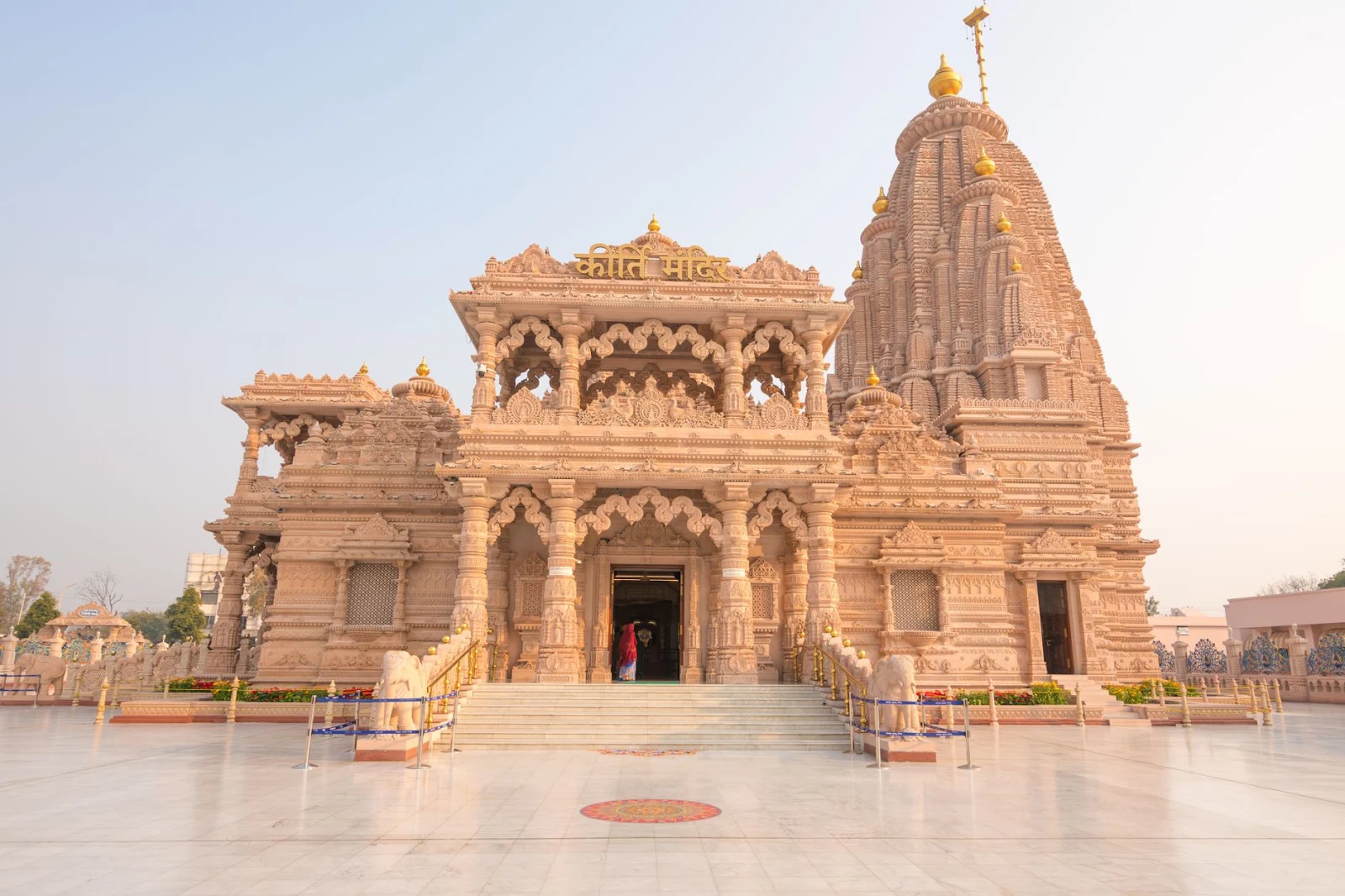
For spiritual seekers and mythology enthusiasts, Hari Mandir and the associated Kalki Peeth hold supreme religious importance among the tourist places in Sambhal. According to Hindu sacred texts, particularly the Kalki Purana and the Srimad Bhagavatam, Sambhal is destined to be the birthplace of Kalki, the tenth and final avatar of Lord Vishnu, who will descend at the end of the Kali Yuga to restore righteousness. Hari Mandir is a sacred sanctuary dedicated to this prophesied divine incarnation, drawing thousands of pilgrims, sadhus, and devotees from across India, especially during the annual Kalki Mahotsav.
What to Expect
The atmosphere surrounding Hari Mandir is deeply serene, meditative, and charged with devotional energy. The temple complex is adorned with vibrant paintings and sculptural representations depicting various avatars of Lord Vishnu and scenes from Hindu epics. Priests and local scholars are usually eager to share fascinating mythological tales tied to the soil of Sambhal. Visitors can participate in the daily aartis, meditate in the quiet sanctum, and explore the spiritual library that houses rare manuscripts and texts discussing the eschatology of the Kalki avatar. The intricate temple architecture, featuring traditional shikharas and carved marble pillars, makes it a visual delight as well.
Visitor Information
Timings: 5:00 AM to 9:00 PM every day.
Entry Fee: Free.
Recommended Duration: 1 to 2 hours.
Best Time to Explore: Early morning during the Mangala Aarti or during the grand festival of Kalki Jayanti.
3. Santhal Devi Temple
Overview and Historical Significance
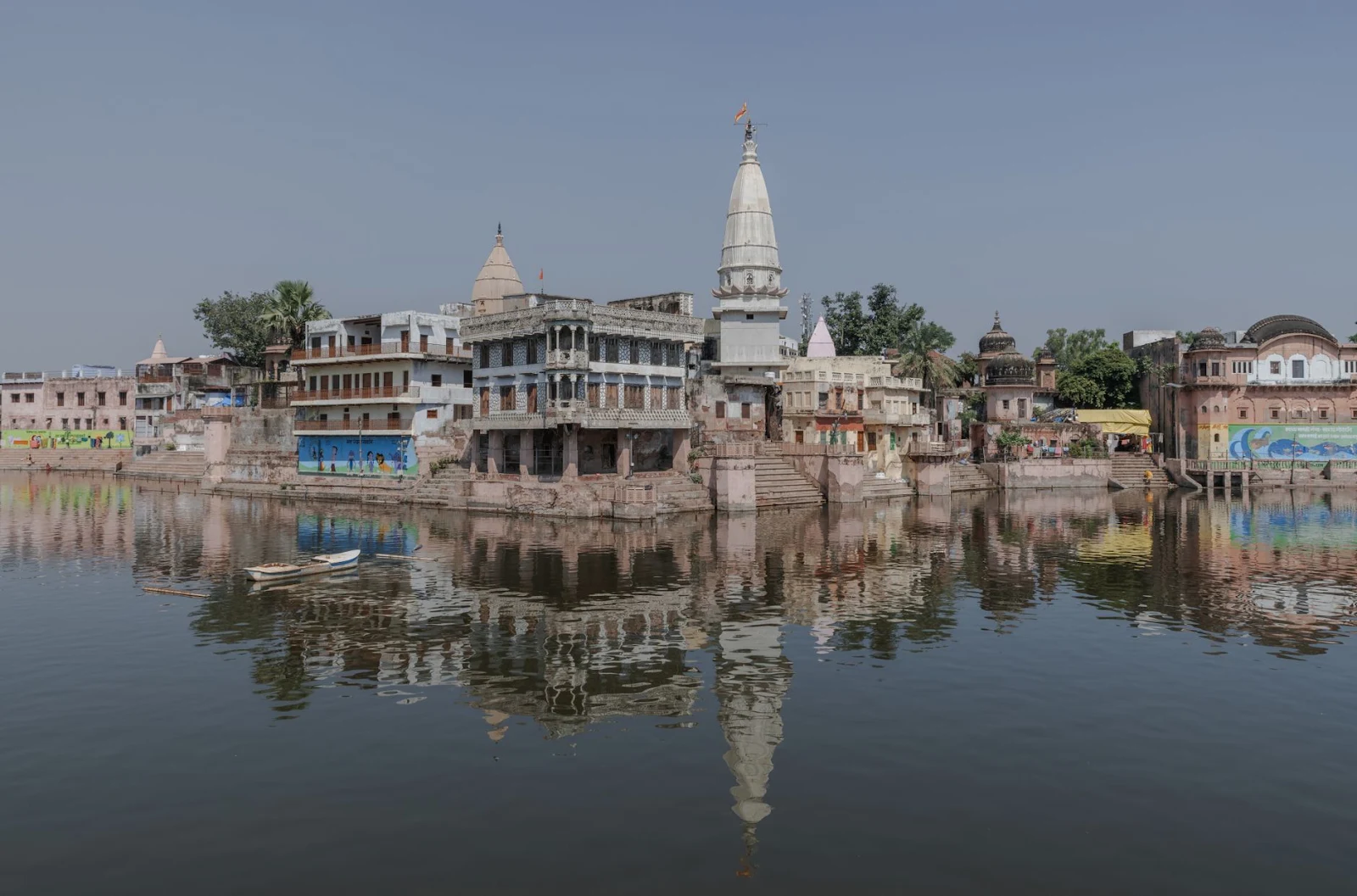
No trip to Sambhal is complete without paying homage at the revered Santhal Devi Temple, one of the oldest and most culturally significant Hindu shrines in the district. Dedicated to Goddess Durga in her fierce and protective manifestation, this temple is deeply woven into the everyday cultural fabric of the local community. Legend has it that the deity manifested here centuries ago, and ever since, the temple has been a powerful center of faith where devotees come to seek divine protection, blessings for prosperity, and fulfillment of their heartfelt wishes.
What to Expect
Situated in a bustling neighborhood, the temple radiates vibrant energy, particularly during the bi-annual Navratri festivals when the entire premises are illuminated with twinkling lights and decorated with fresh flowers. As you step inside, the sweet fragrance of incense, the rhythmic ringing of brass bells, and the chanting of hymns create an aura of divine peace. The main shrine houses a deeply revered idol adorned with traditional silk garments and shimmering jewelry. Pilgrims traditionally tie sacred threads around the holy tree inside the courtyard as a pledge of faith. The surrounding area also offers small stalls selling religious paraphernalia, fresh sweets, and traditional handicrafts.
Visitor Information
Timings: 6:00 AM to 8:30 PM daily.
Entry Fee: Free.
Recommended Duration: 45 minutes to 1 hour.
Best Time to Explore: During the auspicious days of Navratri or Tuesday and Friday evenings.
4. Sarai Tarin Ancient Market and Artifacts

Overview and Historical Significance
Sarai Tarin is a historic twin town adjacent to Sambhal municipal limits, renowned for its rich heritage of traditional craftsmanship, horn-and-bone artifact manufacturing, and bustling medieval-style bazaars. Historically established as a royal caravan sarai (inn) along ancient trade routes during the Delhi Sultanate and Mughal eras, Sarai Tarin has evolved into a vibrant industrial and cultural hub. It represents the living heritage of Sambhal, showcasing artisanal skills that have been lovingly passed down through generations for hundreds of years.
What to Expect
If you love authentic cultural immersion, a walk through the narrow, bustling lanes of Sarai Tarin is an absolute must. This area is globally famous for its exquisite handicraft industry, particularly items carved from ethically sourced bone, horn, wood, and metal. You can visit small family-run workshops to witness master craftsmen delicately carving intricate geometric patterns into decorative boxes, photo frames, buttons, and home decor items. The market is also a fantastic place to shop for traditional handloom textiles, brassware, and local antiques. The vibrant chaos, the sound of chisels tapping against wood and bone, and the warm smiles of local artisans provide an authentic slice of Indian small-town life.
Visitor Information
Timings: 10:00 AM to 7:00 PM (Closed on major public holidays; best visited on weekdays).
Entry Fee: Free (Shopping expenses apply).
Recommended Duration: 2 to 3 hours.
Best Time to Explore: Late morning or afternoon when the artisan workshops are fully active.
5. Manas Mandir

Overview and Historical Significance
Rounding out our list of the top places to visit in Sambhal is the spiritually uplifting and architecturally striking Manas Mandir. Dedicated primarily to Lord Rama, Goddess Sita, and Lord Hanuman, this temple is heavily inspired by the epic Ramcharitmanas composed by the legendary saint Goswami Tulsidas. The temple serves as a major cultural and religious focal point for the residents of Sambhal, promoting spiritual harmony, moral teachings from the epics, and community welfare through various charitable and religious programs.
What to Expect
Manas Mandir is celebrated for its serene ambiance and beautiful white-marble architecture that gleams brilliantly under the North Indian sun. The inner sanctum features exquisitely carved marble idols of the divine couple, surrounded by murals depicting pivotal chapters from the Ramayana—from the royal court of Ayodhya to the triumph of good over evil in Lanka. The spacious marble courtyard is exceptionally clean and tranquil, making it an ideal spot to sit down, close your eyes, and meditate away the noise of city life. The evening aarti here, accompanied by harmoniums and cymbals, is an emotionally stirring experience that you should not miss.
Visitor Information
Timings: 5:30 AM to 12:00 PM and 4:00 PM to 9:00 PM daily.
Entry Fee: Free.
Recommended Duration: 1 hour.
Best Time to Explore: Evening during sunset aarti.
Best Time to Visit Sambhal
Planning your trip at the right time of year is essential to enjoy the best places to visit in Sambhal comfortably. Because Sambhal experiences a typical North Indian subtropical climate, summers (from April to June) can be intensely hot, with temperatures frequently soaring above 42°C (108°F). Exploring historical monuments and outdoor markets during this scorching period can be exhausting and unpleasant.
Therefore, the best time to visit Sambhal is during the winter months, spanning from October to March. During this period, the weather turns pleasantly cool and crisp, with daytime temperatures hovering between 15°C and 25°C (59°F–77°F). It is the ultimate weather for walking through historical quarters, exploring bustling bazaars, and enjoying local street food without breaking a sweat. Additionally, festivals like Diwali, Navratri, and Kalki Jayanti fall within this window, offering travelers a vibrant glimpse into local festivities and cultural celebrations.
How to Reach Sambhal
Sambhal is well-connected by road to major cities in Uttar Pradesh and the National Capital Region (NCR), making it an easy weekend road trip destination. Here is how you can reach Sambhal conveniently:
- By Air: The nearest major international airport is Indira Gandhi International Airport (DEL) in New Delhi, located approximately 160 kilometers away. Alternatively, Bareilly Airport (BEK) is around 115 kilometers away. From either airport, you can hire a private taxi, take a pre-booked cab, or use bus services to reach Sambhal.
- By Train: Sambhal Hat (SHTB) is the local railway station, connected via regional rail networks. However, for better connectivity with major cities like Delhi, Lucknow, and Varanasi, travelers prefer arriving at Moradabad Junction (MB), which is just 38 kilometers away, or Chandausi Junction (CH), located about 28 kilometers from Sambhal. Frequent buses, auto-rickshaws, and cabs are readily available outside these major stations to take you directly into Sambhal.
- By Road: Sambhal boasts excellent road connectivity via State Highways and National Highways. Uttar Pradesh State Road Transport Corporation (UPSRTC) runs regular buses from Delhi (Anand Vihar ISBT), Meerut, Moradabad, Bareilly, and Aligarh. Driving your own car or hiring a private outstation cab via the Delhi-Moradabad highway is one of the most comfortable ways to reach the town.
Famous Local Food in Sambhal
No travel experience is truly complete without tasting the indigenous culinary flavors of the region. Sambhal offers a delightful array of North Indian, Awadhi, and Mughlai culinary delights that will tickle your taste buds:
- Mughlai Kebabs and Biryani: Given its rich historical ties with Mughal rulers and Sultanate governors, Sambhal is famous for its mouth-watering, slow-cooked non-vegetarian delicacies. Succulent seekh kebabs, shami kebabs, and aromatic chicken or mutton biryanis infused with fragrant kewra water and authentic spices are absolute must-tries at local eateries.
- Traditional North Indian Thali: Local dhabas and family restaurants serve hearty vegetarian meals featuring dal makhani, paneer butter masala, piping hot tandoori rotis, and fresh raita made from locally sourced dairy.
- Bedmi Puri with Aloo Sabzi: A quintessential breakfast favorite across western Uttar Pradesh. Crispy, lentil-stuffed fried puris served with a spicy, tangy potato curry garnished with fresh coriander.
- Jalebi and Rabri: Satisfy your sweet tooth with freshly fried, spiral-shaped jalebis soaked in sugar syrup, paired with a rich, creamy bowl of thickened sweet milk known as rabri.
- Street-side Chaat: Sample tangy golgappas, aloo tikkis smothered in yogurt and tamarind chutney, and spicy papdi chaat from local roadside vendors in the main market areas.
10 Essential Travel Tips for Sambhal
- Dress Modestly: Since Sambhal is a culturally conservative town with prominent historical mosques and Hindu temples, both men and women should dress modestly (shoulders and knees covered) out of respect for local sentiments.
- Carry Cash: While digital UPI payments are increasingly common in major shops, smaller roadside vendors, local artisan workshops, and auto-rickshaw drivers prefer cash. Keep sufficient physical currency handy.
- Hire a Local Guide: To truly appreciate the layered history of landmarks like Jama Masjid and ancient ruins, consider hiring a verified local guide who can narrate fascinating historical anecdotes.
- Respect Photography Rules: Always ask for permission before photographing local artisans at work in Sarai Tarin or taking pictures inside private religious sanctums where photography may be restricted.
- Stay Hydrated: Carry a reusable water bottle, especially if you are visiting during the warmer months, to stay refreshed while walking through outdoor historical sites.
- Wear Comfortable Footwear: You will be doing a considerable amount of walking on uneven ground, stone courtyards, and narrow market alleys. Wear slip-on walking shoes that are easy to remove when entering temples and mosques.
- Book Accommodation in Advance: While Sambhal has modest local hotels and guesthouses, upscale luxury lodging is limited. For premium stays, travelers often book hotels in nearby Moradabad and make a day trip to Sambhal.
- Bargain Respectfully: When shopping for handmade bone artifacts and brass souvenirs in Sarai Tarin, polite bargaining is acceptable, but always maintain respect for the artisan's hard work.
- Keep Emergency Contacts Saved: Save local emergency helpline numbers, police station contacts, and your hotel's address on your phone for a safe and hassle-free trip.
- Respect Local Festivities: If your visit coincides with major festivals like Navratri or Kalki Jayanti, expect large crowds, heavy foot traffic, and road diversions. Plan your sightseeing schedule accordingly.
- 09:00 AM – 11:30 AM: Arrive in Sambhal, check into your hotel, freshen up, and head straight to the magnificent Jama Masjid Sambhal (Babar's Mosque). Spend your morning admiring its early Mughal architecture and soaking in the peaceful atmosphere.
- 11:30 AM – 01:00 PM: Explore the surrounding historic lanes and take a leisurely walk through the old town's colonial and Sultanate-era remnants.
- 01:00 PM – 02:30 PM: Stop at a traditional local restaurant to savor authentic Mughlai kebabs or a hearty North Indian thali for lunch.
- 02:30 PM – 05:30 PM: Head over to the famous Sarai Tarin Ancient Market. Spend your afternoon watching local master craftsmen carve exquisite bone and horn artifacts, and shop for unique handmade souvenirs.
- 07:00 PM: Enjoy a cozy dinner at a local family restaurant and retire early for the night.
- 07:30 AM – 09:30 AM: Start your second day with a visit to the revered Hari Mandir and Kalki Peeth. Participate in the morning prayers and learn about the mythological prophecies associated with the region.
- 09:30 AM – 10:30 AM: Enjoy a traditional breakfast of piping hot Bedmi Puri and spicy potato curry at a popular local street stall.
- 10:30 AM – 12:00 PM: Visit the vibrant Santhal Devi Temple to seek blessings and admire the devotional architecture.
- 12:00 PM – 01:30 PM: Take some leisure time to rest or explore local sweet shops to pack some famous jalebis and local sweets.
- 02:00 PM – 03:30 PM: Head to Manas Mandir for a peaceful afternoon meditation session amidst beautiful white marble shrines and murals of the Ramayana.
- 04:00 PM: Conclude your memorable trip to Sambhal and begin your return journey back home with wonderful historical memories.
- 1. What is Sambhal famous for?
- Sambhal is famous for its ancient historical significance, including the 16th-century Jama Masjid built during Babur's reign, its mythological status as the prophesied birthplace of the Kalki avatar, and its thriving cottage industry of handmade bone, horn, and wooden artifacts in Sarai Tarin.
- 2. How far is Sambhal from New Delhi?
- Sambhal is located approximately 160 kilometers away from New Delhi. It takes around 3.5 to 4.5 hours to reach Sambhal by road via the Delhi-Moradabad highway.
- 3. Can non-Muslims visit the Jama Masjid in Sambhal?
- Yes, non-Muslim tourists and history enthusiasts are welcome to visit the Jama Masjid outside of active prayer times. Visitors are requested to dress modestly and maintain silence within the premises.
- 4. Is Sambhal safe for family travelers and solo tourists?
- Yes, Sambhal is generally safe for travelers. However, like any busy small town, it is wise to remain aware of your surroundings, secure your belongings in crowded markets, and avoid isolated areas late at night.
- 5. What is the best time of year to plan a trip to Sambhal?
- The best time to visit Sambhal is between October and March when the winter weather is cool, pleasant, and ideal for outdoor sightseeing and walking tours.
- 6. Where should I stay when visiting Sambhal?
- Sambhal offers a limited selection of budget hotels and guesthouses. For a wider range of comfortable, upscale accommodation options, many travelers prefer staying in nearby Moradabad, which is only a 45-minute drive away.
- 7. What local souvenirs should I buy in Sambhal?
- Sarai Tarin is the best place to buy exquisite handcrafted decor items made from ethically sourced bone, horn, and wood, as well as traditional brassware and handloom products.
- 8. Is Sambhal connected by direct trains from Delhi?
- While Sambhal has a local rail station with limited connectivity, the most convenient rail hub is Moradabad Junction (38 km away), which connects directly to major Indian cities like Delhi, Lucknow, and Varanasi.
Suggested 2-Day Sambhal Itinerary
To help you make the most of your weekend getaway, here is a well-crafted 2-day itinerary covering the top tourist places in Sambhal:
Day 1: Historical Exploration and Artisan Markets
Day 2: Spiritual Trails and Divine Sanctuaries
Frequently Asked Questions (FAQs)
Conclusion
Sambhal is a hidden gem waiting to be uncovered by curious travelers who look beyond standard tourist itineraries. From the majestic red sandstone arches of the Jama Masjid and the profound spiritual energy of Hari Mandir to the bustling artisan workshops of Sarai Tarin, this historic district offers a rich, unadulterated slice of Indian heritage. Whether you are a history buff tracing Mughal roots, a spiritual seeker exploring ancient Hindu prophecies, or a cultural enthusiast eager to witness traditional craftsmanship, Sambhal promises a deeply enriching experience. Plan your weekend getaway to this fascinating Uttar Pradesh destination during the pleasant winter months, immerse yourself in its timeless charm, and create memories that will last a lifetime. Happy travels!



0 Comments