
Top 5 Places to Visit in Sahebganj: Jharkhand’s Gateway of History and Nature
Tucked away in the northeastern corner of Jharkhand, where the mighty Ganga curves gently around the undulating contours of the Rajmahal Hills, lies the historic town of Sahebganj. Unlike the heavily commercialised tourist circuits of eastern India, this district preserves an unhurried, pastoral cadence that charms travellers seeking authenticity. Sahebganj is Jharkhand's sole district touched directly by the holy Ganga, creating an unusual geographical intersection where riverine plains blend into ancient volcanic traprock. It is a land shaped by geological events dating back over a hundred million years, medieval warfare that decided the fate of royal dynasties, and rich indigenous Santhali folklore.
For decades, scholars, birdwatchers, and curious backpackers have quietly found their way here. Sahebganj served as an indispensable strategic bottleneck in pre-colonial India—often celebrated as the historic gateway to Bengal. Control over its narrow passes meant dominion over eastern trade routes. Here, Mughal governors constructed grand marble pavilions along the riverbanks, Afghan warlords fortified hilltop passes, and Christian missionaries established serene retreats amidst cascading waterfalls. Beyond the chronicles of kings and battles, the district cradles prehistoric botanical secrets trapped in rock, alongside wetlands that welcome thousands of winged voyagers each winter.
If you plan to step off the beaten track and explore the authentic heritage of eastern India, discovering the top tourist places in Sahebganj will reward you with pristine scenery, warm hospitality, and deep historical intrigue. From the misty plunge of Moti Jharna to the prehistoric fossil reserves in the Rajmahal hills, this comprehensive guide explores the best places to visit in Sahebganj, complete with actionable logistics, cultural insights, and realistic itineraries to plan a memorable expedition.
Table of Contents
- 1. Moti Jharna Waterfall
- 2. Historical Rajmahal & Singhi Dalan
- 3. Udhwa Lake Bird Sanctuary
- 4. Teliagarhi Fort
- 5. Mandro Fossil Park
- Best Time to Visit Sahebganj
- How to Reach Sahebganj
- Local Culinary Delights
- 10 Essential Travel Tips for Visitors
- Suggested 2-Day Sahebganj Itinerary
- Frequently Asked Questions (FAQs)
- Conclusion
1. Moti Jharna Waterfall
Overview and Natural Appeal
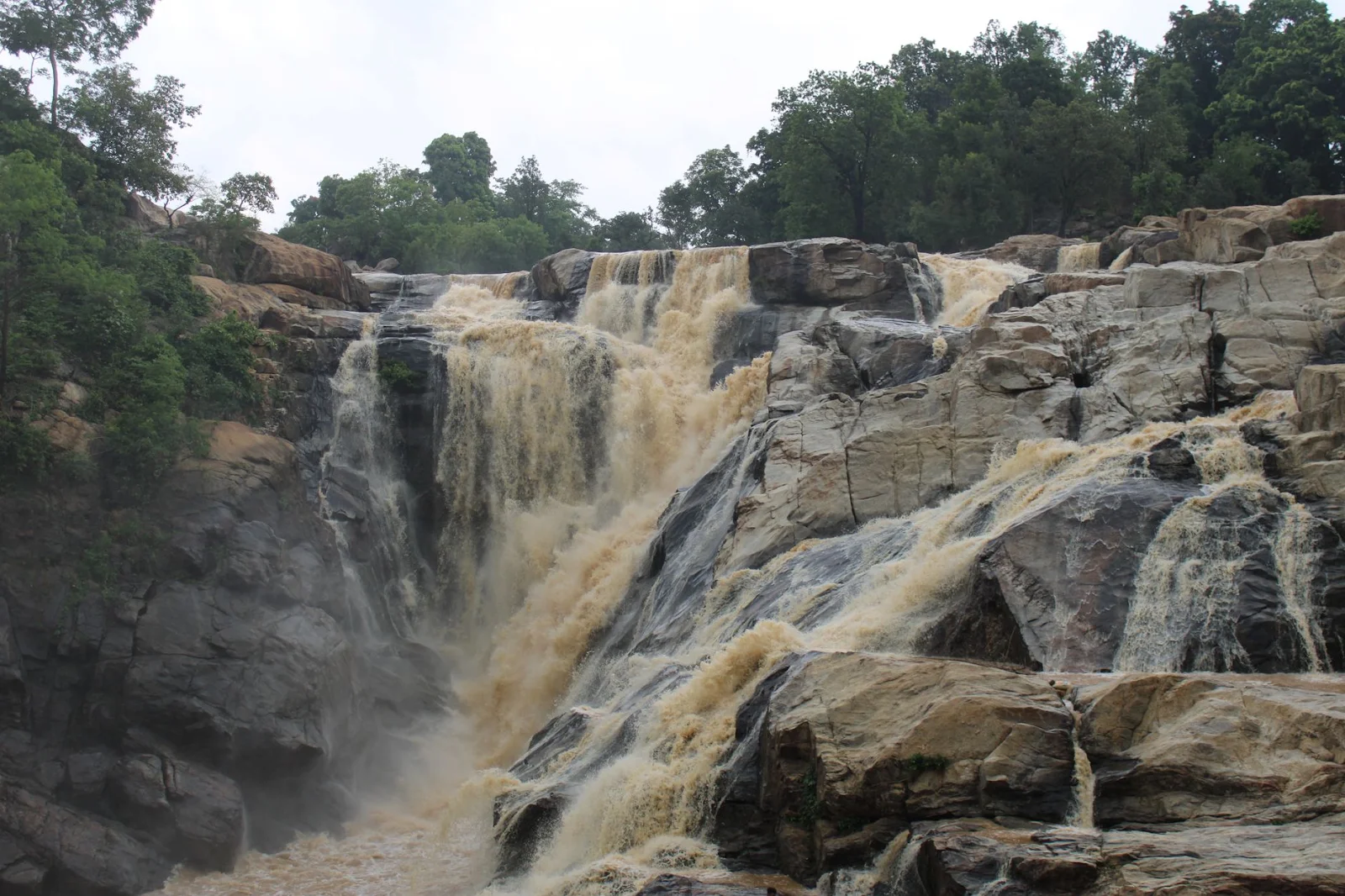
Located near Taljhari along the verdant spurs of the Rajmahal Hills, Moti Jharna is arguably the most famous scenic spot in the district. The cascade derives its poetic name—translating to "Pearl Waterfall"—from the appearance of its sparkling water droplets catching the morning sunlight as they tumble over dark volcanic rocks. The stream originates deep within the forested highlands before dropping down a sheer stone face into a natural pool below. Surrounded by Sal, Mahua, and Kendu trees, this spot offers a tranquil respite from city life and serves as an important spiritual and recreational hub for local communities.
Why You Should Visit and Key Highlights
Moti Jharna is not merely a visual treat; it holds immense cultural significance. At the base of the waterfall rests a dedicated cave shrine honouring Lord Shiva, which draws substantial gatherings of pilgrims during the holy month of Shravan and on Maha Shivratri. Local legend also links this tranquil glen to visits by early European naturalists and Christian missionaries, including traditions connected with Father St. Francis Xavier's travels through northern Bengal. The visual contrast between the jet-black basalt rocks of the Rajmahal traps and the foaming white water provides an exceptional backdrop for nature photography, quiet picnics, and refreshing stream walks.
Visiting Hours and Entry Details
The waterfall is accessible to visitors daily between 6:00 AM and 5:30 PM. There is no official entry fee, although local committees may occasionally charge a nominal vehicle parking fee ranging from ₹20 to ₹50 depending on whether you arrive on a two-wheeler or in a private car. Always plan to leave the area well before twilight, as forest trails lack artificial illumination.
Best Season to Experience
The ideal window to witness Moti Jharna in its full glory spans from July to January. The monsoon months replenish the mountain stream, turning the falls into a roaring curtain of mist. Visiting during post-monsoon autumn and early winter ensures comfortable weather for walking up the stony paths.
Traveler Tip
Wear sturdy sandals or trekking shoes with reliable rubber grip. The basalt boulders surrounding the falls develop slippery moss coatings, especially during the rainy season. Carry your own drinking water and snacks, as local stalls only stock rudimentary items.
2. Historical Rajmahal & Singhi Dalan

Overview and Imperial Past
Situated roughly 35 kilometres from Sahebganj town, the sub-divisional town of Rajmahal is a living museum of late Mughal and Sultanate-era architecture. In 1595, Raja Man Singh, the celebrated Rajput general of Emperor Akbar, designated Rajmahal (originally named Agmahal) as the provincial capital of Bengal, Bihar, and Orissa. Later, Shah Shuja, son of Emperor Shah Jahan, adorned this river town with palatial quarters, hammams, and mosques. Among the enduring monuments standing along the banks of the Ganga is Singhi Dalan, an elegant, white-marble-and-sandstone riverside pavilion from which the royalty once watched boat races and took in cool river breezes.
Why You Should Visit and Key Highlights
Stepping onto the premises of Singhi Dalan lets you gaze upon the vast expanse of the Ganga from ornate arched portals. The structure showcases refined Mughal symmetry combined with regional Bengali brick masonry. Nearby, explore the expansive ruins of the Jama Masjid of Hadaf, constructed by Raja Man Singh in the late 16th century, which features soaring central arches reminiscent of imperial Delhi architecture. Further along, the Baradari, Tomb of Miran, and old mint ruins illustrate how this currently sleepy settlement once determined the commercial fortunes of eastern India.
Visiting Hours and Entry Details
The monuments around Rajmahal, including Singhi Dalan, are open sunrise to sunset (roughly 6:00 AM to 6:00 PM). The Archaeological Survey of India and state tourism departments maintain the perimeter. Entry is generally free of charge, making it accessible to history buffs and budget travellers alike.
Best Season to Experience
Plan your heritage walk between October and March. Winter days bring cool river breezes and pleasant temperatures, making prolonged exploration of spread-out brick ruins comfortable and engaging.
Traveler Tip
Hire an experienced local driver or guide from Sahebganj station who knows the interior link roads. Several key monuments like the Hadaf Mosque and Tomb of Miran are tucked away within residential villages and can be easily missed without local direction.
3. Udhwa Lake Bird Sanctuary

Overview and Wetland Ecology
Udhwa Lake Bird Sanctuary holds the distinctive honour of being the only notified bird sanctuary in the entire state of Jharkhand. Encompassing an area of roughly 5.65 square kilometres, this fragile wetland ecosystem comprises two interconnected natural water bodies: Patauda Lake and Berbhanga Lake. Fed by seasonal overflows from the Ganges and monsoon runoff from surrounding hills, these shallow waters nurture thick beds of reeds, aquatic vegetation, and abundant freshwater fish, creating an irresistible feeding ground for local and long-distance migratory avifauna.
Why You Should Visit and Key Highlights
For birdwatchers and naturalists, Udhwa is a paradise. Every year between November and February, the lakes host wintering birds travelling thousands of kilometres from Central Asia, Siberia, and the Himalayan valleys. Observers routinely spot large congregations of Bar-headed Geese, Northern Pintails, Eurasian Wigeons, Common Teals, and Brahminy Shelducks. The lakes also support resident aquatic hunters including the Purple Heron, Indian Cormorant, Kingfisher varieties, and Jacanas. The quiet rustle of swaying reeds broken only by the synchronized splashing of waterfowl offers an immersive nature retreat far removed from everyday bustle.
Visiting Hours and Entry Details
The sanctuary can be visited from 6:00 AM to 5:00 PM. Visitors are encouraged to reach the lakeside towers by dawn for optimal sightings. While entry tickets are negligible (usually around ₹10 to ₹20 per head), visitors carrying telephoto camera setups or field scopes should verify permission protocols with the local forest post on site.
Best Season to Experience
Late November through February is the undisputed prime period. By mid-December, migratory arrivals reach their peak, filling both Patauda and Berbhanga lakes with high numbers of diverse species.
Traveler Tip
A set of high-magnification binoculars or a telephoto zoom lens (minimum 400mm) is indispensable. The water expanse is broad, and many shier species raft in the central lake zones far from shoreline vantage points. Wear muted earth-toned clothing to avoid alarming the flocks.
4. Teliagarhi Fort
Overview and Strategic Legacy
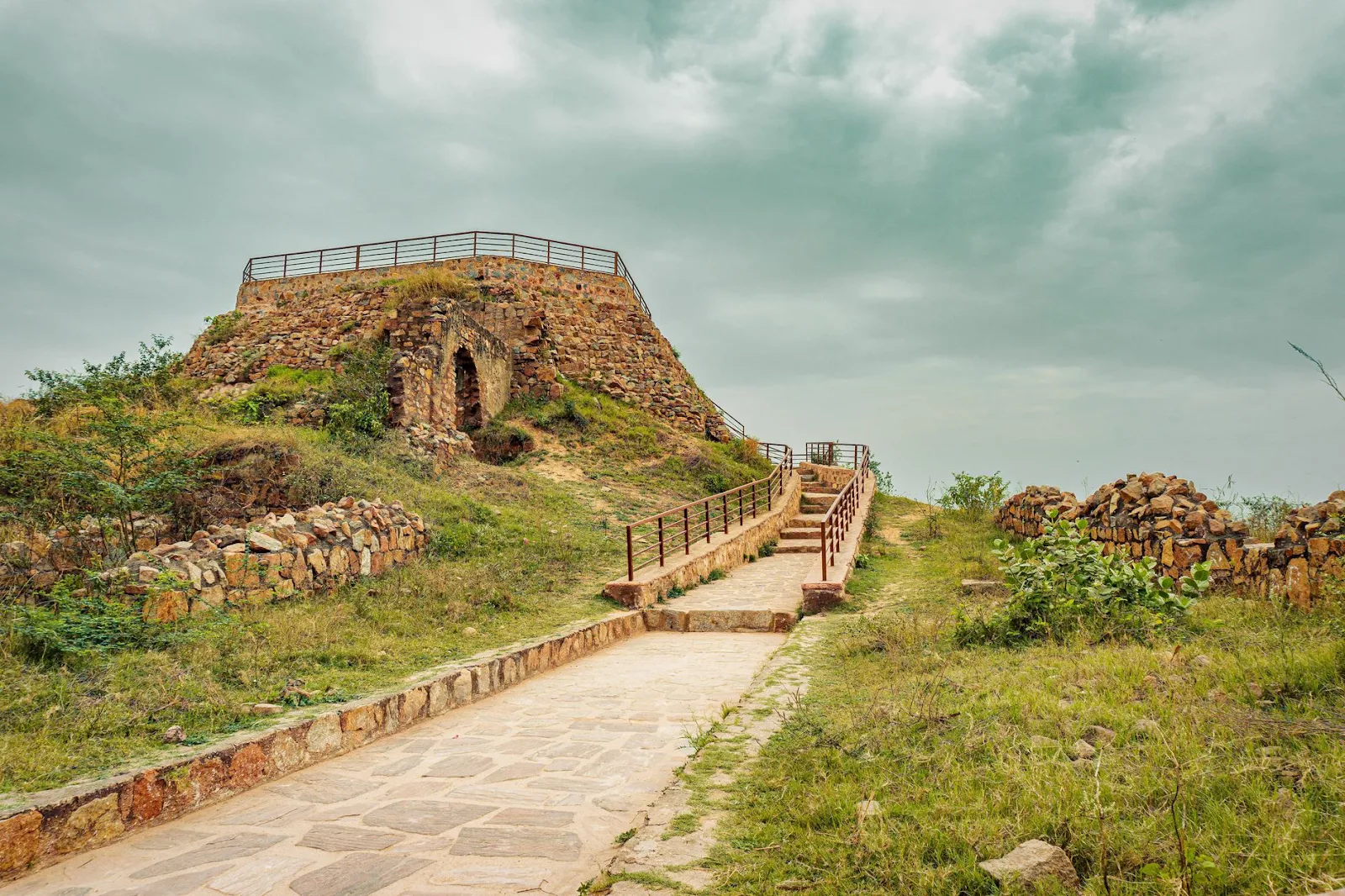
Perched on a strategic hill spur near modern-day Karamtola, roughly 10 kilometres west of Sahebganj, lie the weathered ramparts of Teliagarhi Fort. Historically recognized across medieval chronicles as the formidable "Key of Bengal," this outpost controlled the razor-thin natural defile between the Rajmahal Hills and the southern edge of the Ganges. For centuries, no invading commander—be it Sher Shah Suri, the Mughal forces of Humayun, or East India Company battalions—could march into the rich Bengal delta without first subduing or bypassing Teliagarhi's defenders.
Why You Should Visit and Key Highlights
While centuries of monsoons and encroachment have left the fort largely in romantic ruins, its historical atmosphere remains undeniable. The surviving stone curtain walls, bastions, and arched chambers offer sweeping panoramic views of the river corridor below. Exploring the moss-tinted stone ramparts, one can appreciate the military calculus behind its design. Local folklore associates the site with a converted Teli (oil-presser community) chieftain who originally fortified the hillock before subsequent Muslim and British governors expanded the ramparts. The quietude here, punctuated by rustling foliage and distant river horns, invites deep historical reflection.
Visiting Hours and Entry Details
The fort grounds remain open throughout daylight hours, from 6:00 AM to 5:30 PM. Admission is entirely free. Due to its secluded location on an isolated hill outcrop, avoid lingering after sunset.
Best Season to Experience
October through March provides dry pathways and clear atmospheric views across the river plain. Monsoon visits yield emerald scenery, but make the mud tracks and rocky slopes tricky to negotiate.
Traveler Tip
Wear good hiking boots, as you will need to ascend an uneven, unpaved incline to reach the fort ruins from the base road. Carry your own drinking water, and consider visiting in the early morning to catch soft golden light illuminating the old stone structures.
5. Mandro Fossil Park

Overview and Prehistoric Wonders
Situated in the Mandro block of Sahebganj district, Mandro Fossil Park is one of the most remarkable geo-heritage marvels in South Asia. The Rajmahal Hills are globally celebrated in geological circles for their well-preserved plant fossils embedded within sedimentary inter-trappean rock beds, dating from the Jurassic to Lower Cretaceous periods (roughly 115 to 145 million years ago). Rather than bones of giant carnivorous dinosaurs, the treasures here are exquisitely preserved petrified flora—leaves, stems, and wood fragments transformed through silica replacement into solid stone during intense volcanic eruptions of the Mesozoic Era.
Why You Should Visit and Key Highlights
Mandro Fossil Park features a modern interpretation centre, auditorium, eco-park walkways, and glass-encased displays that exhibit fossilised wood logs that once grew when giant reptiles roamed the Earth. Pioneered through the work of legendary paleobotanists like Professor Birbal Sahni, the study of these Rajmahal fossils helped unravel prehistoric continental drift and the breakup of the Gondwana supercontinent. Walking through the landscaped park pathways, you can observe genuine plant petrifactions up close and learn how lush prehistoric cycad and conifer forests were entombed by molten basaltic lava flows.
Visiting Hours and Entry Details
The park is open Tuesday through Sunday from 9:30 AM to 5:00 PM (it often observes maintenance on Mondays). A nominal entry ticket (typically ₹20 for adults) is charged at the gate, which supports the upkeep of the museum facilities and landscaped grounds.
Best Season to Experience
November to March is the most comfortable period for a leisurely walk around the outdoor exhibits and adjacent geological nature trails, as summer temperatures in this hilly terrain can become quite intense by midday.
Traveler Tip
Spend time reading the educational plaques inside the interpretation centre before walking out to the fossil enclosures. Understanding the geological timeline will deepen your appreciation of what might otherwise look like ordinary pieces of timber or rough rock.
Best Time to Visit Sahebganj
Sahebganj experiences three pronounced seasons: a hot, humid summer, a heavy monsoon season, and a mild, pleasant winter. Selecting the right window ensures comfortable exploration of its outdoor heritage and landscapes.
- Winter (October to March): This is the prime tourist season. Daytime temperatures hover between a delightful 14°C and 25°C, making heritage walks at Rajmahal, climbs up Teliagarhi, and boat rides around Udhwa Sanctuary exceptionally pleasant. December and January are optimal for birdwatching.
- Monsoon (July to September): Rainfall brings dramatic changes to the landscape. The Rajmahal Hills turn a vivid green, and cascades like Moti Jharna swell with dramatic volume. However, rural unpaved tracks can become muddy and slick, so keep travel arrangements flexible.
- Summer (April to June): Temperatures routinely rise above 38°C to 42°C, accompanied by dry heat waves. Outdoor sightseeing during afternoons can be exhausting, so travel during these months is generally not recommended for leisure vacations.
How to Reach Sahebganj
Sahebganj benefits from reliable multi-modal transport links connecting it to key hubs across Jharkhand, Bihar, and West Bengal.
By Train
Sahebganj Junction (SBG) is a prominent railway station on the Sahibganj Loop line under the Eastern Railway zone. Frequent superfast and express trains link the town directly to Kolkata (Howrah and Sealdah), Patna, Bhagalpur, Malda, Ranchi, and New Delhi. Reaching the town by rail is generally the most comfortable, economical, and dependable method for travellers.
By Air
The closest domestic commercial airport is Deoghar Airport (DGH), situated approximately 135 kilometres away, running direct flights to major metros including Delhi, Kolkata, and Bengaluru. Another viable gateway is Kazi Nazrul Islam Airport in Durgapur (around 190 kilometres away) or Patna Airport (around 240 kilometres away). From Deoghar, travellers can readily hire private taxis or board trains to reach Sahebganj.
By Road
The district is well connected by state highways to neighbouring cities like Bhagalpur (75 km), Dumka (110 km), and Malda (85 km across the river ferry/bridge routes). Regular state-run and private interstate buses ply these corridors daily. Private car rentals from Bhagalpur or Malda offer convenient access right up to interior historical points.
Local Culinary Delights
Dining in Sahebganj offers a delicious fusion of Jharkhandi tribal staples and traditional Bihari-Bengali riverine cooking. Thanks to its prime location on the Ganga, fresh freshwater fish—such as Rohu, Katla, and Hilsa (during season)—prepared in mustard-infused gravies is a staple delicacy in local eateries.
Do not miss classic rustic treats like Litti Chokha, roasted over cow-dung or charcoal embers and served with smoky mashed brinjal, charred tomatoes, and spicy green chutneys. Traditional Santhali fare using leafy wild greens (Saag), steamed rice dumplings, and Dhuska (crispy deep-fried pancakes made of soaked rice and lentils served with spicy chana curry) are widely savoured as morning breakfast staples across roadside eateries. For your sweet tooth, sample fresh milk sweets like Chenna Murki, hot Jalebis, and authentic curd (Dahi) prepared fresh in nearby village dairies.
10 Essential Travel Tips for Visitors
- Book Accommodations in Town: Sahebganj town offers decent budget and mid-range hotels near the railway station. Rural attractions like Udhwa or Mandro do not feature luxury lodging, so treat Sahebganj town as your daily base.
- Hire a Dedicated Vehicle: Public shared autos and tempos connect villages, but their frequencies can be unpredictable. Hiring a private taxi or auto-rickshaw for the full day saves substantial time when hopping between separated attractions.
- Carry Physical Cash: While digital UPI payments work across shops in town, interior rural pockets around Mandro, Teliagarhi, and Udhwa often face spotty mobile network coverage. Keep cash handy for small vendors, boatmen, and entrance tickets.
- Respect Sacred and Tribal Customs: When visiting cave shrines, local Santhal villages, or rural temples, dress modestly, remove footwear where expected, and ask for permission before clicking close portraits of residents.
- Start Your Days Early: In eastern India, daylight breaks early (around 5:00 AM in summer and 5:45 AM in winter). Starting morning excursions early allows you to beat mid-day sun and catch birds and wildlife at their most active hours.
- Pack Binoculars and Optical Gear: Both the wetlands of Udhwa and the high vantage points of Rajmahal offer incredible viewing vistas. Standard smartphone cameras cannot match dedicated zoom lenses for distant waterfowl.
- Wear Modest, Layered Clothing: Winter mornings can feel brisk and chilly, especially near open water bodies, while afternoons turn mild. Layered cottons and light woollens are ideal for staying comfortable throughout the day.
- Check Monsoon Road Conditions: If you are visiting between July and September to admire the waterfalls, check with your hotel or local transport operators regarding the state of rural bridge crossings and interior forest roads.
- Stay Hydrated: Always carry a reusable water bottle filled with purified or boiled water during long outdoor walks through ruins and geological parks.
- Keep Emergency Contacts Handy: Note down your hotel desk's contact details and local railway helpline numbers, as mobile GPS signals can occasionally drop in hilly interior pockets.
Suggested 2-Day Sahebganj Itinerary
Day 1: Imperial Echoes and Sacred Cascades
- Morning (8:00 AM – 11:30 AM): Begin your day with a traditional breakfast of Dhuska and tea in town, then take a scenic drive south to Moti Jharna. Spend the morning admiring the cascade, exploring the cave temple, and soaking in the peaceful forested foothills.
- Afternoon (12:30 PM – 3:30 PM): Continue onward toward Rajmahal. Enjoy a simple, flavorful meal of rice and freshly caught freshwater fish or vegetarian Thali in town. Proceed directly to the riverside to admire Singhi Dalan, taking time to examine its marble arches overlooking the Ganga.
- Late Afternoon (3:45 PM – 5:30 PM): Explore the sprawling ruins of the historic Jama Masjid of Hadaf and nearby Mughal-era structures. Return to Sahebganj town by evening for hot Litti Chokha at the local market.
Day 2: Deep Time and Winged Wanderers
- Early Morning (6:00 AM – 9:30 AM): Head out at dawn toward Udhwa Lake Bird Sanctuary. Spend quiet hours watching flocks of migratory ducks, herons, and raptors across Patauda and Berbhanga lakes.
- Midday (11:00 AM – 2:00 PM): Head inland toward the Mandro Fossil Park. Explore the fossil discovery trails and view the petrified wood trunks millions of years old inside the museum enclosure.
- Late Afternoon (3:30 PM – 5:30 PM): On your journey back toward Sahebganj, stop at the historic heights of Teliagarhi Fort. Climb up to the remaining ramparts to catch the sunset glowing across the wide curves of the Ganga.
Frequently Asked Questions (FAQs)
1. Is Sahebganj safe for solo and family travellers?

Yes, Sahebganj is generally peaceful, welcoming, and safe for both families and solo adventurers. As with any rural district, plan your excursions during daylight hours and avoid travelling late at night along secluded rural forest roads.
2. What makes the fossils at Mandro so unique?

The Mandro fossils represent petrified flora from the Jurassic and Cretaceous periods (spanning 115 to 145 million years ago). They were preserved by volcanic basalt lava flows over prehistoric plants, offering tangible geological clues to the breakup of the ancient Gondwana supercontinent.
3. Are there good hotel options in Sahebganj?

Sahebganj offers clean, comfortable budget-to-midscale hotels, guest houses, and railway retiring rooms, primarily concentrated near the railway junction. While you will not find five-star luxury resorts, basic air-conditioned rooms with modern amenities are readily available.
4. How many days are sufficient to explore the best places to visit in Sahebganj?

A well-planned 2-day itinerary is usually ideal to cover all top tourist places in Sahebganj comfortably without rushing. If you are an avid birdwatcher, botanist, or history researcher, adding a third day allows for relaxed field study.
5. Can I see the Ganges river dolphins in Sahebganj?

Yes! The stretch of the river Ganga along Sahebganj and nearby Rajmahal forms part of the natural habitat of the endangered South Asian River Dolphin (Gangetic Dolphin). Local fishermen or boatmen around the ghats can occasionally point out their surfacing arcs during early mornings.
6. Which language is spoken locally?

Hindi and regional dialects such as Angika and Khortha are widely spoken. Santhali is commonly spoken by indigenous communities, and Bengali is also widely understood due to the district's close cultural ties with West Bengal.
7. What should I buy as a souvenir from Sahebganj?

Look for genuine tribal handicraft items, woven baskets, and traditional Santhali handloom textiles sold in local weekly haats (village bazaars). Please remember that collecting or removing actual rock fossils from Mandro is strictly illegal under heritage protection regulations.
8. How do I get around between attractions if I do not have a personal vehicle?

The most dependable option is to hire an auto-rickshaw or taxi on a fixed daily rental basis from Sahebganj railway station. While shared buses connect major towns like Rajmahal and Barharwa, they do not run right up to interior heritage and nature sites.
Conclusion
Sahebganj stands apart as an unexpected crossroads of history, deep geological time, and untamed natural beauty. It is a destination that defies typical travel clichés—inviting you to slow down, listen to the river, and touch centuries of stone, water, and earth. Where else in eastern India can you stand before a 140-million-year-old petrified tree in the morning, walk through the arched halls of 16th-century Mughal governors in the afternoon, and watch thousands of migratory ducks glide over placid waters as the sun goes down?
Whether you are an avid bird enthusiast, a devoted history buff, or a curious wanderer eager to discover genuine offbeat travel in India, this jewel on the banks of the Ganges will leave you with vivid memories. Pack your walking shoes, charge your camera batteries, and set off to experience the incredible sights and timeless stories waiting in the heart of Sahebganj.



0 Comments