
Top 5 Places to Visit in Rupnagar, Punjab: A Complete Travel Guide
Welcome to Rupnagar, historically known as Ropar—a destination where ancient history, serene wetlands, and vibrant Punjabi culture seamlessly converge. Nestled along the banks of the sacred Sutlej River and the tranquil backdrop of the Shivalik foothills, Rupnagar is one of the most fascinating yet underrated travel destinations in Punjab. For travellers looking beyond the standard tourist trail, this ancient district offers an incredible blend of Indus Valley civilization history, Sikh heritage, and breathtaking natural beauty. Whether you are a history buff, a nature enthusiast, or a weekend seeker wanting an escape from the chaos of city life, discovering the top tourist places in Rupnagar will leave you spellbound.
Rupnagar holds a very special place in the historical timeline of India. It was one of the major sites of the Harappan civilization, making it a treasure trove for archaeological explorers. Furthermore, it holds immense significance in Sikh history, having witnessed pivotal moments associated with the Sikh Gurus. As you travel through this lush green district, you will encounter ancient ruins, state-of-the-art museums, peaceful lakes teeming with migratory birds, and bustling local markets serving authentic Punjabi hospitality and culinary delights. If you have been wondering about the best places to visit in Rupnagar, this comprehensive travel guide is curated specifically for you, complete with hidden gems, local food recommendations, practical travel tips, and a well-planned itinerary to make your trip unforgettable.
Table of Contents
- 1. Sutlej Jal Mahal and Riverfront
- 2. Archaeological Museum (Harappan Site)
- 3. Ropar Wetland and Bird Sanctuary
- 4. Takht Sri Keshgarh Sahib
- 5. Bhakra Nangal Dam (Day Excursion)
- Best Time to Visit Rupnagar
- How to Reach Rupnagar
- Local Food to Try in Rupnagar
- 10 Essential Travel Tips for Rupnagar
- Suggested 2-Day Rupnagar Itinerary
- Frequently Asked Questions (FAQs)
- Conclusion
1. Sutlej Jal Mahal and Riverfront
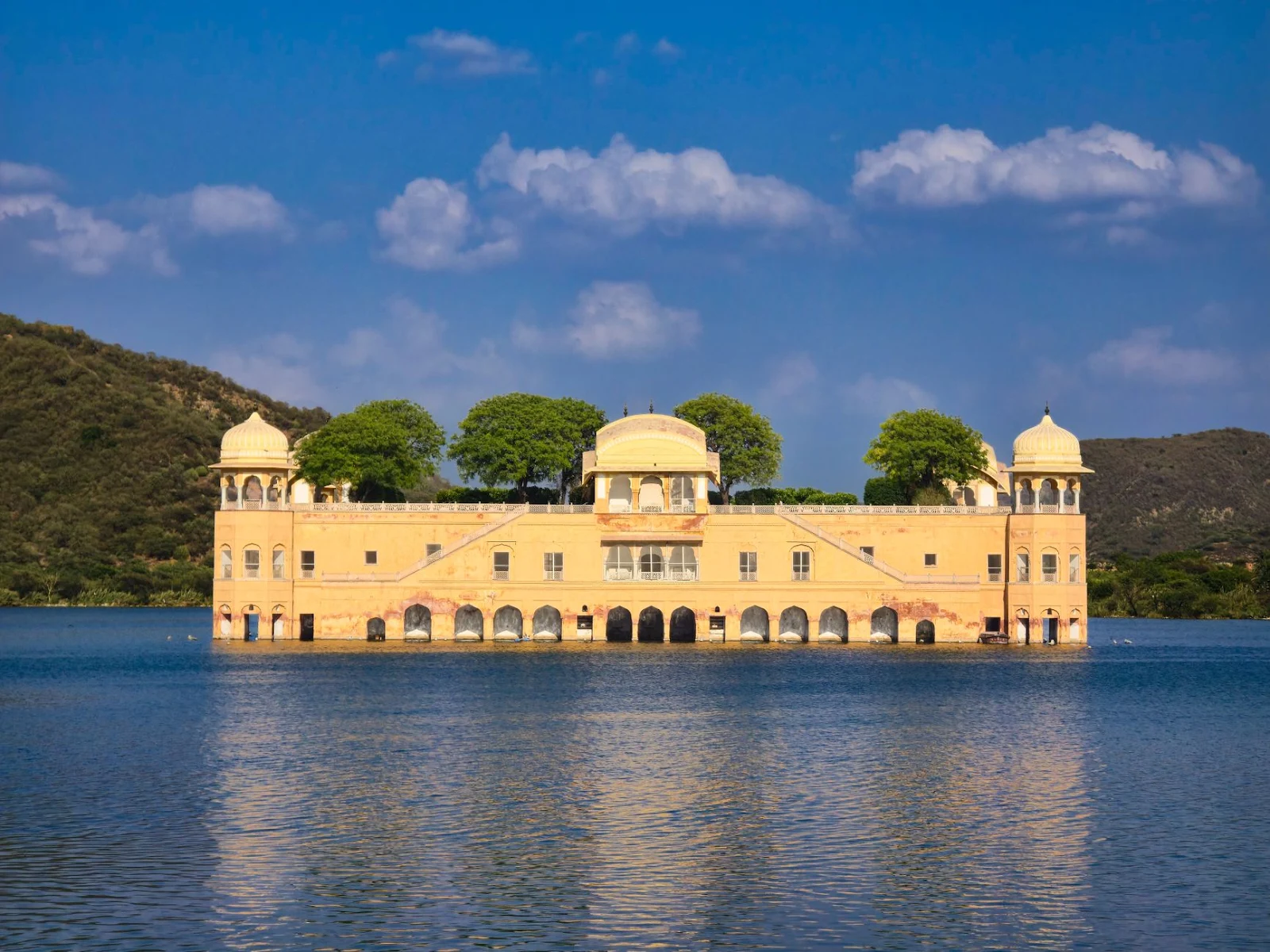
Overview and Historical Significance
The Sutlej Jal Mahal and the surrounding riverfront stand as a testament to the architectural elegance and engineering brilliance of bygone eras. Situated gracefully on the waters of the Sutlej River, this historical monument offers visitors a peaceful retreat away from urban hustle. Historically, the riverbanks of Rupnagar have witnessed the footsteps of ancient civilizations, medieval rulers, and spiritual leaders. The Jal Mahal, with its unique positioning, offers stunning reflections on the water, making it a dream location for photography enthusiasts and history lovers alike.
Things to Do
Visitors can enjoy leisurely walks along the beautifully developed riverfront promenades, capture stunning sunrise and sunset photographs, and engage in birdwatching as the river attracts several local and migratory avian species. Boating facilities are often available nearby, allowing tourists to experience the gentle flow of the Sutlej River up close. It is also an ideal spot for peaceful meditation, journaling, or enjoying a quiet evening picnic with family and friends while soaking in the gentle breeze.
Visitor Information
Timing: Open all days from sunrise to sunset.
Entry Fee: Free (Nominal charges may apply for specific boating activities).
Best time to spend: Late afternoons for golden hour photography.
2. Archaeological Museum (Harappan Site)
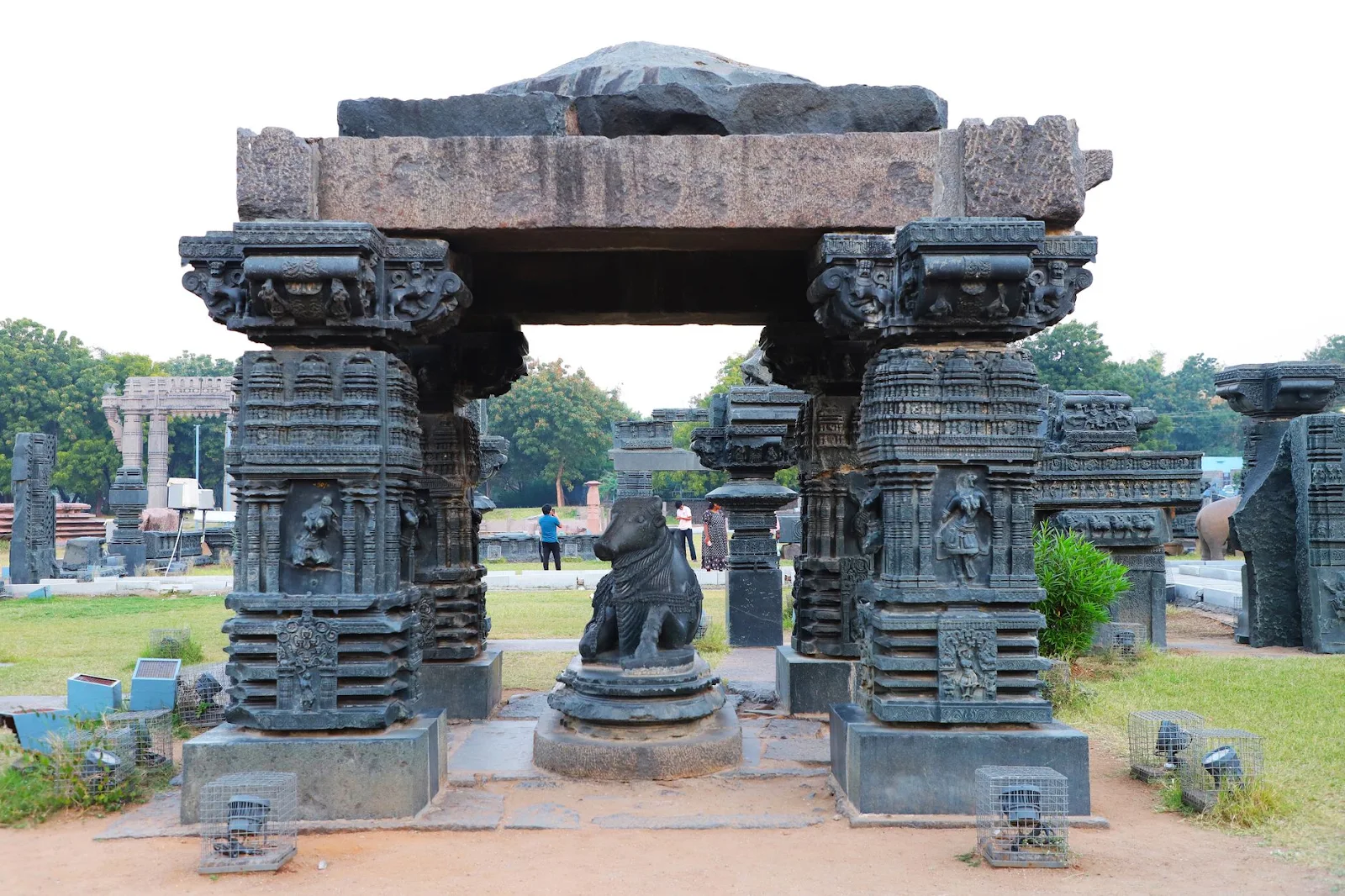
Overview and Historical Significance
Maintained by the Archaeological Survey of India (ASI), the Archaeological Museum in Rupnagar is a must-visit for anyone fascinated by ancient history. Rupnagar holds the distinction of being the first Harappan site to be excavated in independent India. The museum houses an impressive collection of antiquities unearthed from the nearby mounds, dating from the Harappan period down to the medieval times. Stepping into this museum is like taking a time machine back over four thousand years to witness the daily lives, tools, and artistry of our ancient ancestors.
Things to Do
Explore the well-curated galleries showcasing terracotta pottery, beads, copper and bronze implements, weights, measures, and ancient coins. Read through the detailed informative plaques that map the chronological evolution of the site. After exploring the indoor galleries, you can take a short walk to the actual excavation mound site to visualize where these magnificent historical layers were unearthed by archaeologists.
Visitor Information
Timing: 9:00 AM to 5:00 PM (Closed on Fridays and national holidays).
Entry Fee: Nominal fee of around INR 10-20 for Indian citizens; higher for foreign nationals.
Recommended Duration: 1 to 2 hours.
3. Ropar Wetland and Bird Sanctuary

Overview and Historical Significance
Spread over a vast expanse, the Ropar Wetland is a man-made freshwater wetland created by the construction of a barrage on the Sutlej River in independent India. Recognized globally as a Ramsar site, this ecological hotspot is a paradise for nature lovers, wildlife photographers, and ornithologists. During the winter months, the wetland transforms into a bustling avian metropolis, hosting thousands of migratory birds that fly down from Siberia, Central Asia, and Europe.
Things to Do
Bring along a pair of high-powered binoculars and a telephoto camera lens to spot rare bird species such as bar-headed geese, mallards, pochards, and various types of eagles and storks. Enjoy serene boat rides organized by local operators to explore the deeper waters of the reservoir. The tranquil environment also makes it an exceptional spot for nature walks, quiet contemplation, and appreciating the rich biodiversity of Punjab.
Visitor Information
Timing: 6:00 AM to 6:00 PM daily.
Entry Fee: Free access to public areas; nominal permission may be needed for boating.
Best Season: October to March (peak migratory bird season).
4. Takht Sri Keshgarh Sahib

Overview and Historical Significance
Located in Anandpur Sahib, which falls within the Rupnagar district, Takht Sri Keshgarh Sahib is one of the five temporal authorities (Takhts) in Sikhism. This magnificent Gurudwara holds immense historical and spiritual weight, as it is the birthplace of the Khalsa, founded by the tenth Sikh Guru, Guru Gobind Singh Ji, on Baisakhi in 1699. The gleaming white architecture, the soaring Nishan Sahib, and the deeply devotional atmosphere draw millions of pilgrims and tourists from across the globe every year.
Things to Do
Participate in the peaceful congregational prayers and listen to the soul-stirring Gurbani kirtan. Partake in the Guru ka Langar (community kitchen), where thousands of visitors are served free, freshly cooked vegetarian meals regardless of caste, creed, or religion. Explore the nearby Virasat-e-Khalsa museum to gain a deeper understanding of Sikh history, culture, and the heritage of Punjab.
Visitor Information
Timing: Open 24 hours (Best visited during morning or evening prayers).
Entry Fee: Free.
Dress Code: Modest clothing; heads must be covered with a scarf or handkerchief (available freely at the entrance), and shoes must be deposited at the shoe-keeping counter.
5. Bhakra Nangal Dam (Day Excursion)

Overview and Historical Significance
While technically located near the border of Punjab and Himachal Pradesh, a trip to Rupnagar remains incomplete without a day excursion to the legendary Bhakra Nangal Dam—often referred to by India's first Prime Minister, Jawaharlal Nehru, as a "Temple of Modern India." As one of the highest gravity dams in the world, it harnesses the waters of the Sutlej River to generate hydroelectricity and provide vital irrigation to northern India. The sheer scale of engineering prowess combined with the stunning backdrop of the Gobind Sagar reservoir makes it an awe-inspiring destination.
Things to Do
Take a guided tour around the viewing galleries to understand the monumental engineering behind this concrete gravity dam. Enjoy panoramic views of the massive Gobind Sagar lake, which stretches for miles like a blue ocean amidst the rugged hills. Capture incredible landscape photographs and learn about the socio-economic impact of the dam at the information centers.
Visitor Information
Timing: 9:00 AM to 5:00 PM (Prior permission or ID verification may be required at security checkpoints).
Entry Fee: Free, but check current security protocols before visiting.
Distance from Rupnagar: Approximately 70-80 km (allow 2 hours of travel time each way).
Best Time to Visit Rupnagar
The ideal time to explore the top tourist places in Rupnagar is during the winter months, spanning from October to March. During this period, the weather is delightfully crisp and cool, with daytime temperatures hovering between 15°C and 25°C. This pleasant climate makes outdoor sightseeing, historical exploration, and birdwatching at the Ropar Wetland immensely enjoyable. Summers (April to June) can be intensely hot, with temperatures often crossing 40°C, while the monsoon season (July to September) brings humid weather accompanied by moderate to heavy rainfall, which lushly greens the landscape but can occasionally disrupt travel plans.
How-to-Reach Rupnagar
Rupnagar enjoys excellent connectivity via road, rail, and air links:
- By Air: The nearest major international airport is Chandigarh International Airport (IXC), located approximately 45 kilometers away. From the airport, you can easily hire a taxi or book a cab to reach Rupnagar within an hour.
- By Rail: Rupnagar has its own railway station (Ropar - RPAR), which is well-connected to major cities like Chandigarh, Amritsar, Delhi, and Nangal via regular passenger and express trains.
- By Road: Rupnagar sits on major national highways. Regular state-run buses (PRTC, Punjab Roadways) and private deluxe coaches operate frequently from Delhi, Chandigarh, Ludhiana, and Jalandhar. Driving your own car or hiring a self-drive rental from Chandigarh is also a popular and comfortable option.
Local Food to Try in Rupnagar
Punjabi cuisine is world-famous for its rich flavors, generous portions, and wholesome ingredients, and Rupnagar offers an authentic taste of traditional Punjabi hospitality. When exploring the best places to visit in Rupnagar, make sure to sample these local culinary highlights:
- Makki di Roti and Sarson da Saag: The quintessential winter delicacy of Punjab made from cornmeal flatbreads served with mustard greens curry and a generous dollop of white butter or homemade ghee.
- Amritsari Kulcha: Crispy, stuffed leavened bread baked in a clay tandoor and served piping hot with spicy chole (chickpeas) and tangy tamarind chutney.
- Dal Makhani and Butter Paneer: Slow-cooked black lentils simmered overnight with butter and cream, paired perfectly with freshly baked garlic naan.
- Lassi: A thick, creamy, sweet or salted yogurt-based drink topped with a thick layer of malai (cream), served in traditional clay glasses (kulhars).
- Pinni and Jalebi: Traditional winter sweets loaded with dry fruits, desi ghee, and whole wheat flour to keep you energized during your travels.
10 Essential Travel Tips for Rupnagar
- Dress Modestly at Religious Sites: When visiting Gurdwaras like Takht Sri Keshgarh Sahib, ensure your shoulders and knees are covered and always carry a scarf or cloth to cover your head.
- Hire Local Guides: For archaeological sites like the Harappan museum and mounds, hiring an authorized local guide enhances the educational experience.
- Carry Binoculars: If you plan to visit the Ropar Wetland during winter, carrying binoculars and a zoom camera will greatly improve your birdwatching experience.
- Stay Hydrated: Carry a reusable water bottle, especially if you are visiting during the warmer shoulder months of September or April.
- Keep Valid ID Proof: Keep physical copies and digital backups of your government-issued photo ID (Aadhaar, Voter ID, Passport), as some border areas or institutional sites may require security checks.
- Respect Local Customs: Punjabis are known for their warm hospitality; greeting locals with a respectful "Sat Sri Akal" goes a long way in building rapport.
- Book Accommodations in Advance: While Rupnagar has good hotels and homestays, booking ahead is recommended if you are traveling during major festivals like Baisakhi or Gurpurab.
- Cash and Digital Payments: While UPI and card payments are widely accepted in urban spots and hotels, keep some cash handy for small roadside eateries and local transport.
- Protect Against Mosquitoes: Bring insect repellent creams or sprays, particularly if you are visiting wetland areas or riverbanks during dawn and dusk.
- Plan Your Transport: Renting a cab for the entire day is the most efficient way to hop between historical sites and natural attractions that are spaced apart.
- 09:00 AM – 11:30 AM: Arrive in Rupnagar, check into your hotel, and head straight to the Archaeological Museum to explore the Harappan civilization artifacts.
- 12:00 PM – 01:30 PM: Enjoy a hearty traditional Punjabi lunch at a local dhaba near the town center.
- 02:30 PM – 05:00 PM: Visit the picturesque Sutlej Jal Mahal and Riverfront for a relaxing afternoon walk and gorgeous landscape photography.
- 06:30 PM onwards: Stroll through the local bustling bazaars, shop for traditional Punjabi juttis or handicrafts, and relish dinner featuring authentic dal makhani and hot rotis.
- 07:00 AM – 09:30 AM: Head early to the Ropar Wetland and Bird Sanctuary to catch the morning sunrise and observe migratory birds.
- 10:30 AM – 01:00 PM: Drive towards Anandpur Sahib to visit the sacred Takht Sri Keshgarh Sahib and experience the divine atmosphere and community langar.
- 01:30 PM – 03:00 PM: Explore the nearby architectural marvel, the Virasat-e-Khalsa museum (subject to opening days and ticket availability).
- 03:30 PM – 06:00 PM: Conclude your trip with a scenic drive toward the foothills or begin your journey back home with wonderful memories.
- What is Rupnagar famously known for?
Rupnagar is famously known for being an important site of the Indus Valley Civilization (Harappan era) and for its immense Sikh religious significance, particularly Anandpur Sahib and Takht Sri Keshgarh Sahib. - How far is Rupnagar from Chandigarh?
Rupnagar is approximately 45 kilometers away from Chandigarh and can be reached within an hour by road or train. - Are there good hotels available in Rupnagar?
Yes, Rupnagar offers a range of comfortable budget hotels, guesthouses, and homestays, with luxury options easily accessible in nearby Chandigarh. - Is Rupnagar safe for family travelers and solo tourists?
Absolutely. Punjab is exceptionally welcoming, and Rupnagar is a peaceful, family-friendly destination with low crime rates and warm local hospitality. - Can we do boating at the Ropar Wetland?
Yes, regulated boating facilities and eco-tourism activities are available through authorized local operators, especially during the winter season. - What is the local language spoken in Rupnagar?
Punjabi is the primary language spoken by locals, while Hindi and English are widely understood and spoken across hotels, restaurants, and tourist sites. - Is photography allowed inside Takht Sri Keshgarh Sahib?
Photography is generally restricted inside the main sanctum sanctorum of the Gurudwara out of respect for religious sentiments, though you can capture exterior architectural shots from permitted areas. - What souvenirs should I buy when visiting Rupnagar?
Popular souvenirs include traditional Punjabi embroidered juttis, phulkari stoles, local organic honey, traditional pickles (achaar), and handcrafted decorative items.
Suggested 2-Day Rupnagar Itinerary
To help you make the most of your weekend getaway, here is a well-crafted 2-day itinerary covering the top tourist places in Rupnagar:
Day 1: Ancient History and Riverfront Serenity
Day 2: Wetlands, Spirituality, and Architecture
Frequently Asked Questions (FAQs)
Conclusion
Rupnagar is a destination that whispers tales of ancient civilizations while singing songs of vibrant Punjabi heritage and spiritual devotion. From unearthing India's Harappan roots at the archaeological museum to witnessing thousands of colorful migratory birds at the Ramsar wetland site, and seeking blessings at the revered Takht Sri Keshgarh Sahib, every corner of this district offers a unique story. Whether you are planning a peaceful weekend getaway with your family or an enriching solo expedition into Punjab's historical heartland, discovering the top tourist places in Rupnagar promises an unforgettable travel experience. Pack your bags, embrace the warmth of Punjabi culture, and set off on a remarkable journey to explore the timeless charm of Ropar!



0 Comments