
Top 5 Places to Visit in Malerkotla, Punjab, India
Welcome, fellow wanderers, to the cultural heartland of Punjab! When most travelers think of Punjab, their minds instantly race toward the bustling golden streets of Amritsar, the vibrant academic hub of Chandigarh, or the historical battlegrounds of Anandpur Sahib. However, tucked away in the plains of this magnificent state lies a destination wrapped in profound historical significance, unmatched architectural heritage, and an atmosphere of ultimate communal harmony. Welcome to Malerkotla, Punjab's only Muslim-majority town before and after the partition, renowned historically for its peaceful ethos famously blessed by Guru Gobind Singh Ji.
Malerkotla is not your typical high-octane tourist town; it is a living museum of Sufi culture, royal Nawabi architecture, thriving local artistry, and mouth-watering Punjabi-Mughlai culinary delights. Established in the 15th century by Bayazid Khan from Afghanistan, the erstwhile princely state boasts a unique blend of Punjabi warmth and Islamic heritage. Whether you are a history buff hunting for forgotten forts, a spiritual seeker looking for peace at ancient shrines, or a foodie eager to taste authentic street-side delicacies, Malerkotla offers an immersive experience like no other.
In this comprehensive travel guide, we bring you the ultimate curated list of the top tourist places in Malerkotla. As your expert travel companion, I have meticulously crafted this itinerary to help you uncover the best places to visit in Malerkotla, complete with insider travel tips, local culinary highlights, a seamless two-day itinerary, and everything else you need to plan an unforgettable getaway. So pack your bags, charge your cameras, and let us dive deep into the royal and spiritual legacy of Malerkotla!
Table of Contents
- 1. Shahi Samadhian
- 2. Jama Masjid Malerkotla
- 3. Mubarika Palace (Mubarak Manzil)
- 4. Gurudwara Ha Da Nara Sahib
- 5. Shrine of Hazrat Baba Haider Shaikh
- Best Time to Visit Malerkotla
- How to Reach Malerkotla
- Must-Try Local Food in Malerkotla
- 10 Essential Travel Tips
- Suggested 2-Day Itinerary
- Frequently Asked Questions (FAQs)
- Conclusion
1. Shahi Samadhian
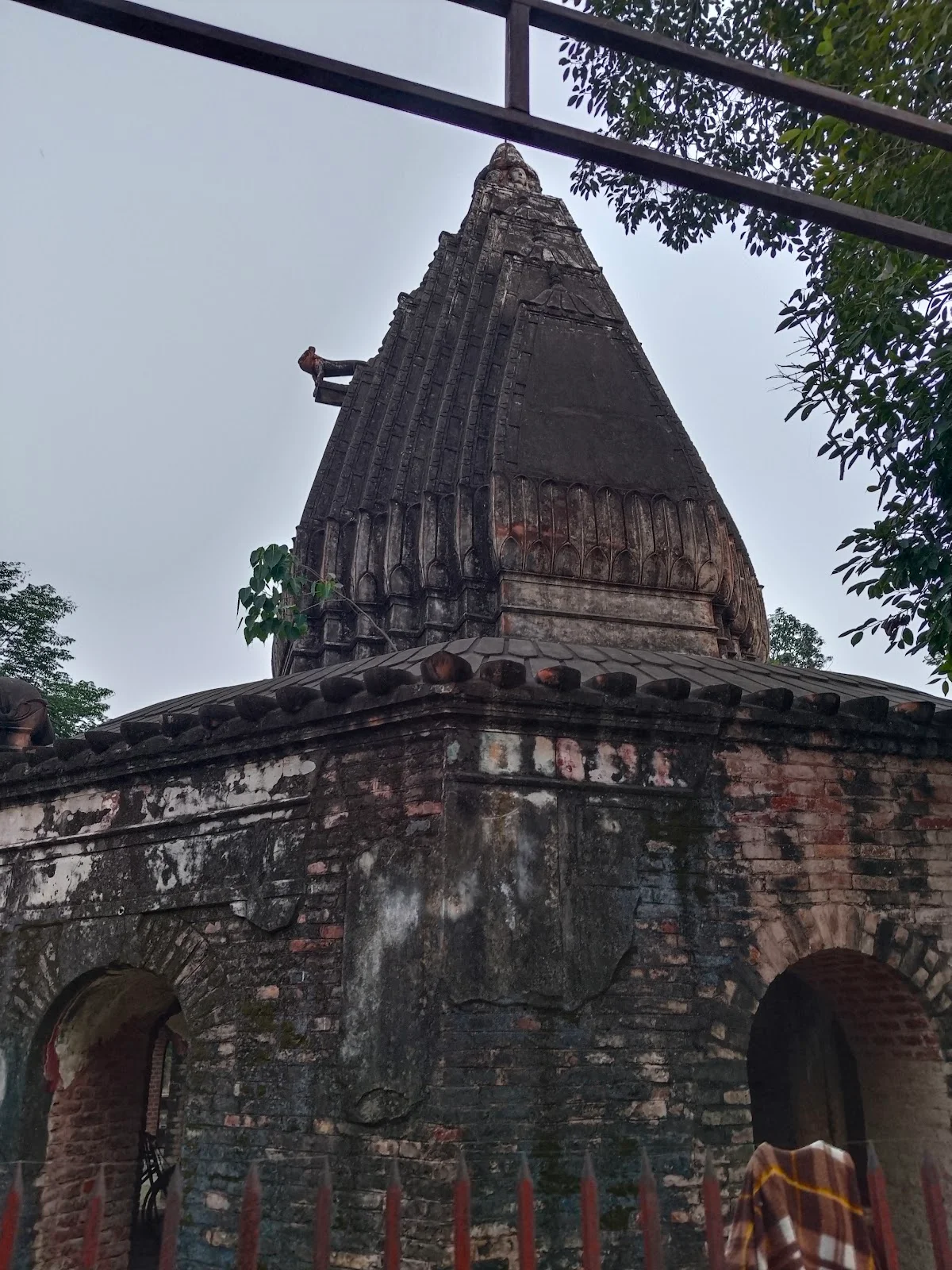
Overview of Shahi Samadhian
Kicking off our list of the best places to visit in Malerkotla is the mesmerizing and historically unique complex known as Shahi Samadhian. Unlike typical royal memorials found across India, this site serves as the final resting place for the Hindu rulers and members of the royal family of the erstwhile princely state of Malerkotla. It stands as an architectural and cultural marvel, symbolizing the deep-rooted secularism and mutual respect that historically defined the governance of the local Nawabs.
Historical Significance
The construction of Shahi Samadhian reflects a fascinating chapter of Malerkotla's royal history. While the ruling family of Malerkotla were Muslim Nawabs, they ruled over a predominantly multi-religious populace with remarkable inclusivity. The samadhis (memorials) within this quiet complex are intricately designed, featuring a blend of traditional Rajput, Islamic, and British architectural motifs. Visiting this site gives travelers a profound look into the multi-faith harmony that allowed diverse communities to thrive together under one royal umbrella for centuries.
What to Expect & Visitor Information
Located on the outskirts of the main town, Shahi Samadhian offers a serene escape from the honking and bustle of modern street life. As you walk through the complex, you will notice ornate domes, carved stone pillars, and peaceful courtyards that whisper tales of bygone eras. It is an ideal spot for history enthusiasts, heritage photographers, and travelers seeking quiet contemplation. Photography is generally permitted in the outdoor areas, but modest clothing and respectful behavior are highly encouraged as it is a memorial site. There is no entry fee, and the best time to explore the complex is during the late afternoon when the golden sun casts a magical glow over the ancient structures.
2. Jama Masjid Malerkotla

Overview of Jama Masjid Malerkotla
No journey to Malerkotla can ever be considered complete without paying a visit to its architectural crown jewel—the magnificent Jama Masjid. Standing tall as one of the most prominent landmarks in the region, this grand mosque is a testament to the glorious Islamic heritage left behind by the Nawabs. Its towering minarets, sprawling marble courtyards, and striking aesthetic design dominate the skyline of the old town, drawing architecture lovers and devotees from all corners of Punjab.
Historical Significance
Commissioned during the reign of the Nawabs, the Jama Masjid was built to serve as the principal congregational mosque for the town. Over centuries, it has witnessed the shifting tides of Indian history, from the height of the princely era through the tumultuous days of the partition, remaining steadfast as a sanctuary of peace, prayer, and community bonding. The intricate calligraphy, graceful arches, and spacious prayer halls showcase the pinnacle of late-medieval Indo-Islamic craftsmanship adapted to the local northern Indian context.
What to Expect & Visitor Information
Stepping inside the courtyard of Jama Masjid instantly transports you to a world of absolute calm amidst the energetic chaos of the town market. The acoustics of the main prayer hall are legendary among local architects. Visitors of all faiths are welcome to admire the structure from the courtyards outside of prayer times, provided they dress modestly and keep their heads covered. Women are advised to carry a scarf or dupatta, and footwear must be left outside designated zones. Early mornings or late afternoons offer the best lighting conditions for capturing the stunning facade on camera.
3. Mubarika Palace (Mubarak Manzil)

Overview of Mubarika Palace
For lovers of royal grandeur and opulent heritage, Mubarika Palace—locally known as Mubarak Manzil—is an unmissable stop among the top tourist places in Malerkotla. This historic royal residence was once the pulsating epicenter of administrative power, lavish court gatherings, and aristocratic lifestyle during the reign of the Nawabs of Malerkotla. Although decades of time have weathered its brickwork, the palace still retains an undeniable aura of regal dignity and architectural brilliance.
Historical Significance
Mubarak Manzil holds immense historical value for Punjab. It was within these very halls that crucial treaties, administrative decisions, and state functions took place. The architecture is a fascinating hybrid style, heavily influenced by late Mughal aesthetics combined with Victorian structural additions introduced during British paramountcy. Walking through the faded corridors of this palace allows visitors to imagine the grandeur of royal durbars, traditional music performances, and the stately processions that once filled the palace grounds.
What to Expect & Visitor Information
Located near the heart of the city, Mubarika Palace stands as a poignant reminder of Punjab's princely past. While parts of the palace have seen better days and require restoration, exploring the outer courtyards and viewing its grand balconies provides a brilliant window into historical architecture. It is a dream destination for heritage walkers and history bloggers. Since it is privately owned or undergoing administrative management in parts, it is best to check locally regarding interior access limits. Be sure to hire a local guide outside the gates who can narrate fascinating folklore and real historical anecdotes associated with the royal family.
4. Gurudwara Ha Da Nara Sahib

Overview of Gurudwara Ha Da Nara Sahib
Punjab is world-famous for its historic gurdwaras, but Gurudwara Ha Da Nara Sahib holds a deeply emotional and historically unique place in Sikh history. Situated in the village of Haider Nagar near Malerkotla, this sacred shrine commemorates one of the most compassionate and courageous acts in Indian history—the historic protest voiced by the Nawab of Malerkotla against the brutal execution of the younger sahibzadas (sons) of Guru Gobind Singh Ji.
Historical Significance
In the year 1705, when Wazir Khan, the Mughal Nawab of Sirhind, ordered the bricking alive of Guru Gobind Singh Ji's two young sons (Zorawar Singh and Fateh Singh), Sher Mohammad Khan, the Nawab of Malerkotla, stood up in open court. He strongly registered his protest (*Ha Da Nara* or a cry for justice against cruelty), stating that waging war against armed opponents was acceptable, but torturing innocent young children was entirely against the tenets of Islam. Deeply moved by this act of humanity, Guru Gobind Singh Ji blessed Malerkotla, promising that the town would forever remain a sanctuary of peace. This gurudwara stands as a living monument to that inter-faith brotherhood.
What to Expect & Visitor Information
Visiting Gurudwara Ha Da Nara Sahib is an intensely moving spiritual experience. The atmosphere is filled with the soulful recitation of Gurbani, and travelers are welcomed with open arms by the local sewadars. Like all major gurdwaras, it features a community kitchen (*langar*) where free, freshly cooked vegetarian meals are served to all visitors regardless of caste, creed, or religion. Visitors must cover their heads, wash their feet, and remove footwear before entering the main hall. It is an essential stop for anyone wanting to understand the true spirit of Punjabiyat.
5. Shrine of Hazrat Baba Haider Shaikh

Overview of Shrine of Hazrat Baba Haider Shaikh
Rounding out our list of the top 5 places to visit in Malerkotla is the revered Dargah of Hazrat Baba Haider Shaikh. This spiritual sanctuary is the beating heart of Malerkotla's cultural identity. Hazrat Baba Haider Shaikh was a revered 15th-century Sufi saint who settled in the region and whose spiritual grace laid the foundation for the town's harmonious ethos. The shrine attracts thousands of pilgrims and travelers every single week from all walks of life.
Historical Significance
The history of Malerkotla is inextricably linked to Baba Haider Shaikh. According to local lore, it was upon his blessings that the territory grew into a peaceful settlement. The dargah represents the essence of Sufism—unconditional love, service to humanity, and spiritual surrender. People from every religious background visit the shrine to offer *chadar* (traditional cloth sheets), light incense sticks, and pray for health, prosperity, and peace of mind.
What to Expect & Visitor Information
The dargah complex is vibrant, bustling, and deeply soul-stirring. As you approach the shrine, the melodious notes of traditional Qawwali often fill the air, creating a transcendental atmosphere. Surrounding the shrine are bustling bazaars selling traditional ittars (natural perfumes), rose petals, prayer caps, and local sweets. Thursdays and Fridays are especially vibrant with special prayer gatherings. Visitors should dress modestly, keeping their shoulders and knees covered, and women should carry a scarf to cover their heads inside the main mausoleum. It offers a profound look into the living mystical traditions of Punjab.
Best Time to Visit Malerkotla
Planning your trip to Malerkotla at the right time of year can make a massive difference in your travel comfort. Because Malerkotla experiences the classic North Indian climate extremes, timing your visit correctly ensures a delightful experience.
- Winter Season (October to March): This is undeniably the absolute best time to visit Malerkotla. Temperatures hover comfortably between 10°C and 25°C. Days are sunny, crisp, and ideal for heritage walks, exploring historical monuments, and enjoying street food without breaking a sweat. Winter evenings can get chilly, so pack light woolens.
- Summer Season (April to June): Summers in Malerkotla are intensely hot and dry, with daytime temperatures frequently soaring past 40°C. Sightseeing during peak afternoon hours can be extremely exhausting. If you must travel during this period, plan your outdoor activities exclusively for early mornings and late evenings.
- Monsoon Season (July to September): Monsoons bring welcome relief from the scorching summer heat, accompanied by humid conditions and moderate rainfall. While the surrounding agricultural fields turn a lush, vibrant green, high humidity can make outdoor exploration sticky. However, photography enthusiasts looking for dramatic monsoon skies will find plenty of beauty during these months.
How to Reach Malerkotla
Malerkotla enjoys excellent connectivity by road and rail, making it easily accessible from major cities in Punjab and northern India.
- By Air: The nearest major international airport is Sri Guru Ram Dass Jee International Airport in Amritsar (approx. 165 km away) and Chandigarh International Airport (approx. 125 km away). From either airport, you can easily hire a pre-paid taxi, book an outstation cab, or take a train to reach Malerkotla comfortably.
- By Train: Malerkotla has its own railway station (Station Code: MALK) which lies on the crucial Ludhiana-Jakhal railway line. It is well-connected by daily express and passenger trains from major hubs like Ludhiana, Sangrur, Patiala, Delhi, and Bathinda. Railway travel is one of the most budget-friendly and scenic ways to arrive.
- By Road: Malerkotla boasts a fantastic network of state and national highways. Regular Punjab Roadways buses, private luxury coaches, and cabs connect Malerkotla seamlessly to Ludhiana (approx. 50 km), Sangrur (approx. 45 km), Patiala (approx. 75 km), and Chandigarh (approx. 120 km). Self-driving via the well-paved highways is also a popular option for road trip enthusiasts.
Must-Try Local Food in Malerkotla
A journey through Malerkotla is an absolute paradise for food lovers. The town’s culinary landscape is heavily influenced by authentic Punjabi flavours infused with traditional Mughlai richness. Here are the top local dishes and treats you cannot afford to miss:
- Malerkotla Special Biryani: Unlike standard Hyderabadi or Lucknowi variations, Malerkotla’s local non-vegetarian biryani and meat preparations feature a unique blend of robust Punjabi spices slow-cooked to tender perfection. It is rich, aromatic, and deeply satisfying.
- Authentic Mutton Chaap and Kebabs: The lanes surrounding the old town and Jama Masjid feature historic eateries grilling up succulent, melt-in-your-mouth mutton kebabs, chicken tikka, and rich curries prepared in pure desi ghee or rich gravies.
- Traditional Punjabi Desi Sweets: Pair your culinary trail with classic Punjabi sweets such as piping hot Jalebis, crispy Rabri, Panjiri, and specialized milk cakes that melt instantly on your tongue.
- Kulhad Chai & Butter Naan: Wash down your heavy meals with steaming hot, cardamom-infused tea served in traditional clay cups (*kulhads*), paired with buttery, tandoor-baked garlic naan or stuffed kulchas.
10 Essential Travel Tips
To ensure your trip to Malerkotla is smooth, respectful, and thoroughly enjoyable, keep these ten practical travel tips in mind:
- Dress Modestly: Because Malerkotla is home to prominent religious and spiritual sites (mosques, gurdwaras, and shrines), pack conservative clothing that covers your shoulders and knees.
- Carry Head Scarves: Women should always keep a stole or dupatta handy to cover their heads when entering places of worship like Jama Masjid and Gurudwara Ha Da Nara Sahib.
- Hire a Local Guide: The history of Malerkotla is deeply layered. Hiring a local guide at monuments like Mubarak Manzil adds tremendous value through storytelling.
- Respect Local Customs: Always remove your shoes before entering religious sanctuaries and follow quietude guidelines inside meditation areas and shrines.
- Stay Hydrated: If traveling during warmer months, carry a reusable water bottle and stay hydrated with local fresh sugarcane juice (*ikka/ras*) or nimbu paani.
- Bargain Respectfully: When shopping for traditional handicrafts, ittars, and local artifacts in the town bazaars, practice polite and friendly bargaining.
- *Cash is King: While digital payments are increasingly common, keep enough physical cash handy as smaller street food vendors and local artisans may not accept cards.
- Plan Photography Carefully: Always ask permission before photographing local residents, especially inside active shrines and prayer courtyards.
- Try the Langar: Do not miss partaking in the community kitchen (*langar*) at Gurudwara Ha Da Nara Sahib for a humbling and delicious meal.
- Respect Communal Harmony: Malerkotla is renowned for its peaceful coexistence; always maintain an attitude of respect and warmth toward the local multicultural community.
- 09:00 AM - 11:00 AM: Arrive in Malerkotla, check into your hotel, freshen up, and kickstart your day with a traditional breakfast of stuffed parathas and hot chai.
- 11:00 AM - 01:00 PM: Head straight to the magnificent Jama Masjid Malerkotla to admire its stunning Islamic architecture and peaceful courtyards.
- 01:00 PM - 02:30 PM: Savor a legendary non-vegetarian Mughlai-Punjabi lunch at one of the heritage eateries near the old market.
- 02:30 PM - 04:30 PM: Explore the grand fading ruins and historical courtyards of Mubarika Palace (Mubarak Manzil).
- 04:30 PM - 07:00 PM: Visit the revered Shrine of Hazrat Baba Haider Shaikh during the enchanting evening twilight hours and listen to the soul-soothing Qawwali.
- 07:30 PM onwards: Enjoy a relaxed dinner tasting local sweets and resting for the night.
- 08:30 AM - 10:30 AM: Begin your morning with a peaceful visit to the historic Shahi Samadhian complex, appreciating its unique architectural syncretism.
- 10:30 AM - 01:00 PM: Take a short drive to the village of Haider Nagar to visit the sacred Gurudwara Ha Da Nara Sahib and partake in the blessed *langar*.
- 01:00 PM - 03:00 PM: Return to the main town bazaar to shop for traditional ittars, brassware, and local handicrafts.
- 03:00 PM - 05:00 PM: Enjoy a final cup of Kulhad chai and local snacks before checking out of your hotel and heading toward your onward destination.
Suggested 2-Day Itinerary
To help you maximize your weekend getaway, here is a meticulously planned 2-day itinerary covering the best of Malerkotla:
Day 1: Royal Heritage & Spiritual Trails
Day 2: Memorials, Gurdwaras & Local Culture
Frequently Asked Questions (FAQs)
Q1: What is Malerkotla most famous for?
Malerkotla is most famous for its rich Sufi heritage, communal harmony, historical Nawabi architecture, and for being the site where the Nawab of Malerkotla voiced a historic protest against the execution of Guru Gobind Singh Ji's younger sons.
Q2: How many districts are there in Punjab, and is Malerkotla one?
Yes! Malerkotla was officially declared as Punjab's 23rd district in June 2021, carved out of the Sangrur district.
Q3: Is Malerkotla safe for family travelers and solo tourists?
Absolutely. Malerkotla is renowned for its peaceful atmosphere, welcoming locals, and deep-rooted respect for all communities, making it exceptionally safe for families, solo travelers, and heritage enthusiasts.
Q4: What is the best way to commute locally within Malerkotla?
Auto-rickshaws, cycle-rickshaws, and local e-rickshaws are easily available across the town for navigating local markets and heritage sites.
Q5: Can non-Muslims enter the Jama Masjid and Dargah of Baba Haider Shaikh?
Yes, visitors of all faiths are warmly welcomed into both locations, provided they adhere to dress code guidelines (modest clothing, covered heads) and respect the sanctity of the prayer spaces.
Q6: Are there good hotels available for staying overnight in Malerkotla?
While Malerkotla is a smaller town compared to major commercial hubs like Ludhiana or Chandigarh, it offers comfortable mid-range hotels, local guesthouses, and clean budget accommodations.
Q7: What should I shop for as a souvenir in Malerkotla?
Traditional natural perfumes (*ittars*), embroidered local garments, religious books, and authentic Punjabi sweets make fantastic souvenirs to take back home.
Q8: How far is Malerkotla from Ludhiana?
Malerkotla is located approximately 50 kilometers south of Ludhiana and can be easily reached within an hour by road or train.
Conclusion
Malerkotla is far more than just a dot on the administrative map of Punjab—it is a living, breathing testament to the power of secularism, shared history, and unconditional human compassion. From the silent, respectful domes of Shahi Samadhian and the soaring minarets of Jama Masjid to the sacred historic echoes of Gurudwara Ha Da Nara Sahib and the mystical aura of Baba Haider Shaikh's shrine, every corner of this town tells a story worth listening to. Whether you are planning a weekend heritage road trip, a spiritual quest, or a culinary adventure filled with rich Punjabi-Mughlai delicacies, Malerkotla promises an enriching experience that will stay etched in your heart long after you return home. Pack your bags, embrace the warmth of Punjab, and discover the timeless magic of Malerkotla!



0 Comments