
Top 5 Places to Visit in Kasganj, Uttar Pradesh: A Journey Through Sacred Heritage and Timeless History
Tucked away peacefully in the fertile Doab region between the holy Ganges and Kali rivers, Kasganj in Uttar Pradesh is one of northern India's most evocative yet underrated cultural landscapes. Formed as a separate district in 2008 (briefly christened Kanshi Ram Nagar before reclaiming its historic identity), this land holds ancient spiritual footprints, medieval poetry, and remarkable colonial civil engineering. Far away from chaotic tourist trails, visiting Kasganj feels like stepping straight into a classic travelogue where dusty lanes open into sacred temple ponds, centuries-old river ghats murmur prayers, and the lingering verses of mystic legends echo through quiet towns.
Historically celebrated for its ties to the incarnation of Lord Vishnu as Varaha at the holy river banks of Soron, Kasganj is equally venerated as the birthplace of Hazrat Amir Khusro—the celebrated father of Urdu literature, qawwali, and the Khari Boli dialect. Whether you are an avid history buff seeking forgotten Mughal-era monuments, an architectural enthusiast admiring massive nineteenth-century aqueducts, or a spiritual pilgrim looking for authentic devotion along the Ganga, the top tourist places in Kasganj offer an incredibly fulfilling voyage.
In this comprehensive travel guide, we showcase the best places to visit in Kasganj, covering essential visiting details, deep-rooted folklore, mouth-watering regional gastronomy, and practical travel logistics. Prepare yourself for an immersive expedition into the spiritual heartland and historical backdrops of western Uttar Pradesh.
1. Soron Shukar Kshetra (Soron Ji)

Overview
Known affectionately across northern India as 'Soron Ji', Soron Shukar Kshetra is widely recognized as the spiritual crown jewel of Kasganj. Situated on the banks of the Burhi Ganga (an ancient course of the holy Ganges river), Soron is an extraordinarily revered Hindu pilgrimage center. It features an atmospheric network of sandstone ghats, centuries-old shrines, soaring temple shikhara towers, and tranquil sacred water tanks that transport travelers directly into the sacred aura seen in ancient cities like Varanasi and Haridwar.
Mythological Significance & History
According to venerable Hindu scriptures including the Varaha Purana, Soron Shukar Kshetra is the sacred realm where Lord Vishnu manifested in his third divine incarnation as Varaha (the Boar Avatar). Legend dictates that after liberating Mother Earth (Bhudevi) from the clutches of the demon Hiranyaksha, Lord Vishnu renounced his boar form here. The divine pond, revered today as the Har Ki Pauri of Soron, is considered deeply auspicious; pilgrims believe that bathing here cleanses lifetime karmas and that bones immersed in its sanctified waters dissolve naturally over time. Great Bhakti poet Goswami Tulsidas also spent a formative part of his life meditating, learning, and composing spiritual texts in Soron.
Key Attractions & Things to Do
- Bathe at Har Ki Pauri Kund: Walk along the stepped ghats where devotees take holy dips at dawn while temple bells chime in harmony.
- Visit Varaha Temple: Pay homage at the ancient shrine of Lord Varaha, which holds a deeply revered idol carved out of sacred stone.
- Explore Sita Ram Temple: Admire traditional North Indian temple architecture and observe daily Vedic aartis.
- Attend the Margsheersha Fair: If visiting during late autumn (November-December), experience the vibrant month-long fair filled with folk performances, handicrafts, and bustling cattle markets.
Visitor Information
- Location: Soron, approximately 15 km northwest of Kasganj city center.
- Timings: 05:00 AM to 09:00 PM daily.
- Entry Fee: Free admission.
- Ideal Duration: 3 to 4 hours.
2. Patiali: The Birthplace of Amir Khusro
Overview
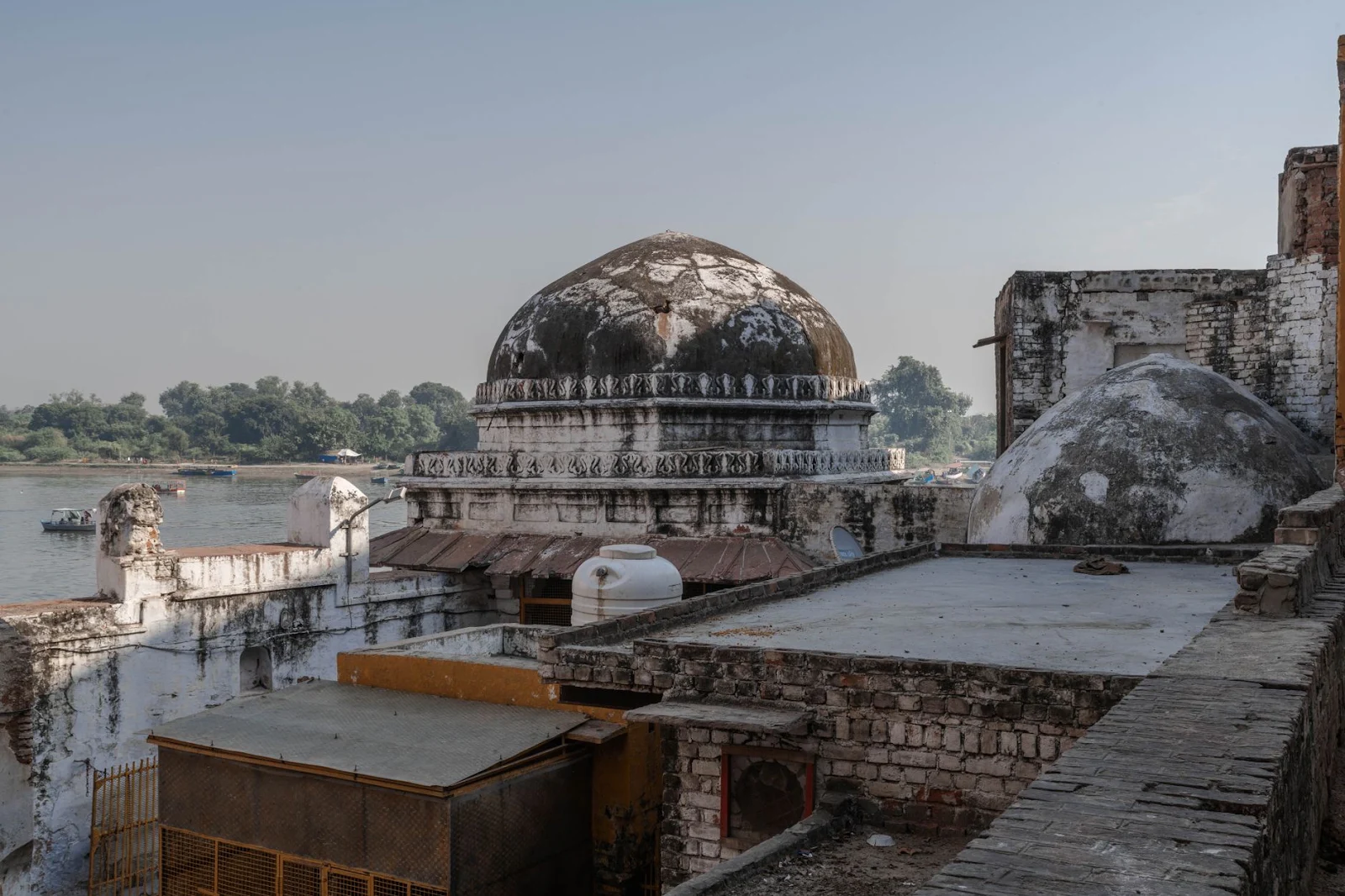
Located on the banks of the old Ganges stream towards the eastern flank of the district, the historic town of Patiali is a site of immense national and cultural value. Patiali stands globally distinguished as the birthplace of the legendary 13th-century Sufi musician, poet, and scholar Hazrat Amir Khusro (born 1253 CE). For literature lovers, musicians, and history enthusiasts, entering Patiali is an emotional journey back to the roots of Indian classical music, Hindustani poetry, and Ganga-Jamuni composite culture.
Historical & Cultural Importance
Amir Khusro, celebrated as the 'Tuti-e-Hind' (Parrot of India), was a disciple of Hazrat Nizamuddin Auliya. He is credited with inventing the musical instruments Sitar and Tabla, conceptualizing classical Qawwali musical genres, and pioneer-writing poetry in Khari Boli—the grammatical ancestor of modern Hindi and Urdu. In Patiali, visitors can witness the commemorative memorial, known locally as the Amir Khusro Memorial and Research Foundation, built to celebrate the genius of this towering historic icon. The town also harbors remnants of a historic mud-and-brick fortress built by Sultan Ghiyas-ud-din Balban, under whose reign Khusro's family served.
Key Attractions & Things to Do
- Amir Khusro Memorial: Explore the library and exhibition displaying manuscripts, historical descriptions, poetry verses, and portraits illustrating Khusro’s extraordinary legacy.
- Patiali Fort Ruins: Walk around the atmospheric remains of the medieval outpost fort that guarded trade routes along the Ganga plains.
- Annual Khusro Urs: Attend the celebratory cultural gatherings where classical musicians, qawwals, and poets gather to pay homage through soulful renditions.
Visitor Information
- Location: Patiali town, roughly 38 km east of Kasganj city.
- Timings: 09:00 AM to 05:30 PM (Memorial).
- Entry Fee: Free.
- Ideal Duration: 2 to 3 hours.
3. Nadrai Aqueduct (The Legendary Jhalar Pul)

Overview
If you think Kasganj only caters to pilgrims and literature scholars, the majestic Nadrai Aqueduct will pleasantly surprise you. Known universally among locals as the Jhalar Pul due to its delicate, lattice-like brick archways resembling ornamental frills (jhalar), this gigantic brick masonry marvel is one of the grandest 19th-century hydraulic engineering projects surviving in the Indian subcontinent. It carries the Lower Ganga Canal seamlessly over the natural bed of the East Kali River.
Engineering Marvel & History
Constructed by British engineers between 1885 and 1889 under the supervision of William Good, this monumental aqueduct was raised after a catastrophic flood destroyed an earlier structure in 1884. Built purely using high-strength lime mortar and red burnt bricks, the bridge features 15 majestic arches spanning across a total length of 1,310 feet (nearly 400 meters). The sheer scale of the brick piers sunk deep into the riverbed represents a staggering display of Victorian hydraulic engineering designed to supply irrigation across vast agricultural districts of central and western Uttar Pradesh.
Key Attractions & Things to Do
- Architectural Photography: Capture picturesque panoramic shots from the riverbank looking up at the rhythmic symmetry of the red brick arches reflected in the waters below.
- Canal Walk: Enjoy a peaceful evening stroll along the top banks of the canal canalway while admiring the lush green mustard and wheat fields that flank both sides.
- Birdwatching: The calm marshlands created by the intersection of the Kali River and the canal system attract migratory waterfowl, egrets, and kingfishers during the winter months.
Visitor Information
- Location: Nadrai village, approximately 4 km east of Kasganj town along the Kasganj-Kanpur highway.
- Timings: Open throughout the day; best visited during sunrise or late afternoon.
- Entry Fee: Free entry.
- Ideal Duration: 1 to 2 hours.
4. Chamunda Devi Temple

Overview
Situated in close proximity to the urban center of Kasganj, the Chamunda Devi Temple stands as an anchor of divine feminine energy (Shakti) for the people of the region. As one of the most prominent places to visit in Kasganj for spiritual seekers, this temple witnesses thousands of visitors daily seeking blessings for peace, protection, and prosperity.
Spiritual Legacy & Beliefs
Dedicated to Goddess Chamunda—the ferocious and loving manifestation of Durga who vanquished demonic forces to restore cosmic equilibrium—this shrine has stood for centuries as Kasganj's protective deity. The sanctum sanctorum houses a powerfully consecrated idol adorned in dazzling silk saris and silver filigree. Local lore maintains that earnest prayers whispered here during the early morning hours never go unanswered. The atmosphere during the auspicious nine days of Chaitra and Sharadiya Navratri transforms into an electric spectacle of faith, continuous devotional singing (bhajans), and sacred rituals.
Key Attractions & Things to Do
- Morning Aarti: Witness the rhythmic beating of traditional brass bells and drum chants during the sunrise temple invocation.
- Navratri Festivities: If visiting during September-October or March-April, join the grand processions and lively temple fairs bursting with carnival rides and sweet stalls.
- Meditate in the Courtyard: Spend a quiet hour beneath the holy banyan trees within the temple premises, away from town traffic.
Visitor Information
- Location: Kasganj city boundaries, easily accessible via local e-rickshaws.
- Timings: 05:00 AM to 12:00 PM and 04:00 PM to 09:30 PM.
- Entry Fee: Free.
- Ideal Duration: 1 hour.
5. Bilram Historic Town & Dargahs

Overview
Located just a short drive west of Kasganj town, Bilram is an ancient settlement soaked in antiquity. Mentioned in historic texts dating back through the Delhi Sultanate and Mughal eras, Bilram offers curious travelers an intriguing glimpse into medieval residential architecture, sacred Sufi shrines, and rustic rural life untouched by modern high-rises.
Historical Tapestry
Bilram once served as a prominent administrative and military outpost before modern Kasganj grew into a district hub. The settlement is home to various venerable mosques, antique havelis with intricate wooden doorways, and respected Sufi dargahs including the shrine of Hazrat Syed Barkatullah. The fusion of Islamic architectural aesthetics with traditional brickwork provides historians and offbeat wanderers an authentic canvas of North India’s multi-layered medieval past.
Key Attractions & Things to Do
- Explore Ancient Havelis: Stroll through the quiet alleyways of Bilram to inspect ornate balconies, weathered carved stone jalis, and brick arches.
- Pay Homage at Local Sufi Shrines: Experience the peaceful sanctity of regional dargahs where locals of all faiths gather to offer fragrant rose petals and light earthen lamps.
- Rural Field Walks: Wander along the edge of the village into sprawling mustard fields and mango orchards that stretch far toward the horizon.
Visitor Information
- Location: Bilram, roughly 9 km west of Kasganj city center.
- Timings: Sunrise to sunset.
- Entry Fee: Free.
- Ideal Duration: 1.5 to 2 hours.
Best Time to Visit Kasganj
Because Kasganj experiences the typical continental climate of the Northern Plains, timing your journey accurately will ensure a delightful and memorable experience.
- Winter (October to March) — Ideal Time: The climate during winter is crisp, mild, and wonderfully pleasant, with daytime temperatures hovering comfortably between 15°C and 25°C. This makes outdoor exploration at Soron Ghats, Nadrai Aqueduct, and rural sites thoroughly enjoyable. Nights can get chilly in December and January (dropping down to 5°C), so pack comfortable woolens.
- Monsoon (July to September): Heavy monsoon rains bring refreshing relief to the agricultural landscape, filling the canals and rivers. However, exploring rural mud tracks and river ghats can become slippery and challenging due to high humidity.
- Summer (April to June) — Not Recommended: Summers are harsh and dry, with scorching temperatures frequently soaring past 42°C accompanied by intense afternoon heatwaves (Loo). Sightseeing during this period can quickly lead to exhaustion.
How to Reach Kasganj
By Air
The nearest commercial domestic airport is Kheria Airport in Agra (AGR), located approximately 110 km southwest of Kasganj. Agra has daily flights connecting to major hubs such as Delhi, Mumbai, and Bengaluru. For a broader range of domestic and international flights, Indira Gandhi International Airport (DEL) in New Delhi is situated about 215 km away. From either airport, travelers can hire private taxis or board express trains directly to Kasganj.
By Train
Kasganj Junction (KSJ) is an essential, historic railway junction that falls under the Izzatnagar Division of the North Eastern Railway zone. It is well-linked via direct express and passenger trains with major cities such as New Delhi, Lucknow, Kanpur, Bareilly, Mathura, Agra, Gorakhpur, and Jaipur. Traveling by train is often the smoothest, fastest, and most cost-effective method to arrive in Kasganj.
By Road
Kasganj is well connected by state highways and national road networks across Uttar Pradesh. State Highway 53 connects it smoothly with Mathura, Hathras, and Bareilly. Direct Uttar Pradesh State Road Transport Corporation (UPSRTC) buses ply regularly between Kasganj and nearby hubs like Aligarh (65 km), Mathura (105 km), Bareilly (110 km), Agra (100 km), and New Delhi (210 km).
Local Food & Culinary Delights in Kasganj
The culinary identity of Kasganj is deeply rooted in the heartiness of Western Uttar Pradesh and Braj cuisine. Food lovers will discover a treasure trove of freshly prepared vegetarian street food and mouth-watering sweets:
- Kasganj Peda: Famous across neighboring districts, Kasganj pedas are prepared from slow-simmered condensed milk solids (khoya) infused with fragrant green cardamom and topped with pistachios. They are soft, richly flavored, and an absolute must-buy souvenir.
- Bedmi Puri & Hing Aloo Sabzi: The breakfast of champions in Kasganj! Crisp, deep-fried puris stuffed with spiced urad dal paste, served alongside piping hot potato gravy fragrant with asafoetida (hing) and tangy raw mango pickle.
- Soan Papdi & Milk Sweets: Kasganj boasts long-standing sweet shops around Ghantaghar (Clock Tower) producing silky, flaky soan papdi, rabdi-jalebi, and mouth-melting malai laddoos.
- Tikki-Batasha (Chaat): Spend your late afternoon tasting authentic North Indian chaat—spicy potato patties roasted in ghee served with tangy tamarind chutney, alongside crisp puris (golgappe) filled with mint and asafoetida spiced water.
10 Essential Travel Tips for Visiting Kasganj
- Dress Modestly: Kasganj and especially Soron Ji are culturally traditional pilgrimage destinations. Keep your shoulders and knees covered when visiting temples, ghats, and dargahs.
- Carry Sufficient Cash: While digital payments via UPI are widely accepted in urban sweet shops and hotels, smaller vendors, boatmen at Soron, and rural transport operators in Patiali rely predominantly on paper cash.
- Remove Footwear at Ghats: Be mindful to take off your shoes before stepping onto holy ghat platforms, particularly around Har Ki Pauri at Soron.
- Hire an Auto-Rickshaw for Day Excursions: Electric rickshaws and auto-rickshaws are cheap and readily available for city transit. However, for out-of-town trips to Patiali or Nadrai, negotiate a fixed daily price with a dedicated auto or taxi.
- Keep Early Morning Hours for Ghats: Plan your trip to Soron Shukar Kshetra early in the morning (around 6:00 AM) to experience the peaceful morning prayers and soft golden sunlight across the water without midday crowds.
- Beware of Unofficial Temple Guides: In Soron, occasional self-proclaimed spiritual guides may push for expensive private rituals (pooja). Politely and firmly decline if you simply wish to explore at your own pace.
- Stay Hydrated: Always carry bottled drinking water, especially while wandering along open architectural sites like the Nadrai Aqueduct.
- Carry Winter Layers: If you are touring between late November and mid-February, early mornings and late evenings drop down to chilling temperatures. Bring jackets, scarves, and woolens.
- Protect Your Electronics: While boat-riding or walking along river banks, secure your cameras and mobile phones with wrist straps to prevent accidental drops into the water.
- Sample Fresh Jalebis: Never skip evening refreshments at the city center; hot jalebis paired with thick curd or rabdi make for an unforgettable culinary experience.
Suggested 2-Day Kasganj Itinerary
Day 1: Spiritual Awakening & Colonial Engineering
- 07:00 AM – 10:30 AM: Start your morning at Soron Shukar Kshetra. Stroll along the Har Ki Pauri ghats, witness the traditional holy bath rituals, and offer prayers at the ancient Varaha Temple.
- 10:30 AM – 11:30 AM: Savor a hearty, authentic breakfast of hot Bedmi Puri and spicy Hing Aloo sabzi at a local eatery in Soron market.
- 12:00 PM – 02:00 PM: Return to Kasganj, check in to your hotel, and relax during the hottest part of the midday.
- 03:30 PM – 05:30 PM: Head out to the Nadrai Aqueduct (Jhalar Pul). Spend a delightful evening taking photos of the grand brick arches, walking along the canal embankment, and enjoying the sunset over the Kali River.
- 06:30 PM – 08:30 PM: Visit Chamunda Devi Temple in Kasganj to attend the evocative evening aarti. Wrap up your day exploring the bustling street markets near Ghantaghar and sampling local pedas.
Day 2: Literature, Sufi Heritage, and Old-World Charms
- 08:00 AM – 09:30 AM: Relish a refreshing local breakfast with samosas, kachoris, and hot tea in Kasganj city center.
- 10:00 AM – 01:00 PM: Embark on a scenic drive to Patiali (approx. 45 minutes). Tour the Amir Khusro Memorial, learn about his contributions to classical music and Hindi-Urdu literature, and explore the ancient fort ruins.
- 01:30 PM – 02:30 PM: Enjoy a simple countryside lunch at a highway dhaba on your return journey.
- 03:30 PM – 05:30 PM: Drive westward to visit the historic settlement of Bilram. Discover the intricate brick havelis, meditate peacefully at the Sufi dargahs, and walk past vibrant rural farm fields.
- 06:30 PM onwards: Conclude your Kasganj journey by picking up freshly boxed packs of world-renowned Kasganj peda for friends and family back home.
Frequently Asked Questions (FAQs)
1. What is Kasganj famous for?

Kasganj is widely known for the sacred Hindu pilgrimage town of Soron Shukar Kshetra (associated with Lord Vishnu's Varaha incarnation), the historic birthplace of great Sufi poet Amir Khusro at Patiali, the impressive nineteenth-century Nadrai Aqueduct (Jhalar Pul), and delicious regional pedas.
2. Is Kasganj safe for solo and family travelers?

Yes, Kasganj is generally safe, warm, and welcoming for both families and solo travelers. People are polite and hospitable. Standard travel precautions should naturally be maintained, such as avoiding deserted rural stretches late at night and keeping personal belongings secure in crowded bazaars.
3. How far is Soron from Kasganj railway station?

Soron Shukar Kshetra is situated roughly 15 km northwest of Kasganj Junction. It takes around 25 to 30 minutes to reach Soron via taxi, auto-rickshaw, or connecting local passenger trains.
4. Can Nadrai Aqueduct be visited throughout the year?

Yes, Nadrai Aqueduct is accessible throughout the year without any entry restrictions. However, the best months to visit are from October through March, when the afternoon sunshine is mild, and the greenery around the canal creates fantastic photographic opportunities.
5. Which railway station connects Kasganj to major Indian cities?
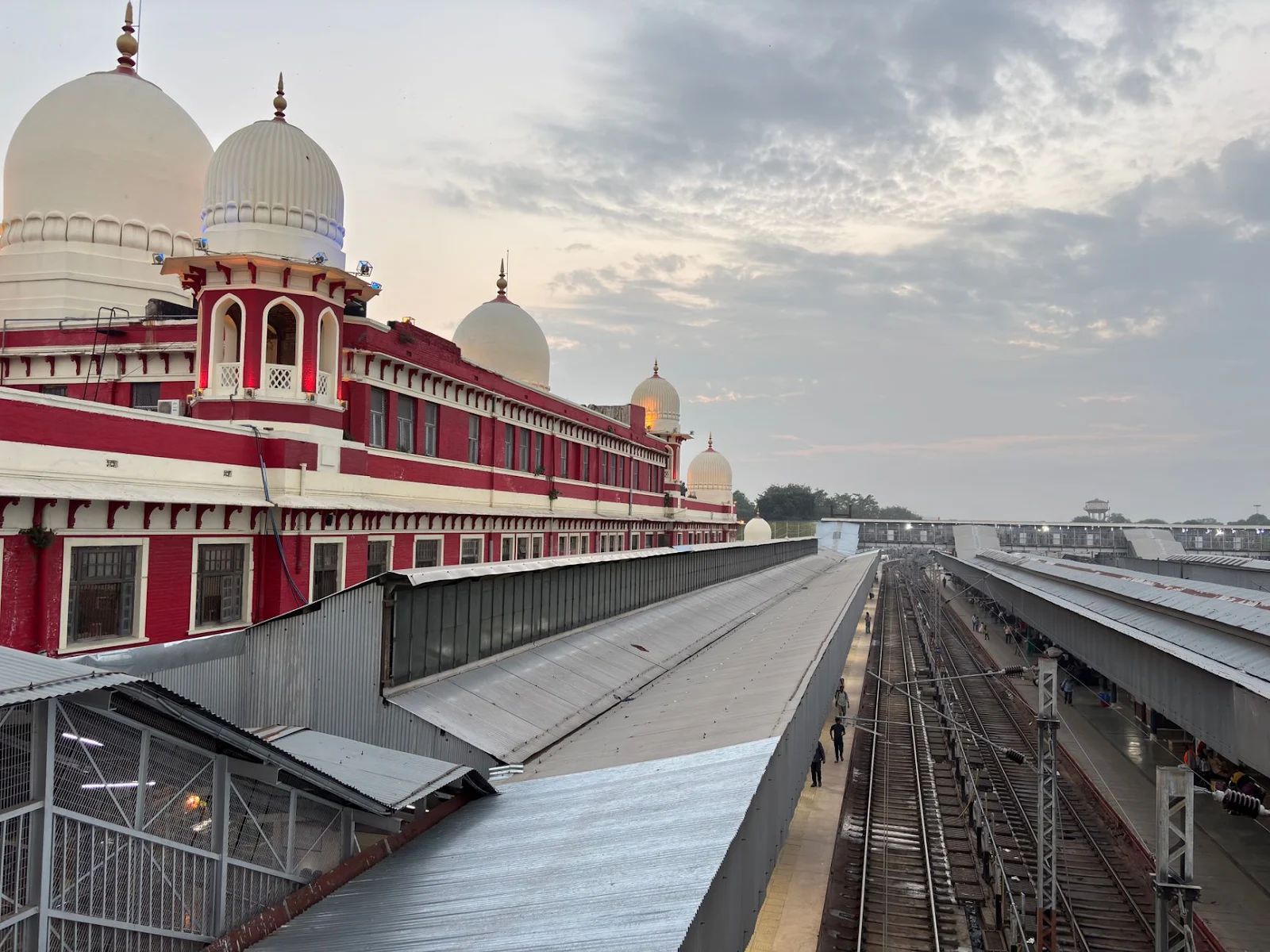
Kasganj Junction (station code: KSJ) is the main railway hub serving the entire district. It runs regular direct express trains to New Delhi, Lucknow, Kanpur, Bareilly, Mathura, Agra, and Jaipur.
6. What are the best souvenirs to buy in Kasganj?

The best souvenirs to buy from Kasganj are traditional milk sweets, specifically the famous Kasganj Peda, along with handmade brass puja items, incense, and religious artifacts sold outside temples in Soron.
7. Are there good hotel accommodations available in Kasganj?

Kasganj offers several comfortable budget, mid-range, and business-friendly hotels, as well as family-run guest houses situated near the railway junction and along the main highway corridors. For luxury star-category accommodations, travelers often base themselves in nearby Aligarh or Agra.
8. How many days are sufficient to explore Kasganj?

A duration of 2 full days is ideal to experience all the major attractions, including Soron Shukar Kshetra, Nadrai Aqueduct, Patiali, Chamunda Devi Temple, and Bilram at an unhurried, comfortable pace.
Conclusion
Kasganj is a treasure trove of genuine Indian tradition waiting to be rediscovered by conscious, curious travelers. Far from commercialized tourist circuits, its charm lies in the raw authenticity of its experiences: watching morning mist rise over the tranquil ghats of Soron, tracing the poetic genius of Amir Khusro across Patiali’s soil, or marveling at the towering brick symmetry of the Victorian Nadrai Aqueduct standing proud against time.
Every corner of this district weaves a story—uniting diverse threads of devotion, literature, and architectural grit into an unforgettable travel tapestry. If your heart yearns for authentic journeys that rekindle your love for forgotten history and timeless sacred landscapes, Kasganj deserves an undeniable place on your Uttar Pradesh travel itinerary. Pack your bags, immerse yourself in its cultural rhythms, and let the quiet wonder of Kasganj leave an indelible mark on your soul.



0 Comments