
Top 5 Places to Visit in Jamtara, Jharkhand, India: Unveiling Hidden Gems
Welcome, fellow wanderers, to one of Jharkhand's most misunderstood yet deeply fascinating districts! When you hear the name Jamtara, your mind might instantly race to sensationalized news headlines about cybercrime. But let me stop you right there. Beyond the digital lore lies a tranquil, culturally rich, and historically significant land that tells a completely different story. As an avid traveler who loves digging beneath the surface of mainstream tourism, I embarked on a journey to uncover the real Jamtara—a place where pristine rivers flow, ancient temples whisper forgotten tales, and lush green landscapes offer a much-needed escape from the chaotic concrete jungles of our cities.
Jamtara is uniquely positioned in the Santhal Pargana division of Jharkhand. It is a district wrapped in rustic charm, where the pace of life slows down and invites you to breathe deeply. For nature lovers, history enthusiasts, and offbeat explorers searching for the top tourist places in Jamtara, this region holds quiet surprises at every turn. From the banks of the sacred Ajay River to the dense, wildlife-rich forests that echo with indigenous heritage, Jamtara is waiting to be explored by mindful travelers.
In this comprehensive travel guide, we will break down the best places to visit in Jamtara, Jharkhand, India. Whether you are planning a peaceful weekend getaway or an exploratory road trip through eastern India, this curated list will help you navigate the district like a seasoned local. Pack your bags, keep your cameras ready, and let us dive into the untouched beauty of Jamtara!
Table of Contents
- 1. Ajay River Bank
- 2. Digwadih Mahadev Temple
- 3. Karmatar (Vidya Sagar)
- 4. Subhash Sarobar
- 5. Churulia Borderlands and Rural Landscapes
- Best Time to Visit Jamtara
- How to Reach Jamtara
- Local Food and Culinary Delights
- 10 Essential Travel Tips for Jamtara
- Suggested 2-Day Jamtara Itinerary
- Frequently Asked Questions (FAQs)
- Conclusion
1. Ajay River Bank

About the Place
The Ajay River is the lifeblood of the Jamtara district, carving its way through picturesque terrain and creating serene riparian ecosystems. The banks of the Ajay River rank comfortably at the top of any list featuring the best tourist attractions in Jamtara. Originating from the hills of Munger in Bihar, the river flows through Jharkhand and West Bengal before emptying into the Bhagirathi. In Jamtara, the riverbanks offer sprawling sandy stretches, gentle ripples, and an atmosphere of absolute solitude that is rare in today's overcrowded tourist hubs.
Historical & Cultural Significance
Historically, the Ajay River valley has been a cradle of indigenous settlements, trade routes, and spiritual gatherings. Local folklore is deeply tied to the river, with villagers often gathering along its banks during major festivals like Chhath Puja and Makar Sankranti. The surrounding area has long served as a pastoral refuge for local Santhal communities, whose traditional songs and art forms often reference the soothing flow of the Ajay.
Things to Do
- Enjoy peaceful morning and evening walks along the sandy riverbanks.
- Set up a quiet riverside picnic with family or friends while listening to bird calls.
- Capture stunning sunrise and sunset photography over the water.
- Interact with local fishermen and observe traditional fishing techniques.
Practical Information
Location: Approximately 5 km from Jamtara town center.
Timing: Open 24/7; best visited during sunrise or sunset.
Entry Fee: Free.
2. Digwadih Mahadev Temple

About the Place
Steeped in spiritual grace and architectural simplicity, the Digwadih Mahadev Temple is one of the most revered shrines in the region. Dedicated to Lord Shiva, this sacred site attracts devotees from across the district, especially during the auspicious month of Shravan and Maha Shivratri. Surrounded by rustic greenery and quiet village roads, the temple complex exudes a calming energy that instantly centers the mind and soul.
Historical & Cultural Significance
While the exact origins of the current structure blend modern renovations with ancient foundations, the site has served as a spiritual anchor for rural communities for generations. It represents the harmonious blending of traditional Santhal cultural reverence for nature with mainstream Hindu devotional practices. Festivals held here see massive community participation, fostering unity and shared cultural heritage among locals.
Things to Do
- Offer prayers and participate in the daily *aarti* rituals.
- Meditation and quiet reflection within the serene temple courtyard.
- Observe local rural architecture and community bonding activities.
- Participate in the vibrant celebrations during Maha Shivratri.
Practical Information
Location: Digwadih village, easily accessible via local transport from Jamtara.
Timing: 6:00 AM to 8:00 PM daily.
Entry Fee: Free.
3. Karmatar (Vidya Sagar)
About the Place
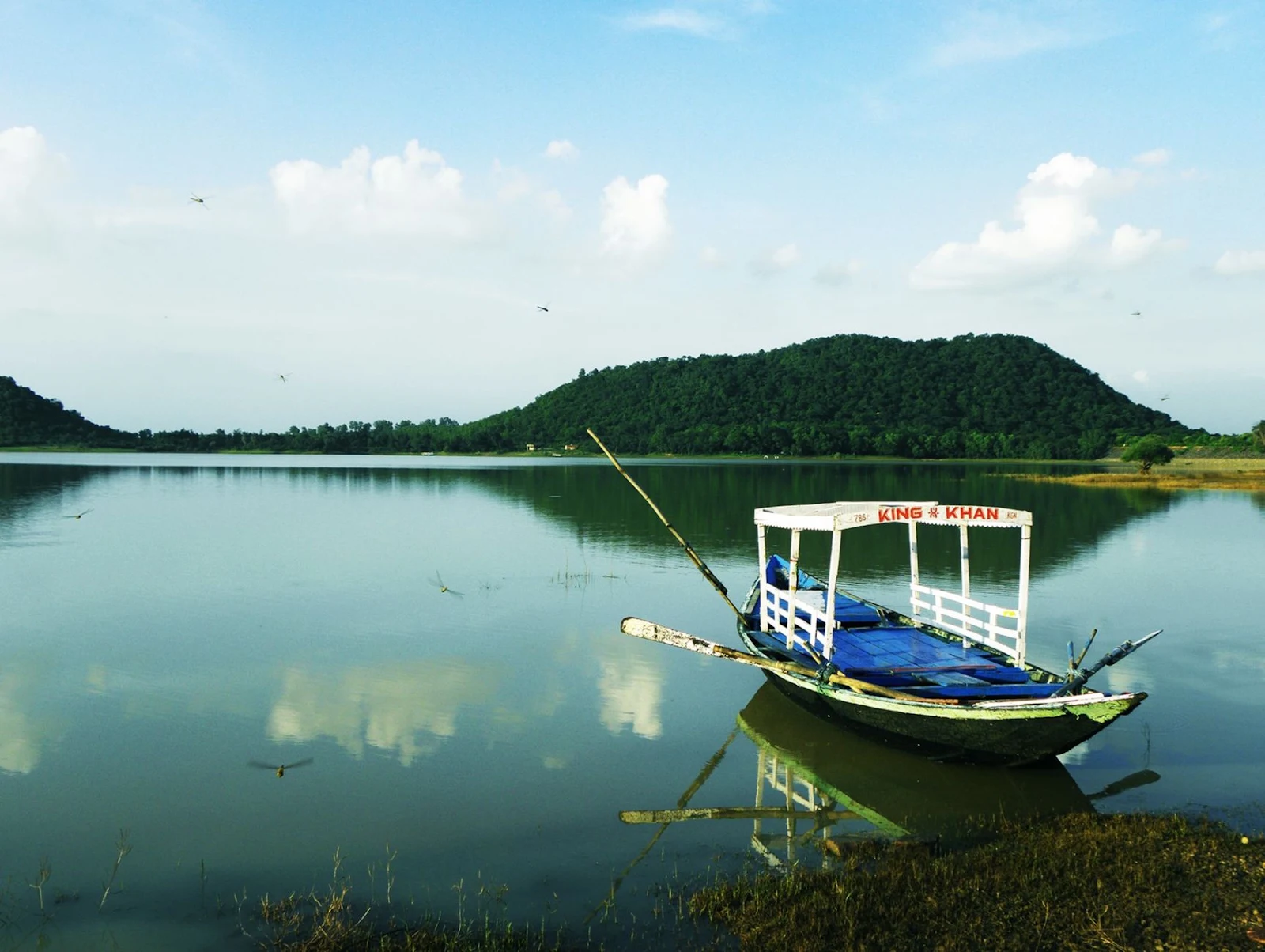
Karmatar, officially known as Vidya Sagar, is a historically rich small town located within the Jamtara district. It holds immense cultural importance in the history of modern Bengal and Jharkhand. Named after the legendary social reformer and educationist Pandit Ishwar Chandra Vidyasagar, this place serves as a pilgrimage for literature and history lovers visiting the top places to visit in Jamtara.
Historical & Cultural Significance
Pandit Ishwar Chandra Vidyasagar spent his final years working tirelessly for the upliftment of the local Santhal tribal communities here. He established schools, hospitals, and welfare centers. His former residence stands as a silent witness to his great philanthropic legacy, making Karmatar a place of profound historical reverence.
Things to Do
- Visit the memorial house of Pandit Ishwar Chandra Vidyasagar.
- Explore the local railway station, which retains colonial-era charm.
- Interact with local villagers to learn about Vidyasagar's enduring legacy.
- Shop for authentic tribal handicrafts in the local weekly market (haat).
Practical Information
Location: Karmatar town, roughly 13 km from Jamtara railway station.
Timing: 9:00 AM to 5:00 PM (for the memorial site).
Entry Fee: Free.
4. Subhash Sarobar
About the Place
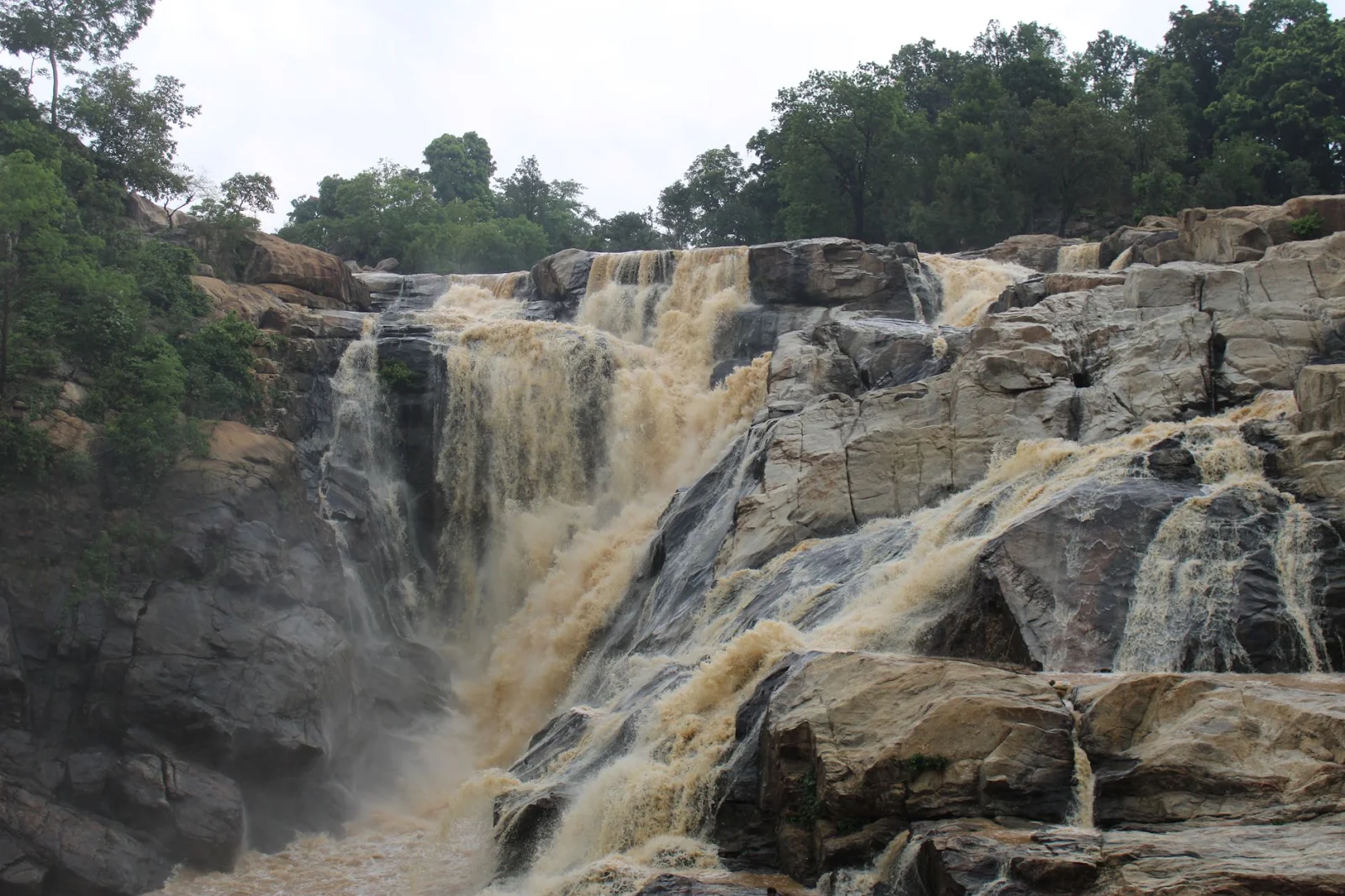
Subhash Sarobar is a picturesque water body and recreational park located within the heart of Jamtara. Named in honor of the legendary freedom fighter Netaji Subhash Chandra Bose, this spot has been developed into a scenic urban oasis. With well-paved walking tracks, blooming garden patches, and shimmering water reflections, it is one of the most relaxing destinations for families and nature enthusiasts.
Historical & Cultural Significance
Named to inspire patriotism and civic pride, Subhash Sarobar serves as a central hub for community gatherings, morning walkers, and cultural celebrations. It stands as a tribute to India's freedom struggle while providing a green lung for the growing town of Jamtara.
Things to Do
- Enjoy a leisurely morning or evening stroll around the water tank.
- Go birdwatching, as various migratory and local birds frequent the area.
- Let children play in the designated park and garden zones.
- Sit on the benches and enjoy a peaceful read or podcast session.
Practical Information
Location: Central Jamtara town area.
Timing: 5:00 AM to 9:00 PM daily.
Entry Fee: Free.
5. Churulia Borderlands and Rural Landscapes

About the Place
Straddling the border region where Jharkhand meets West Bengal, the rural landscapes surrounding Jamtara offer breathtaking vistas of undulating laterite earth, dense Sal forests, and rustic mud-brick houses. Exploring these borderlands gives travelers an authentic glimpse into rural Indian life, far removed from commercial tourism circuits. It is a premier destination for photography enthusiasts looking for raw, unfiltered cultural beauty.
Historical & Cultural Significance
This border region is deeply connected to the cultural ethos of the Rarh region. It is the birthplace of legendary poet Kazi Nazrul Islam just across the border, and the cultural influence of folk music like Jhumur and Baul permeates through the local air. The indigenous Santhal art, wall paintings, and community living models provide deep anthropological insights.
Things to Do
- Take a countryside road trip to admire the red soil and Sal tree forests.
- Photograph traditional Santhal mud houses adorned with intricate folk art.
- Listen to local folk melodies performed by community artists.
- Savor authentic rural snacks at roadside village tea stalls.
Practical Information
Location: Peripheral areas along the Jamtara-West Bengal border.
Timing: Best visited during daylight hours.
Entry Fee: Free.
Best Time to Visit Jamtara
Planning your trip at the right time of year ensures comfortable weather and maximum enjoyment of outdoor attractions. The best time to visit Jamtara is during the winter months, spanning from October to March. During this period, daytime temperatures hover around a pleasant 20°C to 28°C, while nights turn delightfully crisp and cool.
Monsoons (July to September) are also a wonderful time for nature lovers who want to witness lush green landscapes, flowing rivers, and vibrant agricultural fields. However, outdoor exploration might occasionally get interrupted by heavy showers. Summers (April to June) should generally be avoided unless necessary, as temperatures frequently soar above 40°C, making daytime sightseeing quite exhausting.
How-to-Reach Jamtara
Jamtara is well-connected to major cities in Jharkhand and neighboring states via a reliable network of roads and railways.
- By Air: The nearest major airport is Deoghar Airport (DGH), located approximately 65 km away. Alternatively, Netaji Subhash Chandra Bose International Airport in Kolkata is about 230 km away and offers extensive domestic and international flight connections.
- By Train: Jamtara Railway Station (JMT) lies on the main Howrah-Delhi chord line via Asansol-Patna section. Numerous express and superfast trains connect Jamtara directly to Kolkata, Patna, Delhi, Ranchi, and Dhanbad.
- By Road: Jamtara is easily accessible via well-maintained state highways. Regular buses and shared taxis operate frequently from Dhanbad, Asansol, Deoghar, and Ranchi. Self-driving from Kolkata or Ranchi via NH19 is also a popular option for road trip enthusiasts.
Local Food and Culinary Delights
No travel experience is complete without tasting the local flavors! Jamtara’s cuisine is a delightful blend of traditional Jharkhandi tribal food and Bengali culinary influences due to its geographical proximity.
- Dhuska and Chana Curry: A quintessential breakfast staple made from deep-fried rice and lentil batter, served hot with spicy potato or chickpea curry.
- Litti Chokha: Though famous across Bihar and Jharkhand, the rustic preparation over cow dung fire in rural Jamtara gives it an unmatched smoky flavor.
- Pitha: A traditional rice-flour dumpling stuffed with jaggery, coconut, or lentils, prepared during festive seasons.
- Madua Ragi Roti: A healthy, nutritious millet flatbread served with seasonal vegetable curries and spicy chutneys.
- Local Sweets: Don't miss tasting traditional Bengali sweets like *Rasgulla* and *Malpua* available at local sweet shops.
10 Essential Travel Tips for Jamtara
- Plan Your Itinerary: Since Jamtara is an offbeat destination, public transport can be sparse in rural pockets; hiring a private cab is recommended.
- Carry Cash: While digital payments are growing in town centers, rural vendors and small shops prefer cash transactions. Keep adequate cash handy.
- Dress Modestly: Respect local cultural sensitivities by wearing modest, comfortable clothing, especially when visiting temples and rural villages.
- Respect Tribal Culture: Always ask for permission before photographing local residents or their traditional homes in Santhal villages.
- Stay Hydrated: Carry reusable water bottles, especially if you are visiting riverbanks or exploring forest trails during warmer months.
- Pack First-Aid: Keep a basic medical kit with motion sickness pills, band-aids, insect repellent, and personal medications.
- Mobile Connectivity: Major telecom operators like Jio and Airtel work well in Jamtara town, but connectivity might drop in deep rural borderlands.
- Local Guide: Consider hiring a local guide if you want to understand the deep historical nuances of Karmatar and local tribal folklore.
- Eco-Friendly Travel: Do not litter plastic waste in rivers, parks, or forest areas. Keep Jamtara pristine and clean.
- Check Weather Updates: Keep an eye on weather forecasts, particularly during monsoon and summer months, to plan outdoor activities safely.
Suggested 2-Day Jamtara Itinerary
Here is a well-balanced 2-day weekend itinerary to help you make the most of your trip to Jamtara:
Day 1: Cultural Heritage and River Serenity
- 09:00 AM: Arrive in Jamtara, check into your hotel, and freshen up.
- 10:30 AM: Head to Karmatar (Vidya Sagar) and explore the Pandit Ishwar Chandra Vidyasagar Memorial House.
- 01:00 PM: Enjoy a hearty traditional lunch featuring local delicacies at a town restaurant.
- 03:30 PM: Visit the sacred Digwadih Mahadev Temple for afternoon prayers and quiet reflection.
- 05:30 PM: Head over to the Ajay River Bank to witness a stunning sunset over the water.
- 08:00 PM: Dinner and overnight stay in Jamtara.
Day 2: Parks, Borderlands, and Local Shopping
- 07:30 AM: Morning walk and birdwatching session at Subhash Sarobar park.
- 09:30 AM: Embark on a countryside drive toward the Churulia borderlands to explore Santhal village architecture.
- 01:00 PM: Relish a local roadside meal and interact with village artisans.
- 03:30 PM: Return to town and spend time shopping for local handicrafts at the weekly haat or town market.
- 06:00 PM: Depart from Jamtara railway station or bus stand for your onward journey.
Frequently Asked Questions (FAQs)
- 1. Is Jamtara safe for tourists?
- Yes, Jamtara is completely safe for travelers. The cybercrime reputation is limited to online activities in specific remote pockets and has zero impact on physical tourism, local hospitality, or travelers.
- 2. What is Jamtara famous for?
- Jamtara is famous for its serene Ajay River banks, the historical legacy of Pandit Ishwar Chandra Vidyasagar in Karmatar, rich Santhal tribal culture, and peaceful offbeat rural landscapes.
- 3. How far is Jamtara from Kolkata?
- Jamtara is approximately 230 km away from Kolkata and can be conveniently reached in about 4.5 to 5 hours via train or road.
- 4. Are there good hotels in Jamtara?
- Jamtara offers comfortable budget hotels, government guesthouses, and homestay options. For luxury stays, travelers often base themselves in nearby Asansol or Deoghar and visit Jamtara as a day trip.
- 5. Can I visit Jamtara with family?
- Absolutely! Jamtara offers peaceful parks, temples, and river spots that make it a wonderful destination for family outings and weekend getaways.
- 6. What language is spoken in Jamtara?
- Hindi, Khortha, Santhali, and Bengali are widely spoken across the district by local residents.
- 7. Do I need a special permit to visit tribal villages in Jamtara?
- No special permits are required to visit rural villages or public tourist spots in the Jamtara district.
- 8. What are the best souvenirs to buy from Jamtara?
- Traditional Santhal handicrafts, bamboo artifacts, handwoven textiles, and local organic food products make wonderful souvenirs.
Conclusion
Jamtara is a destination that shatters stereotypes and rewards the curious traveler with unadorned beauty, profound history, and genuine rural warmth. Far removed from the rushed itineraries of commercial tourist hotspots, this Jharkhand district invites you to slow down, listen to the rustling Sal trees, and connect with the grassroots heritage of eastern India. Whether you are walking along the tranquil banks of the Ajay River, paying homage to educational reformers in Karmatar, or marveling at rural art in the borderlands, Jamtara leaves an indelible mark on your heart. Pack your bags, look beyond the headlines, and experience the authentic, peaceful charm of Jamtara on your next holiday!



0 Comments