
Top 5 Places to Visit in Hoshiarpur, Punjab: The Gateway to the Shivaliks
Welcome, fellow wanderers, to one of Punjab’s best-kept secrets! When travelers think of Punjab, endless golden wheat fields, bustling dhabas, and the spiritual aura of Amritsar usually come to mind. But nestled in the northeastern corner of the state, right where the plains gracefully bow to the majestic Shivalik foothills, lies a district of astonishing natural beauty, rich spirituality, and historical depth. Hoshiarpur, often celebrated as the 'Land of Saints' and the 'Gateway to the Shivaliks', offers a refreshing departure from the conventional tourist trail. If you are searching for top tourist places in Hoshiarpur that combine tranquil nature, ancient temples, dense subtropical forests, and cascading seasonal waterfalls, you have arrived at the right destination.
Hoshiarpur is not just a geographical marvel; it is a cultural mosaic. Established during the medieval era and steeped in folklore, this district boasts a unique topography characterized by *Choes* (seasonal torrents) and lush green canopies that are rare in the rest of Punjab. Whether you are an avid bird watcher hoping to spot migratory species, a history buff intrigued by ancient architecture, a spiritual seeker looking for peace in secluded shrines, or simply a weary city dweller craving a weekend breath of fresh air, the best places to visit in Hoshiarpur promise an unforgettable journey. As an avid explorer of Punjab's hidden gems, I have curated this comprehensive guide to help you uncover the magic of Hoshiarpur. Pack your bags, roll down your car windows to let the crisp hill breeze in, and let us dive into the top 5 places to visit in Hoshiarpur, Punjab!
Table of Contents
- 1. Kamahi Devi Temple
- 2. Takhni-Rehmanpur Wildlife Sanctuary
- 3. Dholbaha Dam and Archaeological Site
- 4. Bhadrani (Thana Mandi)
- 5. Bajwara Fort
- Best Time to Visit Hoshiarpur
- How to Reach Hoshiarpur
- Local Food and Culinary Delights
- 10 Essential Travel Tips
- Suggested 2-Day Itinerary
- Frequently Asked Questions (FAQs)
- Conclusion
1. Kamahi Devi Temple

Introduction to Kamahi Devi Temple
Perched gracefully on a picturesque hillock in the Dunera region, the Kamahi Devi Temple is one of the most revered spiritual and cultural landmarks in the Hoshiarpur district. Dedicated to Goddess Durga, this ancient temple holds immense religious significance and attracts thousands of devotees and nature lovers throughout the year, especially during the auspicious festivals of Navratri. Surrounded by undulating green hills and dense woodlands, the temple offers a serene ambiance where the only sounds you hear are the rustling of leaves and the melodious chanting of Vedic hymns.
Historical & Cultural Significance
Local folklore and ancient traditions weave a fascinating tapestry around the origins of the Kamahi Devi Temple. According to popular belief, the temple site is intimately connected to the epic tales of the Mahabharata. It is said that the Pandava brothers visited this sacred spot during their years of exile (*Agyatvas*), seeking the blessings of the Divine Mother for strength and protection. The architectural style reflects traditional North Indian temple design, featuring intricate carvings, a welcoming sanctum sanctorum, and panoramic viewpoints that overlook the verdant valleys below. Visiting this shrine provides a profound glimpse into the spiritual ethos that defines rural Punjab.
Things to Do
- Participate in the soul-stirring evening *Aarti* (prayer ceremony) for an uplifting spiritual experience.
- Take a leisurely nature walk around the temple periphery, exploring the flora and fauna of the Shivalik foothills.
- Engage with local priests and villagers to listen to fascinating historical legends associated with the Pandavas.
- Capture stunning wide-angle photographs of the surrounding valleys, particularly during sunrise and sunset.
- Enjoy a peaceful picnic with family and friends in the designated open spaces near the temple foothills.
Visitor Information
Timings: Open daily from 5:00 AM to 8:00 PM.
Entry Fee: Completely free for all visitors.
Recommended Duration: 2 to 3 hours.
Best Time to Experience: Early morning during sunrise or late afternoon before sunset.
2. Takhni-Rehmanpur Wildlife Sanctuary

Introduction to Takhni-Rehmanpur Wildlife Sanctuary
If you thought Punjab was entirely devoid of thick forests and wild animals, the Takhni-Rehmanpur Wildlife Sanctuary will shatter your misconceptions. Spanning across a picturesque landscape of nearly 385 hectares right at the foothills of the Shivaliks, this protected sanctuary is an ecological treasure trove. Established in 1992, it serves as a critical conservation zone for a diverse array of flora and fauna. For wildlife enthusiasts, photographers, and trekking aficionados searching for the best places to visit in Hoshiarpur, this sanctuary offers an immersive encounter with pristine nature.
Historical & Cultural Significance
The sanctuary acts as a crucial green lung for the region, preserving the native biodiversity of the Shivalik eco-zone, which has witnessed rapid developmental pressures over the decades. Historically, these forests served as private hunting grounds for local royalty and British administrators before being designated as a protected wildlife sanctuary. Today, it stands as a testament to successful ecological conservation, where nature thrives undisturbed. The dense canopy is dominated by dry deciduous and sub-tropical pine forests, creating a microclimate that remains pleasantly cool even during the warmer months.
Things to Do
- Embark on guided jungle safaris and nature trails to spot resident wildlife such as barking deer, sambar, wild boars, and leopards.
- Indulge in bird watching; keep your binoculars ready for species like the peafowl, grey partridge, woodpeckers, and various migratory birds.
- Explore the seasonal streams (*Choes*) that crisscross the sanctuary, providing vital hydration to the local fauna.
- Practice nature photography, capturing the interplay of sunlight through the dense teak, sal, and bamboo trees.
- Visit the nearby ecological interpretation center to learn about regional conservation efforts.
Visitor Information
Timings: 8:00 AM to 5:00 PM on all days of the week.
Entry Fee: Nominal permit fee may apply at the forest check-post.
Recommended Duration: 3 to 4 hours.
Best Time to Experience: Early morning hours when animal sightings are most frequent.
3. Dholbaha Dam and Archaeological Site
Introduction to Dholbaha Dam and Archaeological Site
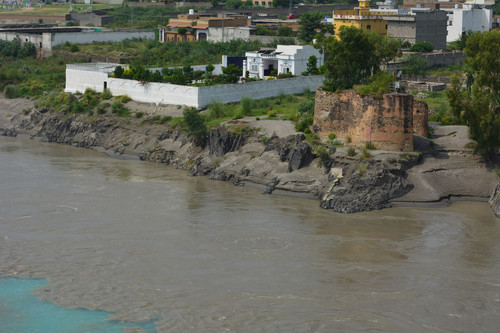
Located about 30 kilometers from Hoshiarpur city, the Dholbaha Dam is a magnificent engineering marvel set against the dramatic backdrop of the Shivalik hills. Built across the Dholbaha seasonal stream, this reservoir creates a stunning, expansive lake of shimmering blue water that mirrors the sky and surrounding green hills. However, Dholbaha is not merely a scenic picnic spot; it is also one of the most significant prehistoric and archaeological sites in northern India, making it an absolute must-visit among the top tourist places in Hoshiarpur.
Historical & Cultural Significance
During archaeological excavations conducted around the Dholbaha valley, researchers unearthed a treasure trove of artifacts dating back to the Pleistocene epoch, Lower Paleolithic, and medieval periods. Stone tools, fossilized remains, and ancient temple ruins discovered here suggest that this region has been inhabited by human civilizations for hundreds of thousands of years. Additionally, the ruins of ancient stone temples dedicated to various Hindu deities lie scattered around the area, adding a layer of deep historical intrigue for curious travelers.
Things to Do
- Settle down by the vast reservoir banks for a peaceful lakeside picnic and enjoy the cool breeze.
- Explore the nearby archaeological excavation sites and ancient temple ruins to appreciate ancient history.
- Go bird watching along the water's edge, where numerous waterfowls and migratory birds congregate during winter.
- Enjoy panoramic landscape photography, especially capturing the contrast between the concrete dam structure and raw nature.
- Take a scenic drive along the winding roads that lead up to the dam, offering spectacular valley views.
Visitor Information
Timings: Accessible 24 hours, though daylight hours (6:00 AM to 6:00 PM) are recommended.
Entry Fee: Free.
Recommended Duration: 2 to 3 hours.
Best Time to Experience: Late afternoon during sunset for breathtaking golden hour reflections.
4. Bhadrani (Thana Mandi)

Introduction to Bhadrani (Thana Mandi)
Stepping into Bhadrani, often associated with the historic Thana Mandi region in Hoshiarpur, is like walking into a living postcard of rural Punjabi heritage, timeless traditions, and untouched natural beauty. Tucked away in the undulating terrain of the district, this lesser-known gem remains blissfully free from commercial tourism. For travelers seeking offbeat destinations where they can experience authentic village life, tranquil streams, and historical architecture away from bustling crowds, Bhadrani is among the absolute best places to visit in Hoshiarpur.
Historical & Cultural Significance
Bhadrani holds deep historical roots linked to regional chieftains and trade routes that once connected the plains of Punjab to the higher reaches of Himachal Pradesh. The village and its surrounding areas feature old-world architectural elements, ancient community wells (*Khu*), and heritage structures that whisper tales of bygone eras. The local culture here is a vibrant celebration of folk music, traditional agriculture, and warm Punjabi hospitality, where guests are welcomed with open arms and a steaming cup of *desi chai*.
Things to Do
- Take a leisurely heritage walk through the village lanes to observe traditional brick-and-wood architecture.
- Interact with local artisans and farmers to understand traditional farming techniques and handicrafts.
- Relax by the banks of the pristine local streams that flow gently through the verdant landscape.
- Savor authentic, home-cooked Punjabi rural cuisine prepared in traditional earthen ovens (*chulha*).
- Collect stunning portrait and landscape shots that showcase the rustic charm of rural Punjab.
Visitor Information
Timings: Open all day; best visited during daylight hours.
Entry Fee: Free.
Recommended Duration: Half a day.
Best Time to Experience: Winter months when village life is vibrant and weather is pleasant.
5. Bajwara Fort

Introduction to Bajwara Fort
Standing tall as a proud sentinel of history, the Bajwara Fort (often associated with the legendary scholar and minister Todar Mal) is located in the historic township of Bajwara, just a short distance from Hoshiarpur city. Although parts of this once-magnificent fortress now stand in weathered ruins, its imposing presence and strategic architectural design continue to captivate history enthusiasts and heritage explorers. If you are compiling a list of top tourist places in Hoshiarpur, this historical fortification is an essential addition.
Historical & Cultural Significance
Bajwara itself is an ancient town mentioned in various historical chronicles, dating back to the Mughal era and earlier. The fort is famously linked to Raja Todar Mal, the brilliant finance minister in Mughal Emperor Akbar’s court, who is renowned for his secular outlook and administrative reforms. The fort's strategic location near the Shivalik foothills served as a vital military and administrative outpost. Exploring its crumbling bastions and weathered ramparts evokes a powerful sense of nostalgia, connecting modern visitors to the turbulent and glorious epochs of medieval Indian history.
Things to Do
- Explore the structural remains, ancient brickwork, and fortification walls that reflect medieval military architecture.
- Read up on local history beforehand to fully appreciate the legacy of Raja Todar Mal and the town of Bajwara.
- Climb to accessible elevated vantage points for commanding views of Hoshiarpur city and the surrounding countryside.
- Indulge in heritage photography, focusing on the dramatic textures of old brick, arched gateways, and encroaching greenery.
- Combine your visit with a short trip to explore the local artisan markets in Bajwara, famous for traditional wooden inlay work.
Visitor Information
Timings: Open all day; best visited between 8:00 AM and 5:00 PM.
Entry Fee: Free.
Recommended Duration: 1 to 2 hours.
Best Time to Experience: Early mornings or late afternoons when the lighting is ideal for photography.
Best Time to Visit Hoshiarpur
Planning your trip at the right time of year is essential to make the most of your exploration. The ideal time to visit Hoshiarpur is during the winter months, spanning from October to March. During this period, the weather is delightfully crisp and cool, with daytime temperatures hovering between 15°C and 25°C. This makes outdoor activities like wildlife trekking at Takhni-Rehmanpur, lakeside picnics at Dholbaha Dam, and temple visits exceptionally comfortable.
The monsoon season (July to September) offers a completely different, enchanting experience as the Shivalik hills transform into a vibrant, lush emerald paradise with roaring seasonal streams and waterfalls. However, heavy rains can occasionally disrupt travel plans in interior rural pockets. Summers (April to June) should generally be avoided unless necessary, as temperatures frequently soar above 40°C, making daytime outdoor sightseeing exhausting.
How to Reach Hoshiarpur
Hoshiarpur enjoys excellent connectivity with major cities in Punjab and neighboring states through a well-maintained network of roads and railways.
- By Air: The nearest major international airport is Sri Guru Ram Dass Jee International Airport in Amritsar (approx. 120 km away) and Chandigarh International Airport (approx. 145 km away). Taxis and buses are readily available from both airports to reach Hoshiarpur.
- By Train: Hoshiarpur has its own railway station (HSX) connected via Jalandhar. However, for better train connectivity, travelers often take a train to Jalandhar City Railway Station (approx. 40 km away) and complete the rest of the journey via taxi or state transport bus.
- By Road: Hoshiarpur is exceptionally well-connected by National and State Highways. Regular luxury and semi-deluxe buses operated by PEPSU and Punjab Roadways ply frequently from Chandigarh, Delhi, Jalandhar, Ludhiana, and Amritsar. Driving down via NH 503 offers a scenic road trip experience.
Local Food and Culinary Delights
No travel experience in Punjab is complete without indulging in its legendary culinary offerings, and Hoshiarpur has its own unique local flavors to tantalize your taste buds. While classic Punjabi staples like *Makki di Roti* with *Sarson ka Saag*, creamy *Dal Makhani*, and piping hot *Stuffed Parathas* topped with dollops of homemade butter are readily available in every local dhaba, Hoshiarpur has a few regional specialties you must try.
Make sure to taste authentic rural Punjabi preparations cooked in mustard oil with rustic spices. Stop by local roadside dhabas along the Hoshiarpur-Una highway for freshly prepared *Tandoori Roti* and *Paneer Bhurji*. For dessert, treat your sweet tooth to traditional *Pinni*, *Jalebis* fried in pure desi ghee, and rich rabri. Wash it all down with a tall glass of creamy, sweet lassi served in traditional earthenware kulhads.
10 Essential Travel Tips
- Hire a Local Driver: While major highways are great, navigating rural interior roads towards sanctuaries and dams is easier with a local driver.
- Dress Modestly: When visiting religious sites like Kamahi Devi Temple, ensure your shoulders and knees are covered out of respect.
- Carry Cash: Rural pockets and small temple stalls may not accept digital payments or cards; keep adequate cash handy.
- Stay Hydrated: Always carry a reusable water bottle, especially when trekking through wildlife sanctuaries or visiting open historical ruins.
- Wear Comfortable Footwear: Expect considerable walking and uneven terrain at Dholbaha, Bajwara Fort, and Takhni-Rehmanpur.
- Respect Wildlife: Maintain a safe distance and avoid making loud noises inside the Takhni-Rehmanpur Wildlife Sanctuary.
- Check Weather Forecasts: If traveling during monsoons, keep an eye out for sudden downpours and rising water levels in seasonal streams.
- Protect Against Insects: Pack insect repellent creams and sunscreen when exploring forested areas and dams.
- Start Early: Begin your sightseeing early in the morning to beat afternoon heat and maximize daylight hours.
- Support Local Artisans: Purchase traditional handicrafts, wooden items, and local organic produce directly from village markets to support the local economy.
- 08:00 AM - 10:30 AM: Begin your morning with divine blessings at the serene Kamahi Devi Temple amidst the Shivalik hills.
- 11:00 AM - 01:30 PM: Head towards the majestic Dholbaha Dam and Archaeological Site. Explore the reservoir views and ancient temple ruins.
- 01:30 PM - 03:00 PM: Enjoy a hearty traditional Punjabi lunch at a scenic highway dhaba near Hoshiarpur city.
- 03:30 PM - 05:30 PM: Conclude your afternoon by exploring the historic ruins and ramparts of Bajwara Fort.
- 07:00 PM onwards: Check into your hotel in Hoshiarpur city, relax, and savor local dinner specialties.
- 08:30 AM - 11:30 AM: Immerse yourself in nature with an early morning trek and bird-watching session at the Takhni-Rehmanpur Wildlife Sanctuary.
- 12:00 PM - 03:00 PM: Drive out to the picturesque rural hamlet of Bhadrani (Thana Mandi). Experience authentic village life and share a rustic meal with locals.
- 03:30 PM - 05:00 PM: Spend your final hours shopping for local handicrafts, wooden artifacts, and traditional sweets in Hoshiarpur markets before heading home.
Suggested 2-Day Itinerary
To help you structure your weekend getaway, here is an optimized 2-day itinerary covering the best places to visit in Hoshiarpur:
Day 1: Spirituality, History, and Engineering Wonders
Day 2: Wildlife, Nature, and Rural Heritage
Frequently Asked Questions (FAQs)
1. What is Hoshiarpur famous for?

Hoshiarpur is famous for its rich natural beauty, the Shivalik foothills, intricate wood-inlay craftsmanship, ancient temples, historical sites like Bajwara Fort, and as the birthplace of several spiritual and literary personalities.
2. Are there any wildlife sanctuaries in Hoshiarpur?

Yes, the Takhni-Rehmanpur Wildlife Sanctuary is located in the Hoshiarpur district, offering a protected habitat for leopards, barking deer, wild boars, and numerous bird species.
3. Can we visit Hoshiarpur with family and children?

Absolute! Hoshiarpur is a very safe, peaceful, and family-friendly destination. Places like Dholbaha Dam and Kamahi Devi Temple are wonderful for family picnics and day outings.
4. Is Hoshiarpur safe for solo travelers?

Yes, Hoshiarpur is generally very safe for solo travelers, including solo female travelers. Standard safety precautions should, however, be practiced while exploring isolated forested or hilly trails.
5. What local food should I try in Hoshiarpur?

You must try authentic Punjabi dhaba food such as Makki di Roti with Sarson ka Saag, Dal Makhani, Stuffed Parathas with white butter, fresh lassi, and traditional sweets like Pinni.
6. How far is Hoshiarpur from Chandigarh?

Hoshiarpur is approximately 145 kilometers away from Chandigarh and takes around 2.5 to 3 hours to reach by road via NH 503.
7. What are the best shopping items in Hoshiarpur?

Hoshiarpur is renowned for its traditional wooden furniture, intricate wooden inlay items (*Tarkashi*), brassware, and locally farmed organic agricultural products.
8. Do I need any special permits to visit Takhni-Rehmanpur Wildlife Sanctuary?
General entry does not require advance permits, but visitors may need to register at the forest department check-post at the entrance of the sanctuary.
Conclusion
Hoshiarpur stands as a refreshing, multifaceted destination that shatters the stereotype of Punjab being a monotonous expanse of flat agricultural plains. From the peaceful spiritual embrace of the Kamahi Devi Temple and the ancient archaeological mysteries of Dholbaha Dam to the wild, untamed canopies of Takhni-Rehmanpur Wildlife Sanctuary, the rustic charm of Bhadrani, and the weathered historical grandeur of Bajwara Fort, this district offers an incredible bounty of experiences. Whether you are planning a peaceful weekend retreat with family or an offbeat solo exploration into the Shivalik foothills, the top tourist places in Hoshiarpur promise memories that will linger long after you return home. Pack your bags, embrace the vibrant Punjabi warmth, and discover the hidden soul of Hoshiarpur on your next vacation!



0 Comments