
Top 5 Places to Visit in Hazaribagh: The Complete Travel Guide to Jharkhand's Hidden Jewel
Perched quietly upon the northern rim of the Chota Nagpur Plateau, Hazaribagh derives its poetic name from two Persian words: Hazar, meaning one thousand, and Bagh, meaning gardens. Historically celebrated as a tranquil colonial sanatorium because of its invigorating microclimate and sweeping sal tree covers, this scenic district in Jharkhand remains one of eastern India’s best-kept travel secrets. With rolling sandstone hills, prehistoric rock shelters, sprawling artificial lakes, and wildlife corridors that stretch toward the horizon, Hazaribagh provides an unfiltered connection to nature and history without the tourist rush seen elsewhere.
While the bustling cities of eastern India rush along at a frantic tempo, life in Hazaribagh unfolds at a soothing, measured pace. Morning fog floats through the thick groves of sal, mahua, and palash trees, breaking slowly to reveal sweeping panoramic viewpoints. For eco-tourists, history buffs, and road-trippers craving raw adventure, this charming plateau town serves as an exceptional getaway. The district is also the birthplace of ancient tribal art traditions, most notably the GI-tagged Sohrai and Khovar mural paintings that adorn the adobe walls of indigenous village homes.
Whether you are setting out on a weekend road trip from Ranchi, Kolkata, or Patna, or designing an extended exploration across the forested heartland of eastern India, discovering the top tourist places in Hazaribagh promises an enriching journey. From peaceful waterside strolls and mountain lookouts to the echoes of Stone Age cave dwellers, here is your definitive field guide to the best places to visit in Hazaribagh.
1. Hazaribagh Wildlife Sanctuary

About the Place
Established in 1955 and spanning an expanse of over 186 square kilometers, the Hazaribagh Wildlife Sanctuary stands as one of Jharkhand’s primary natural sanctuaries. Located along National Highway 33, this protected forest reserve sits nestled within low-rolling hill country and thick patches of tropical dry deciduous trees. The forest canopy is heavily dominated by sal (Shorea robusta), accompanied by flowering palash, bamboo clumps, and ancient mahua trees. During colonial and post-independence decades, the park enjoyed widespread fame for its tiger population; today, it primarily shelters spotted deer (chital), sambar, barking deer, wild boars, nilgai, sloth bears, Indian leopards, and an astonishing assortment of forest-dwelling birds.
Why Visit / Key Highlights
The sanctuary appeals greatly to nature photographers, birdwatchers, and travelers seeking untouched wilderness far removed from overcrowded tourist circuits. Key highlights include:
- Watchtower Views: Multiple masonry observation towers are strategically erected throughout the forest, overlooking perennial waterholes where herbivores gather at dusk.
- Forest Driving Trails: Mud-track safari trails slice deep into the core territory, providing an adventurous overland driving experience.
- Rich Birdlife: Frequent sightings of Indian rollers, white-rumped vultures, emerald doves, paradise flycatchers, and crested serpent eagles make it a birdwatcher's paradise.
- Raw Ambience: Unlike heavily commercialized national parks, this reserve feels genuine, peaceful, and delightfully untouched.
Best Time to Visit
The most rewarding months to explore the sanctuary run from October through April. During the post-monsoon period, the foliage is vibrant and deep green, while between February and April, animals congregate predictably around thinning waterholes, significantly boosting wildlife sighting odds.
Timings & Entry Fee
- Timings: 6:00 AM – 5:00 PM (open daily; safaris are advised in the early morning or mid-afternoon).
- Entry Fee: Approximately ₹30 to ₹50 per person for Indian nationals; additional nominal fees apply for four-wheelers, private vehicles, and professional camera equipment.
How to Reach from City Center
The entrance gate of the sanctuary at Pokharia is situated roughly 18 kilometers north of the Hazaribagh municipal town center along NH 33 (Ranchi-Patna Road). You can easily hire a local taxi, book a private cab, or ride an auto-rickshaw from the main bus stand to reach the sanctuary gate in about 30 to 40 minutes.
2. Canary Hill (Canary Pahar)

About the Place
Rising like an emerald sentinel right at the northern threshold of the town, Canary Hill—locally referred to as Canary Pahar—is undeniably the most famous landmark in Hazaribagh. Flanked by dense forest cover and manicured gardens at its base, the hill holds a historic colonial rest house at its middle tier and a dedicated three-story watchtower at its summit. For over a century, Canary Hill has served as an observation post, a retreat for nature painters, and the ultimate vantage point for residents and travelers looking to admire the geography of the Chota Nagpur plateau.
Why Visit / Key Highlights
Canary Hill is the crown jewel of local Hazaribagh sightseeing. Visitors head to this elevation for several reasons:
- Unmatched 360-Degree Vistas: Ascending the steps to the watchtower rewards you with an uninterrupted view of Hazaribagh town on one side and unbroken ocean-like swells of sal forests on the other.
- Sunset and Sunrise Drama: Photographers flock here in the late afternoon to capture the sun sinking behind the plateau ranges, painting the sky in fiery shades of crimson and amber.
- Forested Staircase Walk: The paved stairway leading up through the forest canopy gives visitors a modest, refreshing trek alongside playful langurs and singing bulbuls.
- Base Parks: The lower grounds house manicured garden paths and children’s play corners, making it a favorite family picnic stop.
Best Time to Visit
Canary Hill is welcoming throughout the year, but the crisp winter months between November and February offer clean, crystal-clear skies for long-distance photography. Aim to arrive between 5:30 AM and 7:00 AM for sunrise or between 4:00 PM and 5:30 PM for sunset.
Timings & Entry Fee
- Timings: 6:00 AM – 6:30 PM daily.
- Entry Fee: Entry is free; nominal parking fees (₹10–₹30) are charged for two-wheelers and cars at the base parking compound.
How to Reach from City Center
Canary Hill sits just 4.5 kilometers from Hazaribagh’s town center. Shared auto-rickshaws, e-rickshaws (totos), and private taxis run continuously toward the hill road. The drive takes no more than 10 to 15 minutes from downtown hotels.
3. Hazaribagh Lake (Jheel)

About the Place
Forming the emotional heart of town life, Hazaribagh Lake—popularly known among residents simply as The Jheel—is a chain of interconnected freshwater bodies excavated during the British colonial period. Designed primarily to manage the town’s urban water supply and maintain ambient cooling, the lake system is surrounded by sweeping tree-lined walkways, prominent administrative bungalows, and open open-air promenades. Today, it stands as the favorite recreational venue for evening strollers, exercise enthusiasts, families, and weary wanderers looking to decompress.
Why Visit / Key Highlights
Hazaribagh Lake offers a tranquil, unhurried urban retreat with numerous recreational opportunities:
- Boating Facilities: Paddleboats and rowboats are operated by local tourism operators, allowing visitors to spend relaxed afternoons drifting across calm waters.
- Scenic Lake Circular Road: The asphalt promenade wraps along the shorelines under centuries-old banyan and gulmohar canopies, perfect for brisk walking or evening jogging.
- Open Air Cafeterias & Street Stalls: The lakeside road comes alive after 4:00 PM with street food hawkers offering roasted corn (bhutta), crispy pakodas, spicy chaat, and steaming cups of ginger chai.
- Birdwatching: During the winter, the quieter sections of the lake attract migrating waterfowl, including teals, common coots, and pond herons.
Best Time to Visit
While pleasant throughout the year, evenings from October to March are particularly delightful, thanks to the cool plateau breeze skimming across the water. Early mornings are equally magical when silvery mist blankets the lake's surface.
Timings & Entry Fee
- Timings: Open 24 hours (boating runs typically from 8:00 AM to 6:00 PM).
- Entry Fee: Free public access. Boating tickets run from ₹50 to ₹120 depending on boat style and time duration.
How to Reach from City Center
The lake is centrally positioned within the municipal area, mere meters away from main administrative quarters such as the District Collectorate. It lies within walking distance or a 5-minute e-rickshaw ride from virtually all town-center hotels.
4. Konar Dam

About the Place
Constructed across the Konar River—a major tributary of the Damodar—Konar Dam represents an early engineering milestone of the Damodar Valley Corporation (DVC), opened to the nation in 1955. Located roughly 50 kilometers southeast of Hazaribagh town, the reservoir blends concrete gravity construction with massive earthen embankments stretching over four kilometers in length. Beyond its industrial roles in flood control, hydroelectric production, and irrigation, Konar Dam has emerged as one of the most stunning water-body tourist destinations in Jharkhand, surrounded by rolling hills and raw pastoral scenery.
Why Visit / Key Highlights
Konar Dam is a marvelous destination for road trips and rural day-outings, featuring:
- Vast Inland Sea Panorama: The sheer size of the reservoir resembles an inland ocean surrounded by green hills, creating a stark, breathtaking visual contrast.
- Picnic Hotspot: The grassy lawns and pine groves surrounding the dam spillways and reservoir banks make this one of the preferred picnic destinations across the district during winter weekends.
- Engineering Grandeur: Standing along the accessible parapet walls offers an up-close appreciation of early mid-century river diversion and flood mitigation engineering.
- Peaceful Rural Drives: The approach road snakes through quintessential Santhal and tribal hamlets, seasonal agricultural fields, and peaceful forest belts.
Best Time to Visit
The post-monsoon and winter stretches between September and March are ideal. Following the monsoons, the dam gates are often partially raised to release surging water, which creates thunderous, misty water sprays that look incredible on camera.
Timings & Entry Fee
- Timings: 8:00 AM – 5:30 PM daily.
- Entry Fee: Free entry to public viewing sections. Special permissions may be required from DVC security officers to access restricted engineering platforms.
How to Reach from City Center
Konar Dam is situated around 50 kilometers from Hazaribagh town center. The smoothest way to get there is by private car, hired taxi, or motorcycle via NH 522 (formerly NH 100), passing near Gomia. The drive takes approximately 1 hour and 15 minutes through scenic countryside.
5. Isco Rock Art Caves

About the Place
Tucked deep into the Sati hills near Barkagaon, around 45 kilometers from Hazaribagh town, lies the globally significant archaeological wonder known as the Isco Rock Art Caves. Discovered in 1991 by environmentalist and researcher Bulu Imam, these prehistoric rock overhangs feature vibrant ochre-red pictographs believed by archaeologists to date back to the Mesolithic, Neolithic, and Chalcolithic eras—spanning from roughly 7,000 BCE to 10,000 BCE. The petroglyphs and painted murals showcase an intricate world of wild beasts, sacred zoomorphic symbols, human hunters, fertility totems, and complex geometric matrices that bear an uncanny resemblance to the living tribal traditions of Sohrai and Khovar paintings practiced today.
Why Visit / Key Highlights
For culture purists, history lovers, and conscious explorers, Isco is a deeply moving experience:
- Ancient Human Expression: Stand inches away from pigments mixed using hematite ore and plant extracts applied by Stone Age human ancestors over eight millennia ago.
- The Cradle of Sohrai Art: Trace the clear visual continuum between prehistoric artistic strokes and modern indigenous wall murals painted by contemporary tribal women in nearby hamlets.
- Subterranean Marvelling: Explore the subterranean cave shelters, known locally as Marwatari, which once provided shelter to nomadic hunting clans.
- Off-the-Beaten-Path Odyssey: Reaching the rock shelters entails an adventurous walk down dirt paths, across stony creek-beds, and past quiet, welcoming rural homesteads.
Best Time to Visit
Winter months from November through February are ideal for exploring Isco. Walking along rocky paths and ascending the exposed sandstone shelves can become exhausting under direct summer heat, so cooler daytime temperatures are essential.
Timings & Entry Fee
- Timings: Daylight hours only (7:00 AM – 4:30 PM). Visiting after sunset is strictly discouraged due to the rural, isolated terrain.
- Entry Fee: No formal ticket fee is charged. However, it is strongly recommended to hire a knowledgeable local guide from Isco village for a reasonable fee (₹200–₹500) to locate the paintings safely and understand the iconography.
How to Reach from City Center
From central Hazaribagh, travel west towards Barkagaon and head southeast toward Isco village, covering around 45 kilometers. The route traverses narrow rural roads, so an SUV, high-clearance vehicle, or dependable motorcycle is strongly advised. The drive takes about 1.5 to 2 hours.
Best Time to Visit Hazaribagh
Owing to its elevated plateau location at roughly 610 meters (2,000 feet) above sea level, Hazaribagh benefits from a far milder climate than the scorching plains of neighboring Bihar and southern Bengal. Even so, selecting the right season makes a major difference to your travels:
- Winter (October to March): Without question, this is the best season to explore Hazaribagh. Daytime temperatures hover comfortably between 14°C and 24°C, accompanied by dry weather and cool breezes. December and January can bring brisk nights dipping down to 6°C, so pack woolens. This season provides ideal weather for treks up Canary Hill, lake boat rides, wildlife safaris, and day trips out to Isco.
- Monsoon (July to September): If you are captivated by lush greenery and swollen watercourses, the monsoons turn the plateau into an emerald paradise. Waterfalls roar across surrounding ravines, and sal forests glisten with rain. However, slippery hill stairs and saturated rural dirt tracks can make off-road exploration to places like the Isco caves tricky.
- Summer (April to June): Summer days can be dry and warm, with afternoon temperatures occasionally climbing between 35°C and 39°C. Mornings and evenings often stay bearable, but outdoor sightseeing during the middle of the day is generally unpleasant.
How to Reach Hazaribagh
Hazaribagh features well-established travel links through major rail lines, state road networks, and regional airports across Jharkhand.
By Air
The nearest commercial domestic airport is Birsa Munda Airport (IXR) in Ranchi, located approximately 95 kilometers south of Hazaribagh. Ranchi connects daily with direct flights to major Indian hubs including Delhi, Kolkata, Mumbai, Bengaluru, and Hyderabad. From Ranchi Airport, you can easily hire a prepaid private taxi or board an intercity express bus that will bring you to Hazaribagh in about 2 to 2.5 hours via the smooth, four-lane NH 33 corridor.
By Train
Hazaribagh town has its own operational railway station, Hazaribagh Town (HZBN), served by regular passenger and express trains on the Koderma-Barkakana route. For wider broad-gauge rail connectivity, Koderma Junction (KQR)—located 60 kilometers north along the Grand Chord railway line—is the primary rail gateway. Koderma receives numerous high-speed Rajdhani, Express, and Superfast trains arriving directly from New Delhi, Howrah (Kolkata), Lucknow, and Patna. Direct shared taxis, private cabs, and buses run frequently between Koderma Junction and Hazaribagh (around 1 to 1.5 hours).
By Road
Hazaribagh sits directly at the crossing of National Highway 33 and State Highway 7. Premium government and private air-conditioned sleeper buses run day and night services connecting Hazaribagh to Ranchi (95 km), Patna (230 km), Gaya (130 km), Dhanbad (125 km), Bokaro (115 km), and Kolkata (390 km). The road surface from Ranchi along NH 33 is an exceptional four-lane highway, making it an absolute delight for self-drive road trips.
Local Food and Culinary Delights
A journey through Hazaribagh is incomplete without diving into the hearty, seasonal, and organic culinary traditions of Jharkhand. Rooted deeply in native farming customs, forest foraging, and classic Bihari-Jharkhandi heritage, regional food here favors authentic textures and earthy spices over rich gravies:
- Dhuska with Ghugni: The gold standard of regional breakfasts. Dhuska is a deep-fried, savory fritter made from a fermented batter of soaked rice and chana dal, served piping hot alongside spicy kala chana (black chickpea) curry and tangy green coriander chutney.
- Litti Chokha: Crisp whole-wheat dough balls stuffed with roasted gram flour (sattu), herbs, and pickled mustard spices, roasted slowly over cow-dung or charcoal embers and dipped liberally in fragrant desi ghee. Pair it with smoked brinjal and tomato chokha.
- Rugda and Puttu: If you visit in early monsoon, seek out dishes featuring Rugda—a wild, subterranean mushroom that grows organically under sal trees. Cooked dry with onions, garlic, and hot spices, it offers an incredible earthy flavor reminiscent of tender meat.
- Chilka Roti: A delicate, savory crepe prepared with ground rice and split chickpeas, often served with seasonal green vegetables or a rich country mutton curry.
- Arsa Roti & Thekua: Conclude your meals on a sweet note with Arsa—traditional festive delicacies shaped from powdered rice flour and warm jaggery syrup, fried until chewy and coated with nutty sesame seeds.
10 Essential Travel Tips for Hazaribagh
- Hire a Local Guide for Cave Expeditions: While places like Canary Hill and the town lake are simple to navigate solo, finding and understanding the ancient petroglyphs at Isco Caves requires a local villager or cultural guide.
- Carry Cash for Rural Outings: Digital payment terminals and UPI QR codes work well across central Hazaribagh town. However, ATMs and cellular signals are scarce around Konar Dam and Isco, so carry sufficient physical cash.
- Pack Light Woolens for Winter: The plateau geography triggers surprising temperature drops after sundown between November and February. Keep a warm fleece jacket, scarf, or woolen pullover in your daypack.
- Start Wildlife Safaris Early: Wildlife in the Hazaribagh Wildlife Sanctuary is notably elusive. Your chances of sighting leopards, bears, and deer improve drastically right around gate opening (6:30 AM to 8:30 AM).
- Dress Modestly in Rural Hamlets: While traveling between attractions, you will cross traditional Santhal and Oraon tribal settlements. Wear modest, respectful clothing and always ask for permission before taking portraits of villagers.
- Support Local Sohrai Artists: Do not leave the district without exploring genuine Sohrai and Khovar painted souvenirs. Purchasing hand-painted scrolls or terracotta pottery directly supports local women's artisan cooperatives.
- Prioritize a High-Clearance Vehicle: While the primary NH 33 corridor is in pristine condition, interior district roads leading toward the forests and archaeological spots feature broken asphalt and dirt stretches.
- Stay Hydrated During Midday Hikes: Even in winter, the dry plateau sun can dehydrate you during the stair climb up Canary Hill. Always carry a reusable water bottle.
- Combine with Nearby Destinations: If you have an extra couple of days, pair your Hazaribagh trip with visits to Parasnath Hill (Shikharji)—the holy Jain pilgrimage mountain—or the coal heritage town of Dhanbad.
- Avoid Driving at Late Hours on Isolated Rural Stretches: While Jharkhand is vastly safer than old reputations suggest, driving deep inside forested rural belts late after dark is best avoided due to poor lighting and wandering wildlife.
Suggested 2-Day Weekend Itinerary for Hazaribagh
Day 1: Scenic Heights, Tranquil Lakes, and Town Heritage
- 06:00 AM – 08:00 AM: Start your morning at Canary Hill. Climb the steps to the watchtower, enjoy the morning mist over the surrounding sal forest, and watch the sunrise paint the plateau landscape.
- 08:30 AM – 09:30 AM: Head down into the town market for a classic breakfast of freshly fried Dhuska, spicy chickpea Ghugni, and hot ginger chai.
- 10:30 AM – 01:30 PM: Visit the Sanskriti Museum and Art Gallery (founded by Padma Shri Bulu Imam) to understand Sohrai-Khovar traditions and observe artifacts recovered from prehistoric plateau excavations.
- 02:00 PM – 03:00 PM: Relish an authentic regional lunch of rice, seasonal vegetable curries, and local country chicken or paneer specialties.
- 04:00 PM – 06:30 PM: Spend a relaxing evening around Hazaribagh Lake. Rent a pedal boat for half an hour, walk along the shaded promenade, and enjoy evening street food as the sun sets over the water.
- 08:00 PM: Enjoy dinner at your hotel and rest up for an adventurous second day.
Day 2: Prehistoric Art, Expansive Waters, and Forest Trails
- 06:30 AM – 09:30 AM: Take an early morning drive into Hazaribagh Wildlife Sanctuary. Climb the observation watchtowers overlooking the salt licks and scan the canopy for deer, wild boars, and forest birds.
- 10:00 AM – 01:00 PM: Drive southwest toward Barkagaon to discover the astonishing Isco Rock Art Caves. Spend an hour examining the 9,000-year-old ochre paintings alongside a knowledgeable local guide.
- 01:30 PM – 02:30 PM: Enjoy a simple, hearty rural dhaba meal along the highway or unpack a pre-arranged picnic basket under roadside shade trees.
- 03:30 PM – 05:30 PM: Drive across to the expansive shoreline of Konar Dam. Stroll along the reservoir embankment, watch the sunset reflect across the water, and capture scenic landscape photos.
- 06:30 PM: Head back to town for local sweet treats (hot jalebis or thekua) before planning your onward transit.
Frequently Asked Questions (FAQs)
1. What is Hazaribagh famous for?

Hazaribagh is widely known for its soothing plateau weather, vast sal tree forests, the panoramic views from Canary Hill, its colonial-era lake system, the ancient Isco Rock Art pictographs, and indigenous Sohrai-Khovar tribal wall paintings.
2. Is Hazaribagh safe for solo travelers and families?

Yes, Hazaribagh is peaceful, welcoming, and safe for family travelers, groups, and solo tourists. As with any rural district, complete your daytime explorations of remote forest and cave sites before dark, and stick to well-reviewed hotels within town limits.
3. How many days are sufficient for a trip to Hazaribagh?

A duration of 2 full days and 1 night is generally ideal to cover all top tourist places in Hazaribagh, including Canary Hill, the town lake, the wildlife sanctuary, Konar Dam, and Isco Caves. Add an extra day if you prefer slow-paced photography or intend to visit tribal artisan villages.
4. Can we see tigers at the Hazaribagh Wildlife Sanctuary?
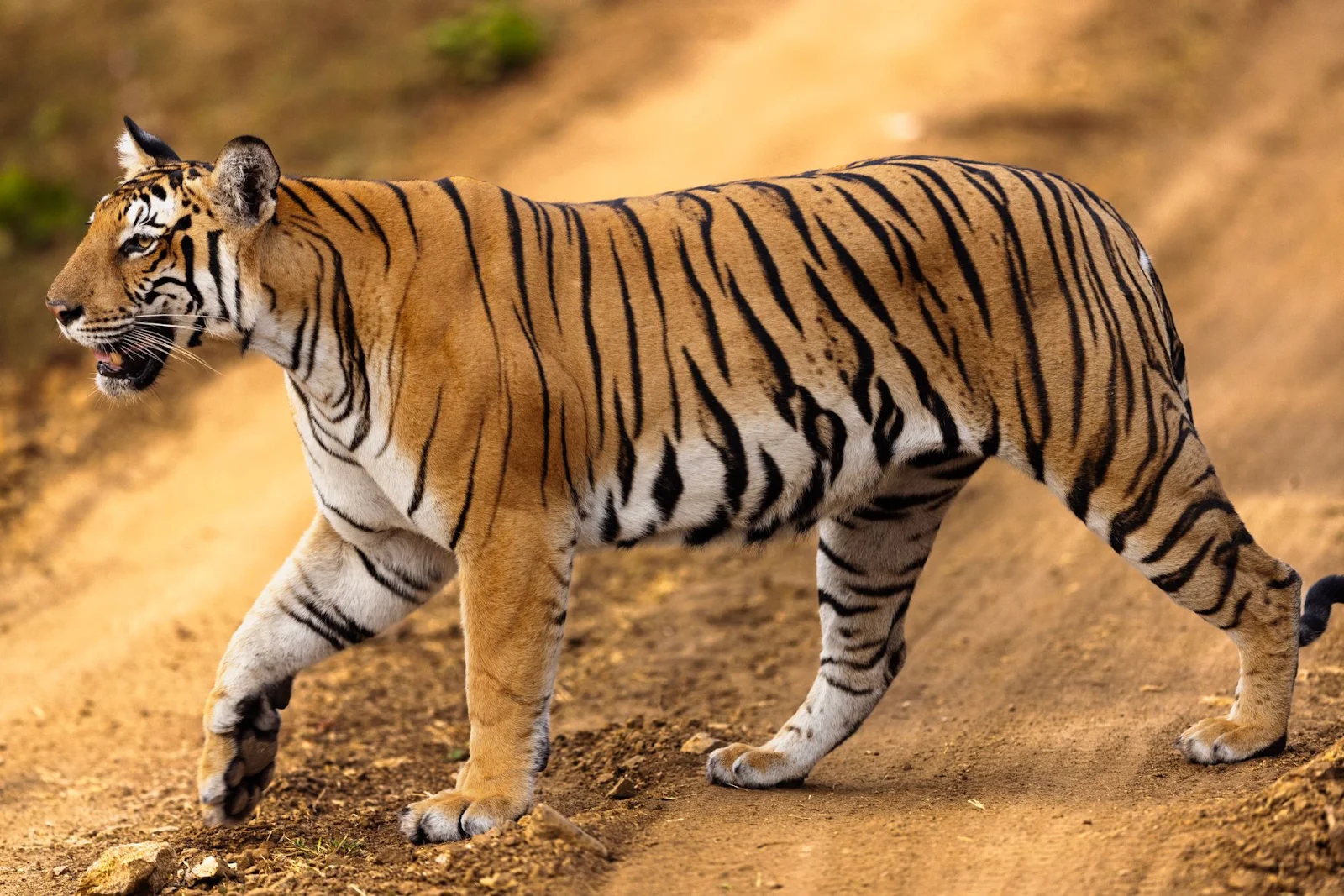
While the sanctuary was historically home to tigers, sightings today are virtually non-existent, as major big cat populations have shifted elsewhere. However, the forest is home to leopards, sloth bears, spotted deer, sambar, nilgai, wild boars, and numerous bird species.
5. What is unique about the Isco Rock Art Caves?

The Isco Caves feature genuine rock shelter pictographs painted thousands of years ago using natural mineral pigments. The motifs directly echo the artistic styles, wildlife forms, and geometric arrangements still used today in Jharkhand’s traditional Sohrai and Khovar folk arts.
6. Which is the closest railway station to Hazaribagh?

While Hazaribagh Town Station (HZBN) serves the municipality directly on regional routes, Koderma Junction (KQR)—located 60 kilometers north—is the primary broad-gauge rail junction. It offers frequent daily connections to major metro centers like New Delhi, Kolkata, and Patna.
7. Is public transport easily available within Hazaribagh?

Shared auto-rickshaws and battery-operated e-rickshaws (totos) are easily found across the town center for trips to the lake, markets, and Canary Hill. For destinations situated farther out, such as Konar Dam or Isco Caves, you will need to book a private taxi or rent an SUV.
8. What souvenirs should I buy when visiting Hazaribagh?

Authentic handmade Sohrai and Khovar paintings—created on handmade paper, canvas, or terracotta plates—are the top souvenirs to purchase. You can also pick up local forest-gathered wild honey and regional sweets like Thekua and Arsa.
Conclusion
Far from congested tourist loops and neon-lit hill resorts, Hazaribagh offers a refreshing return to uncomplicated, nature-focused travel. It is a destination where cool plateau winds whisper through dense sal tree canopies, where calm lake waters reflect crimson sunsets, and where Stone Age artists left behind vibrant signatures that echo straight through to modern village walls. Whether you choose to spend an active morning climbing up the granite spine of Canary Hill, tracing millennia-old petroglyphs at Isco, or enjoying crisp dhuskas by the lakeside promenade, this charming haven in Jharkhand is bound to surprise you at every turn. Pack your travel bags, grab your camera, and make your way to the plateau to discover the timeless allure of the Land of Thousand Gardens.



0 Comments