
Top 5 Places to Visit in Ballari, Karnataka: The Ultimate Historical Explorer's Guide
Welcome to Ballari (formerly Bellary), a mesmerizing district in northern Karnataka that wears its rich history like a crown of ancient granite. If you are searching for an offbeat destination that seamlessly blends mythological lore, architectural grandeur, and rugged natural landscapes, look no further. Often overshadowed by its famous neighbor Hampi, Ballari boasts its own distinct identity, deeply rooted in the Vijayanagara Empire, the rule of the Deccan Sultanates, and prehistoric civilizations. Whether you are a history buff, a trekking enthusiast, or a curious traveler wanting to uncover the hidden gems of Karnataka, exploring the top tourist places in Ballari will transport you to a bygone era of majestic forts, ancient temples, and monolithic rock formations.
Situated in the heart of the Deccan Plateau, Ballari is characterized by its dramatic topography—vast plains interrupted by gigantic monolithic granite hills that rise sharply against the horizon. The district town itself is anchored by the formidable Ballari Fort, which watches over the bustling city like a silent sentinel. Beyond the urban center, the region is a treasure trove of archaeological wonders, wildlife sanctuaries, and spiritual hubs. In this comprehensive travel guide, we take you through the best places to visit in Ballari, offering all the insider tips, local culinary highlights, and practical itineraries you need to plan an unforgettable Karnataka road trip.
Pack your bags, lace up your comfortable walking shoes, and get ready to discover the timeless allure of Ballari. Let us dive straight into the top 5 tourist destinations that should be on every traveler's bucket list when visiting this historic district.
Table of Contents
- 1. Ballari Fort
- 2. Hampi Ruins and Historical Monuments
- 3. Kumara Swamy Temple, Sanduru
- 4. Daroji Sloth Bear Sanctuary
- 5. Tungabhadra Dam and Reservoir
- Best Time to Visit Ballari
- How to Reach Ballari
- Local Food to Try in Ballari
- Essential Travel Tips
- Suggested 2-Day Itinerary
- Frequently Asked Questions (FAQs)
- Conclusion
1. Ballari Fort
About the Place
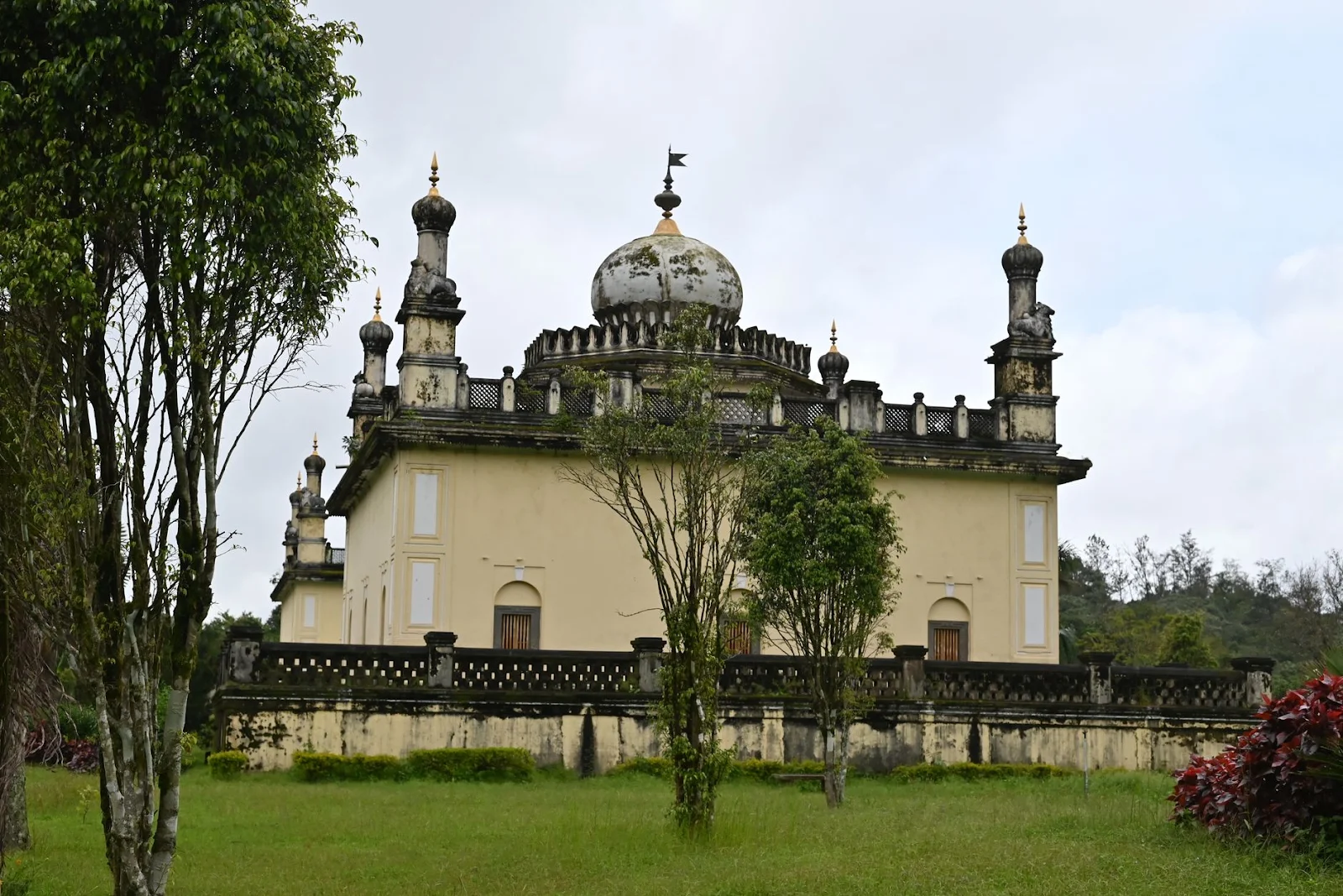
Dominating the city skyline from atop a massive monolithic granite hill, the Ballari Fort is the defining landmark of the district and one of the top tourist places in Ballari. Divided into two parts—the Upper Fort and the Lower Fort—this architectural masterpiece has witnessed centuries of dynastic shifts. The Upper Fort, perched at an elevation of nearly 1,970 feet above sea level, was built by Hanumappa Nayaka around the 16th century, while the Lower Fort was later modified and fortified by Hyder Ali in the 18th century with the help of a French engineer. Walking through the fort gates feels like flipping through the pages of a medieval military journal.
Historical Significance
The history of Ballari Fort is steeped in strategic warfare and political intrigue. Originally constructed under the Vijayanagara feudatories, the fort fell into the hands of various powers, including the Bijapur Sultans, the Mughals, the Marathas, and later Hyder Ali of Mysore, who famously executed the French engineer responsible for its design after discovering a structural flaw. The upper citadel houses a small temple, ancient water cisterns carved directly into solid rock, and the remains of royal quarters. Its impregnable ramparts offer a fascinating glimpse into Deccan military architecture.
Things to Do
Climbing up to the Upper Fort is a rewarding experience for photography enthusiasts and adventure seekers. As you ascend the winding stone steps, take time to explore the ancient bastions, ammunition rooms, and deep water tanks designed to harvest rainwater during sieges. Time your visit to catch the sunset; the panoramic view of the sprawling Ballari city lights and the surrounding rugged landscape from the summit is nothing short of breathtaking. Do not forget to explore the lower fort area, which houses historic government offices and old garrison grounds.
Traveler Tips
The trek to the Upper Fort can be physically demanding, especially during midday due to the intense heat. Start your climb early in the morning around 6:30 AM or late in the afternoon around 4:00 PM. Wear sturdy footwear with a good grip, as the granite steps can be slippery. Carry at least two liters of water, wear a hat, and apply sunscreen generously. There are no food stalls inside the fort complex, so pack some light snacks.
2. Hampi Ruins and Historical Monuments

About the Place
Located partially within the Ballari district, Hampi is a UNESCO World Heritage Site that stands as a testament to the glorious bygone era of the Vijayanagara Empire. Spanning thousands of acres of boulder-strewn landscapes along the banks of the Tungabhadra River, Hampi is widely regarded as one of the best places to visit in Ballari and across all of India. Once one of the world's largest and wealthiest medieval cities, it now lies in majestic ruins that mesmerize travelers with intricately carved stone temples, royal enclosures, bustling ancient bazaars, and monolithic statues.
Historical Significance
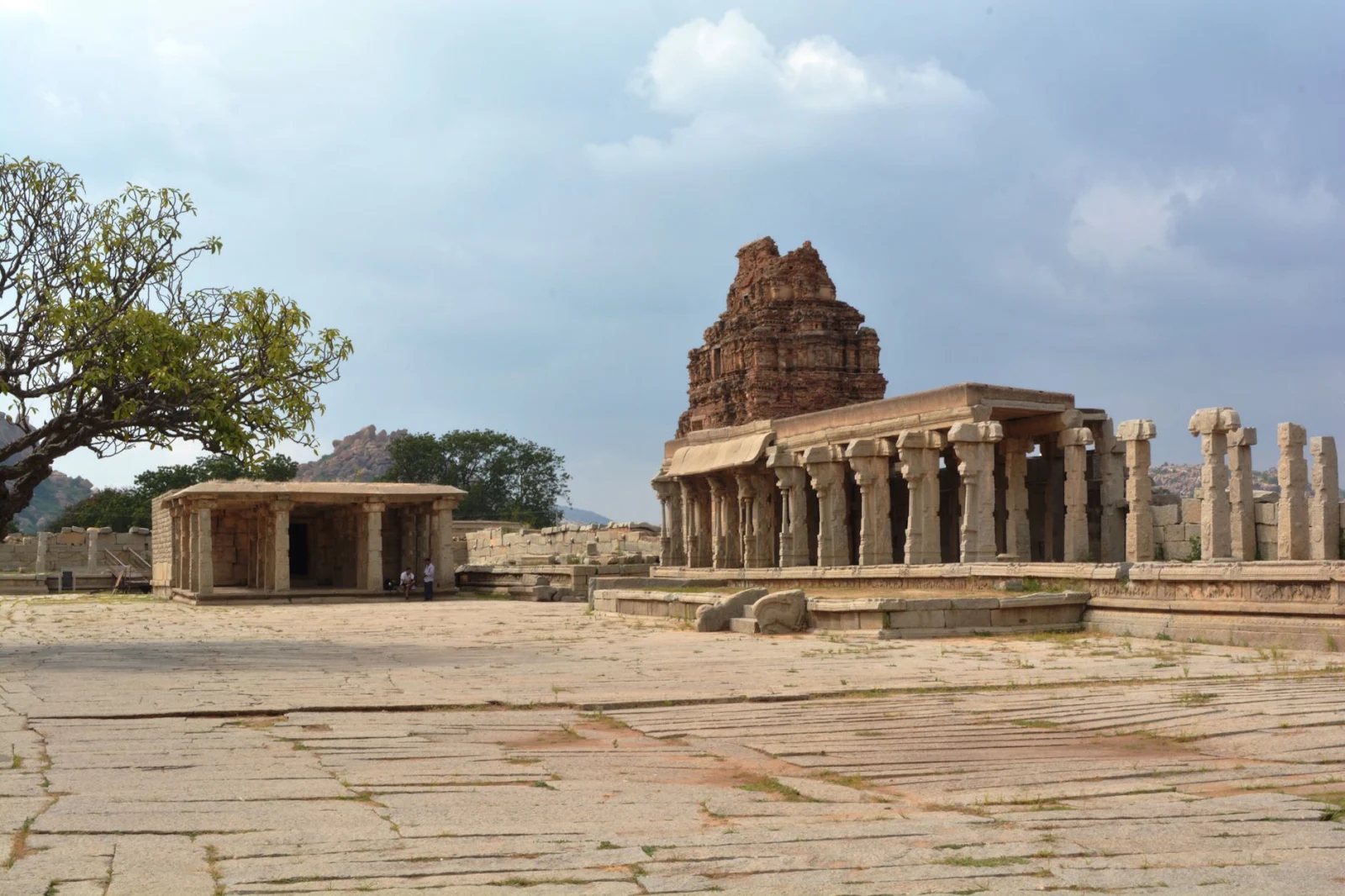
Founded in 1336 by Harihara I and Bukka Raya I, the Vijayanagara Empire made Hampi its imperial capital. At its zenith in the 15th and 16th centuries, the city traded in spices, precious stones, and textiles, attracting merchants from Persia, Portugal, and Italy. In 1565, following the Battle of Talikota, a coalition of Deccan Sultanates sacked and abandoned the city, reducing its magnificent palaces and temples to ruins. Today, protected monuments like the Virupaksha Temple, Vittala Temple with its iconic stone chariot, and the Lotus Mahal narrate tales of imperial grandeur.
Things to Do
Spend your day exploring architectural marvels like the Vittala Temple to witness the famous musical pillars that emit melodic tones when tapped. Marvel at the monolithic statue of Lakshmi Narasimha and the underground temple. Take a traditional coracle (round basket boat) ride across the Tungabhadra River. Rent a bicycle or a moped to navigate the vast archaeological zone at your own pace, and hike up Matanga Hill in the evening for an unforgettable panoramic sunset over the boulder-strewn landscape.
Traveler Tips
Hampi is expansive and cannot be fully explored in a single day; allocate at least two days to do justice to the site. Hire an authorized guide near the Virupaksha Temple to understand the rich historical context behind the structures. Dress modestly, covering your shoulders and knees, as many ruins are active places of worship. Beware of aggressive wild monkeys near temple complexes and keep your food items securely packed in backpacks.
3. Kumara Swamy Temple, Sanduru

About the Place nestled in lush green hills
Tucked away in the mineral-rich valley of Sanduru in the Ballari district, the Kumara Swamy Temple is a rare and deeply revered spiritual complex dedicated to Lord Kartikeya (Murugan/Kumara Swamy). Unlike most South Indian temples, this secluded shrine is surrounded by the verdant, forested hills of the Reserve Forest, offering a serene escape from urban chaos. The temple complex actually consists of two distinct shrines—one dedicated to Lord Kumara Swamy and an adjacent one dedicated to Goddess Parvati, showcasing exquisite early Chalukyan and Rashtrakuta architecture dating back to the 8th to 10th centuries.
Historical Significance
The history of the Kumara Swamy Temple is deeply intertwined with the dynasties of the Badami Chalukyas, Rashtrakutas, and the Ghorpade rulers of Sanduru. According to Hindu mythology, Lord Kartikeya stayed here after defeating the demon Tarakasura. Historically, the shrine has immense archaeological value; its stone sculptures, intricate pillars, and ancient carvings reflect the evolution of temple art in Karnataka. Interestingly, for centuries, the inner sanctum of the Goddess Parvati temple was strictly out of bounds for men, a unique custom rooted in local religious traditions that is still respected today.
Things to Do
Admire the magnificent rock-cut architecture and intricate stone carvings that adorn the exterior and pillars of the shrines. Soak in the peaceful, spiritual ambiance of the forested valley, which is a stark contrast to the barren iron-ore mining landscape typically associated with Sanduru. Take a leisurely nature walk around the temple foothills, listen to the melodious chirping of endemic birds, and participate in the daily temple rituals if you visit during auspicious hours.
Traveler Tips
Sanduru is located about 45 kilometers from Ballari city, making it an ideal half-day trip. The roads leading through the valley are scenic but can get busy with heavy mining trucks, so drive carefully. Photography inside the sanctums is strictly prohibited, so please respect local customs. Wear traditional or modest clothing, and check temple opening timings beforehand, as they often close during the afternoon hours between 1:00 PM and 4:00 PM.
4. Daroji Sloth Bear Sanctuary
About the Place
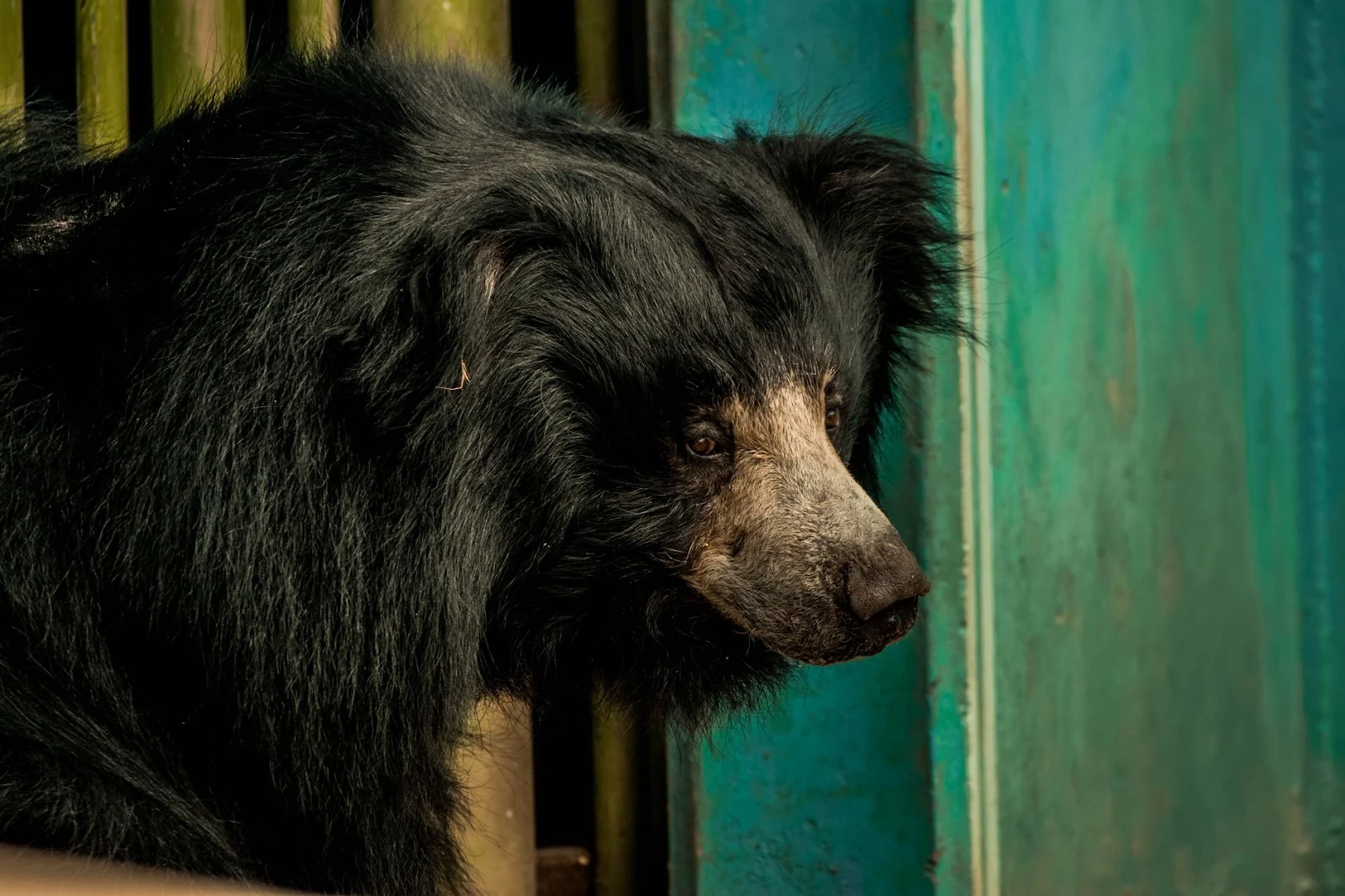
Spread across more than 82 square kilometers of rugged, dry deciduous scrub forest, the Daroji Sloth Bear Sanctuary is Asia's first exclusive sanctuary dedicated to the conservation of Indian sloth bears. Located near Kampli in the Ballari district, this wildlife haven is one of the top tourist places in Ballari for wildlife enthusiasts, nature photographers, and families. The sanctuary's rocky terrain, dotted with caves, boulders, and thorny bushes, provides a natural, protected habitat for a thriving population of wild sloth bears, leopards, hyenas, pangolins, and diverse bird species.
Historical Significance
Established in October 1994, the Daroji Sloth Bear Sanctuary was born out of a crucial conservation need. Prior to its establishment, the region's rocky hillocks were heavily exploited for stone quarrying, which severely disrupted the natural habitat of sloth bears. Environmentalists and forest officials campaigned successfully to protect the area, transforming it into a safe sanctuary. Today, it stands as a shining success story of wildlife rehabilitation in India, where local populations and forest authorities work hand in hand to protect vulnerable fauna.
Things to Do
Embark on a guided safari or jeep ride provided by the Karnataka Forest Department to explore the rugged interior tracks of the sanctuary. Climb up the designated watchtowers, especially the one near the base of the main rocky hill where forest rangers regularly bait the bears with jaggery paste during late afternoons—this guarantees a spectacular sighting of sloth bears lumbering out of their caves to feed. Keep your binoculars ready to spot colorful resident birds, Indian peafowl, and occasional leopards resting on distant rock ledges.
Traveler Tips
The best time to spot sloth bears is during the late afternoon safari hours between 2:00 PM and 5:00 PM, when the animals emerge from their daytime shelters to forage. Maintain absolute silence during safaris and do not wear bright, flashy clothes that might startle wildlife. Carry bottled water, insect repellent, and a good zoom lens or binoculars. Entry tickets and safari vehicles can be arranged directly at the main forest check-post.
5. Tungabhadra Dam and Reservoir

About the Place
Constructed across the mighty Tungabhadra River—a major tributary of the Krishna River—the Tungabhadra Dam (also known as Pampa Sagar) is an engineering marvel located near Hosapete in the Ballari district. Serving as a crucial lifeline for irrigation and hydroelectric power generation in Karnataka and neighboring Andhra Pradesh, the dam creates a massive reservoir that stretches across a vast expanse. Surrounded by verdant gardens, musical fountains, and elevated view towers, this destination is immensely popular among families, picnickers, and travelers looking to unwind amidst scenic aquatic vistas.
Historical Significance
The conceptualization of a massive dam across the Tungabhadra River dates back to the era of the Vijayanagara Empire, when kings like Krishnadevaraya recognized the immense agricultural potential of harnessing the river's waters. However, modern construction of the dam began in 1945 under the visionary leadership of eminent engineer Dr. Thirumalachari Ananthakrishna Iyer and was completed in 1953, post-independence. It stands as one of India's earliest major multi-purpose river valley projects, symbolizing post-colonial engineering triumph.
Things to Do
Walk along the crest gate pathway of the massive masonry dam to witness the sheer scale of the reservoir and feel the gushing breeze. Explore the beautifully manicured Japanese Gardens and cascading lawns located at the foot of the dam. If you visit during the monsoon season (August to October) when the dam overflows, the sight of the roaring spillway gates releasing millions of gallons of water is an unforgettable spectacle. Enjoy a peaceful evening stroll and catch the vibrant lighting and musical fountain show hosted in the garden premises.
Traveler Tips
Entry to the dam crest gates requires prior security clearance and ticket purchases at the entrance gate; carry a valid photo ID. Security checks are strict, so avoid carrying large backpacks, sharp objects, or professional tripod stands without prior permission. The best time to visit is during the post-monsoon months when the reservoir is filled to capacity and the surrounding gardens are lush and green.
Best Time to Visit Ballari
Planning your trip during the right season is crucial for a comfortable and enjoyable travel experience in northern Karnataka, where summers can be intensely hot and dry.
- Winter (October to February): This is universally considered the best time to visit Ballari and explore its historical monuments. Daytime temperatures hover around a pleasant 20°C to 28°C, making it ideal for trekking up forts, exploring Hampi ruins, and going on wildlife safaris.
- Monsoon (July to September): If you love lush greenery, moody skies, and dramatic landscapes, the monsoon season transforms the rocky terrain of Ballari into a vibrant canvas. Waterfalls are active, and reservoirs like Tungabhadra fill to the brim. However, outdoor trekking can sometimes be slippery.
- Summer (March to June): Summers in Ballari are scorching, with daytime temperatures frequently exceeding 40°C. Sightseeing becomes physically exhausting during peak afternoon hours. If you must visit in summer, plan all outdoor explorations exclusively during early mornings and late evenings.
How to Reach Ballari
Ballari is well-connected to major cities in Karnataka and neighboring states via a robust network of roads, railways, and upcoming air routes.
- By Air: Ballari has a domestic airport (Jindal Vijayanagara Airport at Toranagallu) located about 35 kilometers from the city center, offering scheduled flights connecting cities like Bengaluru and Hyderabad. Alternatively, the nearest major international airport is Kempegowda International Airport in Bengaluru (approx. 300 km away).
- By Train: Ballari Junction (BAY) is an important railway station connected directly to major rail hubs like Bengaluru, Mysuru, Hyderabad, Goa, Hubballi, and Chennai. Frequent express and superfast trains operate daily on these routes.
- By Road: Karnataka State Road Transport Corporation (KSRTC) and private operators run comfortable AC sleeper buses, non-AC buses, and luxury cabs from Bengaluru, Mysuru, Hubballi, and Hyderabad to Ballari. National Highway 67 passes directly through the district, making self-drive road trips extremely smooth and convenient.
Local Food to Try in Ballari
North Karnataka cuisine is renowned for its bold, spicy, and earthy flavors, heavily featuring millets, jowar, lentils, and fiery garlic chutneys. When exploring the best places to visit in Ballari, make sure to sample these traditional local delicacies:
- Jowar Roti Oota: The staple comfort food of the region. Hand-flattened sorghum flatbreads served piping hot with spicy brinjal curry (*Ennegayi*), lentil dal, and raw onion salad.
- Shenga Holige: A delectable sweet flatbread stuffed with roasted peanuts, jaggery, and cardamom, generously drizzled with ghee. A must-try festive treat.
- Girmit: A popular spicy evening street food made from puffed rice tossed with roasted gram flour (*menthe/khara`), chopped onions, tomatoes, green chilies, and a dash of lemon juice.
- Badanekai Ennegayi: Stuffed baby brinjal curry cooked in a rich, nutty gravy made from sesame seeds, peanuts, and dry red chilies, perfectly pairing with jowar rotis.
- Holige (Obbattu): A traditional sweet flatbread stuffed with cooked chana dal and jaggery, baked to golden perfection on a tawa.
Essential Travel Tips
To ensure a hassle-free, memorable, and safe journey across the historic district of Ballari, keep these 10 practical travel tips in mind:
- Stay Hydrated: Northern Karnataka has an arid climate most of the year. Carry a reusable water bottle and drink plenty of electrolytes or tender coconut water throughout the day.
- Wear Appropriate Footwear: Expect extensive walking on uneven granite terrain, rocky hills, and ancient stone ruins. Sturdy trekking shoes or sneakers are non-negotiable.
- Protect Against the Sun: Pack sunscreen with high SPF, polarized sunglasses, a wide-brimmed hat, and lightweight cotton clothing to beat the fierce tropical sun.
- Hire Certified Guides: When exploring historical sites like Hampi and Ballari Fort, hire government-approved guides to gain deep historical and architectural insights.
- Respect Local Customs: Dress modestly when visiting active temples and sacred shrines (covering shoulders and knees). Remove shoes where required.
- Book Safaris in Advance: For the Daroji Sloth Bear Sanctuary, check safari timings and coordinate with forest department counters early to avoid disappointment.
- Carry Cash: While digital payments are widely accepted in urban Ballari, rural temple towns, street food vendors, and small souvenir shops often rely on cash transactions.
- Beware of Monkeys: Wildlife like bonnet macaques are common around ancient ruins. Avoid carrying open food packets or teasing them.
- Drive Cautiously at Night: If you are on a road trip, watch out for unlit stretches and heavy mining trucks on highways during evening hours.
- Plan Buffer Time: Distances between major tourist attractions can be deceptive due to winding rural roads. Always keep a buffer in your daily itinerary.
Suggested 2-Day Itinerary
Make the most of a quick weekend getaway with this meticulously planned 2-day travel itinerary covering the top tourist places in Ballari:
Day 1: Imperial History & Wildlife Wonders
- 07:00 AM – 10:00 AM: Start your morning early by conquering the historic Ballari Fort and watching the sunrise over the city from the Upper Fort.
- 10:30 AM – 11:30 AM: Drive down to a local restaurant in Ballari city for a traditional North Karnataka breakfast of hot Jowar Roti and Ennegayi.
- 12:30 PM – 03:30 PM: Head towards Hosapete/Hampi, check into your hotel, and enjoy a relaxed local lunch featuring regional thalis.
- 04:00 PM – 06:30 PM: Visit the Daroji Sloth Bear Sanctuary for an evening jeep safari and watch wild sloth bears emerge from rock caves.
- 07:30 PM: Enjoy a peaceful dinner by the Tungabhadra riverbanks sampling local freshwater fish delicacies.
Day 2: UNESCO Architecture & Scenic Reservoirs
- 07:30 AM – 12:30 PM: Spend your morning exploring the mesmerizing Hampi Ruins, focusing on the Virupaksha Temple, Vittala Temple, and the Stone Chariot.
- 12:30 PM – 01:30 PM: Relish a hearty south Indian meal at one of Hampi's famous bohemian cafes or local dhabas.
- 02:30 PM – 04:30 PM: Take a scenic drive to the magnificent Kumara Swamy Temple in Sanduru valley to admire ancient Chalukyan rock-cut architecture.
- 05:00 PM – 07:00 PM: Conclude your trip with a relaxing evening walk at the Tungabhadra Dam gardens, witnessing the illuminated musical fountain show before heading home.
Frequently Asked Questions (FAQs)
Here are answers to some of the most common questions travelers ask when planning a trip to Ballari:
1. What is Ballari famous for?

Ballari is globally famous for its monumental granite rock formations, the historic Ballari Fort, its proximity to the UNESCO World Heritage Site of Hampi, and the Daroji Sloth Bear Sanctuary.
2. Is Ballari safe for solo and family travelers?

Yes, Ballari is generally very safe for solo travelers, couples, and families. Standard travel precautions, such as safeguarding personal belongings and avoiding isolated areas late at night, should always be followed.
3. How many days are sufficient to explore Ballari?

A duration of 2 to 3 days is ideal to comfortably explore the major tourist attractions in and around Ballari, including Hampi, the local forts, and wildlife sanctuaries.
4. Can we visit Hampi as a day trip from Ballari city?
Yes, Hampi is located approximately 65 kilometers from Ballari city. It takes around 1.5 hours to reach by road, making day trips extremely convenient.
5. Are there good accommodation options in Ballari?

Ballari city offers a wide range of accommodation choices, including budget business hotels, mid-range lodges, and luxury resorts near Hosapete and Hampi.
6. What languages are spoken in Ballari?

Kannada is the official and most widely spoken language in Ballari. Telugu, Hindi, and English are also understood and spoken in hotels, restaurants, and tourist spots.
7. Is entry to the Daroji Sloth Bear Sanctuary free?

No, nominal entry fees and safari vehicle charges apply at the sanctuary gates, managed directly by the Karnataka Forest Department.
8. What is the best local souvenir to buy from Ballari?

Traditional Lambani embroidery handicrafts, stone-carved miniature replicas, local handloom fabrics, and authentic spices are fantastic souvenirs to take back home.
Conclusion
Ballari is a destination that captures the imagination of every traveler willing to look beyond the ordinary tourist trail. From the stoic majesty of the Ballari Fort and the ethereal stone symphony of the Hampi ruins to the serene forest valleys of Sanduru and the unique wildlife of Daroji, this northern district of Karnataka offers an enriching tapestry of experiences. Whether you are scaling ancient granite ramparts or tasting fiery North Karnataka delicacies, every moment spent here connects you deeply with the heritage and soul of the Deccan. Start planning your itinerary today, pack your sense of adventure, and get ready to create timeless memories in the historic heartland of Ballari.



0 Comments