
Top 5 Places to Visit in Ayodhya, Uttar Pradesh, India
Welcome to Ayodhya, one of the oldest and most spiritually significant cities in India. Nestled gracefully on the banks of the sacred Saryu River in Uttar Pradesh, this ancient city is steeped in timeless mythology, epic history, and deep-rooted devotion. As the legendary birthplace of Lord Rama, Ayodhya holds a revered place in the hearts of millions across the globe. Recent developments and the magnificent transformation of the city have turned it into a modern cultural capital while preserving its glorious heritage, making it a top bucket-list destination for spiritual seekers, history enthusiasts, and curious travelers alike.
Walking through the bustling lanes of Ayodhya feels like stepping back into the pages of the Ramayana. The air is filled with the sweet fragrance of incense, the melodic chanting of Vedic hymns, and the vibrant energy of devotees gathered for evening prayers. From awe-inspiring modern architectural marvels to ancient temples that whisper tales of bygone eras, there is an incredible diversity of experiences waiting for you here. Whether you are planning a weekend spiritual retreat or a deep dive into Hindu mythology, exploring the top tourist places in Ayodhya promises an unforgettable journey of peace, discovery, and divine grace.
In this comprehensive travel guide, we take you through the best places to visit in Ayodhya, complete with practical travel tips, local culinary highlights, a curated two-day itinerary, and all the essential information you need to plan your trip seamlessly. Pack your bags and get ready to discover the magic of this timeless city!
Table of Contents
- 1. Shri Ram Janmabhoomi Temple
- 2. Hanuman Garhi
- 3. Kanak Bhawan
- 4. Saryu River Ghats (Ram ki Paidi)
- 5. Dashrath Mahal
- Best Time to Visit Ayodhya
- How to Reach Ayodhya
- Local Food to Try in Ayodhya
- Essential Travel Tips for Ayodhya
- Suggested 2-Day Itinerary
- Frequently Asked Questions (FAQs)
- Conclusion
1. Shri Ram Janmabhoomi Temple
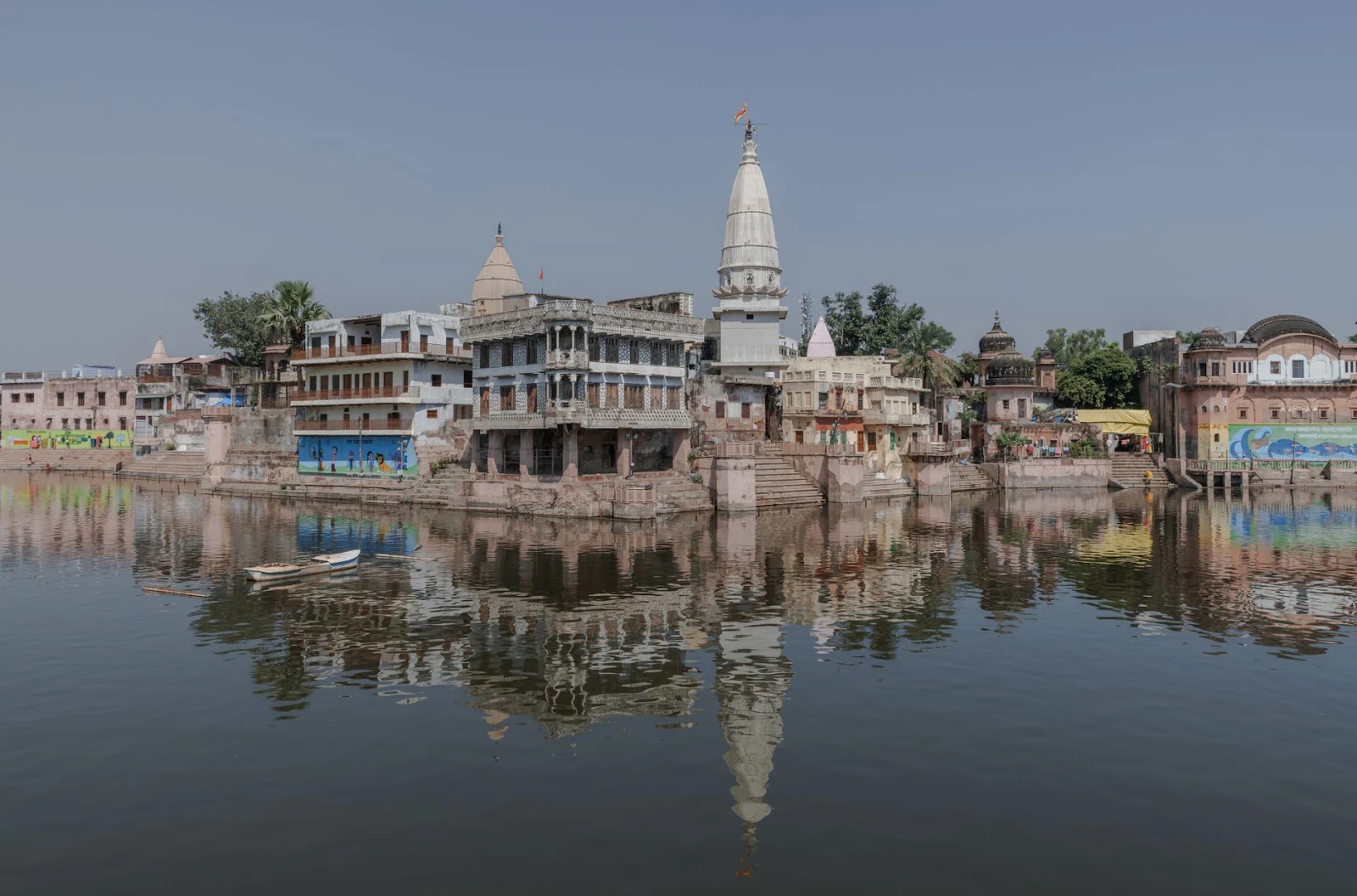
Standing as the absolute crown jewel of Ayodhya tourism, the Shri Ram Janmabhoomi Temple is an architectural masterpiece and a profound spiritual sanctuary. Believed to be the exact birthplace of Lord Rama, this grand temple has captured the global imagination. Built using traditional Nagara style architecture without the use of iron or steel, the temple complex showcases intricate stone carvings, towering pillars, and stunning domes that reflect the pinnacle of ancient Indian temple craftsmanship. Visiting this sacred shrine is an emotional and deeply uplifting experience for every devotee and traveler.
Why Visit?
The temple is the focal point of the city's religious revival. Witnessing the divine idol of Ram Lalla adorned in exquisite silks and jewels inside the sanctum sanctorum leaves visitors spellbound. The sheer scale, architectural brilliance, and devotional atmosphere make it a must-visit destination.
Things to Do
Offer your prayers at the main sanctum, admire the intricate stone carvings on the temple walls, walk through the sprawling parklands surrounding the complex, and attend the soul-stirring morning or evening aarti.
Practical Information
Opening Hours: 7:00 AM to 11:30 PM and 2:00 PM to 7:00 PM daily. Entry is free, but visitors must deposit electronic devices, leather items, and bags at the designated cloakrooms before entering the security checkpoint.
2. Hanuman Garhi
Perched high on a massive mound in the center of the city, Hanuman Garhi is a 10th-century temple dedicated to Lord Hanuman. According to local lore, Lord Hanuman lived here in a cave to protect the holy town of Ayodhya. To reach the main temple, devotees must climb a flight of 76 steep stone steps, a symbolic journey of devotion and perseverance. The temple resembles a four-sided fortress with circular bastions at each corner, making it visually distinct from other shrines in the city.
Why Visit?
It is a revered custom in Ayodhya to visit Hanuman Garhi before offering prayers at the Ram Janmabhoomi Temple, as Lord Hanuman is considered the eternal protector of the city. The hilltop location also offers panoramic bird-eye views of the bustling Ayodhya bazaars and surrounding landscape.
Things to Do
Climb the stairs to seek blessings from the infant form of Lord Hanuman sitting on the lap of Mata Anjana, explore the surrounding market lanes filled with religious artifacts, and interact with the resident priests who share fascinating tales of yore.
Practical Information
Opening Hours: 5:00 AM to 10:00 PM. No entry fee. Be mindful of your belongings and spectacles, as the temple premises are home to numerous playful rhesus macaques.
3. Kanak Bhawan

Located near the northeastern corner of Hanuman Garhi, Kanak Bhawan is one of the most aesthetically pleasing and culturally rich temples in Ayodhya. Also known as Sone-ka-Ghar, this magnificent shrine was gifted to Sita by Kaikeyi immediately after her marriage to Lord Rama. The inner sanctum houses breathtaking, gold-crowned idols of Lord Rama and Sita, giving the temple its popular name 'Golden Palace'. The architecture is a stunning blend of Bundelkhand and Rajasthani styles, featuring elegant courtyards, pillared verandahs, and delicate mirror work.
Why Visit?
Kanak Bhawan offers a glimpse into the regal domestic life of Lord Rama and Sita. The serene ambiance, melodic devotional music playing softly in the background, and exquisite artistry make it a peaceful retreat away from the larger crowds.
Things to Do
Marvel at the intricate mirror and wall paintings inside the main hall, spend a quiet moment meditating in the inner courtyard, and shop for authentic local handicrafts and religious books just outside the temple gates.
Practical Information
Opening Hours: 8:00 AM to 12:00 PM and 4:00 PM to 9:00 PM. Entry is completely free. Photography inside the main sanctum is strictly prohibited.
4. Saryu River Ghats (Ram ki Paidi)

No trip to Ayodhya is complete without visiting the tranquil banks of the Saryu River. Ram ki Paidi is a series of well-paved ghats along the river where water is pumped from the Saryu River to create a continuous, serene flow. This spot becomes the beating heart of the city during religious festivals, most notably during the grand Deepotsav celebration when lakhs of earthen lamps (diyas) illuminate the entire riverfront, creating a breathtaking, world-record-breaking spectacle.
Why Visit?
The ghats offer a deeply spiritual and soothing environment where pilgrims take holy dips to cleanse their sins. Sitting by the riverbank as the sun sets and watching the grand Maha Aarti is an ethereal experience that stays with you forever.
Things to Do
Take a holy dip in the sacred waters of the Saryu River, enjoy a peaceful boat ride during sunset, participate in the evening Saryu Aarti, and feed the holy fish near the steps of the ghats.
Practical Information
Open 24 hours. The evening aarti typically takes place around sunset (6:00 PM to 7:00 PM depending on the season). Boat rides are available at nominal, negotiable rates directly at the ghats.
5. Dashrath Mahal

Dashrath Mahal, also known as Bada Sthan or Chhoti Chhavani, is the historic royal palace of King Dashrath, the father of Lord Rama. Located in the heart of the city's old quarters, this vibrant palace is where Lord Rama spent his childhood along with his brothers Lakshmana, Bharat, and Shatrughan. Unlike the stone-gray structures, Dashrath Mahal is painted in bright, welcoming pastel shades of pink and yellow, adorned with grand gateways and ornate pillars.
Why Visit?
Stepping into Dashrath Mahal transports you straight into the royal era of the Ramayana. The palace is active with daily musical recitations, spiritual discourses, and vibrant celebrations, particularly during festivals like Ram Navami and Vivah Panchami.
Things to Do
Explore the sprawling courtyards, witness traditional folk music and dance performances often hosted inside, interact with resident sadhus, and soak in the majestic heritage of Ayodhya's ruling dynasty.
Practical Information
Opening Hours: 8:00 AM to 12:00 PM and 4:00 PM to 8:00 PM. Free entry. Respect local customs and maintain decorum while walking through the residential and prayer halls.
Best Time to Visit Ayodhya
The best time to visit Ayodhya is during the winter months, from October to March. During this period, the weather is pleasantly cool and crisp, making it ideal for exploring outdoor temples, walking along the ghats, and enjoying sightseeing without the exhaustion of intense summer heat. Temperatures range between 10°C and 25°C.
If you want to experience Ayodhya at its absolute vibrant best, plan your trip around major festivals:
- Ram Navami (March/April): Celebrates the birth of Lord Rama with massive processions, grand decorations, and millions of devotees visiting the city.
- Deepotsav (October/November): Coinciding with Diwali, millions of diyas light up the Saryu riverbanks in a spellbinding celebration of light and devotion.
- Vivah Panchami (November/December): Commemorates the divine wedding anniversary of Lord Rama and Sita, marked by grand re-enactments and cultural festivities.
Avoid visiting during the peak summer months of May and June, when temperatures routinely soar above 42°C, making daytime exploration challenging.
How to Reach Ayodhya
Thanks to massive infrastructure upgrades, reaching Ayodhya has become remarkably convenient from all major Indian cities:
- By Air: Ayodhya now boasts its own modern airport—Maharishi Valmiki International Airport (AYJ)—which connects the city directly to major hubs like Delhi, Mumbai, Bengaluru, and Ahmedabad. Alternatively, you can fly to Chaudhary Charan Singh International Airport in Lucknow (approx. 130 km away) and take a taxi, bus, or train to Ayodhya.
- By Train: The newly revamped Ayodhya Junction (AY) and Ayodhya Cantt (AYC) railway stations connect the city directly to Delhi, Varanasi, Lucknow, Gorakhpur, Kanpur, and Kolkata through regular express and superfast trains.
- By Road: Ayodhya is exceptionally well-connected via a network of national highways (NH-27 and NH-330). Luxury buses, state transport buses (UPSRTC), and private cabs operate frequently from Lucknow, Gorakhpur, Prayagraj, and Varanasi.
Local Food to Try in Ayodhya
While Ayodhya is primarily known for its vegetarian satvic cuisine, the local culinary scene offers delightful flavors that reflect traditional Awadhi and North Indian street food culture:
- Kachori and Sabzi: A staple breakfast in Ayodhya, crispy puffed kachoris served with spicy potato curry and tangy tamarind chutney.
- Rabri Jalebi: Freshly fried, crisp spirals of jalebi served piping hot alongside thick, sweetened condensed milk (rabri). A must-try sweet indulgence!
- Peda: Ayodhya's traditional milk-based sweet is famous for its rich, caramelized flavor and soft texture. Do buy some to take back home for family and friends.
- Awadhi Thali: Enjoy a wholesome traditional thali featuring lentil dal, seasonal vegetable curries, soft phulkas, fragrant basmati rice, and traditional sweets.
- Chaat and Golgappe: Street food stalls near Hanuman Garhi and Kanak Bhawan serve mouthwatering pani puri, aloo tikki, and dahi bhalla.
Essential Travel Tips for Ayodhya
- Dress Modestly: Ayodhya is a deeply religious pilgrimage center. Dress in conservative, traditional, or modest clothing that covers your shoulders and knees.
- Footwear Etiquette: You will need to remove your shoes outside almost every temple. Wearing slip-on shoes or sandals makes the process quick and convenient.
- Security Checks: Security at major shrines like Ram Janmabhoomi is extremely strict. Leave large bags, cameras, power banks, and electronic gadgets in your hotel room or cloakroom.
- Hydration is Key: If visiting during warmer months, carry a reusable water bottle, wear sunglasses, use sunscreen, and wear a hat to protect yourself from the sun.
- Beware of Monkeys: The city has a large population of macaques, especially around Hanuman Garhi. Avoid holding food, open bags, or dangling items like cameras and glasses.
- Hire Local Guides: To truly appreciate the rich mythology and historical context of each monument, hire an authorized local guide near the temple entrances.
- Book Accommodations in Advance: During major festivals like Deepotsav and Ram Navami, hotels fill up months in advance. Secure your bookings early.
- Cash is Useful: While digital payments are widely accepted, keeping some cash handy is helpful for small shops, flower vendors, and auto-rickshaws.
- Respect Photography Rules: Respect no-photography zones inside temple sanctums to maintain the sanctity of the religious space.
- Eco-Friendly Travel: Help keep the holy city clean by avoiding single-use plastics and disposing of waste responsibly in designated bins.
- 08:00 AM: Start your day with a traditional breakfast of hot kachoris and rabri jalebi in the old city market.
- 09:30 AM: Proceed to the magnificent Shri Ram Janmabhoomi Temple. Spend 2-3 hours offering prayers and admiring the stunning architecture.
- 01:00 PM: Enjoy a hearty vegetarian lunch at a local restaurant near the main road.
- 03:00 PM: Visit the historic Dashrath Mahal to soak in the royal palace atmosphere and enjoy cultural recitations.
- 05:00 PM: Head to the Saryu River Ghats (Ram ki Paidi) to witness the breathtaking sunset and attend the divine evening Maha Aarti.
- 08:00 PM: Savor a peaceful dinner featuring authentic Awadhi thali and retire for the night.
- 08:00 AM: Begin your morning by climbing the 76 steps to Hanuman Garhi for early morning blessings and panoramic city views.
- 10:30 AM: Walk over to the gorgeous Kanak Bhawan to admire the golden idols and intricate interior mirror work.
- 12:30 PM: Explore the bustling local bazaars around Janbhumi path for traditional handicrafts, wooden toys, religious artifacts, and sweets.
- 02:30 PM: Enjoy lunch and visit other notable spots like Treta Ke Thakur or Nageshwarnath Temple.
- 05:00 PM: Take a peaceful boat ride on the Saryu River before wrapping up your Ayodhya trip for departure.
- What are the top tourist places in Ayodhya?
The top places include Shri Ram Janmabhoomi Temple, Hanuman Garhi, Kanak Bhawan, Saryu River Ghats (Ram ki Paidi), and Dashrath Mahal. - How many days are enough to explore Ayodhya?
A 2-day itinerary is ideal to comfortably explore all major temples, attend the evening aartis, and experience the cultural vibe of the city. - Can we take mobile phones inside the Ram Janmabhoomi Temple?
No, mobile phones, electronics, leather items, and bags are strictly prohibited inside the main Ram Janmabhoomi security zone. Free cloakroom facilities are available. - What is Ayodhya famous for?
Ayodhya is globally famous as the birthplace of Lord Rama and as one of Hinduism's seven most sacred pilgrim cities (Sapta Puri). - Is non-vegetarian food and alcohol allowed in Ayodhya?
No, the sale and consumption of non-vegetarian food and alcohol are strictly banned within the municipal limits of Ayodhya. - How can I reach Ayodhya by air?
You can fly directly into Maharishi Valmiki International Airport in Ayodhya or fly into Lucknow Airport and travel to Ayodhya by taxi or train. - Which festival is best to visit Ayodhya?
Deepotsav (around Diwali) and Ram Navami are the absolute best times to witness Ayodhya in its most grand and celebratory avatar. - Are guides easily available in Ayodhya?
Yes, certified local guides are readily available at major tourist spots and temple entrances to help visitors understand the deep historical and mythological significance.
Suggested 2-Day Itinerary
Day 1: Spiritual Roots and Heritage Exploration
Day 2: Temples, Views, and Local Shopping
Frequently Asked Questions (FAQs)
Conclusion
Ayodhya is far more than just a travel destination—it is an emotional journey, a cultural awakening, and a bridge connecting India's glorious ancient heritage with the present day. From the breathtaking grandeur of the Shri Ram Janmabhoomi Temple and the fortress-like devotion of Hanuman Garhi to the tranquil, lamp-lit steps of the Saryu River ghats, every corner of this holy city radiates peace, divinity, and timeless charm. Whether you are seeking spiritual solace, historical exploration, or cultural immersion, Ayodhya welcomes every traveler with open arms and a deeply enriching experience. Plan your journey to this sacred city today, and let the timeless grace of Ayodhya leave an indelible mark on your soul.



0 Comments