
Introduction
Nestled in the heart of Jharkhand, the district of Khunti is a treasure trove of natural beauty, spiritual heritage, and vibrant tribal culture. While many tourists flock to the well‑known hill stations of the state, Khunti remains relatively under‑explored, offering a quieter, more authentic experience. This guide highlights the top five places you simply cannot miss when visiting Khunti, whether you’re a nature lover, a pilgrim, or an adventure seeker.
Why Khunti Deserves a Spot on Your Travel List
Khunti’s allure lies in its diverse landscape—rolling hills, dense forests, sparkling waterfalls, and ancient forts. The region also serves as a living museum of the tribal traditions that shape Jharkhand’s identity. Moreover, the district is conveniently located just a few hours’ drive from Ranchi, making it an ideal day‑trip or weekend getaway. Below, each destination is broken down with practical tips, key attractions, and insider insights to help you plan an unforgettable itinerary.
1. Parasnath Hill (Shikharji)

Spiritual Significance
Standing at 1,365 meters, Parasnath Hill—also known as Shikharji—is one of the most sacred Jain pilgrimage sites in India. Over 20 temples dot the summit, each commemorating the enlightenment of a Tirthankara. The trek to the top is a blend of devotion and adventure, offering panoramic views of the surrounding plateau.
- Key attractions: Shikharji Temple, Mahavira’s Footprints, Panoramic Viewpoints.
- Best time to visit: October to March, when the weather is cool and skies are clear.
- How to reach: A 30‑km road from Khunti town leads to the base camp; from there, a well‑marked trail ascends the hill.
- Tips: Carry water, wear sturdy shoes, and respect the sanctity of the site by dressing modestly.
Adventure Opportunities
Beyond its religious importance, Parasnath offers trekking routes ranging from easy walks to challenging climbs. The “Upper Trail” is popular among seasoned hikers, while the “Lower Trail” suits families and casual walkers. Birdwatchers will also delight in spotting the rare Indian pitta and other forest species.
2. Bhairavgarh Fort

Historical Overview
Perched atop a rugged hill, Bhairavgarh Fort dates back to the 16th century and served as a strategic outpost for local chieftains. Its stone walls, narrow corridors, and hidden chambers whisper stories of battles fought and alliances forged. The fort’s location provides a commanding view of the surrounding valleys, making it a photographer’s paradise.
- Highlights: Ancient battlements, underground water tanks, panoramic sunrise points.
- Entry fee: Minimal, with discounts for students and senior citizens.
- Guided tours: Available on weekends; local guides share folklore that brings the ruins to life.
- Safety note: Some sections are uneven; wear comfortable shoes and watch your step.
Cultural Experiences
Occasionally, the fort hosts folk‑dance performances and tribal music evenings, giving visitors a glimpse into the region’s living heritage. If you time your visit during the annual “Bhairavgarh Mahotsav,” you’ll enjoy a vibrant showcase of local crafts, cuisine, and rituals.
3. Jonha Falls
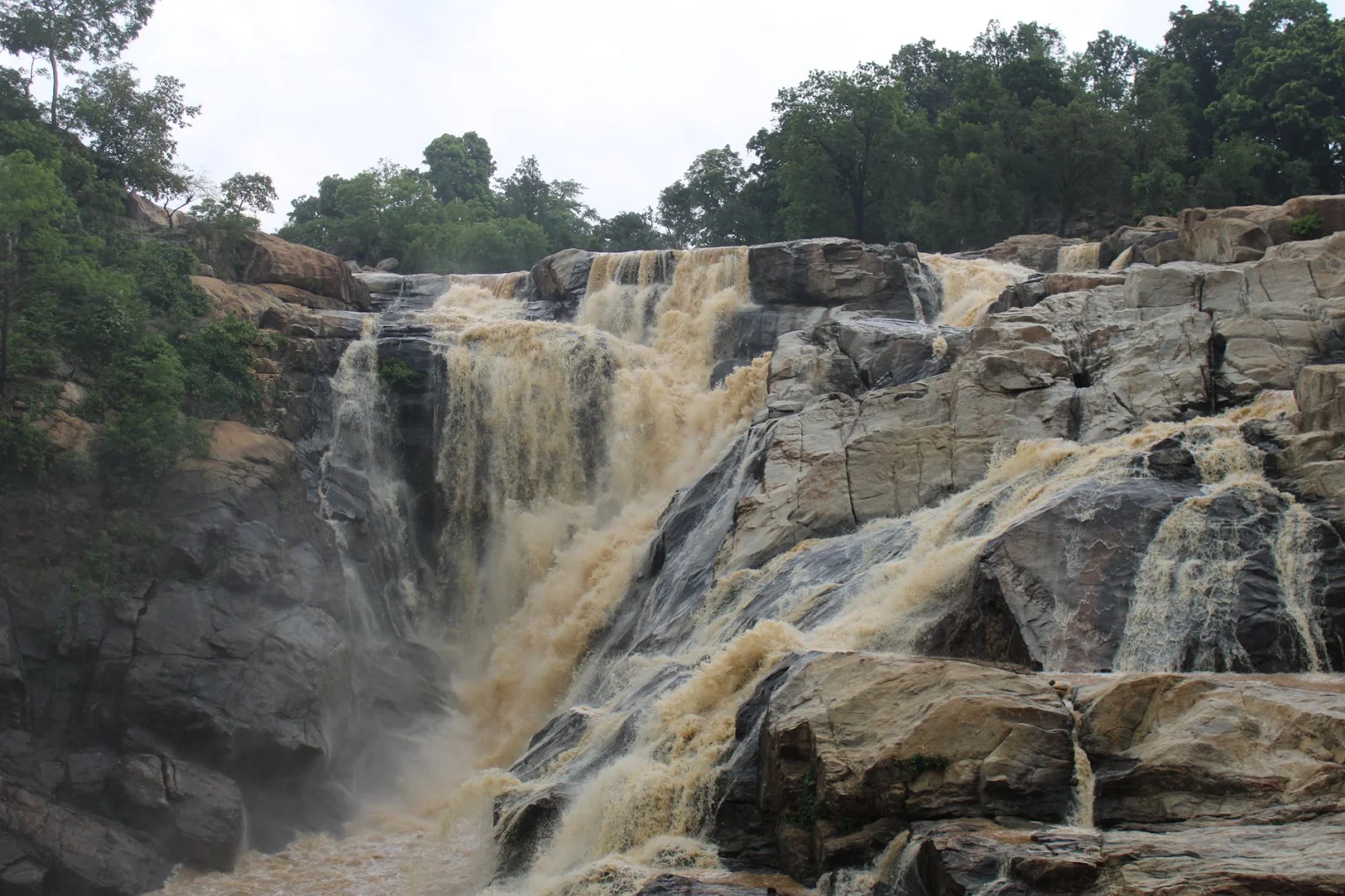
Nature’s Spectacle
Often dubbed the “Niagara of Jharkhand,” Jonha Falls cascades over a height of 43 meters, creating a misty veil that refreshes the surrounding forest. The waterfall is fed by the Jonha River, which originates in the nearby hills and plunges into a natural pool ideal for a quick dip.
- Best viewing points: The wooden deck on the left bank and the cliffside trail on the right.
- Ideal season: Monsoon (June‑September) when the water flow is at its peak.
- Facilities: Picnic spots, local snack stalls, and a small souvenir shop.
- Eco‑tips: Keep the area clean; avoid plastic and respect the wildlife.
Adventure Activities
For thrill‑seekers, the area around Jonha Falls offers rock‑climbing routes and a short zip‑line that glides over the river gorge. Guided nature walks introduce you to endemic flora such as the Sal tree and medicinal herbs used by tribal healers.
4. Sarna Temple (Sarna Hill)

Tribal Spirituality
The Sarna Temple is not a conventional temple but a sacred grove revered by the indigenous Sadan community. Located on Sarna Hill, the site is a living sanctuary where worship of nature—trees, rivers, and the earth—takes place. Visitors are welcome to observe rituals, provided they follow the community’s code of conduct.
- Key rituals: Seasonal harvest prayers, tree‑worship ceremonies, and communal feasts.
- Visiting etiquette: Remove shoes, dress modestly, and refrain from taking photographs inside the grove.
- Learning opportunity: Local guides explain the symbolism behind each sacred tree and the role of the “Pahan” (priest).
- Best time: Early morning or late afternoon when the grove is bathed in soft light.
Ecological Importance
Sarna Hill is a biodiversity hotspot, home to several endangered bird species and medicinal plants. The community’s conservation practices have helped preserve this ecosystem for generations, making it a model for sustainable tourism.
5. Khandoli Lake

Relaxation and Recreation
Set against a backdrop of gentle hills, Khandoli Lake offers a tranquil escape for families and couples alike. Boating, paddle‑boarding, and evening lantern rides are popular activities. The lake’s crystal‑clear waters reflect the surrounding greenery, creating picture‑perfect moments at every turn.
- Activities: Rowboat rentals, sunset cruises, and a small amusement park for kids.
- Facilities: Cafés serving local delicacies, clean restrooms, and a well‑maintained walking trail.
- Entry fee: Nom



0 Comments