
Top 5 Places to Visit in Udaipur, Rajasthan, India
Welcome to the enchanting Venice of the East, a city where royal heritage whispers through ancient cobblestone streets, and the shimmering waters of pristine lakes mirror the grandeur of bygone eras. Nestled amidst the rugged Aravali Hills of Rajasthan, Udaipur is a mesmerizing canvas of majestic palaces, vibrant bazaars, and romantic boat rides that capture the very essence of regal Indian romance. If you are planning a royal getaway and searching for the top tourist places in Udaipur, you are in for an unforgettable journey through time and luxury.
Founded in 1559 by Maharana Udai Singh II as the new capital of the Mewar Kingdom, Udaipur stands proudly as a beacon of fierce Rajput pride, architectural brilliance, and unmatched hospitality. Unlike the stark desert landscapes associated with much of Rajasthan, this fertile valley oasis is blessed with glistening artificial lakes that provide a dramatic, cooling contrast to the desert sun. From the sprawling courtyards of the world-famous City Palace to the tranquil lily ponds of Saheliyon-ki-Bari, every corner of this historic city tells a story of valor, artistic patronage, and deep-rooted cultural traditions.
Traveling through Udaipur is not merely about ticking off landmarks from a checklist; it is about immersing yourself in a sensory experience. Imagine sipping cutting chai while watching the sunset paint Lake Pichola in shades of fiery orange, or shopping for intricate miniature paintings, bandhani textiles, and gleaming silver jewelry in the bustling lanes near Hathipole. Whether you are a history buff eager to explore ancient fortresses, a couple seeking a dreamy honeymoon destination, or a solo traveler looking for soul-stirring sunsets, the best places to visit in Udaipur offer something truly magical for every kind of wanderer.
In this comprehensive travel guide, we take you on a curated tour of the top 5 places to visit in Udaipur, complete with local culinary secrets, travel tips, a practical two-day itinerary, and answers to your most pressing travel questions. Pack your bags and get ready to discover why Udaipur remains one of the most beloved travel destinations in the world.
Table of Contents
- 1. City Palace, Udaipur
- 2. Lake Pichola
- 3. Jagmandir Island Palace
- 4. Saheliyon-ki-Bari
- 5. Fateh Sagar Lake
- Best Time to Visit Udaipur
- How to Reach Udaipur
- Must-Try Local Food in Udaipur
- 10 Essential Travel Tips for Udaipur
- Suggested 2-Day Udaipur Itinerary
- Frequently Asked Questions (FAQs)
- Conclusion
1. City Palace, Udaipur

Overview and History
Rising majestically on the eastern banks of Lake Pichola, the City Palace of Udaipur is an architectural marvel that leaves every visitor spellbound. Constructed over a period of nearly 400 years, with contributions from several rulers of the Mewar dynasty, this sprawling complex is the largest palace in Rajasthan. It stands as a magnificent testament to the fusion of Rajasthani, Mughal, European, and Chinese architectural styles, featuring towering octagonal towers, intricate balconies, cupolas, and courtyards that seamlessly blend into one another.
The history of the City Palace is deeply intertwined with the valor of the Mewar rulers, who chose this strategic valley location after abandoning Chittorgarh. Walking through its grand gates—known as *Pols*—transports you back to an era of maharajas, royal durbars, and fierce battles. The complex is actually a collection of several smaller palaces built by different rulers, including Amar Vilas, Khush Mahal, Sheesh Mahal, and Badi Mahal, each boasting unique artistic expressions and historical significance.
What to Expect
As you step inside through the grand Tripolia Gate, you will be greeted by a maze of courtyards, hanging gardens, mirror galleries, and museums housing priceless artifacts. The *Amar Vilas* features lovely hanging gardens with fountains, serving as the highest point of the palace and offering panoramic views of Lake Pichola. Do not miss the *Mor Chowk* (Peacock Courtyard), adorned with stunning glass mosaics depicting peacocks in various dance postures.
The palace museum, particularly the Zenana Mahal (Queen's quarters) and the Mor Chowk, displays royal costumes, vintage photographs, armory, and exquisite miniature paintings that showcase the refined tastes of the Mewar court. Plan to spend at least three to four hours here to fully absorb the scale, beauty, and historical depth of this iconic landmark.
Visitor Information
- Timings: 9:30 AM to 5:30 PM daily
- Entry Fee: Approximately INR 300 for adults, INR 100 for children (additional charges apply for camera, crystal gallery, and special museum sections)
- Recommended Duration: 3 to 4 hours
2. Lake Pichola
Overview and History
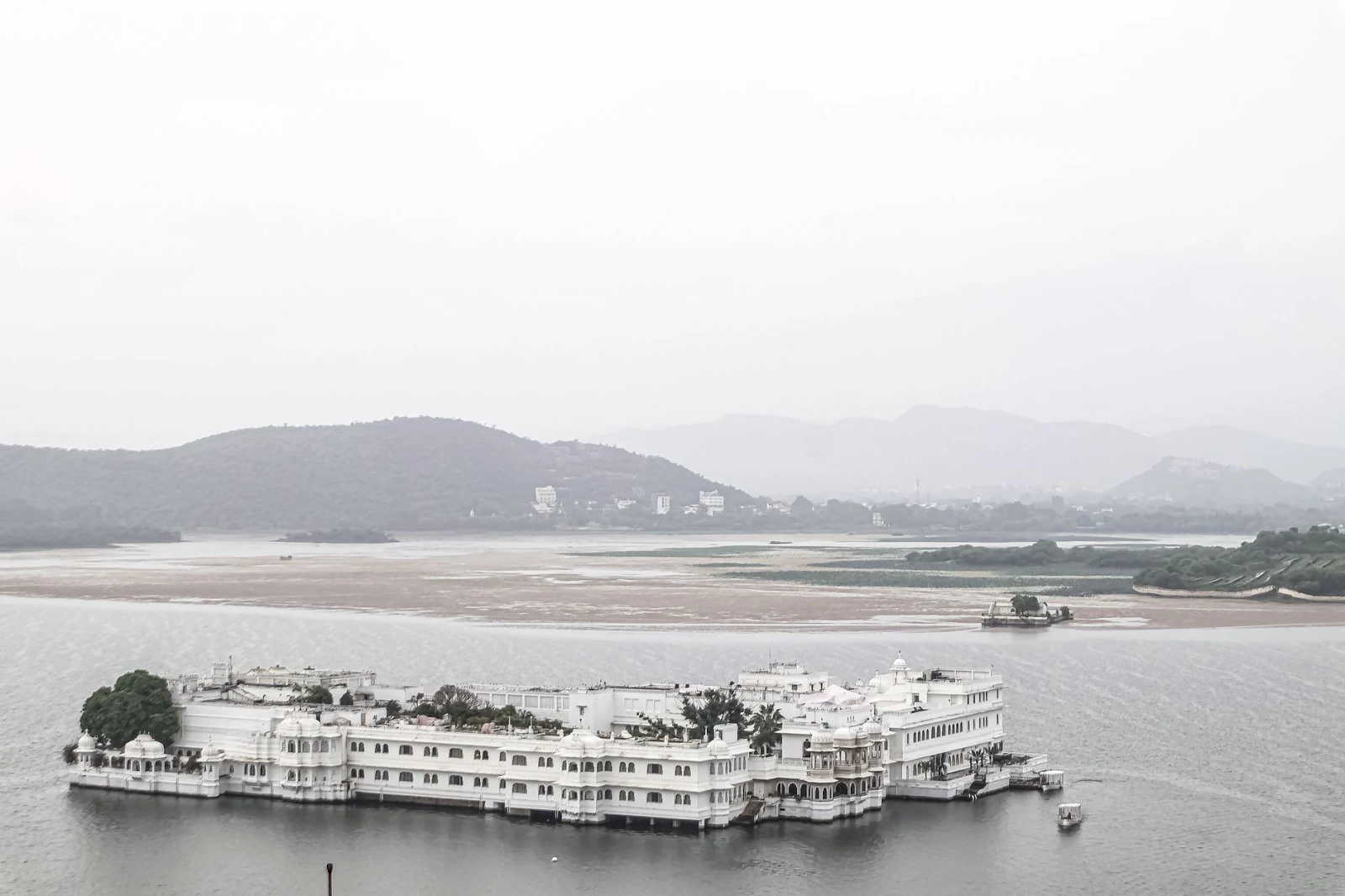
No trip to the City of Lakes is complete without experiencing the tranquil beauty of Lake Pichola, the oldest and arguably the most famous artificial lake in Udaipur. Created in 1362 AD by a gypsy banjara (nomadic tribesman) who transported grain, the lake was later expanded by Maharana Udai Singh II after he founded the city. Spanning over miles of shimmering blue water against the dramatic backdrop of the Aravali hills, Lake Pichola is the romantic heartbeat of Udaipur.
The lake is dotted with historical islands, palaces, temples, and ghats that emerge from its waters like floating jewels. Over the centuries, it has served as a vital water source and a scenic playground for the royal family, hosting grand celebrations, secret nocturnal gatherings, and peaceful sunset retreats.
What to Expect
The quintessential Udaipur experience is taking a sunset boat ride on Lake Pichola. As the golden hour approaches, the setting sun casts a warm, magical glow over the City Palace, the historic Gangaur Ghat, and the surrounding heritage havelis. Boat cruises typically depart from the City Palace jetty (Bansi Ghat) and take passengers past architectural wonders like Jag Mandir and the Lake Palace (Taj Lake Palace), which appears to float effortlessly on the water.
Spending an evening by the steps of Ambrai Ghat or Gangaur Ghat, listening to the gentle lapping of water and local musicians playing classical flute or sitar, offers a deeply peaceful and romantic atmosphere. It is undoubtedly one of the best places to visit in Udaipur for photography and quiet contemplation.
Visitor Information
- Timings: 9:00 AM to 6:00 PM for boat rides (sunset slots are the most popular)
- Boat Ride Cost: Approximately INR 400 to INR 700 per person for standard rides; private boat charters cost significantly more
- Recommended Duration: 1 to 2 hours
3. Jagmandir Island Palace

Overview and History
Situated on a natural island in the southern reaches of Lake Pichola, Jagmandir Island Palace is a breathtaking architectural masterpiece often called the "Lake Garden Palace." Construction of this pleasure palace began in 1551 under Maharana Amar Singh I and was continued by subsequent rulers, taking its final grand shape under Maharana Jagat Singh I in the 17th century, after whom it is named.
Historically, Jagmandir served as a royal summer resort and a sanctuary for political refugees. Most famously, Prince Khurram—later known as Mughal Emperor Shah Jahan—found refuge here while rebelling against his father, Jahangir. The stunning white marble architecture and refined aesthetics of Jagmandir are said to have deeply inspired Shah Jahan, subsequently influencing the design of the legendary Taj Mahal in Agra.
What to Expect
Stepping onto the island feels like entering a secluded royal oasis. The palace complex features impressive stone structures, blooming courtyards, decorative gardens, and the iconic *Gul Mahal*—a domed pavilion made of yellow sandstone that served as the primary residence for visiting royals. Surrounding the palace are striking marble elephant statues that stand guard along the water's edge.
Today, Jagmandir houses a luxury museum, a high-end restaurant, and serves as an exclusive venue for elite destination weddings and gala dinners. Visitors can explore the manicured gardens, admire the intricate stone carvings, and enjoy panoramic views of the mainland City Palace and the surrounding Aravali hills across the lake.
Visitor Information
- Timings: 10:00 AM to 6:00 PM daily
- Access: Accessible exclusively via boat rides from Bansi Ghat (often combined with Lake Pichola boat tours)
- Recommended Duration: 1 to 2 hours
4. Saheliyon-ki-Bari

Overview and History
Translated literally as the "Courtyard of the Maidens," Saheliyon-ki-Bari is a lush, serene garden tucked away in the northern part of Udaipur. Built in the early 18th century by Maharana Sangram Singh II, this charming retreat was meticulously designed as a pleasure garden and relaxation space for the royal princesses and their entourage of forty maidens who accompanied the princess as part of her dowry.
The garden reflects the refined aesthetic sensibilities of the Mewar court, offering a tranquil sanctuary away from the hustle and bustle of the royal court. It was thoughtfully engineered with elaborate water channels, lotus pools, marble pavilions, and brilliant fountains that operate entirely on unique water pressure systems without the aid of modern pumps.
What to Expect
Visiting Saheliyon-ki-Bari offers a refreshing, green escape filled with the soothing sound of gushing water and singing birds. The garden is adorned with four magnificent marble pools, each featuring exquisitely carved marble kiosks (chhatris), lotus-shaped fountains, and marble elephants that spray water from their trunks.
Strolling beneath the shady canopy of ancient trees, exotic flower beds, and marble archways provides a wonderful window into the leisurely lifestyle of royal women. It is a fantastic spot for leisurely walks, botanical photography, and enjoying a quiet afternoon in the lap of nature.
Visitor Information
- Timings: 8:00 AM to 8:00 PM daily
- Entry Fee: Approximately INR 10 for Indian nationals and INR 50 for foreign tourists
- Recommended Duration: 1 hour
5. Fateh Sagar Lake

Overview and History
Lying to the north of Lake Pichola and connected to it by a charming canal is the sparkling expanse of Fateh Sagar Lake. Originally constructed by Maharana Jai Singh in 1678, the lake was severely damaged by floods and later reconstructed by Maharana Fateh Singh in the late 19th century, earning its present name. Surrounded by three sides of low-lying hills and wide paved promenades, Fateh Sagar is often considered the recreational hub of modern Udaipur.
The lake features three distinct islands, the most prominent of which houses the popular Nehru Park—a public garden complete with a boat-shaped restaurant. Another island hosts the esteemed Udaipur Solar Observatory, taking advantage of the clear skies and calm waters of the lake.
What to Expect
Fateh Sagar Lake is vibrant, energetic, and beloved by locals and tourists alike, especially during the late afternoons and evenings. The wide palm-lined driveways (*Pal*) bordering the lake are bustling with families, couples, and food vendors selling local street delicacies like *mirchi bada* and *kulhad chai*.
Visitors can enjoy motorboat rides, speed boating, or paddle-boating out to Nehru Park. The scenic beauty, cool evening breezes, and picturesque sunset views make it one of the top places to visit in Udaipur for a relaxed, joyful evening out.
Visitor Information
- Timings: 8:00 AM to 6:00 PM daily
- Boating Cost: Varies from INR 30 to INR 200 per person depending on the type of boat (motorboat vs. speed boat)
- Recommended Duration: 1 to 2 hours
Best Time to Visit Udaipur
The ideal time to explore the top tourist places in Udaipur is during the winter months, spanning from October to March. During this period, the weather is pleasantly cool and crisp, with daytime temperatures ranging between 15°C and 25°C, making it exceptionally comfortable for sightseeing, walking through historic palaces, and enjoying boat rides on the lakes.
Summer (April to June): Temperatures can soar above 40°C, accompanied by dry, intense heat. While sightseeing during midday can be exhausting, accommodation rates are often significantly lower during this shoulder season.
Monsoon (July to September): Udaipur transforms into a lush, green paradise during the rainy season. The surrounding Aravali hills burst into vibrant shades of green, and the lakes fill to the brim, making it a romantic time for couples and nature lovers, though outdoor activities may occasionally be interrupted by rain showers.
How to Reach Udaipur
Udaipur is exceptionally well-connected to major Indian metropolitan cities like Delhi, Mumbai, Jaipur, and Ahmedabad via air, rail, and road networks.
- By Air: Maharana Pratap Airport (UDR), located about 22 kilometers from the city center, operates regular domestic flights connecting Udaipur to major Indian hubs including Delhi, Mumbai, Bengaluru, and Jaipur. Taxis and pre-paid cab services are readily available outside the terminal.
- By Train: Udaipur City Railway Station (UDZ) is well-connected to major railway networks across India. Luxury tourist trains like the Palace on Wheels also make scheduled stops here, alongside regular express and superfast trains from Delhi, Jaipur, Agra, and Mumbai.
- By Road: Udaipur boasts an excellent network of national highways (NH 8 and NH 76). Comfortable deluxe overnight buses, Volvo coaches, and self-drive rental cars operate frequently from Jaipur, Ahmedabad, Delhi, and Surat, offering smooth and scenic road trips through the countryside.
Must-Try Local Food in Udaipur
Rajasthani cuisine is world-renowned for its bold flavors, rich spices, and inventive use of dairy, lentils, and local grains. When exploring the best places to visit in Udaipur, make sure to sample these traditional culinary delights:
- Dal Baati Churma: The undisputed king of Rajasthani cuisine, featuring hard wheat rolls (*baati*) baked over hot embers, served with spicy lentil curry (*dal*) and sweetened crushed wheat (*churma*).
- Gatte ki Sabzi: Gram flour (*besan*) dumplings seasoned with spices, steamed, sliced, and cooked in a tangy, yogurt-based tomato gravy.
- Mirchi Bada: A fiery and popular street food snack consisting of large green chili peppers stuffed with spiced potato mash, coated in gram flour batter, and deep-fried to crispy perfection.
- Kachori (Pyaaz Kachori & Dal Kachori): Flaky, deep-fried pastries stuffed with spicy onion or spiced lentil fillings, usually served piping hot with tangy tamarind and mint chutneys.
- Ker Sangri: A traditional desert delicacy made from wild berries (*ker*) and dried beans (*sangri*), sautéed with local spices and oil.
- Mawa Kachori: A sweet variant of kachori filled with rich khoya (reduced milk solids), dry fruits, and dipped in warm sugar syrup.
10 Essential Travel Tips for Udaipur
- Book Palace Tickets Online: To avoid long queues, especially during peak tourist season (November-January), book your City Palace entry tickets online in advance.
- Wear Comfortable Footwear: Exploring palaces, fortresses, and cobblestone market lanes involves extensive walking and climbing uneven stone steps.
- Respect Local Customs: Dress modestly when visiting historical temples and sacred sites across the city.
- Bargain in Local Markets: When shopping for handicrafts, silver jewelry, and textiles at local bazaars like Hathipole or Bada Bazaar, polite bargaining is expected.
- Stay Near the Lakes: For the best atmospheric experience, book accommodations situated within walking distance of Lake Pichola or Jagdish Temple.
- Carry Sun Protection: Even during winter afternoons, the Rajasthani sun can be strong. Carry sunglasses, a hat, and sunscreen.
- Hire Licensed Guides: If you love history, hire an approved tour guide at the City Palace entrance to uncover fascinating tales of Mewar valor.
- Stay Hydrated: Always carry bottled mineral water and stay hydrated while walking through outdoor historical monuments.
- Plan Sunset Views in Advance: Secure a table at a rooftop restaurant overlooking Lake Pichola well before sunset to get the best views.
- Use Registered Transport: Opt for pre-paid auto-rickshaws or app-based cab services for safe and transparent local commuting.
Suggested 2-Day Udaipur Itinerary
If you have a short weekend getaway planned, here is a well-balanced 2-day itinerary to cover the top places to visit in Udaipur efficiently:
Day 1: Royal Palaces and Lake Romance
- Morning (9:30 AM - 1:00 PM): Start your day bright and early at the majestic City Palace. Spend a few hours exploring its opulent courtyards, museums, and crystal galleries.
- Lunch (1:00 PM - 2:30 PM): Enjoy a traditional Mewari thali at a heritage rooftop restaurant overlooking Lake Pichola.
- Afternoon (2:30 PM - 4:00 PM): Visit the nearby Jagdish Temple, an architectural marvel dedicated to Lord Vishnu, located just outside the palace gates.
- Late Afternoon (4:30 PM - 6:30 PM): Head to Bansi Ghat and board a sunset boat cruise on Lake Pichola, stopping briefly at Jagmandir Island Palace.
- Evening: Unwind with dinner by the water at Ambrai Ghat while admiring the illuminated City Palace across the lake.
Day 2: Gardens, Lakes, and Cultural Heritage
- Morning (9:00 AM - 10:30 AM): Take a peaceful morning stroll through the lush fountains and marble pavilions of Saheliyon-ki-Bari.
- Late Morning (11:00 AM - 1:00 PM): Explore the sprawling promenade of Fateh Sagar Lake. Enjoy a boat ride to Nehru Park or take in the views from the shore.
- Lunch (1:00 PM - 2:30 PM): Try local street food snacks like *mirchi bada* and *pyaaz kachori* near the lakefront.
- Afternoon (3:00 PM - 5:30 PM): Indulge in souvenir shopping at Hathipole Bazaar or Shilpgram (a rural arts and crafts complex showcasing traditional Rajasthani rural life).
- Evening: Attend the vibrant cultural folk dance and puppet show (*Bhartiya Lok Kala Mandal* or *Bagore ki Haveli* at Gangaur Ghat) to wrap up your Udaipur adventure in style.
Frequently Asked Questions (FAQs)
- How many days are sufficient to explore Udaipur?
A duration of 2 to 3 days is ideal to cover the major tourist attractions, enjoy boat rides, and experience the cultural highlights at a relaxed pace. - Is Udaipur safe for solo travelers and families?
Yes, Udaipur is widely regarded as one of the safest and most welcoming tourist destinations in India, characterized by warm local hospitality and low crime rates. - Can we visit the Lake Palace (Taj Lake Palace)?
The Lake Palace is currently operated as a luxury heritage hotel by the Taj Group. Entry is restricted exclusively to hotel guests and patrons with confirmed dining or spa reservations. - What is Udaipur famous for shopping?
Udaipur is renowned for traditional miniature paintings, Bandhani and Pichwai textiles, handcrafted leather journals, silver jewelry, and wooden toys. - Are boat rides operational throughout the year?
Yes, boat rides on Lake Pichola and Fateh Sagar Lake typically operate year-round, subject to favorable weather conditions and water levels. - Which is the best ghat for sunset photography?
Ambrai Ghat and Gangaur Ghat offer some of the most stunning, unobstructed sunset views of the City Palace and Lake Pichola. - Is vegetarian food easily available in Udaipur?
Absolutely. Due to religious traditions, vegetarian and vegan dining options are widely available across the city, alongside exquisite non-vegetarian Mewari royal delicacies. - How far is the airport from the city center?
Maharana Pratap Airport is situated approximately 22 kilometers away from central Udaipur, taking about 45 minutes to reach by taxi.
Conclusion
Udaipur is much more than just a destination; it is an enduring emotion, a visual poem written in white marble, sparkling blue waters, and golden sandstone. From the majestic heights of the City Palace to the tranquil evening ripples of Lake Pichola, every single moment spent in this royal city feels touched by magic. Whether you are losing yourself in the labyrinthine bazaars, savoring the spicy warmth of authentic Mewari cuisine, or watching the sunset cast a golden spell over the Aravali hills, Udaipur promises memories that will linger in your heart for a lifetime. Plan your royal escape today, immerse yourself in the rich tapestry of Mewar heritage, and discover why this timeless gem remains the crown jewel of Rajasthan tourism.



0 Comments