
Top 5 Places to Visit in Leh, Ladakh, India
Welcome to the roof of the world, where the skies are a deeper shade of sapphire blue, the mountains tell ancient stories, and every turn reveals a landscape so surreal it feels like another planet. If you have been dreaming of an escape from the humdrum of city life, planning a trip to Leh, Ladakh, should undoubtedly be at the very top of your bucket list. As an avid traveler who has lost count of the times I have traversed these majestic high-altitude passes, I can tell you that Ladakh is not merely a destination—it is a profound state of mind.
Nestled between the mighty Himalayan and Karakoram mountain ranges, Leh serves as the capital and heart of the trans-Himalayan region of Ladakh. For Indian travelers and globetrotters alike, seeking the best places to visit in Leh, Ladakh, India, offers an intoxicating blend of rugged adventure, serene spirituality, and raw, untouched natural beauty. From shimmering high-altitude lakes that change colors with the sun to centuries-old Buddhist monasteries perched precariously on dramatic rock cliffs, Ladakh is a sensory feast.
However, traveling to a high-altitude desert sitting at an average elevation of over 3,000 meters requires a bit of thoughtful preparation. Acclimatization is key, respect for local customs is paramount, and knowing the top tourist places in Leh, Ladakh, will help you craft an unforgettable itinerary. Whether you are craving the adrenaline rush of riding a Royal Enfield across Khardung La, seeking peace of mind inside the meditation halls of Thiksey Monastery, or camping under a blanket of a million stars by the banks of Pangong Tso, this comprehensive travel guide has got you covered.
Join me as we explore the top 5 places to visit in Leh, Ladakh, along with essential travel tips, local culinary delights, a handy 2-day itinerary, and answers to your most pressing questions. Pack your warm woolens, charge your cameras, and let us embark on an extraordinary journey through the Land of High Passes!
Table of Contents
- 1. Pangong Tso (Pangong Lake)
- 2. Nubra Valley
- 3. Thiksey Monastery
- 4. Khardung La Pass
- 5. Shanti Stupa
- Best Time to Visit Leh, Ladakh
- How to Reach Leh, Ladakh
- Local Food to Try in Ladakh
- 10 Essential Travel Tips for Ladakh
- Suggested 2-Day Leh Itinerary
- Frequently Asked Questions (FAQs)
- Conclusion
1. Pangong Tso (Pangong Lake)
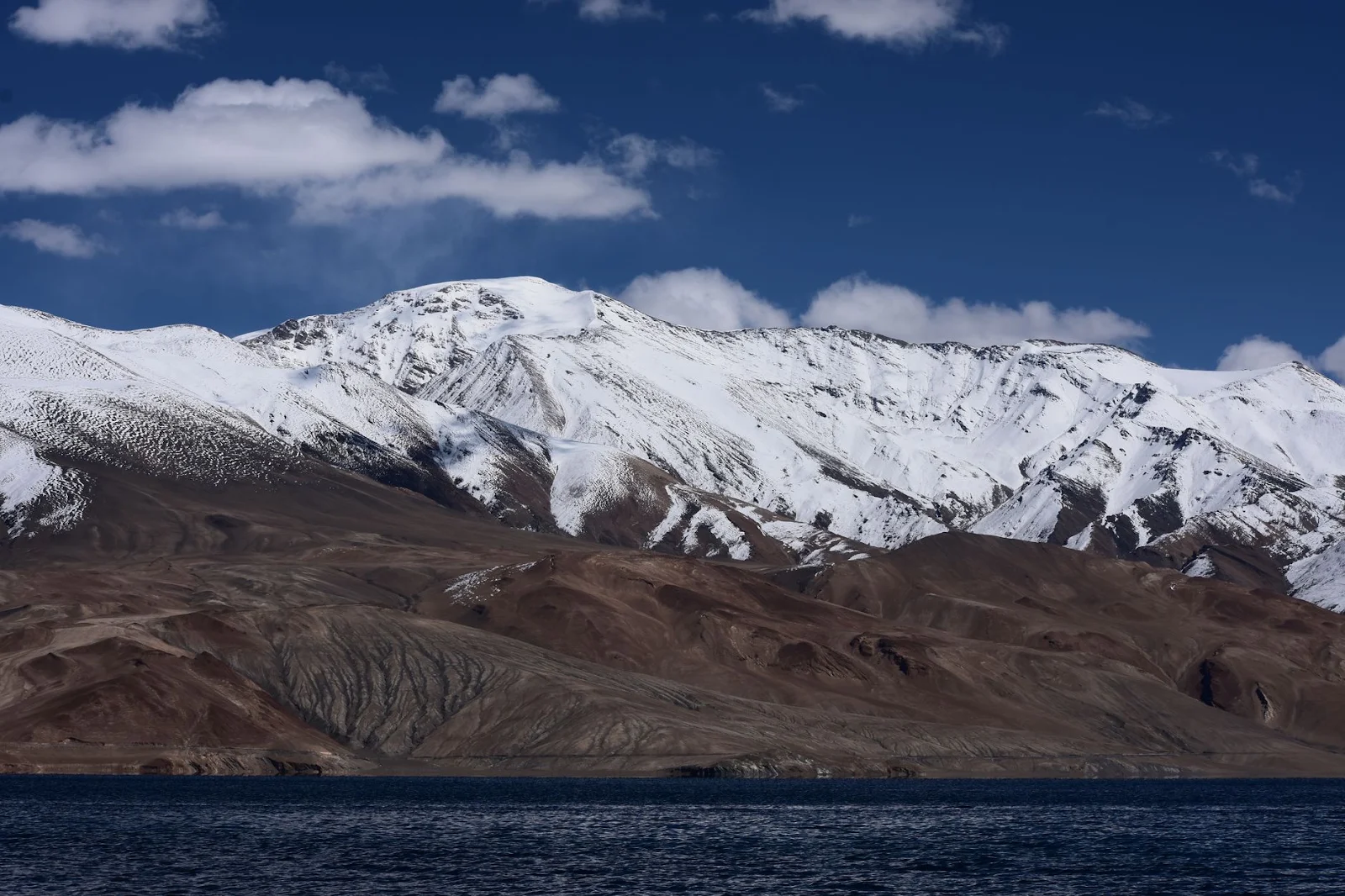
No journey to Ladakh is complete without witnessing the ethereal beauty of Pangong Tso, often celebrated as the crown jewel of the region's natural attractions. Situated at a jaw-dropping altitude of approximately 4,350 meters, this endorheic lake extends from India to Tibet, with roughly two-thirds of its expansive basin lying across the international border in Chinese territory. Famously featured in the climax of Bollywood blockbusters like 3 Idiots, Pangong Lake is renowned for its mesmerizing, shifting hues of blue, green, and deep turquoise depending on the angle of the sun and the playful dance of mountain shadows.
The journey to Pangong Tso from Leh town is an adventure in its own right, taking you across the formidable Changla Pass—one of the highest motorable mountain passes in the world. As you descend towards the lake, the first breathtaking glimpse of the shimmering water framed by barren, russet-brown mountains will leave you entirely spellbound. It is a photographer's absolute paradise and a sanctuary for solitude seekers.
Best Time to Visit Pangong Tso
The ideal window to visit Pangong Lake is between the months of May and September. During this summer and early autumn period, the weather is relatively pleasant during the day, and the ice completely melts, revealing the legendary crystal-clear blue waters. If you are fascinated by frozen landscapes, winter months (January to February) offer a surreal experience when the lake freezes solid enough for locals and visitors to walk across.
Things to Do at Pangong Tso
- Sit by the shore and marvel at the changing colors of the lake throughout the day.
- Recreate your favorite movie moments at the iconic 3 Idiots yellow scooter photo spot.
- Set up camp near the lake villages like Spangmik for an unforgettable night of stargazing under the Milky Way.
- Take a leisurely walk along the pebbled shoreline while observing migratory birds like bar-headed geese.
2. Nubra Valley

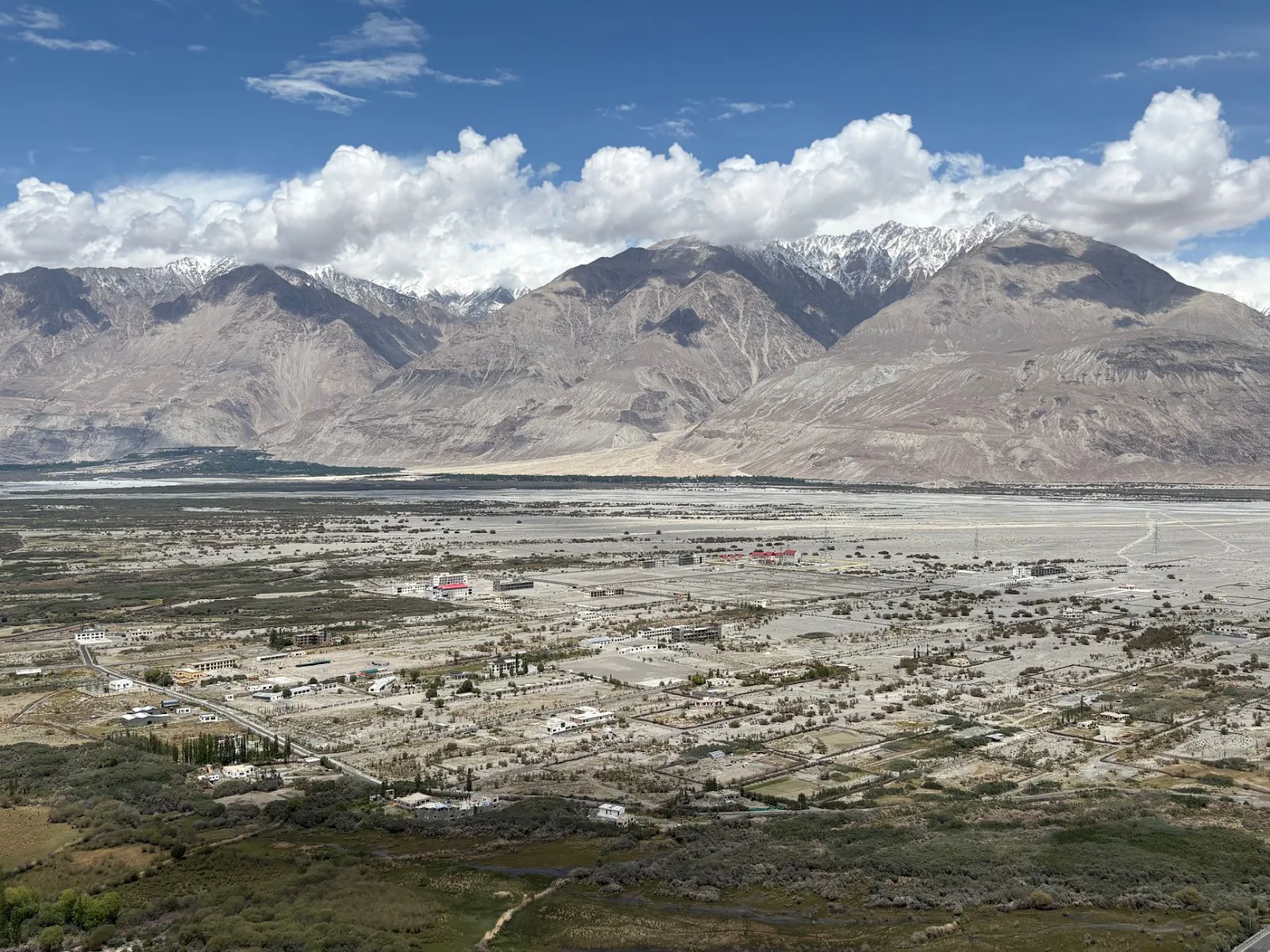
Often referred to as the Orchard of Ladakh, Nubra Valley is a lush, verdant oasis tucked away between the Ladakh and Karakoram ranges. Historically a crucial stopover on the ancient Silk Road connecting East and West, this wide, flat river valley is formed by the confluence of the Shyok and Nubra (Siachen) rivers. What makes Nubra Valley one of the absolute best places to visit in Leh, Ladakh, is its dramatic geographical duality: you will find rushing rivers and green agricultural fields nestled right alongside rolling sand dunes.
To reach this magical valley from Leh, you must cross the legendary Khardung La pass. As you drop in elevation, the stark, lunar landscapes of Leh give way to picturesque villages, towering poplar trees, and orchards laden with apples and apricots. The warm hospitality of the locals and the peaceful aura of the valley provide a welcome change of pace for weary travelers.
Best Time to Visit Nubra Valley
The best months to explore Nubra Valley are from April to October. During the spring months of April and May, apricot blossoms paint the valley in delicate shades of pink and white, while the summer months offer warm, comfortable daytime temperatures ideal for outdoor exploration and cultural sightseeing.
Things to Do at Nubra Valley
- Enjoy a unique double-humped Bactrian camel ride across the high-altitude sand dunes of Hunder.
- Visit the towering 32-meter-tall Maitreya Buddha statue at Diskit Monastery and take in panoramic views of the valley.
- Relax in the natural hot sulphur springs at Panamik, known for their therapeutic and medicinal properties.
- Explore Turtuk village, a charming village near the Pakistan border showcasing unique Balti culture and cuisine.
3. Thiksey Monastery

Perched majestically on a series of tiered hill slopes in the Indus Valley, Thiksey Monastery is the largest gompa in central Ladakh and a magnificent architectural marvel. Belonging to the Gelugpa (Yellow Hat) sect of Tibetan Buddhism, this sprawling 12-story monastic complex bears an uncanny visual resemblance to the famous Potala Palace in Lhasa, Tibet. Founded in the 15th century, Thiksey is not just a historical monument but a vibrant, active spiritual community housing hundreds of resident monks.
Stepping inside Thiksey Monastery feels like entering a living museum of sacred art, ancient scriptures, thangkas, and magnificent statues. The absolute highlight of the monastery is the two-story-tall statue of Maitreya Buddha (the future Buddha) located in the Maitreya Temple. Commissioned to commemorate the visit of the 14th Dalai Lama in 1970, this serene, golden-faced deity exudes an aura of profound peace that touches every visitor's soul.
Best Time to Visit Thiksey Monastery
Thiksey is accessible throughout most of the year, but the ideal time to visit is between May and October when the weather is mild. If you plan your visit during autumn (around October/November), you might have the opportunity to witness the vibrant annual Thiksey Gustor Festival featuring sacred masked dances.
Things to Do at Thiksey Monastery
- Attend the early morning prayer ceremony (around 6:00 AM) to experience the mesmerizing chanting of resident monks accompanied by traditional horns and drums.
- Marvel at the awe-inspiring 49-foot-tall statue of Maitreya Buddha in the main assembly hall.
- Browse through the rich collection of ancient Buddhist art, stupas, and sacred wall paintings.
- Climb to the rooftop terrace for sweeping, postcard-perfect panoramic views of the lush green Indus Valley below.
4. Khardung La Pass

For thrill-seekers and adventure enthusiasts, conquering Khardung La Pass is an absolute rite of passage. Famously touted for decades as the world's highest motorable pass (though subsequent surveys have occasionally contested this claim), Khardung La sits at a dizzying elevation of 5,359 meters (17,582 feet) above sea level. Serving as the gateway to the Nubra and Shyok valleys, this iconic mountain pass offers an adrenaline-pumping driving or biking experience that attracts travelers from all corners of the globe.
Standing at the summit of Khardung La surrounded by fluttering Tibetan prayer flags is an indescribable feeling of triumph. The air is remarkably thin, the panoramic views of the snow-capped Zanskar range and distant peaks are breathtaking, and the army-managed cafe proudly serves piping hot tea at the top of the world. However, due to the extreme altitude, visitors are strictly advised not to linger at the summit for more than 20 to 30 minutes to avoid altitude sickness.
Best Time to Visit Khardung La Pass
The best months to traverse Khardung La are from May to October when the BRO (Border Roads Organisation) keeps the road clear of heavy winter snow and ice. Summer months offer relatively safer driving conditions, although unpredicted weather changes can occur at any time in the high Himalayas.
Things to Do at Khardung La Pass
- Take the mandatory commemorative photograph next to the iconic elevation milestone signpost.
- Sip on a hot cup of black tea or instant noodles at the highest souvenir shop and cafeteria managed by the Indian Army.
- Test your driving and riding mettle by navigating the thrilling, winding switchbacks of the mountain pass.
- Admire the awe-inspiring vistas of towering Himalayan peaks piercing through dramatic cloud formations.
5. Shanti Stupa

Perched on a steep hilltop in Chanspa, overlooking the sprawling town of Leh and the surrounding snow-dusted mountains, stands the radiant white Shanti Stupa. This magnificent Buddhist white-domed stupa (chorten) was built in 1991 by Japanese Buddhist monk Nishiyama Jiho as part of the Peace Pagoda mission to promote world peace and prosperity through Buddhism. It also marks the celebration of 2,500 years of Buddhism and symbolizes ties between the people of Japan and India.
While Shanti Stupa is undeniably stunning during daylight hours with its gleaming white architecture contrasting against the blue Himalayan sky, it truly transforms into a magical wonderland at dusk and nighttime when it is brilliantly illuminated with floodlights. Climbing the steep steps to the stupa rewards travelers with a serene environment ideal for quiet contemplation and meditation, coupled with the finest vantage point for sunset photography in Leh.
Best Time to Visit Shanti Stupa
While you can visit throughout the day, the absolute best time to experience Shanti Stupa is late afternoon leading into sunset. Arriving around 5:00 PM allows you to soak in the golden hour light illuminating Leh town and capture spectacular photographs as the lights flicker on across the valley below.
Things to Do at Shanti Stupa
- Climb to the second level of the stupa to inspect the gilded panels depicting the birth, life, and death of Buddha.
- Meditate in the peaceful ambiance of the courtyard while listening to the gentle rustle of prayer flags in the mountain breeze.
- Witness a breathtaking sunset over Leh town and the towering Namgyal Tsemo Gompa in the distance.
- Capture stunning wide-angle landscape photographs of the entire Leh valley framed by majestic peaks.
Best Time to Visit Leh, Ladakh
Choosing the right time to visit Leh, Ladakh, is crucial for ensuring a safe, enjoyable, and rewarding journey. The tourism season generally spans from May to October, when the weather is stable, mountain passes are clear of snow, and most hotels, restaurants, and tourist attractions are fully operational.
- Summer (June to August): This peak tourist season offers warm daytime temperatures ranging between 15°C to 25°C, while nights can drop to 5°C. All major roads, including Manali-Leh and Srinagar-Leh highways, are open. Skies are clear, making it perfect for road trips, trekking, and sightseeing.
- Autumn (September to October): A quieter and incredibly scenic time to visit. The valley turns golden-yellow with autumn foliage, tourist crowds thin out significantly, and crisp clear skies offer exceptional visibility for photography.
- Winter (November to April): Characterized by extreme cold with temperatures plummeting well below freezing (-15°C to -25°C). Most roads are blocked by heavy snowfall, and flights are the only way in. However, winter is famous for hardcore adventure seekers tackling the legendary Chadar Trek (walking on the frozen Zanskar River) and spotting elusive snow leopards.
How to Reach Leh, Ladakh
Getting to Leh requires careful planning due to the challenging high-altitude terrain. Depending on your starting point, time availability, and sense of adventure, you can choose between flying or embarking on an epic road trip.
- By Air: The fastest and most convenient way to reach Leh is by taking a flight to Kushok Bakula Rimpochee Airport (IXL). Direct flights operate regularly from major Indian cities like Delhi, Mumbai, Chandigarh, and Srinagar. The flight landing into Leh offers some of the most breathtaking aerial views of snow-capped Himalayan peaks you will ever witness.
- By Road via Srinagar: The Srinagar to Leh highway (NH 1D) via Kargil is approximately 420 km long and generally opens by late April or May. Traveling via Srinagar allows for a more gradual ascent in altitude, significantly reducing the risk of acute mountain sickness (AMS).
- By Road via Manali: The Manali to Leh highway is a legendary 473 km route traversing multiple high-altitude passes like Atal Tunnel, Baralacha La, and Tanglang La. This route is typically open from June to September and is immensely popular among bikers and road trip enthusiasts.
Local Food to Try in Ladakh
Tibetan and Central Asian culinary traditions heavily influence Ladakhi cuisine, featuring hearty, warming, and comforting dishes designed to sustain locals through harsh winters. Do not miss these local delicacies during your stay:
- Thukpa: A comforting, piping-hot noodle soup loaded with fresh vegetables or meat, seasoned with aromatic herbs and local spices.
- Momos: Steamed or fried dumplings stuffed with minced mutton, yak cheese (chhurpi), or vegetables, served alongside fiery red chili chutney.
- Skyu: A traditional Ladakhi comfort food consisting of thumb-sized wheat dough pasta cooked in a rich, hearty vegetable or meat stew.
- Butter Tea (Gur Gur Chai): A unique, salty pink tea made from yak butter, milk, and salt, traditionally consumed continuously throughout the day to keep warm and combat dehydration at high altitudes.
- Chhutagi: Another beloved local pasta dish shaped like bow ties, simmered in a thick, flavorful soup.
10 Essential Travel Tips for Ladakh
- Acclimatize Properly: Dedicate the first 24 to 48 hours entirely to resting in Leh town without engaging in strenuous physical activity to prevent Acute Mountain Sickness (AMS).
- Stay Hydrated: Drink plenty of water, lemon water, and juices throughout the day. Avoid alcohol and smoking during the first few days at high altitudes.
- Carry Medications: Pack a comprehensive medical kit containing Diamox (consult your doctor first), painkillers, motion sickness pills, band-aids, and personal prescriptions.
- Dress in Layers: Mountain weather can change drastically within minutes. Layering allows you to add or remove clothing easily as temperatures fluctuate.
- Protect Against UV Rays: The Himalayan sun is exceptionally harsh at high altitudes. Always wear high-SPF sunscreen, polarized sunglasses, and a wide-brimmed hat.
- Respect Local Culture: Dress modestly when visiting monasteries, always walk clockwise around stupas and prayer wheels, and ask for permission before photographing local residents.
- Carry Cash: While digital payments are increasingly common in Leh town, remote areas like Pangong and Nubra rely heavily on cash. ATMs outside Leh are unreliable.
- Pre-arrange Inner Line Permits: Indian nationals and foreign tourists require Inner Line Permits to visit protected border areas like Pangong Lake, Nubra Valley, and Turtuk. You can apply online or through a local registered travel agent in Leh.
- Eco-Friendly Travel: Ladakh is an ecologically fragile zone. Avoid single-use plastics, carry a reusable water bottle, and dispose of your trash responsibly.
- Keep Postpaid SIM Active: Only postpaid mobile connections (primarily BSNL, Airtel, and Jio) function in Ladakh. Prepaid SIM cards bought in other states do not work here.
Suggested 2-Day Leh Itinerary
If you are pressed for time and have only a quick weekend or short break to experience the highlights of Leh, here is a carefully curated 2-day itinerary designed to maximize your experience while keeping altitude safety in mind.
Day 1: Acclimatization and Local Sightseeing in Leh Town
- Morning: Arrive at Leh airport, check into your hotel, and spend the entire morning resting and allowing your body to adjust to the high altitude. Sip warm fluids and take light walks around your hotel.
- Afternoon: Visit the magnificent 17th-century Leh Palace for a bird's-eye view of the old town and surrounding mountains. Afterward, explore the bustling local Leh Market to purchase authentic Ladakhi handicrafts, prayer wheels, and pashmina shawls.
- Evening: Drive up to Shanti Stupa in the late afternoon to witness a breathtaking sunset over Leh town while taking in the serene spiritual ambiance. Return to the main market for dinner and sample authentic Tibetan thukpa.
Day 2: Day Excursion to Thiksey Monastery and Shey Palace
- Morning: Wake up early and head out to attend the soulful morning prayer ceremony at Thiksey Monastery. Marvel at the giant Maitreya Buddha statue and explore the sprawling monastic complex.
- Afternoon: Drive down to the nearby Shey Palace and Monastery, the former summer residence of the kings of Ladakh, famous for its colossal copper-gilded gold-plated Buddha statue. Enjoy a traditional Ladakhi lunch at a local cafe in Choglamsar.
- Evening: Spend your final evening visiting the Hall of Fame—a museum managed by the Indian Army honoring the brave soldiers who fought in the Kargil and Siachen conflicts. Conclude your trip with a cozy dinner enjoying momos and butter tea.
Frequently Asked Questions (FAQs)
1. Is AMS (Acute Mountain Sickness) common in Leh, Ladakh?

Yes, AMS is quite common due to Leh's high elevation of 3,500 meters above sea level. Symptoms include headaches, dizziness, nausea, and fatigue. Proper acclimatization by resting for the first 48 hours, staying hydrated, and avoiding overexertion helps prevent it.
2. Do Indian citizens need a permit to visit Pangong Lake and Nubra Valley?

Yes, Indian citizens need an Inner Line Permit (ILP) to visit protected border areas like Pangong Tso, Nubra Valley, and Turtuk. You can easily obtain this online through the official Ladakh government portal or via a registered local travel agency in Leh.
3. Are mobile networks operational in Leh, Ladakh?
Only postpaid mobile connections work in Ladakh. BSNL has the widest network coverage across remote areas like Pangong and Nubra, while Airtel and Jio function well within Leh town and major tourist hubs. Prepaid SIM cards from other states do not work here.
4. What is the best way to travel around Leh and its surroundings?

Renting a self-drive or chauffeured taxi is the most popular and comfortable way to explore tourist spots like Pangong Lake and Nubra Valley. Many adventure enthusiasts also rent Royal Enfield motorcycles from authorized rental agencies in Leh town.
5. Can I visit Ladakh with kids or elderly family members?

Yes, you can travel with family, but extra precautions regarding altitude sickness are necessary. Consult your family doctor before the trip, plan a slow-paced itinerary with ample rest days, and keep emergency medical contacts handy.
6. What kind of clothing should I pack for a trip to Leh?

Even during summer months, temperatures drop sharply after sunset. Pack thermal innerwear, heavy woolen sweaters, windproof and waterproof jackets, sturdy trekking shoes, woolen caps, gloves, and thick woolen socks.
7. Are vegetarian food options easily available in Leh?

Absolutely. Most restaurants in Leh town, Pangong, and Nubra valley serve a wide variety of delicious vegetarian Indian, Tibetan, Chinese, and Continental dishes. Traditional Ladakhi cuisine also features several vegetarian options like thukpa and vegetable momos.
8. Is it safe for solo travelers to visit Leh, Ladakh?

Leh is widely considered one of the safest regions in India for solo travelers, including solo female travelers. The local Ladakhi community is exceptionally hospitable, warm, and welcoming. However, standard travel safety precautions should always be observed.
Conclusion
Embarking on a journey to Leh, Ladakh, is an experience that stays etched in your heart and soul forever. From the mesmerizing turquoise waters of Pangong Tso and the dramatic sand dunes of Nubra Valley to the spiritual tranquility of Thiksey Monastery and Shanti Stupa, every corner of this high-altitude wonderland tells a captivating story. By keeping altitude safety in mind, respecting local traditions, and planning your itinerary thoughtfully, you are guaranteed an adventure of a lifetime. So, pack your bags, answer the call of the mountains, and get ready to discover why Ladakh is truly heaven on Earth.



0 Comments