
Top 5 Places to Visit in Lahaul and Spiti, Himachal Pradesh, India
Welcome, fellow wanderers, to the rugged, awe-inspiring, and profoundly spiritual roof of India! If you have been yearning to escape the humdrum of city life and lose yourself in a landscape that feels entirely otherworldly, you have landed on the right page. As an Indian travel blogger who has chased horizons across the length and breadth of our incredible country, I can tell you that nothing quite prepares you for the sheer, raw magic of Lahaul and Spiti. Nestled high in the Himalayas of Himachal Pradesh, this cold desert mountain valley is a symphony of barren brown mountains, deep blue skies, gushing glacial rivers, and ancient monasteries that whisper secrets of centuries past.
Planning a trip to the top tourist places in Lahaul and Spiti is practically a rite of passage for every passionate traveler, biker, and nature lover. For the longest time, this remote frontier remained hidden behind formidable mountain passes, accessible only to the truly adventurous. However, with the inauguration of the Atal Tunnel, reaching these high-altitude wonders has become remarkably seamless, opening up this mystical region to explorers far and wide. Whether you are looking to meditate in the silence of a thousand-year-old gompa, gaze at a blanket of stars from a campsite at 14,000 feet, or test your driving skills on some of the world's most dramatic roads, Spiti and Lahaul promise an unforgettable expedition.
In this comprehensive guide, we are going to explore the absolute best places to visit in Lahaul and Spiti, Himachal Pradesh. From shimmering high-altitude lakes to quaint villages where time seems to have stood still, these destinations will capture your heart and refuse to let go. So, grab a cup of chai, settle in, and let us journey together through the majestic valleys of Lahaul and Spiti!
Table of Contents
- 1. Chandratal Lake
- 2. Key Monastery
- 3. Kaza
- 4. Suraj Tal Lake
- 5. Pin Valley National Park
- Best Time to Visit Lahaul and Spiti
- How to Reach Lahaul and Spiti
- Local Food to Try
- Essential Travel Tips
- Suggested 2-Day Itinerary
- Frequently Asked Questions (FAQs)
- Conclusion
1. Chandratal Lake

If heaven had a mirror on Earth, it would undoubtedly look like Chandratal Lake. Cradled at a breathtaking altitude of about 4,300 meters (14,100 feet) near the Kunzum Pass, the name literally translates to the "Lake of the Moon." This crescent-shaped waterbody is one of the most stunning top tourist places in Lahaul and Spiti, casting a spell on every traveler who makes the arduous trek to witness its beauty. Surrounded by vast meadows of green and jagged, snow-capped Himalayan peaks, the color of the water changes dynamically throughout the day, shifting from deep turquoise to emerald green and brilliant azure depending on the play of sunlight.
Historically, Chandratal served as a resting point for Tibetan and Ladakhi traders traveling along the ancient caravan routes. Today, it is a haven for campers, photographers, and nature enthusiasts. The journey to the lake involves a bumpy yet mesmerizing drive through the rugged Lahaul landscape, followed by a gentle 2-kilometer trek from the designated parking area. Camping near Chandratal is an ethereal experience; as night falls, the pollution-free skies open up to reveal the Milky Way in all its glory, making it a stargazer's absolute paradise. Just remember to respect the fragile ecosystem here, as vehicle movement is restricted close to the lake to preserve its pristine purity.
History and Significance
According to local folklore and Hindu mythology, Chandratal is believed to be the spot where the chariot of Lord Indra descended to transport Yudhisthira, the eldest of the Pandavas, to Swarga (heaven) in his mortal body. Because of its divine associations and pristine nature, the lake holds immense sacred value for both local Buddhists and Hindus.
Best Time to Visit
The ideal time to visit Chandratal Lake is during the summer months from June to September. During this window, the snow has cleared, the roads are relatively stable, and the weather is pleasant during the day, though nights remain quite chilly.
How to Get There
Chandratal can be reached via road from Kaza or Manali. From Manali, you drive past Rohtang Pass, Gramphu, and Batal, then take a diversion towards the Kunzum Pass route. From the Chandratal parking camp, a well-marked walking trail leads you directly to the lakeside.
2. Key Monastery

Perched majestically on a conical hill at an altitude of 4,166 meters, the Key Monastery (also spelled Ki or Kye Gompa) is arguably the most iconic postcard image of Spiti Valley. This thousand-year-old Tibetan Buddhist monastery is a architectural marvel, stacked like a labyrinth of whitewashed rooms, prayer halls, and sloping rooftops that seamlessly merge with the barren, mud-colored mountains surrounding it. As one of the best places to visit in Lahaul and Spiti, this spiritual center houses hundreds of monks who study, pray, and live in deep devotion, keeping ancient Buddhist traditions alive in this remote Himalayan pocket.
Visiting Key Monastery is a deeply humbling experience. As you walk through its narrow, winding corridors, you will encounter ancient murals, priceless thangkas, intricate wind instruments, and glowing butter lamps that flicker in the dim, incense-scented prayer rooms. The panoramic view of the winding Spiti River and the expansive valley floor from the rooftop of the monastery is nothing short of therapeutic. If you happen to visit during June or July, you might even witness the vibrant Kye-Chaam festival, where lamas perform traditional masked dances representing the triumph of good over evil.
History and Significance
Founded in the 11th century by Dromton, a disciplined pupil of the legendary teacher Atisha, Key Monastery has survived numerous invasions, severe earthquakes, and harsh weather over the centuries. It belongs to the Gelugpa (Yellow Hat) sect of Tibetan Buddhism and serves not only as a religious institution but also as a monastic school for young monks.
Best Time to Visit
May to October is the most favorable period to visit Key Monastery. Summers offer clear skies and comfortable daytime temperatures, while autumn brings gorgeous golden hues to the surrounding valley.
How to Get There
Key Monastery is located approximately 14 kilometers north of Kaza, the sub-divisional headquarters of Spiti. You can easily hire a local taxi, rent a scooter or motorcycle from Kaza, or even hike up if you are an experienced trekker looking for an adventure.
3. Kaza

Kaza is the beating heart and commercial capital of the Spiti Valley. Situated along the left bank of the Spiti River at an altitude of 3,650 meters, this vibrant mountain town is divided into two parts: Old Kaza (Kaza Khas) and New Kaza. Old Kaza retains its rustic, traditional charm with mud-brick houses, narrow alleys, and ancient monasteries, while New Kaza is bustling with hotels, homestays, vibrant cafes, government offices, and bustling markets. It serves as the ultimate basecamp for travelers exploring the top tourist places in Lahaul and Spiti.
Spending a couple of days in Kaza allows you to acclimatize properly to the high altitude while soaking in the unique local culture. The town is flanked by barren mountains that change colors throughout the day, glowing golden in the morning light and turning deep purple as the sun sets. Explore the local market to shop for authentic Spitian handicrafts, prayer wheels, woolens, and organic sea buckthorn juice. Kaza is also home to the world’s highest retail fuel station, a quirky and popular photo spot for travelers cruising through the Himalayas.
History and Significance
Historically a crucial trading post on the trans-Himalayan route connecting India and Tibet, Kaza has evolved over decades from a sleepy hamlet into a thriving hub for adventure tourism. Despite modernization, the local community remains deeply rooted in Tibetan Buddhist traditions, festivals, and sustainable mountain living.
Best Time to Visit
The best time to visit Kaza is between May and October. During these months, all major entry roads from Manali and Shimla are open, local businesses are fully operational, and the weather is welcoming for sightseeing.
How to Get There
Kaza is accessible via two primary routes: the Manali-Kaza route (via Atal Tunnel and Kunzum Pass) and the Shimla-Kaza route (via Kinnaur and the Hindustan-Tibet Highway). Regular state transport buses and shared cabs operate on both routes during the summer season.
4. Suraj Tal Lake
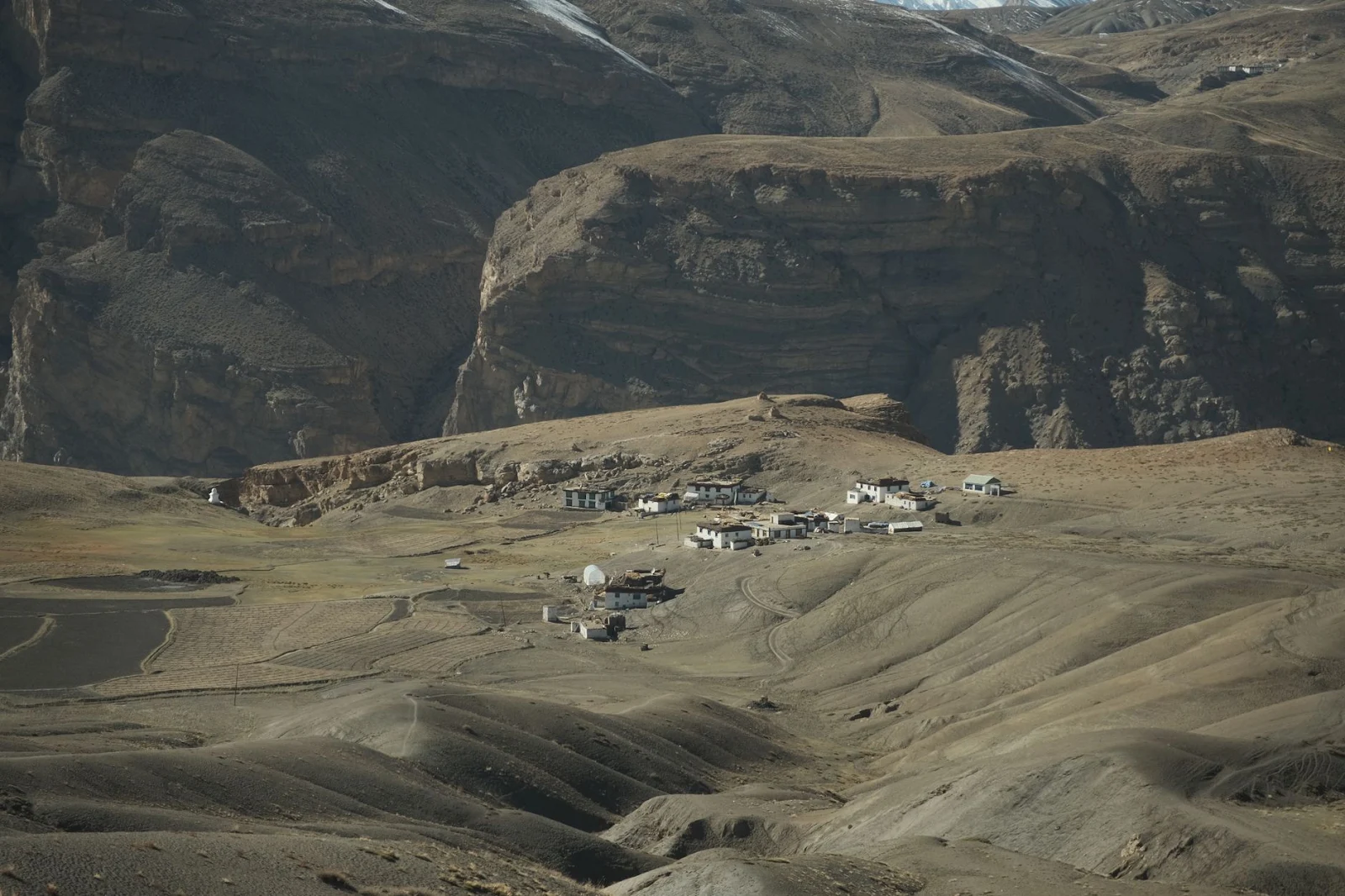
Lying gracefully just below the formidable Bara-lacha La pass in the Lahaul district, Suraj Tal is a stunning high-altitude lake that translates poetically to the "Lake of the Sun." At an astounding altitude of 4,895 meters (16,050 feet), it is the third-highest lake in India and one of the most mesmerizing natural wonders in the region. The lake is fed by the Bhaga River, which originates right here, making it a vital and sacred water source for the valleys below.
Suraj Tal is a dream come true for landscape photographers, road trip enthusiasts, and nature lovers seeking offbeat destinations. The deep, emerald-green waters of the lake contrast sharply against the stark, snow-draped mountains and azure skies, creating a visual masterpiece that words simply cannot do justice. Because of its extreme altitude, the air is crisp and thin, and the weather can change in a matter of minutes, adding an element of raw adventure to your visit. Stopping here while traversing the Leh-Manali highway is a mandatory ritual for every traveler exploring the best places to visit in Lahaul and Spiti.
History and Significance
In Hindu mythology, Suraj Tal holds deep reverence. It is believed that taking a holy dip in the waters of Suraj Tal cleanses a person of all sins. Furthermore, the lake is the birthplace of the Bhaga River, which later merges with the Chandra River at Tandi to form the mighty Chenab River (Pachahima), a lifesaver for the plains of northern India and Pakistan.
Best Time to Visit
July to September is the ideal time to visit Suraj Tal. By July, the thick winter snow blocking the Bara-lacha La pass clears up significantly, allowing safe vehicular access.
How to Get There
Suraj Tal is located right alongside the Leh-Manali Highway near the top of Bara-lacha La. If you are traveling from Keylong or Manali toward Leh, you will pass directly by the lake, making it an easy and accessible roadside stop.
5. Pin Valley National Park

If you want to witness the wild, untamed side of the Cold Desert Biosphere Reserve, look no further than Pin Valley National Park. Located in the desert mountain region of Spiti, this park is a sanctuary of extreme geological formations, dramatic cliffs, and pristine wilderness. Altitudes within the park range from 3,500 meters to over 6,000 meters. The landscape is a striking canvas of rust-red, ochre, and grey mountains carved by the gushing Pin River, making it one of the most unique top tourist places in Lahaul and Spiti.
Pin Valley is internationally renowned as the natural habitat of the elusive Snow Leopard, along with other high-altitude wildlife species such as the Siberian Ibex, Bharal (blue sheep), red fox, and woolly hare. Birdwatchers will also find delight here, spotting rare avian species like the Himalayan snowcock and chukar partridge. Beyond wildlife, the park is dotted with picturesque, remote villages like Mudh—the last inhabited village in the Pin Valley—where travelers can experience authentic Spitian homestay hospitality and sample delicious local cuisine.
History and Significance
Established in 1987, Pin Valley National Park was created to protect the unique flora and fauna of the cold desert ecosystem. The park also holds immense cultural significance, as it houses several Tibetan Buddhist monasteries, including the famous Kungri Monastery, which belongs to the Nyingmapa (Red Hat) sect.
Best Time to Visit
July to September is the best time for general tourists and trekkers to visit Pin Valley, as the weather is stable and accessible. Wildlife enthusiasts tracking snow leopards typically visit during the deep winter months of January to March, though this requires extreme preparation and local expertise.
How to Get There
Pin Valley is easily accessible from Kaza. You can hire a taxi or ride a bike from Kaza to Attargo, and then take the diversion road leading into the Pin Valley toward Mudh village, which takes roughly 1.5 to 2 hours of driving.
Best Time to Visit Lahaul and Spiti
Choosing the right time to visit Lahaul and Spiti can make or break your travel experience. Because of its extreme high-altitude terrain, the region experiences two distinct phases: a harsh, snow-bound winter and a pleasant, accessible summer.
- Summer (May to October): This is universally considered the best time to visit Lahaul and Spiti. The mountain passes (Rohtang, Kunzum, and Baralacha La) are open, roads are clear, homestays and hotels are fully operational, and daytime temperatures hover between 15°C and 25°C. It is ideal for road trips, sightseeing, and trekking.
- Autumn (September to October): Characterized by crisp air, clear blue skies, and golden-yellow foliage in the valleys, autumn is fantastic for photographers and travelers who prefer fewer crowds. However, nights start getting quite cold.
- Winter (November to April): Spiti and Lahaul transform into a frozen arctic wonderland during winter. Temperatures plummet well below freezing (-20°C or lower), heavy snowfall blocks mountain passes, and electricity and water supplies can be erratic. This season is recommended only for hardcore adventure seekers and wildlife photographers looking to spot snow leopards.
How to Reach Lahaul and Spiti
Traveling to Lahaul and Spiti is an adventure in its own right. There are two primary vehicular routes into the valley, depending on where you are starting your journey:
- Via Manali (The Northern Route): This is the most popular route, especially after the opening of the Atal Tunnel. From Delhi or Chandigarh, you drive to Manali, pass through the Atal Tunnel into Lahaul, and proceed over Kunzum Pass to enter Spiti Valley (Kaza). The total distance from Manali to Kaza is roughly 200 kilometers. Note that the Manali-Kaza highway is operational only from late May to October.
- Via Shimla (The Southern Route): This route takes you from Shimla through Kinnaur district (Rampur, Reckong Peo, Nako, and Tabo) all the way into Spiti. While it is much longer (around 420 kilometers from Shimla to Kaza), it remains open for a larger part of the year and offers lower altitude gains, making it safer for gradual acclimatization.
- By Air: The nearest major airport is Bhuntar Airport near Kullu (approx. 250 km from Kaza), though flights can be erratic due to weather. Chandigarh International Airport (approx. 500 km away) is the most reliable major transit hub.
- By Bus: Himachal Road Transport Corporation (HRTC) operates regular buses between Manali and Kaza, as well as Shimla and Kaza, during the summer months. Shared cabs and jeeps are also readily available.
Local Food to Try
Indulging in local Spitian and Lahauli cuisine is an essential part of cultural immersion. Prepared with fresh, organic, and locally sourced ingredients that can survive harsh weather, the food here is hearty, warming, and comforting. Here are some local delicacies you must try:
- Thukpa: A piping-hot Tibetan noodle soup loaded with vegetables or meat, garlic, and local spices, perfect for warming up against the mountain chill.
- Momos: Steamed or pan-fried dumplings stuffed with cabbage, potatoes, paneer, or yak meat, served with fiery homemade chili chutney.
- Thenthuk: Hand-pulled flat noodle soup cooked with vegetables and mutton, renowned for being deeply nourishing.
- Spitian Butter Tea (Po Cha): A traditional salted tea made from yak butter, tea leaves, and salt, whisked together. It is an acquired taste, but an absolute lifesaver against high-altitude dehydration and cold.
- Sea Buckthorn Juice: Made from wild berries rich in Vitamin C that grow abundantly along the riverbanks. It is tart, refreshing, and packed with health benefits.
- Chulli (Wild Apricot) Jam and Wine: Sweet, organic treats made from wild apricots harvested in the lower valleys.
Essential Travel Tips
- Acclimatization is Key: Spiti and Lahaul sit at altitudes ranging from 3,000 to over 4,500 meters. Spend your first day in Kaza resting to avoid Acute Mountain Sickness (AMS). Drink plenty of water and avoid heavy exertion initially.
- Carry Cash: ATMs are sparse outside Kaza and Keylong, and digital payment networks frequently fail due to erratic internet connectivity. Always carry sufficient cash for your daily expenses.
- Pack in Layers: Even during peak summer, daytime temperatures can drop dramatically as soon as the sun goes down or the wind picks up. Pack thermal innerwear, heavy woolen sweaters, windproof jackets, gloves, and woolen caps.
- Stay Hydrated: High-altitude sun rays are intense, and the dry mountain air causes rapid dehydration. Carry a reusable water bottle and drinkORS or electrolyte packets regularly.
- Respect Local Culture: Spiti is deeply Buddhist. Always walk clockwise around stupas, mani stones, and prayer wheels. Ask for permission before photographing monks or locals.
- Drive with Caution: The roads are a mix of tarmac, gravel, water crossings, and loose shale. If you are not an experienced mountain driver, hire a local cab driver rather than self-driving.
- Protect the Environment: Spiti is an ecologically fragile cold desert. Do not litter plastic bottles or wrappers. Practice Leave No Trace principles strictly.
- Keep Medicines Handy: Pack a personal medical kit containing AMS medication (Diamox), painkillers, motion sickness pills, band-aids, and personal prescription drugs.
- Check Permit Requirements: Indian citizens do not need inner-line permits for most tourist routes, but foreign nationals require permits for certain border areas like Pin Valley and Kibber. Check local regulations before starting your trip.
- Be Prepared for Power Cuts: Electricity supply can be irregular in remote villages. Carry power banks, extra camera batteries, and a reliable flashlight or headlamp.
Suggested 2-Day Itinerary
While doing justice to Lahaul and Spiti requires at least a week, here is a power-packed 2-day itinerary focusing on the highlights around Kaza for travelers on a tight schedule:
Day 1: Monastic Wonders and Local Culture (Kaza, Key, Kibber, and Langza)
- 08:00 AM: Start your day with a hearty breakfast in Kaza market and sip some hot butter tea.
- 09:30 AM: Head straight to the iconic Key Monastery. Spend a couple of hours exploring the prayer halls, interacting with the resident monks, and soaking in the views.
- 12:00 PM: Drive further up to Kibber Village, one of the highest inhabited villages in the world connected by motorable road.
- 01:30 PM: Enjoy a traditional Spitian lunch at a local homestay in Kibber.
- 03:00 PM: Visit the high-altitude fossil village of Langza, where you can spot marine fossils embedded in the mountains and see the towering Buddha statue overlooking the valley.
- 06:00 PM: Return to Kaza for dinner, stroll through the local market, and retire early for a good night's rest.
Day 2: High-Altitude Lakes and Dramatic Valleys (Chandratal or Pin Valley)
- 07:00 AM: Check out from your hotel in Kaza and embark on an early morning drive toward the ethereal Chandratal Lake via the mesmerizing Kunzum Pass.
- 10:30 AM: Arrive at the Chandratal parking area and take the scenic 2-kilometer walking trail to the crescent lake. Spend a few hours capturing photographs and marveling at the turquoise waters.
- 01:00 PM: Enjoy a packed lunch or warm meal at the campsite near Batal.
- 02:30 PM: Begin your return journey toward Manali via Gramphu and the Atal Tunnel, soaking in the last sweeping views of the Lahaul and Spiti landscape.
Frequently Asked Questions (FAQs)
1. Is Lahaul and Spiti safe for solo travelers?

Yes, Lahaul and Spiti are exceptionally safe for solo travelers, including solo female travelers. The local communities are honest, warm, and deeply respectful. However, due to remote terrain and limited mobile connectivity, it is wise to inform someone of your daily itinerary.
2. Do I need a permit to visit Lahaul and Spiti?

Indian citizens do not require any special permits to visit standard tourist circuits in Lahaul and Spiti. Foreign nationals, however, require a Protected Area Permit (PAP) for certain border regions, which can be easily arranged through registered travel agencies in Shimla or Kaza.
3. What is mobile network connectivity like in Spiti?

Mobile connectivity is extremely limited. BSNL has the widest coverage across Spiti Valley, offering decent voice and 3G/4G services in Kaza. Jio and Airtel work sporadically in Kaza town, but expect zero network once you venture into remote villages, high passes, or lakes like Chandratal.
4. Can I visit Lahaul and Spiti in a normal hatchback car?

While small hatchbacks and sedans have made it to Kaza via the Manali route, it is strongly discouraged. The roads feature sharp rocks, deep potholes, unpaved sections, and water crossings. SUVs with good ground clearance (like Thar, Scorpio, or Xyuv) or motorcycles are much better suited for these terrains.
5. Is Acute Mountain Sickness (AMS) common in Spiti?

Yes, AMS is very common because most destinations in Spiti and Lahaul sit well above 3,500 meters. Symptoms include headaches, dizziness, nausea, and fatigue. Proper acclimatization, staying hydrated, avoiding alcohol and smoking, and carrying medicines like Diamox can help prevent severe symptoms.
6. Are there petrol pumps in Spiti Valley?

Yes, Kaza has the world’s highest retail fuel pump operated by Indian Oil. However, it is always recommended to top up your tank whenever you pass a reliable fuel station (such as in Tandi or Reckong Peo), as fuel shortages can occasionally occur in remote pockets.
7. Can I travel to Spiti Valley with family and kids?

Yes, many families travel to Spiti Valley, especially via the Shimla route which allows for gradual altitude gain. However, traveling with toddlers or very young children requires extra caution regarding high-altitude sickness, cold weather, and long bumpy car rides.
8. What kind of clothing should I pack for Spiti?

Pack heavy woolens, thermal innerwear, windproof and waterproof jackets, sturdy trekking shoes, woolen caps, gloves, sunglasses with UV protection, and high-SPF sunscreen. Layering is essential because daytime sun can feel scorching while shade or evenings are bitterly cold.
Conclusion
Lahaul and Spiti is not just a destination you visit; it is a profound journey of the soul. From the mirror-like tranquility of Chandratal Lake and the spiritual resonance of Key Monastery to the rugged beauty of Pin Valley and the warm hospitality of Kaza, every corner of this Himalayan frontier tells a story of resilience, ancient culture, and breathtaking natural grace. If you have been searching for a place to unplug from the chaos of modern existence and reconnect with nature in its rawest form, pack your bags and head toward these majestic mountain valleys. The top places to visit in Lahaul and Spiti are waiting to gift you memories that will last a lifetime. Safe travels, adventurers!



0 Comments