
Top 5 Places to Visit in Hanumangarh, Rajasthan: Your Ultimate Travel Guide
Welcome, fellow wanderers, to one of the most historically rich yet wonderfully off-the-beaten-path destinations in the Land of Kings! If you are planning a trip to Rajasthan and want to look beyond the usual glittering palaces of Jaipur or the golden dunes of Jaisalmer, let me introduce you to Hanumangarh. Nestled in the northernmost corner of Rajasthan, right on the banks of the seasonal Ghaggar River (the mythical Saraswati), Hanumangarh is a treasure trove of ancient history, spiritual sanctuaries, and vibrant Punjabi-Rajasthani culture. As an avid travel blogger who loves exploring India's hidden gems, I can tell you that uncovering the top tourist places in Hanumangarh feels like stepping straight into the pages of an epic historical novel.
Hanumangarh is broadly divided into two parts: Hanumangarh Town and Hanumangarh Junction. But beyond the bustling bazaars and warm-hearted locals lies a deep past that dates back over 5,000 years. This district was a thriving center of the Indus Valley Civilization, second only in archaeological importance to sites like Harappa and Mohenjo-Daro. Whether you are a history buff fascinated by ancient ruins, a devotee seeking divine blessings at ancient temples, or a curious traveler eager to taste authentic North-Western Rajasthani cuisine, Hanumangarh has something special waiting just for you. In this comprehensive guide, we will explore the best places to visit in Hanumangarh, complete with insider travel tips, a curated 2-day itinerary, and everything you need to plan a seamless journey. So, grab a cup of hot cutting chai, get comfortable, and let’s dive into the ultimate adventure across Hanumangarh!
Table of Contents
- 1. Bhatner Fort
- 2. Kalibangan Archaeological Site and Museum
- 3. Gogamedi Temple
- 4. Silwala Khurd
- 5. Shila Mata Temple
- Best Time to Visit Hanumangarh
- How to Reach Hanumangarh
- Local Food to Try in Hanumangarh
- 10 Essential Travel Tips for Hanumangarh
- Suggested 2-Day Itinerary
- Frequently Asked Questions (FAQs)
- Conclusion
1. Bhatner Fort

If walls could talk, the ancient ramparts of Bhatner Fort would whisper tales of fierce battles, royal sieges, and unwavering valor that stretch back over 1,700 years. Widely regarded as one of the oldest forts in North India, Bhatner Fort is an architectural marvel that sits proudly on the banks of the Ghaggar River. Built around 295 AD by King Bhupat, a descendant of Emperor Yadu, this formidable stronghold was designed to protect the northern frontiers of Rajasthan from invading armies charging in from Central Asia.
As you walk through its massive gates—which have withstood attacks by legendary conquerors like Mahmud of Ghazni, Timur, and Mughal emperors—you will be struck by the sheer scale of the brick and mortar architecture. Inside the fort complex, you will find remnants of ancient palaces, old administrative buildings, and small shrines dedicated to various deities. The panoramic view of Hanumangarh town from the top of the fort walls during late afternoon is nothing short of breathtaking. History enthusiasts and photography lovers will find endless inspiration here, making it easily one of the top tourist places in Hanumangarh.
Key Highlights
- Believed to be over 1,700 years old, making it one of the oldest desert forts in India.
- Impressive medieval military architecture featuring massive brick walls and deep bastions.
- Historic shrines located within the fort premises dedicated to local deities and saints.
- Stunning vantage points offering sweeping views of the surrounding Ghaggar riverbed and town.
Practical Information
- Location: Heart of Hanumangarh Town, Rajasthan.
- Timings: 9:00 AM to 6:00 PM, all days of the week.
- Entry Fee: Free for general public entry.
- Time Needed: 2 to 3 hours.
2. Kalibangan Archaeological Site and Museum
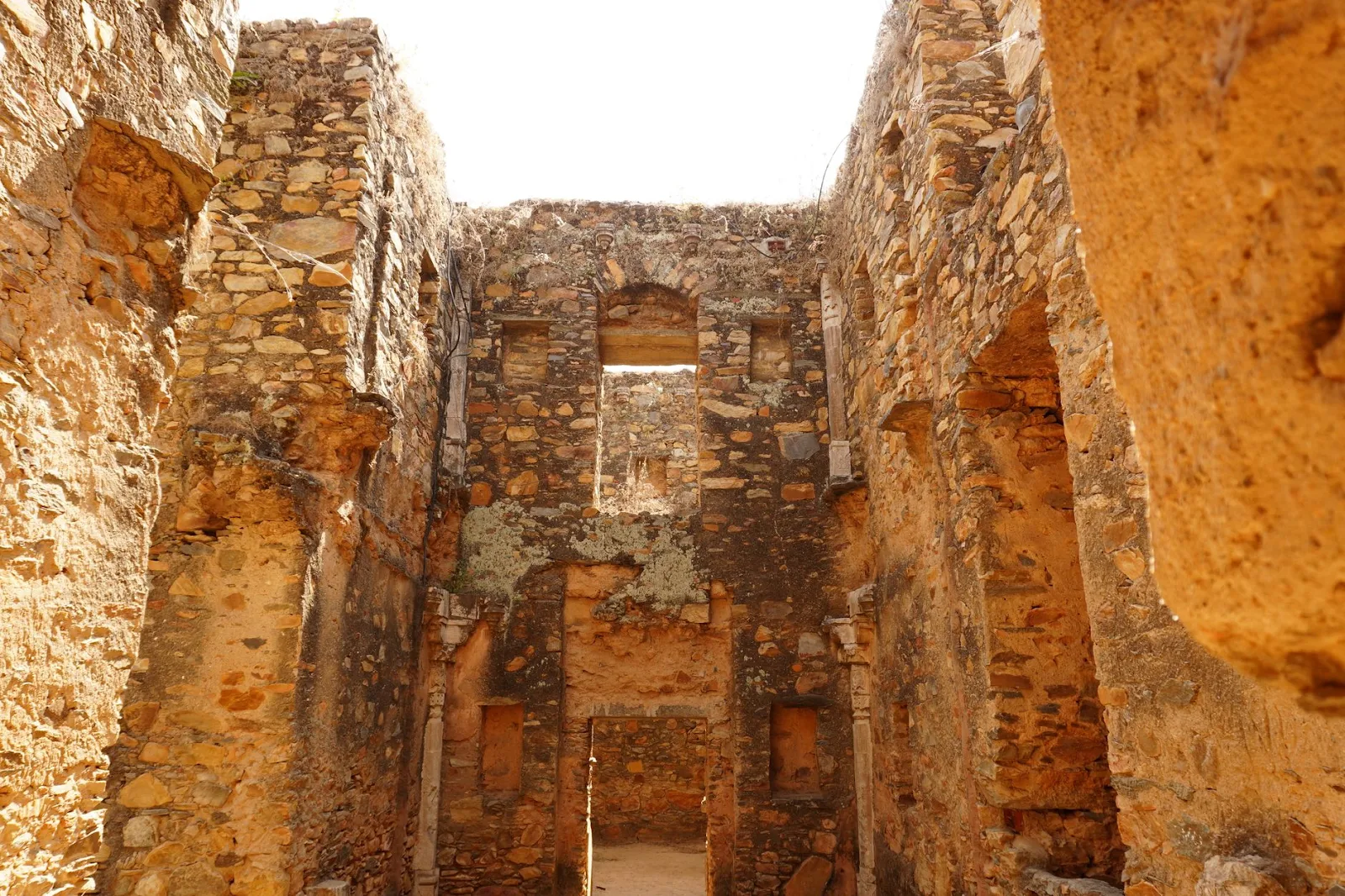
For anyone with even a fleeting passion for ancient history, Kalibangan is an absolute mecca. Located on the southern banks of the Ghaggar River, this unassuming village holds the keys to one of the world's oldest urban civilizations—the Indus Valley Civilization (IVV). Discovered in the early 1950s, Kalibangan translates literally to "black bangles," a reference to the numerous broken terracotta bangles scattered across the arid soil of the region.
When you visit the Kalibangan Archaeological Site, you are walking through the exact grid-patterned streets that Harappans walked over 4,500 years ago. You can see the remains of fortified citadels, residential quarters, sophisticated drainage systems, and evidence of the world's earliest documented plowed agricultural field. Right next to the excavation site stands the Kalibangan Museum, which houses an incredible collection of unearthed artifacts, including terracotta pottery, copper seals, weights, toys, and skeletal remains. It is an educational and deeply humbling experience that ranks high among the best places to visit in Hanumangarh.
Key Highlights
- Pivotal Indus Valley Civilization site showing advanced ancient urban planning and grid systems.
- Remnants of the world’s earliest known plowed field, showcasing ancient agricultural innovations.
- Well-curated on-site museum displaying terracotta artifacts, beads, coins, and tools.
- Quiet, reflective atmosphere allowing visitors to connect deeply with ancient human history.
Practical Information
- Location: Pilibangan Tehsil, approximately 30 km from Hanumangarh Junction.
- Timings: 9:30 AM to 5:00 PM (Closed on Fridays and national holidays).
- Entry Fee: Nominal fee for the museum (around INR 5–10 per person).
- Time Needed: 3 hours.
3. Gogamedi Temple

Imbued with deep spiritual significance and vibrant cultural fervor, the Gogamedi Temple is one of the most revered shrines in northern Rajasthan. Dedicated to Guru Gogaji, a legendary 12th-century warrior-saint worshipped as a snake-god (snake savior) by Hindus and Muslims alike, this temple is a powerful symbol of communal harmony and faith. Gogaji, also known as Jahir Peer, is revered across Rajasthan, Punjab, Haryana, and Uttar Pradesh.
The temple architecture boasts a beautiful blend of Hindu and Islamic styles, featuring a grand dome and intricate minarets. While visiting the temple on any ordinary day offers a peaceful, meditative environment, visiting during the annual Gogaji Fair (held in the month of Bhadrapada, usually August or September) is a transformative cultural experience. Millions of devotees gather here to offer prayers, sing devotional hymns (Goga Jaatar), and witness traditional folk performances. It is a culturally rich destination that should not be missed when exploring Hanumangarh.
Key Highlights
- Sacred memorial shrine dedicated to the revered medieval warrior-saint Guru Gogaji.
- Striking architectural design combining traditional Hindu and Islamic structural elements.
- Vibrant annual Gogamedi Fair that attracts millions of pilgrims and cultural enthusiasts.
- Deep spiritual ambiance filled with folk music, devotional prayers, and local traditions.
Practical Information
- Location: Nohar Tehsil, approximately 80 km from Hanumangarh Town.
- Timings: 5:00 AM to 9:00 PM, open daily.
- Entry Fee: Free entry.
- Time Needed: 2 hours (excluding travel time).
4. Silwala Khurd

If you want to experience the raw, untouched beauty of rural Rajasthan, make your way to Silwala Khurd. This picturesque village represents the quintessential charm of the Thar Desert fringes, complete with rolling sand dunes, traditional mud-brick houses (bhungas), and warm hospitality from the local agrarian community. Unlike heavily commercialized tourist spots, Silwala Khurd offers an authentic, slow-paced travel experience.
Travelers flock to Silwala Khurd for its serene desert landscapes, perfect for catching unforgettable sunrises and sunsets over golden sand dunes. It is also an exceptional spot for birdwatching during the winter months, as migratory birds frequent the nearby water bodies and agricultural fields. Engaging with local villagers, listening to traditional Rajasthani folk tales around a village bonfire, and witnessing traditional rural life make Silwala Khurd a refreshing addition to your Hanumangarh itinerary.
Key Highlights
- Untouched desert landscapes featuring serene sand dunes away from city crowds.
- Exceptional sunset and sunrise photography opportunities in a peaceful environment.
- Authentic glimpse into rural Rajasthani village life and traditional mud architecture.
- Great spot for observing migratory birds during the cooler winter months.
Practical Information
- Location: Bhadra Tehsil region, accessible via district roads from Hanumangarh.
- Timings: Accessible all day; best visited during early morning or late afternoon.
- Entry Fee: Free.
- Time Needed: 2 to 3 hours.
5. Shila Mata Temple
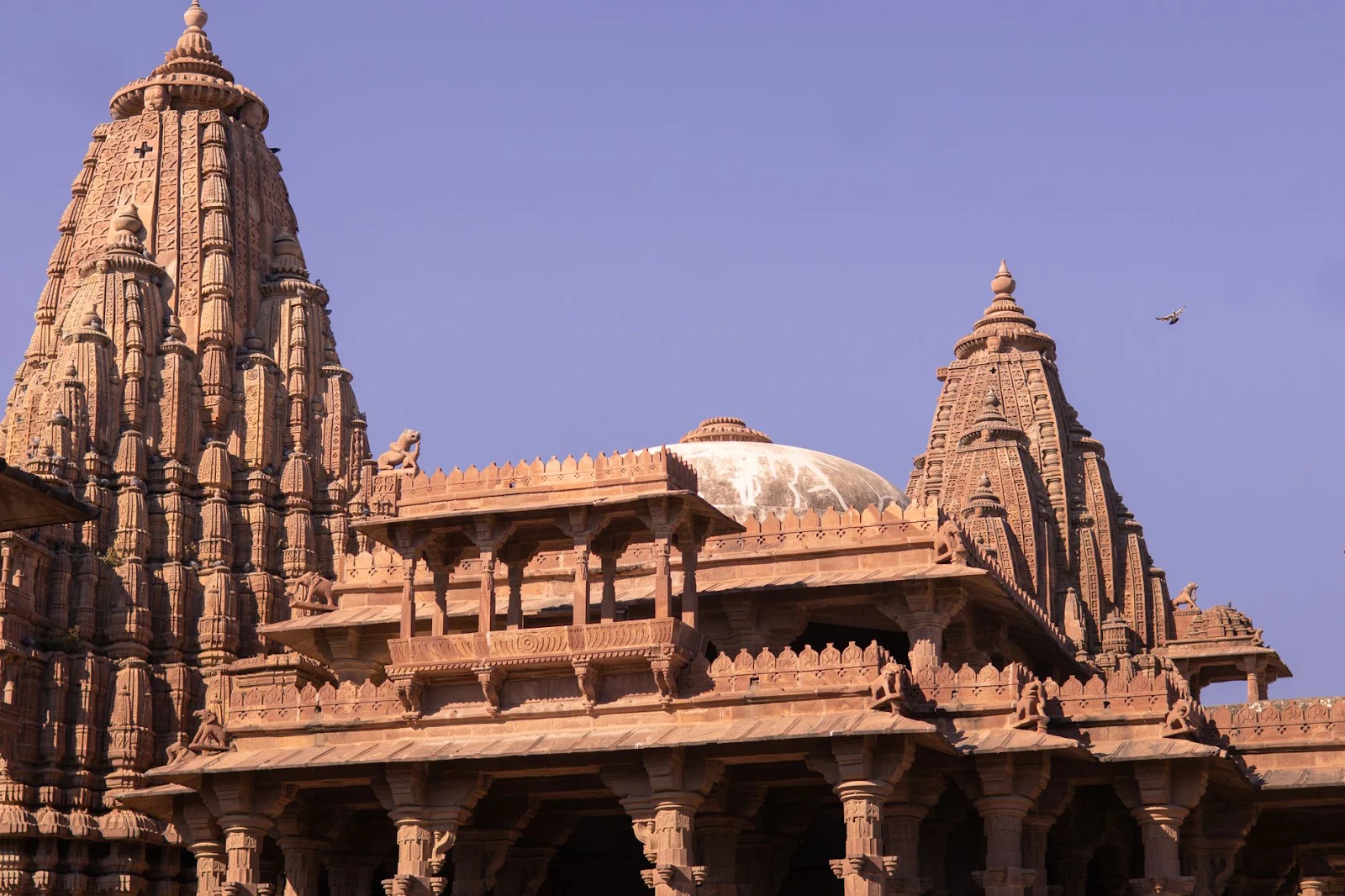
Concluding our top list of places to visit in Hanumangarh is the serene and spiritually uplifting Shila Mata Temple. Situated in a tranquil corner of the district, this temple is dedicated to Goddess Durga in her form as Shila Mata. It holds a special place in the hearts of local residents, who flock here regularly to seek divine protection, prosperity, and peace.
The temple complex is immaculately maintained, surrounded by lush green trees and manicured gardens that provide a soothing counterpoint to the desert climate of Rajasthan. During festivals like Navratri, the temple comes alive with vibrant decorations, glowing oil lamps, and devotional chanting that echoes long into the evening. Whether you are seeking spiritual solace, architectural appreciation, or simply a quiet place to meditate during your travels, the Shila Mata Temple offers a deeply comforting atmosphere.
Key Highlights
- Peaceful pilgrimage site dedicated to Goddess Shila Mata (Durga).
- Beautifully landscaped gardens and quiet courtyards ideal for meditation and relaxation.
- Grand celebrations and special prayer ceremonies during the bi-annual Navratri festivals.
- Warm, welcoming community atmosphere with friendly temple priests and locals.
Practical Information
- Location: Near Hanumangarh Town, easily accessible via local auto-rickshaws or cabs.
- Timings: 6:00 AM to 8:30 PM, daily.
- Entry Fee: Free.
- Time Needed: 1 to 2 hours.
Best Time to Visit Hanumangarh
Planning your trip during the right season can make all the difference in your travel experience, especially in a region influenced by the Thar Desert climate. The ideal time to explore the top tourist places in Hanumangarh is during the winter months, spanning from October to March.
During this period, daytime temperatures hover comfortably between 15°C and 25°C, making it exceptionally pleasant for outdoor sightseeing, historical walking tours, and desert exploration. The evenings can get quite chilly, often dropping below 10°C, so packing light woolens and jackets is strongly recommended. Avoid visiting between April and June, as summer temperatures frequently soar above 45°C, making daytime travel exhausting and harsh. The monsoon season (July to September) brings moderate rainfall and lush green surroundings, which is also a pleasant alternative if you prefer fewer crowds and verdant landscapes.
How-to-Reach Hanumangarh
Hanumangarh is well-connected to major cities in Rajasthan and neighboring states like Punjab, Haryana, and Delhi via an efficient network of roads and railways. Here is how you can easily reach your destination:
- By Air: The nearest major commercial airport is Sri Guru Ram Dass Jee International Airport in Amritsar or Jaipur International Airport, though domestic travelers often prefer flying into New Delhi (IGI Airport), which is roughly 350 km away, and completing the journey by train or road.
- By Train: Hanumangarh Junction (HMH) is a major railway station on the Northern Railway network. It enjoys direct train connectivity with New Delhi, Jaipur, Jodhpur, Bikaner, Bathinda, and Sri Ganganagar through daily express and superfast trains.
- By Road: Hanumangarh is connected by an extensive network of National and State Highways (such as NH 62). State-run buses (RSRTC) and private luxury Volvo coaches operate regular services from Delhi, Jaipur, Chandigarh, Bikaner, and Hisar. You can also hire private cabs for a comfortable road trip.
Local Food to Try in Hanumangarh
No travel journey through Rajasthan is complete without indulging in its rich, hearty, and aromatic culinary traditions. Hanumangarh's cuisine reflects a delightful fusion of traditional Rajasthani flavors and Punjabi influences due to its geographical proximity to the border.
- Dal Baati Churma: The undisputed king of Rajasthani cuisine. Hard wheat rolls (baati) baked over open coals, served with rich lentil curry (dal) and sweet crumbled wheat (churma) heavily laden with pure ghee.
- Gatte ki Sabzi: Spiced gram flour (besan) dumplings cooked in a tangy, yogurt-based gravy infused with traditional Indian spices. It pairs wonderfully with hot bajra (pearl millet) rotis.
- Bajra Roti with Lasun Chutney: A winter staple in rural Rajasthan. Coarse pearl millet flatbread served alongside a fiery, pungent garlic and red chili chutney that warms you up instantly.
- Ker Sangri: A unique desert delicacy made from wild berries (ker) and dried beans (sangri) sautéed with spices in mustard oil. It has a long shelf life and an unforgettable tangy flavor.
- Makhani Lassi & Rabri: Cool down after a day of sightseeing with a tall glass of thick, creamy lassi topped with a generous layer of malai (cream) or sweet rabri.
10 Essential Travel Tips for Hanumangarh
- Dress Modestly: When visiting religious sites like Gogamedi and Shila Mata Temple, dress conservatively, keeping shoulders and knees covered.
- Stay Hydrated: Always carry a reusable water bottle, especially if you are visiting historical ruins or desert areas during sunny afternoons.
- Hire a Local Guide: At archaeological sites like Kalibangan and Bhatner Fort, hiring an authorized local guide enhances your understanding of the deep history.
- Carry Sun Protection: Sunglasses, sunscreen, and a wide-brimmed hat or cap are absolute essentials even during the milder winter months.
- Plan Transportation in Advance: Auto-rickshaws and local cabs are readily available at Hanumangarh Junction, but negotiating fares beforehand is recommended.
- Respect Local Customs: Always ask for permission before photographing local villagers or traditional dwellings in rural areas like Silwala Khurd.
- Try Street Food Hygienically: Enjoy local street treats at clean, reputed stalls to keep your stomach happy throughout your trip.
- Book Accommodations Early: If visiting during festival seasons like the Gogamedi Fair, book your hotels well in advance as rooms fill up quickly.
- Carry Cash: While digital payments are widely accepted in Hanumangarh Town, keep adequate cash handy when traveling to remote villages or rural temples.
- Wear Comfortable Footwear: Expect plenty of walking on uneven brick paths at Bhatner Fort and dirt trails at Kalibangan, so sturdy walking shoes are a must.
Suggested 2-Day Itinerary
Day 1: Ancient History & Fortresses
- 08:30 AM - 11:30 AM: Start your morning exploring the majestic Bhatner Fort. Take your time walking along the historic ramparts and admiring the ancient brick architecture.
- 11:30 AM - 12:30 PM: Head back into Hanumangarh Town for a traditional Rajasthani thali lunch featuring authentic local flavors.
- 01:30 PM - 04:30 PM: Drive out to the Kalibangan Archaeological Site and Museum to immerse yourself in Indus Valley Civilization history.
- 05:00 PM - 07:00 PM: Return to town and spend a peaceful evening visiting the serene Shila Mata Temple for twilight prayers.
- 08:00 PM: Enjoy a cozy dinner at a local rooftop restaurant, sampling regional specialties like Gatte ki Sabzi.
Day 2: Rural Landscapes & Spiritual Sanctuaries
- 08:00 AM - 11:30 AM: Take an early morning drive to explore the rustic charm and serene sand dunes of Silwala Khurd village.
- 11:30 AM - 01:30 PM: Travel towards Nohar Tehsil to visit the famous Gogamedi Temple.
- 01:30 PM - 02:30 PM: Savor a hearty Punjabi-Rajasthani meal at a highway dhaba near Gogamedi.
- 02:30 PM - 04:30 PM: Explore local bustling bazaars in Hanumangarh Junction to shop for traditional handicrafts, textiles, and local sweets.
- 06:00 PM: Head back to Hanumangarh railway station or bus terminal for your onward journey, carrying memories of an incredible trip.
Frequently Asked Questions (FAQs)
- What is Hanumangarh famous for?
Hanumangarh is famous for its ancient historical landmarks, particularly Bhatner Fort (one of India's oldest forts) and Kalibangan, a major excavated site of the Indus Valley Civilization. - How far is Hanumangarh from Jaipur?
Hanumangarh is approximately 390 km away from Jaipur. It takes around 7 to 8 hours to reach by road or train. - Is Hanumangarh safe for solo travelers?
Yes, Hanumangarh is generally a very safe destination for solo and family travelers. Standard travel precautions should still be observed after dark. - Can we visit Kalibangan without a guide?
Yes, you can explore the site independently, but hiring an on-site guide significantly enriches your understanding of the archaeological ruins. - What languages are spoken in Hanumangarh?
Hindi, Marwari, Bagri, and Punjabi are the primary languages spoken by locals in the Hanumangarh district. - Are there good hotels available in Hanumangarh?
Yes, Hanumangarh offers a range of comfortable budget hotels, mid-range guesthouses, and homestays catering to diverse traveler preferences. - What is the best way to commute locally within Hanumangarh?
Auto-rickshaws, cycle-rickshaws, and rented cabs are the most convenient modes of local transportation for getting around town and nearby attractions. - Is photography permitted inside Bhatner Fort?
Yes, photography is fully permitted inside Bhatner Fort and surrounding exterior areas, making it a dream location for shutterbugs.
Conclusion
Hanumangarh may not always top mainstream commercial tourist itineraries, but therein lies its greatest magic. It is a destination that rewards the curious traveler with unadulterated history, deep spirituality, warm rural hospitality, and sights that most tourists never get to see. From standing atop the wind-swept battlements of Bhatner Fort to touching the ancient bricks of the Indus Valley Civilization at Kalibangan, every moment spent here connects you deeply to the roots of human civilization. So, pack your bags, step off the beaten tourist trail, and discover the timeless charm of Hanumangarh on your next Indian adventure. Safe travels!



0 Comments