
Top 5 Places to Visit in Chamba, Himachal Pradesh: Your Ultimate Travel Guide
Nestled in the lap of the mighty Himalayas, far away from the chaotic bustle of typical tourist hotspots, lies Chamba—a timeless wonderland of ancient temples, lush green valleys, and meandering rivers. If you are planning your next mountain escape and searching for the best places to visit in Chamba, Himachal Pradesh, you have landed on the absolute right page. As an avid travel blogger who has explored every nook and cranny of this breathtaking district, I can tell you that Chamba is not just a destination; it is an emotion. Located on the banks of the pristine Ravi River, this erstwhile princely state boasts a rich heritage dating back to the 6th century. Unlike its bustling neighbor Manali, Chamba has remarkably managed to preserve its old-world charm, rustic wooden architecture, and deeply rooted cultural traditions. As you drive through the winding mountain roads flanked by towering pine forests and snow-capped peaks, the crisp mountain air fills you with an unmistakable sense of peace. Whether you are a history buff fascinated by ancient stone temples adorned with intricate carvings, a nature lover seeking solitude in alpine meadows, or an adventure seeker eager to trek through untouched trails, Chamba offers a soul-stirring experience for every kind of traveler. Join me as we uncover the top tourist places in Chamba, Himachal Pradesh, along with insider tips on the best local food, ideal travel times, and a meticulously crafted two-day itinerary to make your journey unforgettable.
Table of Contents
- 1. Bhuri Singh Museum
- 2. Khajjiar – The Mini Switzerland of India
- 3. Laxmi Narayan Temple Complex
- 4. Chaurasi Temples of Bharmour
- 5. Manimahesh Lake
- Best Time to Visit Chamba
- How to Reach Chamba
- Local Food to Try in Chamba
- Essential Travel Tips
- Suggested 2-Day Itinerary
- Frequently Asked Questions (FAQs)
- Conclusion
1. Bhuri Singh Museum

Overview
Stepping into the Bhuri Singh Museum is like stepping through a portal into the royal past of the Chamba region. Established in 1908, this remarkable cultural repository was named after Raja Bhuri Singh, who ruled Chamba at the time and generously donated his family's art collection to the public. Situated in the heart of the town, the museum is a treasure trove for history enthusiasts and art lovers alike. It houses an extensive collection of exquisite Basohli and Guler miniature paintings, royal portraits, ancient coins, traditional wooden carvings, and inscriptions in the local Takri script. Visiting this museum provides profound context to your exploration of the top tourist places in Chamba, Himachal Pradesh.
Things to Do
Spend a quiet afternoon admiring the intricate details of the miniature paintings that depict scenes from Hindu epics and the royal court life of Chamba's kings. Examine the fascinating collection of historical artifacts, including copper plate grants dating back to the 7th century that offer a glimpse into the region's ancient land revenue systems. You can also shop for authentic Chamba Rumals (hand-embroidered traditional handkerchiefs showcasing double-sided needlework) from authorized craft shops near the museum premises.
Traveler Tips
The museum is open from Tuesday to Sunday, typically between 10:00 AM and 5:00 PM, and remains closed on Mondays and national holidays. Photography is strictly prohibited inside the main galleries to preserve the delicate paintings, so make sure to capture your memories mentally. Hire a local guide if possible, as their stories bring the silent exhibits to life with incredible historical anecdotes.
2. Khajjiar – The Mini Switzerland of India

Overview
No list of the best places to visit in Chamba, Himachal Pradesh, is ever complete without mentioning the breathtaking saucer-shaped meadow of Khajjiar. Often hailed as the "Mini Switzerland of India," this picturesque destination sits gracefully at an altitude of 6,500 feet, surrounded by dense deodar forests and majestic snow-clad Himalayan peaks. The centerpiece of Khajjiar is a small, serene lake fed by perennial streams, featuring a floating island right in its middle. In 1992, the Vice-Chancellery and Head of Chancery of Switzerland in India, Mr. Willy Blazer, officially named Khajjiar as the mini Switzerland, even placing a signpost indicating the exact distance from Bern, the Swiss capital.
Things to Do
Indulge in leisurely walks around the meadow, breathing in the therapeutic scent of pine needles. For thrill-seekers, Khajjiar offers exciting activities like zorbing, paragliding, and horse riding across the lush green expanse. Do not miss visiting the ancient 12th-century Khajji Nag Temple located right by the meadow, which is dedicated to the serpent god and showcases unique architecture blending Hindu and Mughal styles.
Traveler Tips
Wear comfortable walking shoes as exploring the sprawling meadow involves a fair bit of walking on uneven terrain. Weather in the mountains can be notoriously unpredictable, so always carry a light jacket or woolen wrap, even during the summer months. If you wish to experience tranquil solitude, try reaching the meadow early in the morning before the day-trippers arrive from Dalhousie.
3. Laxmi Narayan Temple Complex

Overview
Dominating the spiritual landscape of the town, the Laxmi Narayan Temple Complex is the oldest and largest temple cluster in Chamba. Commissioned in the 10th century by Raja Sahil Varman to honor Lord Vishnu and Lord Shiva, this architectural marvel is constructed in the classic Nagara style of temple architecture. The complex consists of six principal shrines, each featuring remarkably carved stone towers, pillared mandapas, and sloped wooden roofs designed to protect the structures from heavy winter snow. Standing inside this sacred courtyard transports you back a thousand years, making it an essential stop among the top tourist places in Chamba, Himachal Pradesh.
Things to Do
Take your time admiring the exquisite stone sculptures and sanctums, particularly the main idol of Lord Vishnu made of rare shining marble brought from the Vindhya mountains. Attend the soul-stirring evening *aarti* (prayer ceremony), where the sound of ringing bells and chanting reverberates through the ancient stone walls, creating an intensely spiritual ambiance.
Traveler Tips
Modest clothing covering your shoulders and knees is mandatory as this is an active place of worship. You will need to remove your footwear outside the temple complex gates, so wearing slip-on shoes makes the process much more convenient. Photography is generally not allowed inside the inner sanctums out of respect for religious sentiments, so please respect local guidelines.
4. Chaurasi Temples of Bharmour

Overview
Located about 65 kilometers from Chamba town in the picturesque Bharmour valley lies the mystical Chaurasi Temple Complex. "Chaurasi" translates to eighty-four in Hindi, representing the 84 sacred shrines that dot a large open courtyard. According to local legend, 84 yogis visiting the region on their way to Manimahesh halted here and were so deeply enchanted by the peaceful vibrations of the valley that they chose to reside here in spiritual devotion. Built in the 7th century, this complex is an archaeological wonder and one of the most revered pilgrimage and heritage sites in the entire state, earning its spot among the best places to visit in Chamba, Himachal Pradesh.
Things to Do
Wander through the cluster of ancient stone temples, notable among them being the Manimahesh Temple dedicated to Lord Shiva, the Lakshna Devi Temple known for its magnificent 7th-century wooden image of the goddess, and the Ganesha Temple with its distinct brass idol. Engage with local priests and elders who are often more than happy to share fascinating folklores associated with the yogis and Lord Shiva.
Traveler Tips
The journey from Chamba to Bharmour involves driving along narrow, winding mountain roads, so travelers prone to motion sickness should take necessary precautions. Winters in Bharmour are intensely cold with heavy snowfall, making the period between May and October the most accessible and comfortable time to visit.
5. Manimahesh Lake
Overview
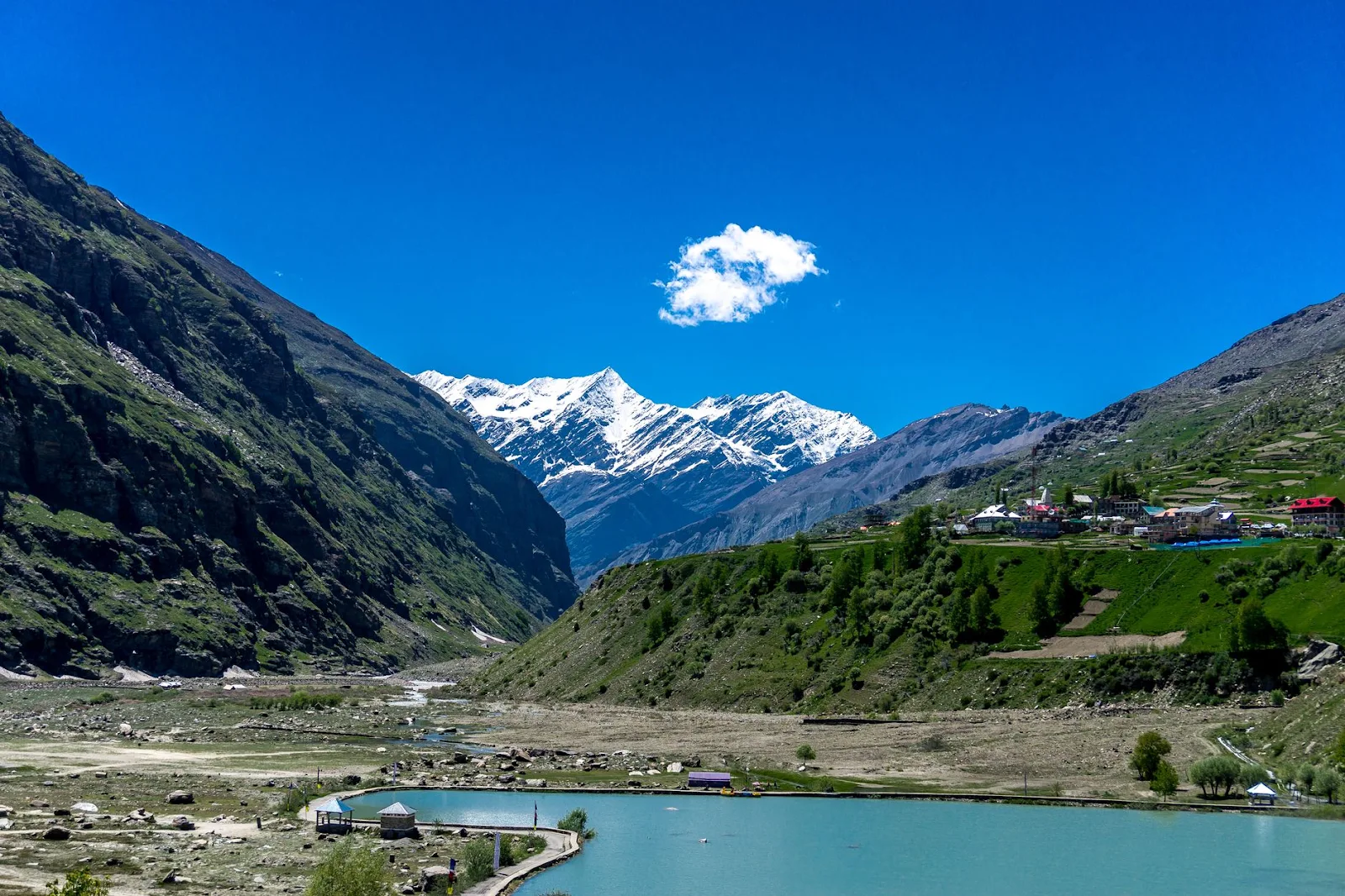
Perched at a staggering altitude of 4,080 meters above sea level at the foot of the sacred Mount Kailash (locally known as Manimahesh Kailash), Manimahesh Lake is a high-altitude glacial tarn of immense religious and natural significance. For millions of devout Hindus, this pristine lake is considered as sacred as Lake Mansarovar in Tibet. Surrounded by barren, rugged peaks that mirror into its crystal-clear emerald waters, the atmosphere here is profoundly ethereal and deeply spiritual. It stands out as one of the most magnificent and adventurous top tourist places in Chamba, Himachal Pradesh, for seasoned trekkers.
Things to Do
Embark on the challenging yet rewarding Manimahesh trek, which usually commences from Hadsar or Bharmour and spans over three days of strenuous walking through alpine forests, roaring streams, and dramatic mountain landscapes. Witness the holy pilgrimage festival of Manimahesh Yatra held annually in August or September, where thousands of devotees gather to take a holy dip in the freezing glacial waters.
Traveler Tips
This is a high-altitude trek that demands a high level of physical fitness and proper acclimatization to prevent altitude sickness. Carry heavy woolen garments, waterproof jackets, sturdy trekking boots, trekking poles, and a basic first-aid kit with essential medicines. Never attempt this trek alone during off-seasons or inclement weather conditions without an experienced local guide.
Best Time to Visit Chamba
Choosing the right time to visit can completely transform your mountain holiday. Chamba experiences distinct seasons, each offering a unique charm for travelers.
Summer (March to June): This is universally considered the best time to visit Chamba, Himachal Pradesh. The weather remains pleasantly warm during the day with temperatures hovering between 15°C and 25°C, while nights are delightfully cool. This period is ideal for sightseeing, trekking, exploring outdoor meadows, and attending the famous Minjar Fair held in July or August.
Monsoon (July to September): While the monsoon paints the entire district in vibrant shades of emerald green with roaring waterfalls cascading down hillsides, it is also accompanied by heavy rainfall. Landslides can occasionally disrupt travel on mountain highways, so it is wise to check weather forecasts before planning a trip during these months.
Winter (October to February): If you love snow-covered landscapes, cozy evenings, and witnessing white winters, this is the time to go. Temperatures frequently drop below freezing point, especially in higher altitude areas like Bharmour and Khajjiar. Heavy snowfall can block high mountain passes, but Chamba town remains accessible and offers an incredibly peaceful, tourist-free environment.
How to Reach Chamba
Planning your journey to this Himalayan paradise is relatively straightforward with multiple transport options available.
By Air: The nearest operational airport is Kangra Airport (Gaggal) in Dharamshala, located approximately 120 kilometers away from Chamba town. From the airport, you can easily hire a private taxi or board a state transport bus to reach Chamba while enjoying scenic valley views along the route.
By Train: Chamba does not have its own railway station. The nearest major railhead is Pathankot Junction (PTK) or Pathankot Cantonment, situated around 120 kilometers away. Pathankot is well-connected by regular express and superfast trains to major Indian cities like Delhi, Chandigarh, and Jammu. Taxis and buses are readily available outside the railway station.
By Road: Road travel is the most popular and scenic way to reach Chamba. Excellent national and state highways connect Chamba to major northern cities like Delhi (approx. 560 km), Chandigarh (approx. 360 km), and neighboring hill stations like Dalhousie (approx. 50 km) and Dharamshala. Himachal Road Transport Corporation (HRTC) runs comfortable overnight Volvo and deluxe buses from Delhi and Chandigarh directly to Chamba.
Local Food to Try in Chamba
A travel experience is never truly complete without savoring the authentic flavors of the region. Himachali cuisine is hearty, aromatic, and heavily influenced by the mountain climate and local agricultural produce.
- Madra: A signature Himachali dish consisting of chickpeas (chana) or kidney beans slow-cooked in a rich, flavorful gravy made of curd, ghee, and aromatic spices like cardamom, cloves, and cinnamon.
- Dhaam: A complete traditional community feast prepared during festivals and weddings, featuring lentils, rice, sweet and sour dal, and curd-based gravies served gracefully on disposable leaf plates (*pattal*).
- Chana Madra: Specifically beloved in Chamba, this sweet and savory chickpea preparation is a staple during special celebratory occasions.
- Siddu: A traditional wheat-based steamed bread stuffed with a savory paste of mashed lentils, walnuts, or poppy seeds, generously served piping hot with dollop of pure desi ghee.
- Aktori: A delicious festive pancake made from buckwheat flour, popular across higher altitude regions of Himachal Pradesh.
- Khatta Meat: A tangy mutton delicacy prepared with black gram and dry mango powder (*amchur*) or tamarind, offering a burst of rustic flavors.
Essential Travel Tips
- Always carry warm woolen clothing and a windproof jacket, as Himachali evenings can turn chilly even during the summer months.
- Keep cash handy, as many small local handicraft shops, tea stalls, and remote village homestays in Chamba do not accept digital payments or credit cards.
- Respect local religious customs, traditions, and temple etiquettes by dressing modestly and removing shoes before entering sacred premises.
- Carry motion sickness medication if you or your travel companions are prone to dizziness on winding mountain roads.
- Stay hydrated and carry reusable water bottles to minimize plastic waste in the fragile Himalayan ecosystem.
- Book your hotels and homestays in advance, especially if you plan to visit during peak summer months or festive periods like the Minjar Fair.
- Keep your valid government-issued photo ID handy, as security checks and hotel registrations require proper documentation.
- Hire authorized local guides when undertaking high-altitude treks like Manimahesh to ensure maximum safety and insightful storytelling.
- Protect yourself from strong mountain UV rays by wearing sunglasses, a wide-brimmed hat, and applying high-SPF sunscreen.
- Drive cautiously and yield the right of way to local buses and heavy transport vehicles on narrow mountain curves.
Suggested 2-Day Itinerary
If you are pressed for time and want to make the most of a quick weekend getaway, here is a well-optimized 2-day itinerary covering the top tourist places in Chamba, Himachal Pradesh.
Day 1: Heritage Exploration in Chamba Town
- Morning (9:00 AM - 11:30 AM): Begin your day with a peaceful visit to the historic Laxmi Narayan Temple Complex. Immerse yourself in the divine energy and marvel at the centuries-old stone architecture.
- Lunch (12:00 PM - 1:15 PM): Head to a local restaurant in Chamba town center to relish an authentic Himachali Thali featuring traditional dishes like Madra and Dal.
- Afternoon (1:30 PM - 3:30 PM): Walk over to the Bhuri Singh Museum to explore royal miniature paintings, ancient artifacts, and historical scripts that narrate Chamba's glorious past.
- Evening (4:00 PM - 6:30 PM): Stroll along the Ravi River banks or explore the bustling local market to shop for famous Chamba Rumals and authentic Himachali handicrafts. Enjoy a warm cup of local tea as the sun sets behind the hills.
Day 2: Meadow Magic in Khajjiar
- Morning (8:00 AM - 9:30 AM): Check out from your hotel in Chamba town and embark on a scenic 1-hour drive through pine-fringed mountain roads to reach Khajjiar.
- Late Morning (9:30 AM - 1:00 PM): Arrive at the iconic Khajjiar meadow. Spend your time enjoying zorbing, horse riding, and visiting the ancient Khajji Nag Temple by the lake.
- Lunch (1:00 PM - 2:00 PM): Enjoy a relaxing lunch at one of the cafes overlooking the meadow, savoring hot Maggi and local snacks amidst pine trees.
- Afternoon (2:30 PM - 5:00 PM): Depart from Khajjiar toward Dalhousie or Pathankot railway station to catch your return transport home, carrying unforgettable mountain memories.
Frequently Asked Questions (FAQs)
-
What is Chamba famous for?
Chamba is globally famous for its ancient stone and wood temples, exquisite miniature Pahari paintings, traditional Chamba Rumal embroidery, and the vibrant annual Minjar Fair.
-
How many days are enough to visit Chamba?
A duration of 3 to 4 days is ideal to explore Chamba town, Khajjiar, and nearby Bharmour comfortably. However, a 2-day trip works well if you focus purely on the major highlights.
-
Is Chamba safe for solo travelers?
Yes, Chamba is extremely safe and peaceful for solo travelers, including solo female travelers. The local Himachali population is warm, welcoming, and helpful.
-
Can we visit Chamba in winter?
Yes, Chamba town remains accessible in winter and offers stunning views of snow-capped mountains. However, higher regions like Khajjiar and Bharmour may experience heavy snowfall.
-
What is the nearest railway station to Chamba?
The nearest railway station to Chamba is Pathankot Junction, located approximately 120 kilometers away in Punjab.
-
Are there good hotels and homestays in Chamba?
Chamba offers a wide range of accommodation options, varying from luxury heritage hotels and comfortable mid-range resorts to cozy homestays.
-
What should I wear while visiting Chamba?
Light woolens are recommended for summer evenings, while heavy thermal wear, jackets, gloves, and caps are essential if you visit during winter.
-
When is the famous Minjar Fair held in Chamba?
The famous international Minjar Fair is typically held annually in the month of July or August at the historic Chaugan ground in Chamba town.
Conclusion
Chamba is a magnificent hidden gem of Himachal Pradesh that effortlessly weaves together spirituality, ancient heritage, and untamed natural beauty. From exploring the artistic wonders inside the Bhuri Singh Museum and paying respects at the timeless Laxmi Narayan Temple to witnessing the alpine splendor of Khajjiar and embarking on divine treks in Bharmour, this district offers an enriching escape from the mundane rhythms of modern life. As you plan your next mountain holiday, make sure Chamba is right at the top of your travel bucket list. Pack your bags, respect local traditions, embrace the slow mountain pace, and get ready to create memories that will warm your heart for a lifetime. Happy travels!



0 Comments