
Top 5 Places to Visit in Bastar, Chhattisgarh: The Ultimate Tribal Heartlands Guide
Welcome to Bastar, a land where time seems to slow down, and nature weaves an unbroken spell of emerald forests, roaring waterfalls, and vibrant indigenous traditions. Tucked away in the southern corner of Chhattisgarh, Bastar is often hailed as the cultural and ecological soul of Central India. If you are a traveler seeking an offbeat destination that remains untouched by commercial mass tourism, exploring the top tourist places in Bastar is an absolute must.
Historically known as a dense forest region with deep mythological roots tied to the Ramayana and Mahabharata, Bastar today is a fascinating confluence of rich biodiversity, ancient tribal heritage, and mesmerizing landscapes. From thundering waterfalls that rival the grandeur of Niagara to limestone caves that hide prehistoric secrets, the best places to visit in Bastar offer an unforgettable sensory experience. Whether you are an avid trekker, a culture enthusiast, or a photography lover searching for raw, unfiltered beauty, this region promises to captivate your imagination.
Planning a trip here means stepping into a world of colorful weekly haats (traditional markets), world-renowned Dhokra metal craft, and warm, welcoming local communities. In this comprehensive travel guide, we take you through the top 5 places to visit in Bastar, Chhattisgarh, along with essential travel tips, local culinary highlights, and a curated two-day itinerary to make your journey seamless and extraordinary.
Table of Contents
- 1. Chitrakote Waterfalls
- 2. Tirathgarh Waterfalls
- 3. Kanger Valley National Park & Kutumbsar Caves
- 4. Danteshwari Temple, Dantewada
- 5. Bastar Palace & Anthropological Museum, Jagdalpur
- Best Time to Visit Bastar
- How to Reach Bastar
- Local Food to Try in Bastar
- 10 Essential Travel Tips for Bastar
- Suggested 2-Day Itinerary
- Frequently Asked Questions (FAQs)
- Conclusion
1. Chitrakote Waterfalls

Overview
Often referred to as the 'Niagara of India', Chitrakote Waterfalls is undeniably the crown jewel of Bastar tourism. Located approximately 38 kilometers west of Jagdalpur, this majestic horseshoe-shaped waterfall plunges from a height of about 90 feet into the Indravati River. During the peak monsoon season, the river swells, expanding the width of the falls to nearly 300 meters, creating a thunderous roar and a dramatic spray that can be felt from afar.
Things to Do
Visitors can enjoy a thrilling boat ride right up to the roaring base of the falls (weather permitting), offering a misty and breathtaking perspective of the cascading water. Photography enthusiasts will find endless opportunities to capture panoramic shots, especially during sunrise and sunset when the sunlight hits the spray to form magnificent rainbows. You can also relax at the viewpoints managed by the Chhattisgarh Tourism Board or explore the nearby souvenir shops selling authentic Bastar handicrafts.
Practical Information
The entry to the waterfall area is nominally priced, and boating charges range between INR 200 to INR 500 per boat depending on water currents. There are decent restrooms, souvenir stalls, and a Chhattisgarh Tourism resort (Dandami Luxury Resort) nearby if you wish to stay overnight with a direct view of the falls.
2. Tirathgarh Waterfalls

Overview
Nestled deep within the lush expanse of the Kanger Valley National Park, Tirathgarh Waterfalls is a stunning multi-tier cascading wonder. The water drops from a height of about 300 feet in multiple streams over rocky, step-like formations, surrounded by dense evergreen foliage. This destination is widely celebrated as one of the best places to visit in Bastar for nature lovers and landscape photographers.
Things to Do
Take the concrete and rock-cut staircases down to the base of the waterfall to feel the refreshing mist and take a gentle wade in the shallow, crystal-clear pools formed by the cascading streams. Trekking enthusiasts can explore the surrounding forested trails that offer glimpses of unique flora and fauna. It is also a fantastic spot for a quiet picnic surrounded by the symphony of rushing water and chirping birds.
Practical Information
Tirathgarh is located about 35 kilometers from Jagdalpur on the Jagdalpur-Sukma highway. It is situated inside the Kanger Valley National Park sanctuary zone, so a nominal entry fee for vehicles and individuals is collected at the forest check-post. Visiting early in the morning ensures a peaceful experience before day-trippers arrive.
3. Kanger Valley National Park & Kutumbsar Caves
Overview
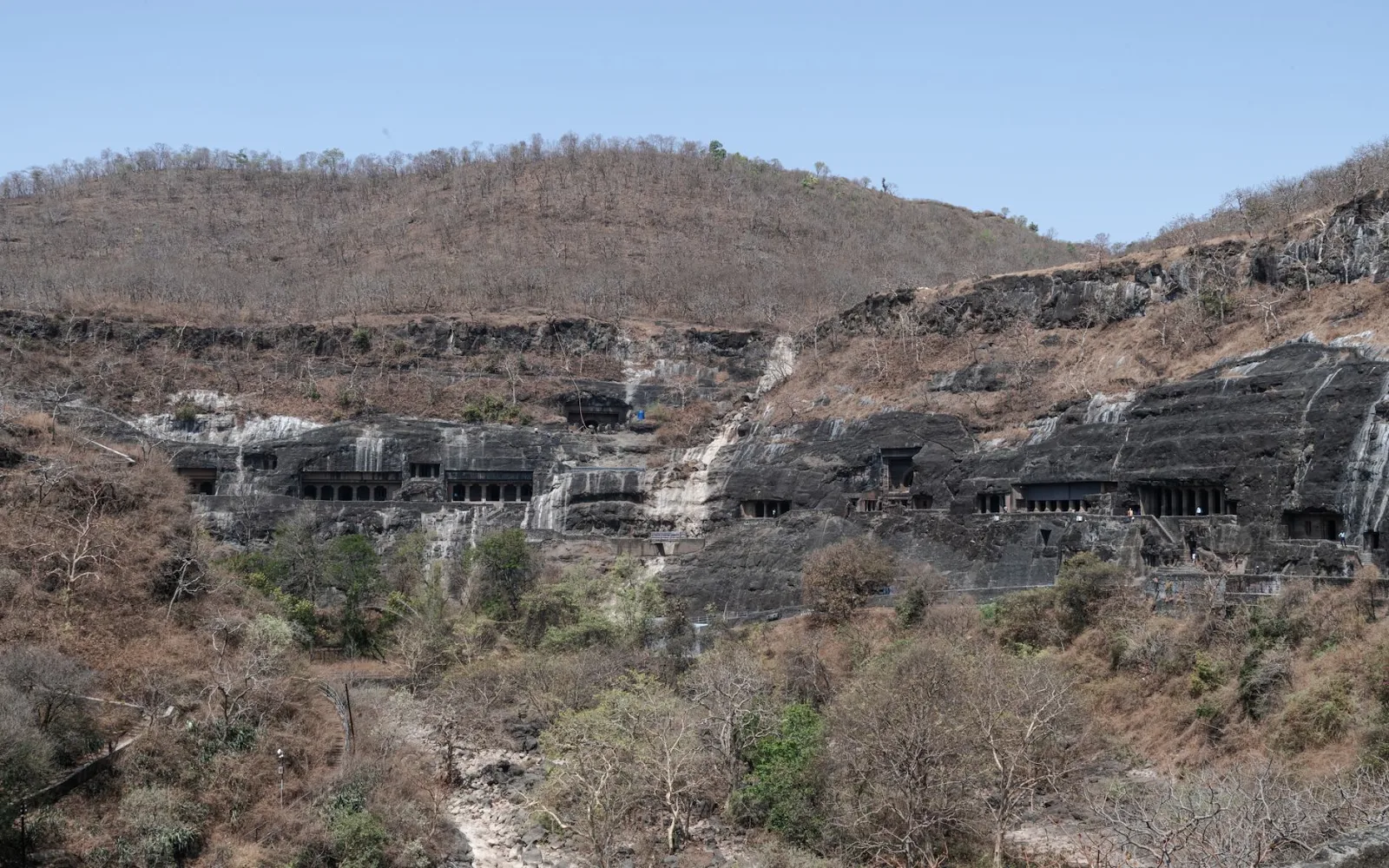
Spread across an area of approximately 200 square kilometers, Kanger Valley National Park is a biodiversity hotspot brimming with dense sal and teak forests, perennial streams, and fascinating subterranean wonders. Among its most famous attractions are the Kutumbsar Caves, which are subterranean limestone caves renowned for their magnificent stalactite and stalagmite formations. These caves are also home to a rare, blind species of fish found nowhere else in the world.
Things to Do
Embark on a guided safari through the park to spot wildlife such as the Bastar Hill Myna (the state bird), spotted deer, langurs, and leopards if you are exceptionally lucky. Descend into the depths of the Kutumbsar Caves or the nearby Kailash Gufa with a local tribal guide carrying torches or battery-operated lamps to witness nature’s geological artistry millions of years in the making.
Practical Information
Entry permits and mandatory local forest guides can be arranged at the park entrance. Guided cave exploration requires physical agility as parts of the caves involve crouching and walking on wet, uneven stone surfaces. Sturdy walking shoes and a waterproof jacket are highly recommended.
4. Danteshwari Temple, Dantewada
Overview
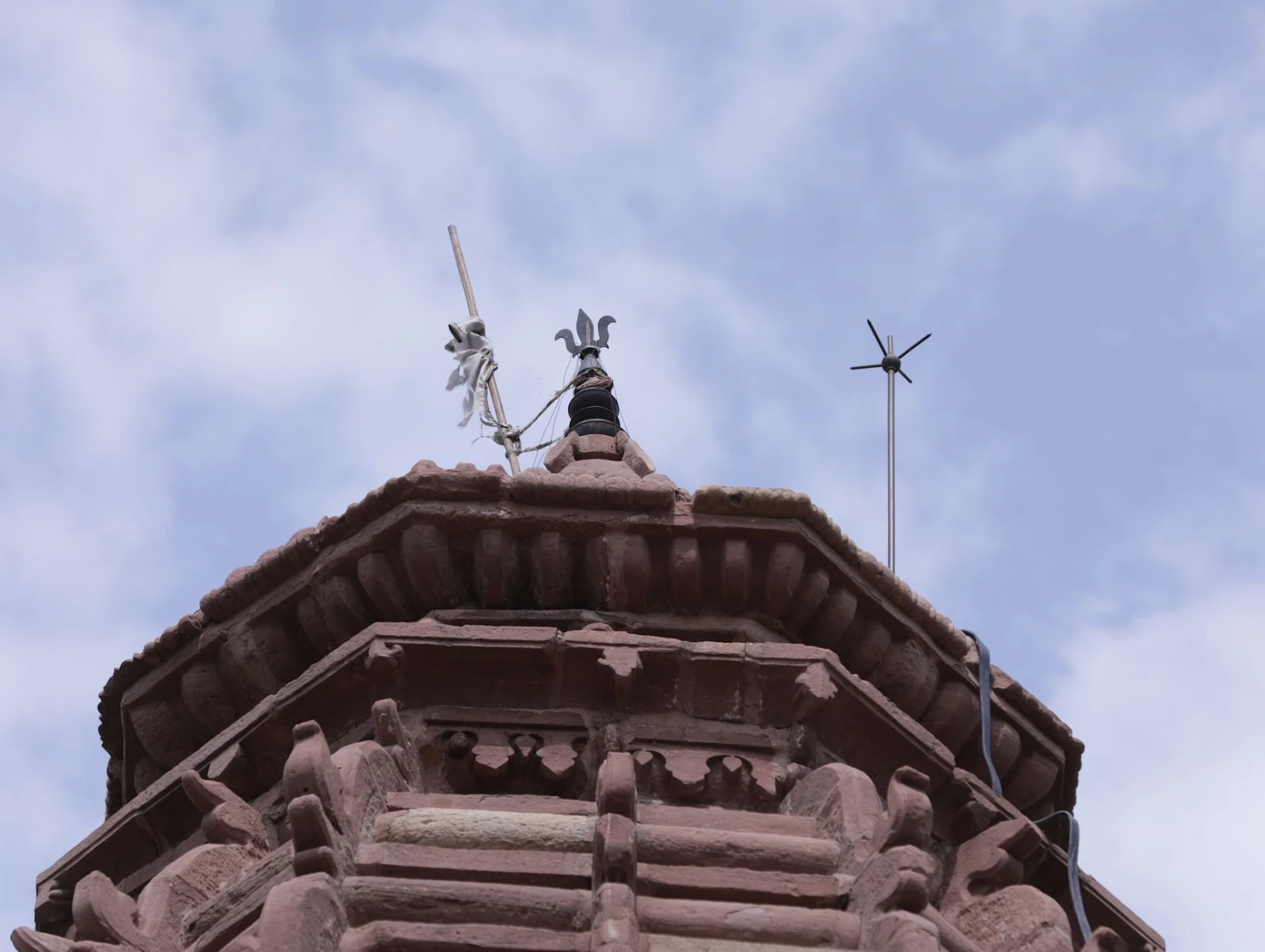
Located in the historical town of Dantewada, roughly 85 kilometers from Jagdalpur, the Danteshwari Temple is one of the 52 sacred Shakti Peethas in Hindu mythology. Dedicated to Goddess Danteshwari—the reigning deity of the Kakatiya rulers and the indigenous people of Bastar—this temple holds immense spiritual and cultural significance. The temple architecture features a blend of ancient stones and Dravidian styles, standing as a testament to the region's royal past.
Things to Do
Offer your prayers at the sanctum sanctorum and admire the intricate sculptures adorning the temple complex. If you happen to visit during the grand festival of Bastar Dussehra, you will witness the legendary tribal rituals where thousands of indigenous priests and villagers gather to honor the Goddess in a unique 75-day celebration that is vastly different from Dussehra celebrations elsewhere in India.
Practical Information
The temple is open daily from early morning till late evening. Modest clothing (traditional or conservative attire) is expected. Photography inside the main sanctum is strictly prohibited. Local eateries outside the temple complex serve simple vegetarian prasad and local snacks.
5. Bastar Palace & Anthropological Museum, Jagdalpur

Overview
To truly understand the historical narrative of the region, a visit to the Bastar Palace and the Anthropological Museum in Jagdalpur is essential. Built by the Kakatiya rulers when they shifted their capital to Jagdalpur, the palace reflects a bygone era of royalty and administrative history. Adjacent to this, the Anthropological Museum offers a deep dive into the lifestyle, art, weapons, and traditions of Bastar’s diverse tribal communities like the Maria, Muria, and Dhurvaa.
Things to Do
Stroll through the palace grounds to admire its old-world architectural charm. Inside the Anthropological Museum, examine carefully curated exhibits showcasing traditional tribal jewelry, hunting tools, musical instruments, agricultural implements, and ritualistic woodwork. It serves as an incredible educational hub for anyone looking to appreciate the anthropological wealth of Central India.
Practical Information
Both locations are situated right within Jagdalpur city, making them easily accessible via auto-rickshaws or local taxis. The museum is generally open from Tuesday to Sunday (closed on Mondays and national holidays) with a very nominal entry fee.
Best Time to Visit Bastar
The best time to plan your journey to Bastar is between the months of October and March. During this winter window, the weather is pleasantly cool, with daytime temperatures hovering around 20°C to 28°C, making outdoor sightseeing and trekking extremely comfortable.
If your primary goal is to witness the waterfalls at their absolute thunderous peak, plan your visit during the monsoon season (July to September). However, note that heavy rains can occasionally restrict access to certain interior forest trails and cave systems. Visiting in October also gives travelers a chance to experience the famous Bastar Dussehra festival.
How to Reach Bastar
Reaching Bastar has become increasingly convenient over the years with improved road and air connectivity:
- By Air: Jagdalpur has its own airport (Maharaja Yogiraj Narayan Singh Deo Airport) with scheduled flights connecting to Raipur and Hyderabad operated by alliance carriers. The nearest major international airport is Swami Vivekananda Airport in Raipur (approx. 300 km away).
- By Train: Jagdalpur Railway Station is well-connected via rail networks to major cities like Visakhapatnam, Raipur, and Kirandul. The scenic train journey through the mountain tunnels of the Kirandul-Visakhapatnam line is a visual treat.
- By Road: Excellent national and state highways connect Jagdalpur to Raipur, Visakhapatnam, and Hyderabad. Regular state-run buses, private luxury coaches, and self-drive cabs operate smoothly along these routes.
Local Food to Try in Bastar
Bastar's cuisine is deeply rooted in forest foraging and traditional tribal cooking techniques. When exploring the top tourist places in Bastar, make sure to sample these authentic local delicacies:
- Chaprah (Red Ant Chutney): A legendary local delicacy made by crushing red weaver ants with green chilies, garlic, and salt. It has a tangy, spicy flavor and is rich in protein and formic acid.
- Bastar Beer (Salfi): A refreshing, milky fermented sap tapped from fishtail palms, extremely popular among the local tribal communities.
- Mahua Delicacies: Foods and beverages prepared from the sweet, fragrant flowers of the Mahua tree, which hold sacred value in tribal culture.
- Traditional Rice Dishes: Various preparations of local indigenous red and brown rice varieties served with wild mushroom curries and forest greens.
10 Essential Travel Tips for Bastar
- Always hire a registered local guide when exploring deep forest areas like Kanger Valley and Kutumbsar Caves.
- Carry cash in small denominations, as digital payments and ATMs may not be readily available in remote tribal villages.
- Respect local tribal customs, traditions, and privacy. Always ask for permission before photographing indigenous people.
- Wear comfortable, breathable cotton clothing and sturdy trekking shoes for exploring waterfalls and caves.
- Keep a well-stocked first-aid kit, insect repellent, and personal medications handy, as medical stores can be scarce in interior regions.
- Book your accommodation in advance, especially if you plan to visit during the Bastar Dussehra festival season.
- Stay hydrated by carrying reusable water bottles; local tender coconuts are also widely available.
- Avoid venturing into forested or interior zones after dark without local escort or advisories.
- Support local artisans by purchasing authentic Dhokra metal craft, wrought iron work, and terracotta directly from village co-operatives.
- Keep offline maps downloaded on your smartphone, as mobile network connectivity can be intermittent in remote valleys.
Suggested 2-Day Itinerary
Day 1: Waterfalls and Subterranean Wonders
- 08:00 AM - 11:30 AM: Start your morning early by heading straight to the magnificent Chitrakote Waterfalls. Enjoy a boat ride and marvel at the sunrise mist.
- 11:30 AM - 01:00 PM: Drive towards Kanger Valley National Park, stopping along the way for a rustic local lunch.
- 01:00 PM - 04:00 PM: Explore the mesmerizing Kutumbsar Caves and soak in the natural beauty of Tirathgarh Waterfalls.
- 05:30 PM: Return to Jagdalpur, relax, and sample local street food or dinner in the city.
Day 2: Heritage, Culture, and Craft
- 09:00 AM - 11:00 AM: Visit the Bastar Palace and the Anthropological Museum in Jagdalpur to immerse yourself in tribal history.
- 11:30 AM - 02:00 PM: Take a day trip to Dantewada (approx. 2 hours drive) to visit the revered Danteshwari Temple.
- 02:00 PM - 03:30 PM: Enjoy lunch in Dantewada and interact with local craftsmen specializing in Dhokra art.
- 04:00 PM onwards: Head back to Jagdalpur, shop for authentic tribal souvenirs at the local market, and depart for your onward journey.
Frequently Asked Questions (FAQs)
Q1: Is Bastar safe for tourists to visit?
A: Yes, the main tourist circuits in Bastar—including Jagdalpur, Chitrakote, Tirathgarh, and Kanger Valley—are entirely safe and heavily frequented by travelers. Standard safety precautions for remote travel apply.
Q2: How many days are sufficient to explore Bastar?
A: A duration of 3 to 4 days is ideal to explore all major attractions comfortably, though a 2-day trip covers the absolute highlights.
Q3: Can I reach Bastar by train?
A: Yes, Jagdalpur has a railway station connected to major regional transport hubs like Visakhapatnam and Raipur.
Q4: What are the must-buy souvenirs from Bastar?
A: Dhokra metal craft (bell metal casting), wrought iron items, terracotta figurines, and tribal Kosa silk sarees are top souvenirs.
Q5: Are guides mandatory at Kutumbsar Caves?
A: Yes, hiring a local guide at the cave entrance is mandatory for safety and to navigate the dark limestone chambers.
Q6: Is vegetarian food easily available in Bastar?
A: Absolutely. While local tribal cuisine includes unique non-vegetarian items, standard vegetarian Indian and South Indian meals are widely available in Jagdalpur town.
Q7: Can I visit Bastar during the monsoons?
A: Yes, monsoons (July to September) are the best time to see the waterfalls in full force, though some forest tracks may experience temporary restrictions.
Q8: What language is spoken in Bastar?
A: Halbi and Bhatri are local tribal languages, but Hindi and Chhattisgarhi are widely understood and spoken across the region.
Conclusion
Bastar is far more than just a travel destination; it is an emotional and cultural awakening. From the thundering roar of Chitrakote and the serene depths of Kutumbsar to the spiritual aura of Dantewada and the intricate artistry of Dhokra craftsmen, every corner of this district tells a story of harmony between humanity and nature. If you are yearning for a journey that takes you off the beaten path and leaves you with profound memories, pack your bags and discover the magic of Bastar, Chhattisgarh, on your next holiday.



0 Comments