
Top 5 Places to Visit in Wayanad, Kerala, India
Nestled high among the emerald-clad slopes of the Western Ghats, Wayanad is a breathtaking paradise that effortlessly captures the raw, untouched essence of God's Own Country. If you are planning a rejuvenating escape from the relentless chaos of city life, exploring the top tourist places in Wayanad should sit firmly at the very top of your travel wishlist. This enchanting district in Kerala is a harmonious symphony of mist-shrouded mountains, cascading waterfalls, sprawling spice plantations, and deep historical roots that date back to the Stone Age. As you wind your way through the dizzying hairpin bends of the Thamarassery Ghat pass, the heavy scent of fresh coffee, cardamom, and pepper fills the air, welcoming you into a world where time slows down and nature reigns supreme. Wayanad is not merely a destination; it is an immersive sensory experience that calls out to solo backpackers, romantic couples, and families looking for a wholesome vacation alike. Whether you want to trek up ancient volcanic caves, witness panoramic sunrise views from dizzying heights, or simply unwind in a secluded treehouse nestled deep inside a dense rainforest, this region offers an incredible diversity of landscapes. From wildlife sanctuaries sheltering majestic Asian elephants to tranquil lakes reflecting the endless blue skies, the best places to visit in Wayanad promise memories that will linger long after you return home. In this comprehensive travel guide, we take you on an unforgettable journey through the top five must-visit attractions in this gorgeous hill station, complete with insider tips on the best local cuisine, optimal travel seasons, and a curated itinerary to help you make the absolute most of your upcoming Kerala holiday.
Table of Contents
- 1. Chembra Peak and Heart-Shaped Lake
- 2. Edakkal Caves
- 3. Banasura Sagar Dam
- 4. Soochipara Waterfalls (Sentinel Rock Waterfalls)
- 5. Wayanad Wildlife Sanctuary (Muthanga)
- Best Time to Visit Wayanad
- How to Reach Wayanad
- Local Food to Try
- 10 Essential Travel Tips for Wayanad
- Suggested 2-Day Itinerary
- Frequently Asked Questions (FAQs)
- Conclusion
1. Chembra Peak and Heart-Shaped Lake
Overview
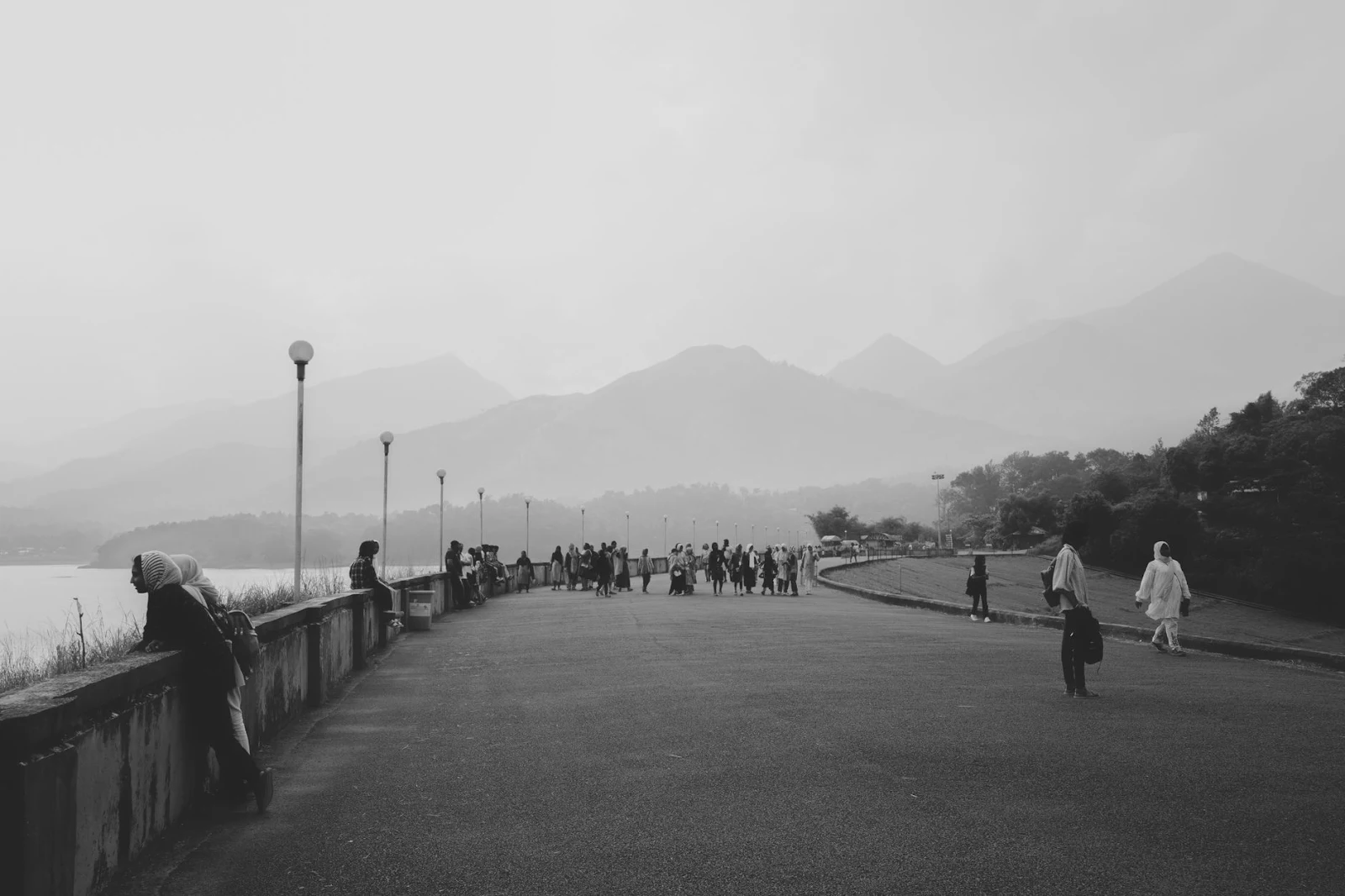
Standing tall at an awe-inspiring elevation of 2,100 meters above sea level, Chembra Peak is the highest vantage point in the entire district and undisputedly one of the top tourist places in Wayanad. This majestic mountain offers a thrilling trekking experience that winds through lush green tea estates, dense shola forests, and steep grassy slopes. The main highlight that draws thousands of nature lovers and photography enthusiasts here is the legendary 'Hridayasarasu' or the naturally formed heart-shaped lake located about halfway up the trail. According to local folklore, this pristine water body has never dried up, adding a touch of mystical charm to its undeniable romantic appeal.
Key Attractions
The journey to the summit and the heart-shaped lake offers uninterrupted panoramic vistas of the surrounding Nilgiri hills and the vast plains of Kozhikode. The trek itself is managed by the Wayanad Forest Department, ensuring eco-friendly tourism practices. Along the way, trekkers are treated to cool mountain breezes, occasional sightings of exotic birds, and a surreal landscape where rolling clouds often kiss the earth. The vantage points provide phenomenal backdrops for landscape photography, especially during the early morning hours when golden light breaks through the mist.
Best Time to Visit
The ideal time to explore Chembra Peak is between the months of September and March when the weather is pleasantly crisp and the skies are clear, making trekking safe and enjoyable. Monsoon treks are generally restricted by the forest authorities due to slippery trails and heavy downpours, though the post-monsoon months offer the most vibrant green landscapes.
Visitor Information
Trekking permissions must be obtained directly from the forest office counter at the base of the hill. A maximum number of visitors are permitted per day to preserve the delicate ecology of the region, so it is highly recommended to arrive early in the morning by 7:00 AM. Entry fees and guide charges apply, and trekkers are required to wear sturdy walking shoes and carry adequate drinking water.
2. Edakkal Caves
Overview
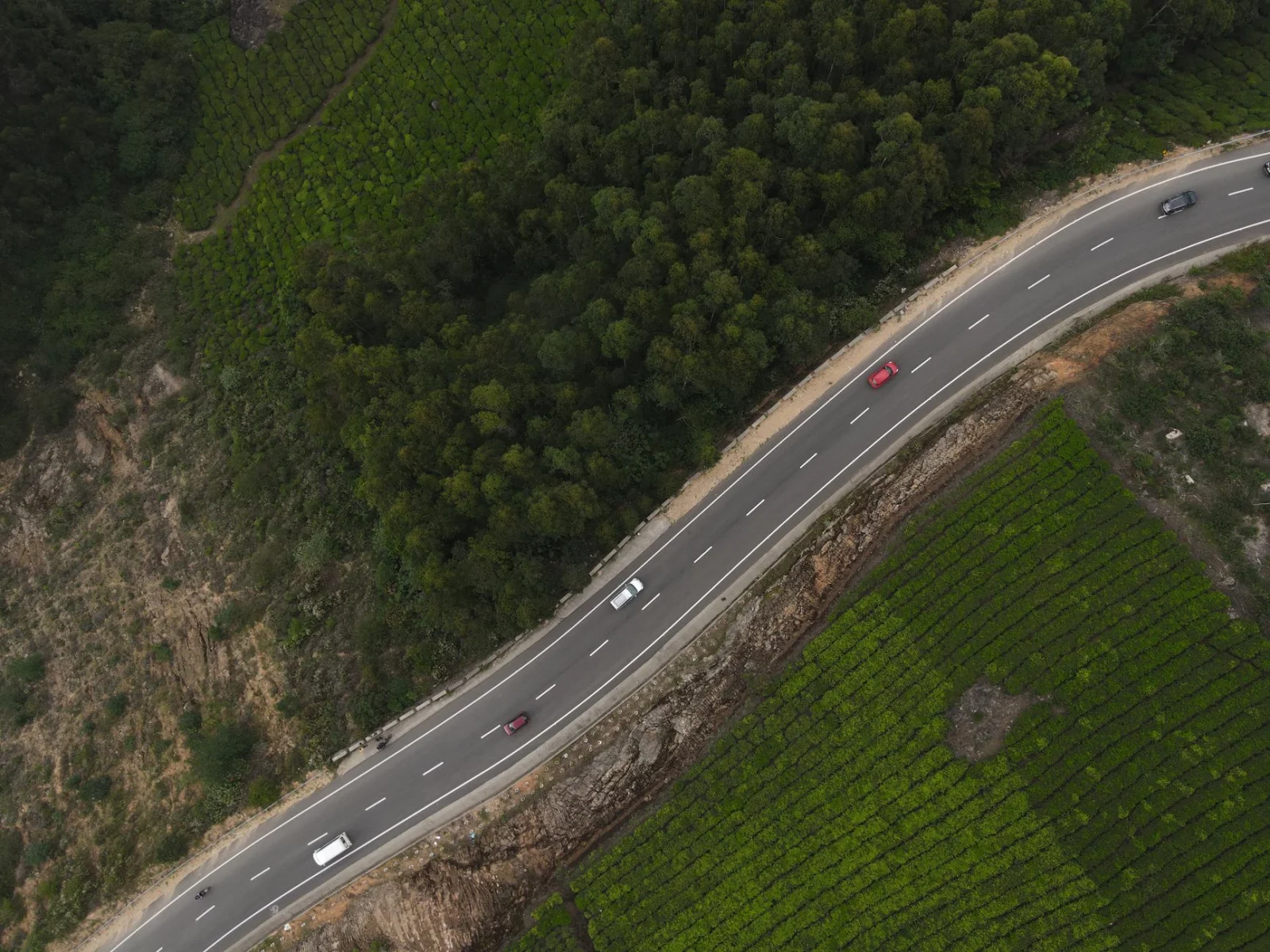
Steeped in prehistoric mystery, the Edakkal Caves are not actually conventional caves formed by geological limestone erosion, but rather a massive cleft in the rock created by a large split in a massive boulder. Located on Ambukutty Mala at an altitude of 1,200 meters, these fascinating rock shelters are world-renowned for housing rare stone carvings and pictorial inscriptions dating back to the Neolithic era, specifically between 6,000 and 4,000 BCE. Visiting this archaeological wonder feels like stepping straight into a time machine, offering a tangible connection to the ancient human civilizations that once roamed the rugged hills of southern India.
Key Attractions
The primary draw of Edakkal Caves consists of the intricate petroglyphs and engravings etched onto the inner walls of the rock shelter. These ancient carvings depict human figures, animal motifs, primitive tools, and geometric symbols that offer invaluable insights into the lifestyle of prehistoric communities. Beyond the historical significance, the steep trek up to the caves offers breathtaking views of the surrounding coffee plantations, sweeping valleys, and distant mountain ranges.
Best Time to Visit
The cooler months spanning from November to February provide the most comfortable weather for climbing the steep steps and navigating the rocky terrain. Visiting during the early morning hours helps you beat both the midday heat and the tourist crowds.
Visitor Information
The site is open to the public from Tuesday to Sunday, remaining closed on Mondays. The journey requires a moderately strenuous trek of about 1 kilometer up a steep hill from the parking area, followed by climbing a series of iron stairs inside the cleft. Wear comfortable sportswear, stay hydrated, and keep a safe distance from mischievous local bonnet macaques that inhabit the surrounding trees.
3. Banasura Sagar Dam
Overview
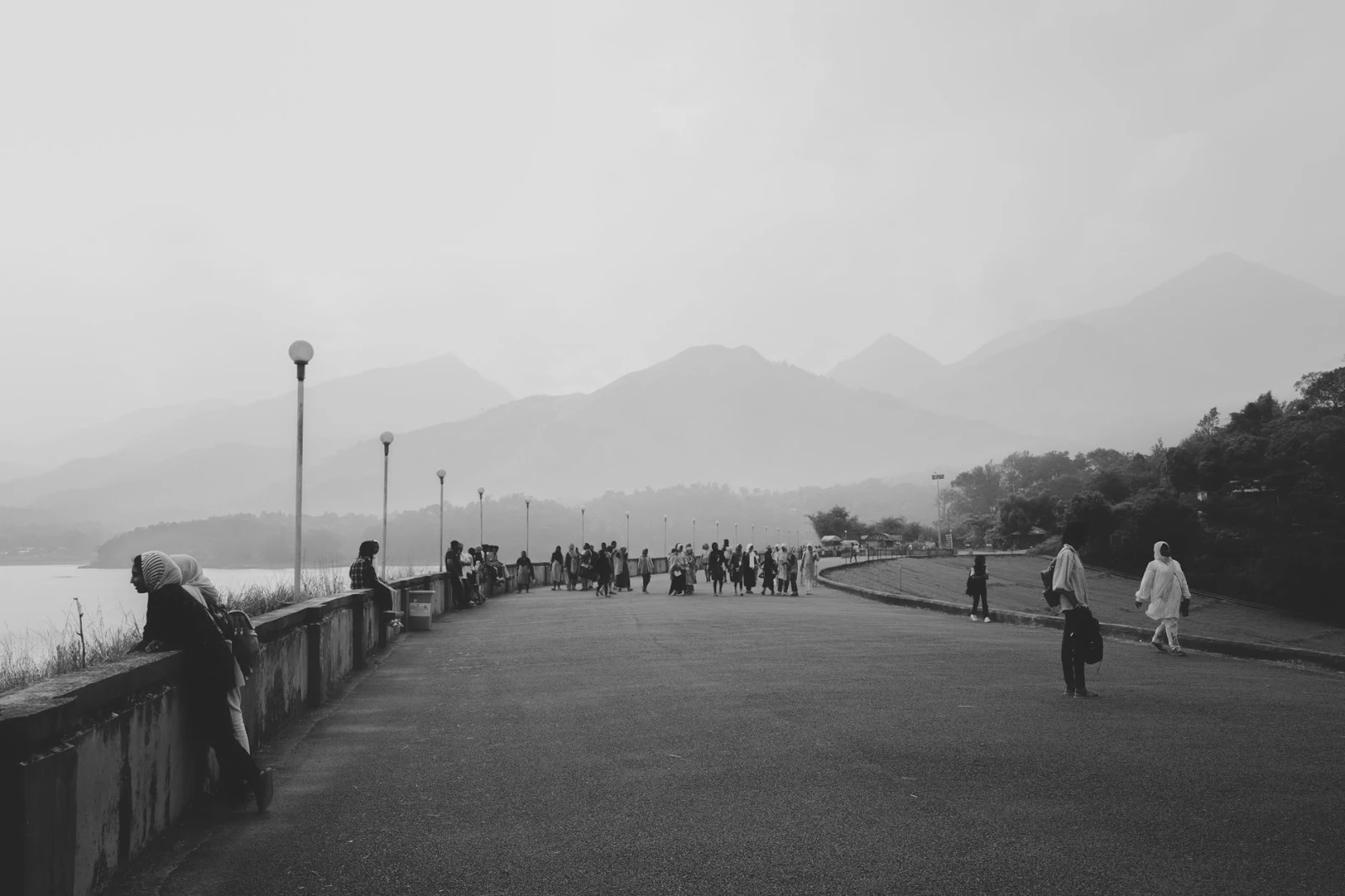
Recognized as the largest earthen dam in India and the second largest in all of Asia, the Banasura Sagar Dam is an engineering marvel set against a breathtaking backdrop of dramatic mountains. Built across the Karamanathodu River, a tributary of the mighty Kabini River, this massive structure was constructed primarily to support irrigation and power generation projects. Today, the turquoise waters of the reservoir, dotted with picturesque tiny green islands formed by submerged hillocks, make it one of the absolute best places to visit in Wayanad for families, adventure seekers, and photography enthusiasts.
Key Attractions
The vast expanse of the reservoir offers exciting recreational activities such as speed boating, pedal boating, and coracle rides that allow visitors to glide close to the tree-covered islets. For adventure junkies, the area surrounding the dam is a popular starting point for treks up the imposing Banasura Hill, the third-highest peak in the district. There is also a well-maintained children's park, beautiful manicured gardens, and a zipline facility that lets you soar across the scenic landscape.
Best Time to Visit
Banasura Sagar Dam can be visited throughout the year, but the months between August and May offer the most stable weather conditions for boating and outdoor sightseeing. The post-monsoon period reveals lush green surroundings and brimming water levels.
Visitor Information
The dam is open daily from morning until late afternoon. While walking along the massive mud barrier is free, nominal tickets apply for entry, parking, and specific adventure activities like boating and ziplining. Electric buggies are available at the entrance for visitors who prefer not to walk the long distance from the parking lot to the top of the dam.
4. Soochipara Waterfalls (Sentinel Rock Waterfalls)
Overview
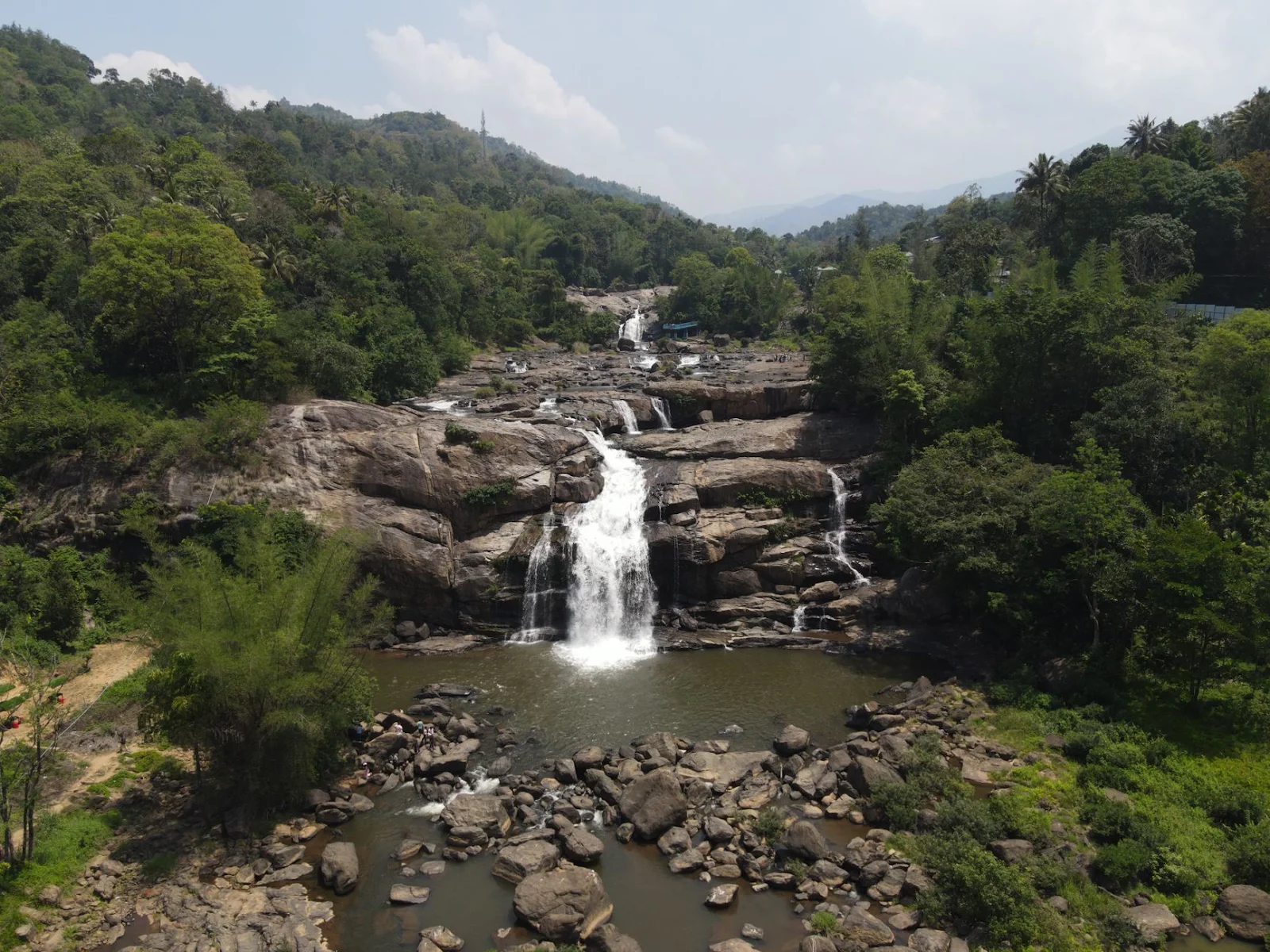
Tucked away amidst dense, deciduous forests, the Soochipara Waterfalls—also popularly known as Sentinel Rock Waterfalls—is a magnificent three-tiered cascading wonder that plunges from a staggering height of 200 feet. The name 'Soochipara' translates to 'needle rock', derived from the sharp, needle-like granite cliff that stands tall beside the roaring torrents. This mesmerizing waterfall is celebrated as one of the top tourist places in Wayanad for nature lovers and adventure enthusiasts who enjoy swimming, cliff diving, and relaxing in the midst of pristine wilderness.
Key Attractions
The journey to the waterfall involves a scenic 2-kilometer downhill walk through lush, shaded forest trails that ring with the sounds of chirping birds and rustling leaves. Upon reaching the base, visitors are greeted by a cool mist and a crystal-clear natural pool where you can take a refreshing dip. The surrounding cliffs also serve as a popular spot for rock climbing and rappelling adventures managed by local authorized operators.
Best Time to Visit
The best time to witness the waterfall in its full, thunderous glory is immediately after the southwest monsoon, between June and October. However, if your primary goal is swimming and rock climbing, the drier winter months from November to February offer safer water levels and easier trail conditions.
Visitor Information
Plastic items and bottled beverages are strictly prohibited at the waterfall site to maintain environmental cleanliness, and checks are conducted at the entrance gate. Visitors must pay a small entrance fee and adhere to strict timings. Wearing quick-dry clothing and non-slip footwear is strongly advised for negotiating the wet rocks near the pool.
5. Wayanad Wildlife Sanctuary (Muthanga)

Overview
Established in 1973 as an integral part of the Nilgiri Biosphere Reserve, the Wayanad Wildlife Sanctuary in Muthanga is a sprawling protected area that serves as a vital ecological corridor connecting the famous Nagarhole and Bandipur parks in Karnataka with Mudumalai in Tamil Nadu. This lush sanctuary is home to an incredible biodiversity of flora and fauna, making it a dream destination for wildlife photographers, bird watchers, and eco-tourists exploring the best places to visit in Wayanad.
Key Attractions
The primary attraction here is the exhilarating jeep safari organized by the forest department, which takes visitors deep into the dense deciduous and semi-evergreen forests. Lucky travelers often spot majestic Asian elephants roaming freely in herds, spotted deer, Indian bison (gaur), wild boars, sambar deer, and occasionally leopards or tigers. The sanctuary is also an absolute paradise for ornithologists, boasting hundreds of resident and migratory bird species, including colorful hornbills, woodpeckers, and peacocks.
Best Time to Visit
The optimal window for wildlife viewing at Muthanga is between October and May. During the drier summer months of March to May, animals frequently gather around water holes, making sightings much more frequent and rewarding.
Visitor Information
Safaris are conducted twice daily—in the early morning and late afternoon—on a first-come, first-served basis from designated entry points like Muthanga and Tholpetty. Private vehicles are not permitted inside the core forest zones; guests must use the authorized jeep services provided by the forest department. Photography inside the sanctuary is permitted, but feeding animals or making loud noises is strictly forbidden.
Best Time to Visit Wayanad
Wayanad is a year-round destination, but the character of the experience shifts dramatically depending on the season you choose for your getaway:
- Winter (October to February): Widely considered the best time to visit Wayanad, this period features pleasant daytime temperatures ranging from 15°C to 25°C, cool evening breezes, and clear skies. It is ideal for sightseeing, trekking, and wildlife safaris.
- Summer (March to May): Temperatures rise moderately, hovering between 20°C and 35°C. While afternoons can feel slightly warm, the shaded forest trails, cool hill breezes, and refreshing waterfalls make it a comfortable retreat from the scorching heat of the Indian plains.
- Monsoon (June to September): Perfect for romantic travelers and poetry lovers, the monsoon transforms Wayanad into a vibrant, emerald-green paradise. Waterfalls roar with intense energy, and mist blankets the valleys. However, heavy rains can occasionally lead to temporary trekking restrictions and minor road landslides.
How to Reach Wayanad
Reaching this picturesque hill station is relatively straightforward, as it enjoys good connectivity with major South Indian cities:
- By Air: The nearest operational airport is Calicut International Airport (CCJ), located approximately 85 kilometers away from Kalpetta, the district headquarters. Kannur International Airport is another viable option situated about 95 kilometers away. Both airports offer regular domestic flights connecting major Indian hubs.
- By Train: Wayanad does not have a direct railway station within its borders. The nearest major railway station is Kozhikode (Calicut), situated about 110 kilometers away, which is well-connected by trains from Kochi, Bengaluru, Chennai, and Mumbai. From the station, you can easily hire a taxi or board a KSRTC bus to reach the hills.
- By Road: Wayanad boasts excellent road connectivity via national and state highways. Overnight luxury buses and KSRTC services operate regularly from Bengaluru, Mysuru, Kochi, and Coimbatore. Driving down from Bengaluru via Mysuru and Gundlupet is a favorite road trip route among travelers, offering scenic views of wildlife sanctuaries along the way.
Local Food to Try
A vacation in Kerala is incomplete without indulging in its rich, aromatic culinary heritage. Wayanad's local cuisine features a delightful blend of traditional Malabar Muslim dishes, Kerala Syrian Christian specialties, and indigenous tribal delicacies:
- Malabar Chicken Biryani: A fragrant preparation made with short-grain Kaima rice, tender chicken, ghee, fried onions, and a rich blend of local spices.
- Appam with Stew: Soft, bowl-shaped rice pancakes with crispy edges, served alongside a mild, creamy coconut milk-based vegetable or mutton stew.
- Puttu and Kadala Curry: Steamed cylinders of ground rice layered with grated coconut, paired with a spicy black chickpea curry cooked in roasted coconut gravy.
- Kerala Sadya: A traditional vegetarian feast served on a fresh banana leaf, featuring boiled red rice accompanied by an array of dishes like sambar, rasam, avial, thoran, payasam, and pappadam.
- Karimeen Pollichathu: Pearl spot fish marinated in fiery spices, wrapped securely in a banana leaf, and pan-roasted to perfection.
- Wayanad Coffee and Tea: Freshly brewed local single-origin coffee and cardamom-infused tea sourced directly from the sprawling plantation estates of the district.
10 Essential Travel Tips for Wayanad
- Pack comfortable, sturdy trekking shoes with good grip, as many top attractions involve walking on uneven, muddy, or steep rock surfaces.
- Carry a light jacket or woolen sweater, especially if you are visiting during winter or planning early morning sunrise excursions, as temperatures drop noticeably.
- Always keep a reliable mosquito repellent and eco-friendly sunscreen handy when exploring forests, waterfalls, and wildlife sanctuaries.
- Respect local tribal communities, wildlife, and natural ecosystems by avoiding single-use plastics and practicing responsible tourism.
- Book your forest safaris and adventure entry permits well in advance, particularly during peak tourist weekends and holiday seasons.
- Keep some cash handy, as remote areas, smaller local eateries, and independent adventure counters may not always accept digital UPI payments or credit cards.
- If you are prone to motion sickness, prepare adequately for the winding hairpins of the Thamarassery Ghat road.
- Rent a 4x4 vehicle or hire an experienced local driver if you plan to navigate remote estate roads during the rainy season.
- Try authentic local homestays instead of standard hotels to experience genuine Wayanad hospitality and homemade plantation meals.
- Always check local weather updates before embarking on long treks or waterfall visits during the monsoon months.
Suggested 2-Day Itinerary
If you are pressed for time, here is a well-balanced 2-day itinerary to help you cover the top highlights efficiently:
Day 1: Historical Trails and Scenic Waters
- 08:00 AM – 11:30 AM: Start your morning early with a visit to the historic Edakkal Caves. Enjoy the crisp morning air and explore the ancient Neolithic rock carvings while taking in the stunning valley views.
- 12:00 PM – 01:30 PM: Head to a cozy local restaurant in Kalpetta to savor a traditional Kerala banana leaf meal or Malabar biryani.
- 02:30 PM – 05:30 PM: Proceed to the magnificent Banasura Sagar Dam. Enjoy a thrilling speed boat ride across the reservoir and take a leisurely stroll along the massive earthen barrier while watching the sunset over the hills.
- 07:00 PM: Check into your resort or homestay, enjoy a warm cup of local Wayanad coffee, and unwind around a bonfire.
Day 2: Peak Adventure and Wildlife Exploration
- 07:00 AM – 11:00 AM: Embark on an early morning trek to Chembra Peak to catch breathtaking views of the mist-covered valleys and the iconic heart-shaped lake.
- 11:30 AM – 01:00 PM: Visit the refreshing Soochipara Waterfalls for a relaxing walk through the shaded forest canopy.
- 01:00 PM – 02:30 PM: Enjoy a hearty lunch featuring regional Kerala delicacies near Meppadi.
- 03:30 PM – 05:30 PM: Head to the Wayanad Wildlife Sanctuary (Muthanga) for an exciting evening jeep safari to spot wild elephants, deer, and exotic birds in their natural habitat.
- 07:00 PM: Conclude your trip with a memorable dinner before heading back home or to your next destination.
Frequently Asked Questions (FAQs)
-
How many days are sufficient to explore Wayanad?
A duration of 3 to 4 days is ideal to explore all major attractions, waterfalls, and viewpoints at a relaxed pace. However, a 2-day trip is sufficient to cover the absolute highlights. -
Is Wayanad safe for solo travelers and families?
Yes, Wayanad is one of the safest and most welcoming tourist districts in Kerala, with friendly locals, well-patronized tourist spots, and reliable local transport infrastructure. -
Are pre-bookings required for the Chembra Peak trek?
Yes, daily visitor numbers are regulated by the forest department. It is advisable to reach the ticket counter early in the morning to secure your spot. -
Can we spot tigers during the Muthanga wildlife safari?
While tigers and leopards do inhabit the sanctuary, sightings are extremely rare. You are far more likely to spot herds of wild elephants, spotted deer, and bison. -
What is the primary language spoken in Wayanad?
Malayalam is the native language. However, English, Hindi, Tamil, and Kannada are widely understood and spoken across tourist establishments, hotels, and restaurants. -
Is mobile network coverage reliable in Wayanad?
Major telecom operators like Jio and Airtel offer good 4G network coverage in towns like Kalpetta, Sulthan Bathery, and Mananthavady. However, connectivity can drop inside dense forest reserves and deep valley resorts. -
Can we visit Wayanad during the monsoon season?
Absolutely! Monsoon travel is deeply popular here for witnessing lush greenery and roaring waterfalls, though outdoor activities like trekking may occasionally be restricted for safety. -
What is the best souvenir to buy from Wayanad?
Authentic spices like black pepper, cardamom, cloves, cinnamon, organic forest honey, and locally harvested single-origin coffee beans make the best souvenirs.
Conclusion
Wayanad is a destination that captures your heart the moment you arrive, offering an idyllic blend of rugged adventure, tranquil nature, and rich cultural heritage. Whether you are scaling the misty heights of Chembra Peak, marveling at the ancient mysteries of the Edakkal Caves, cruising across the vast waters of Banasura Sagar Dam, or experiencing the untamed wilderness of Muthanga, every single corner of this hill station tells a unique story. By exploring the top tourist places in Wayanad, you reconnect with the natural world in its purest and most majestic form. Pack your bags, lace up your trekking boots, and get ready to create timeless memories in God's Own Country!



0 Comments