
Top 5 Places to Visit in Lepa Rada, Arunachal Pradesh: The Ultimate Offbeat Travel Guide
Welcome to Lepa Rada, one of the most mesmerizing and hidden districts in the northeastern frontier of India—Arunachal Pradesh. If you are a passionate traveler searching for untouched natural beauty, rich tribal heritage, and serene landscapes far away from the chaotic tourist crowds, Lepa Rada should be right at the top of your travel bucket list. Carved out recently as an administrative district with its headquarters in Basar, this region offers a soulful escape into the lap of the Eastern Himalayas. As an avid travel blogger who loves exploring the unexplored, my journey through Lepa Rada felt like stepping into a living canvas painted with emerald green valleys, roaring rivers, misty mountains, and the warm smiles of the Galo indigenous community.
Traveling through Lepa Rada is not just about sightseeing; it is an immersive cultural experience. The district derives its name from a local belief, where 'Lepa' and 'Rada' represent geographical and cultural identity markers of the land. When you look for the best places to visit in Lepa Rada, you are essentially opening the door to a world where ancient traditions thrive alongside pristine ecology. From cascading waterfalls hidden inside dense bamboo forests to panoramic viewpoints that touch the clouds, every corner of this district has a story to tell. Whether you are planning a solo backpacking trip, a photography expedition, or a peaceful holiday with family, discovering the top tourist places in Lepa Rada will leave you spellbound and yearning for more.
In this comprehensive travel guide, we will take you on a virtual tour of the top 5 places to visit in Lepa Rada, along with essential logistics, cultural insights, delicious local cuisine, and a meticulously crafted itinerary. Pack your bags, lace up your hiking boots, and let's explore the magical landscapes of Arunachal Pradesh together!
Table of Contents
- 1. Basar: The Cultural Heart and District Headquarters
- 2. Tarak Langdi: The Scenic Waterfall Wonderland
- 3. Egam: The Historic and Agricultural Village
- 4. Sipu River: Adventure and Angling Paradise
- 5. Hali Village: Traditional Galo Homestay Experience
- Best Time to Visit Lepa Rada
- How to Reach Lepa Rada
- Local Food and Cuisine
- 10 Essential Travel Tips for Lepa Rada
- Suggested 2-Day Itinerary
- Frequently Asked Questions (FAQs)
- Conclusion
1. Basar: The Cultural Heart and District Headquarters
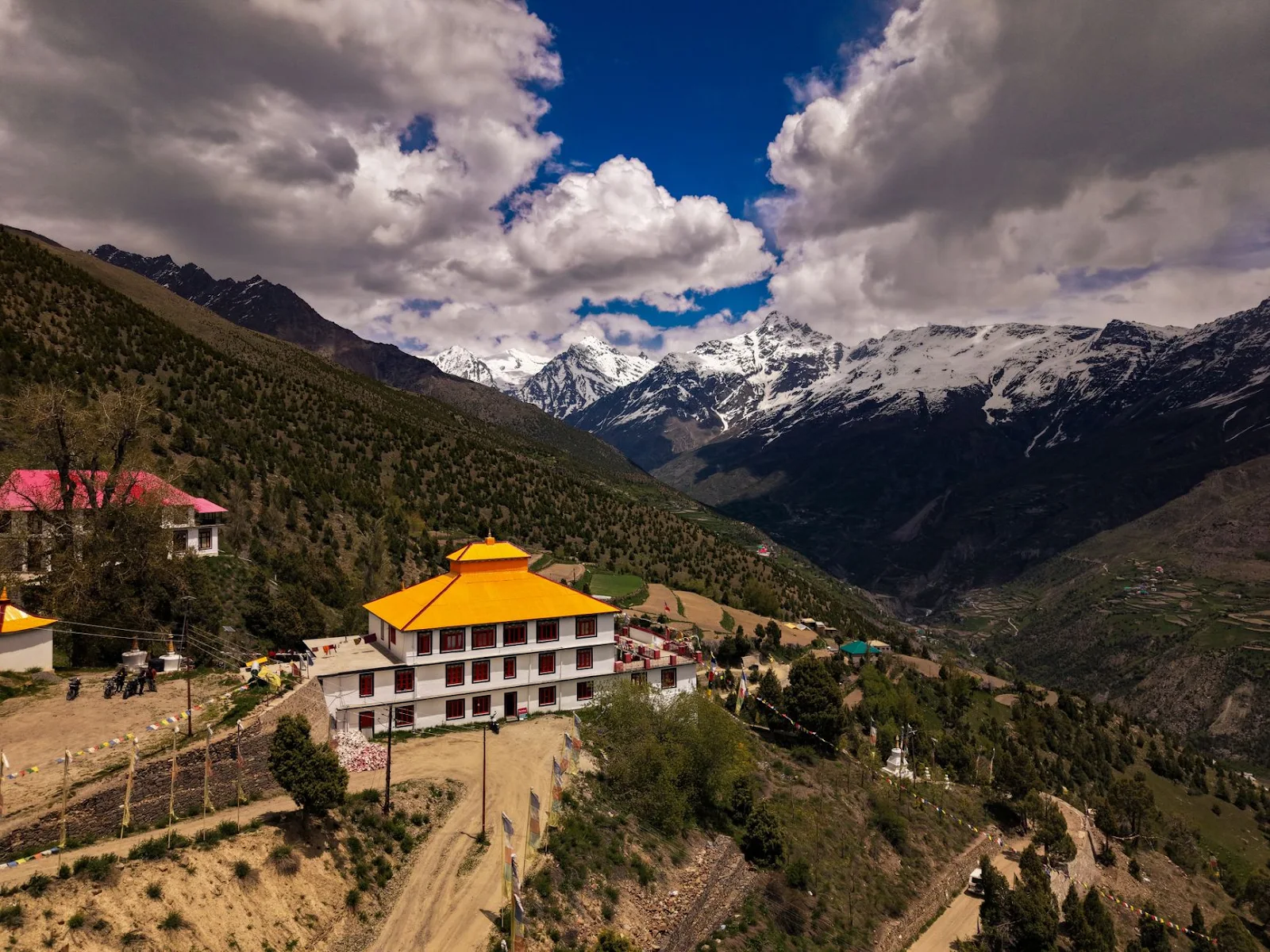
Basar is the administrative headquarters of the Lepa Rada district and serves as the primary base camp for all your explorations in the region. Nestled amidst rolling green hills and terraced agricultural fields, Basar is much more than just a transit town; it is a vibrant cultural hub predominantly inhabited by the hospitable Galo tribe. When compiling a list of the best places to visit in Lepa Rada, Basar takes the crown because of its perfect blend of rustic rural charm and emerging eco-tourism initiatives. The town is famous for its community-led conservation efforts, particularly the Basar Beyond festival, which celebrates indigenous arts, music, and sustainable living.
As you walk through the winding lanes of Basar, you will notice traditional bamboo and wooden stilt houses built with incredible architectural precision. The local markets are bustling with activity, offering a colorful glimpse into daily tribal life. You can interact with local artisans, shop for exquisite handcrafted cane and bamboo items, and witness traditional weaving techniques on loin looms. For nature lovers, the outskirts of Basar offer tranquil walking trails flanked by pine trees and blooming wildflowers. It is an ideal spot to acclimatize to the mountain air, sip organic locally-grown green tea, and converse with village elders who are more than happy to share folklore about the origin of the mountains and rivers.
- Things to Do: Explore local tribal markets, interact with the Galo community, shop for authentic bamboo handicrafts, and take leisure walks through terraced paddy fields.
- Best Time to Visit: October to April offers pleasant weather, clear skies, and vibrant cultural vibes.
- Entry Requirements: Indian citizens require an Inner Line Permit (ILP), and foreign nationals require a Protected Area Permit (PAP) to enter Arunachal Pradesh.
2. Tarak Langdi: The Scenic Waterfall Wonderland
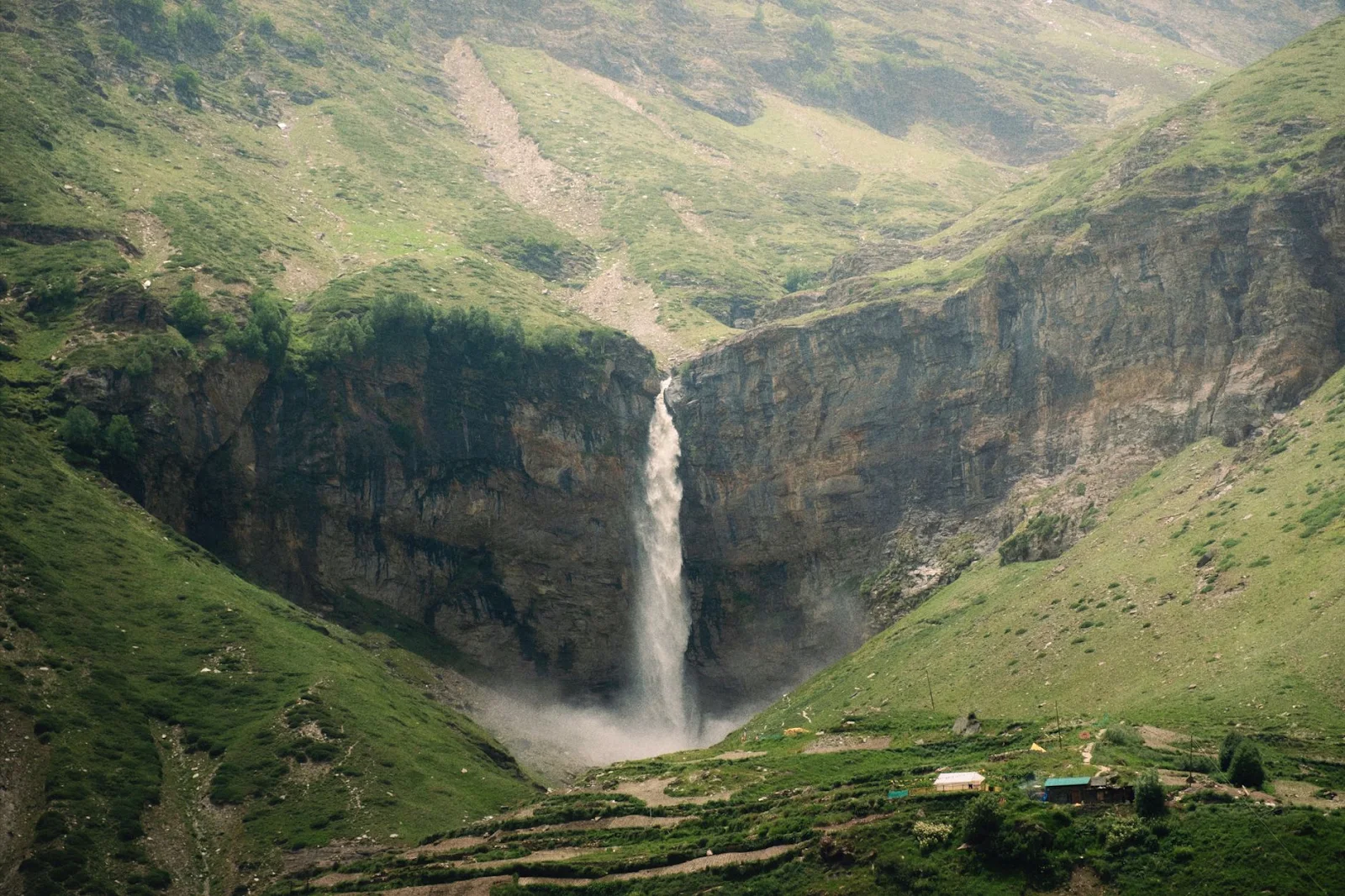
If you are chasing pristine waterfalls and untouched wilderness, Tarak Langdi is one of the top tourist places in Lepa Rada that you simply cannot afford to miss. Tarak Langdi is a breathtaking natural attraction characterized by cascading multi-tiered waterfalls plunging into crystal-clear turquoise pools surrounded by dense subtropical rainforests. The trek to the waterfall is an adventure in itself, taking you through narrow jungle trails, across swaying cane suspension bridges, and under a thick canopy of ferns and giant orchids.
The sound of rushing water grows louder as you approach the main falls, building anticipation for the visual treat that awaits. The mist rising from the roaring cascade creates a refreshing microclimate, making it a wonderful spot to relax, meditate, or enjoy a picnic lunch amidst nature. Photography enthusiasts will find endless frames here, from macro shots of exotic forest flora to long-exposure captures of the silky water streams. Swimming in the natural pool beneath the falls is refreshing, though visitors are advised to exercise caution due to strong undercurrents during the monsoon months. Tarak Langdi remains remarkably clean and pristine, largely due to the strict conservation ethics maintained by the local Galo youth groups.
- Things to Do: Jungle trekking, waterfall photography, bird watching, and enjoying a peaceful picnic surrounded by nature.
- Best Time to Visit: November to March is ideal when water levels are manageable and trails are dry.
- Entry Requirements: Standard Arunachal Pradesh ILP/PAP applies. Local tourist guide recommended for the trek.
3. Egam: The Historic and Agricultural Village
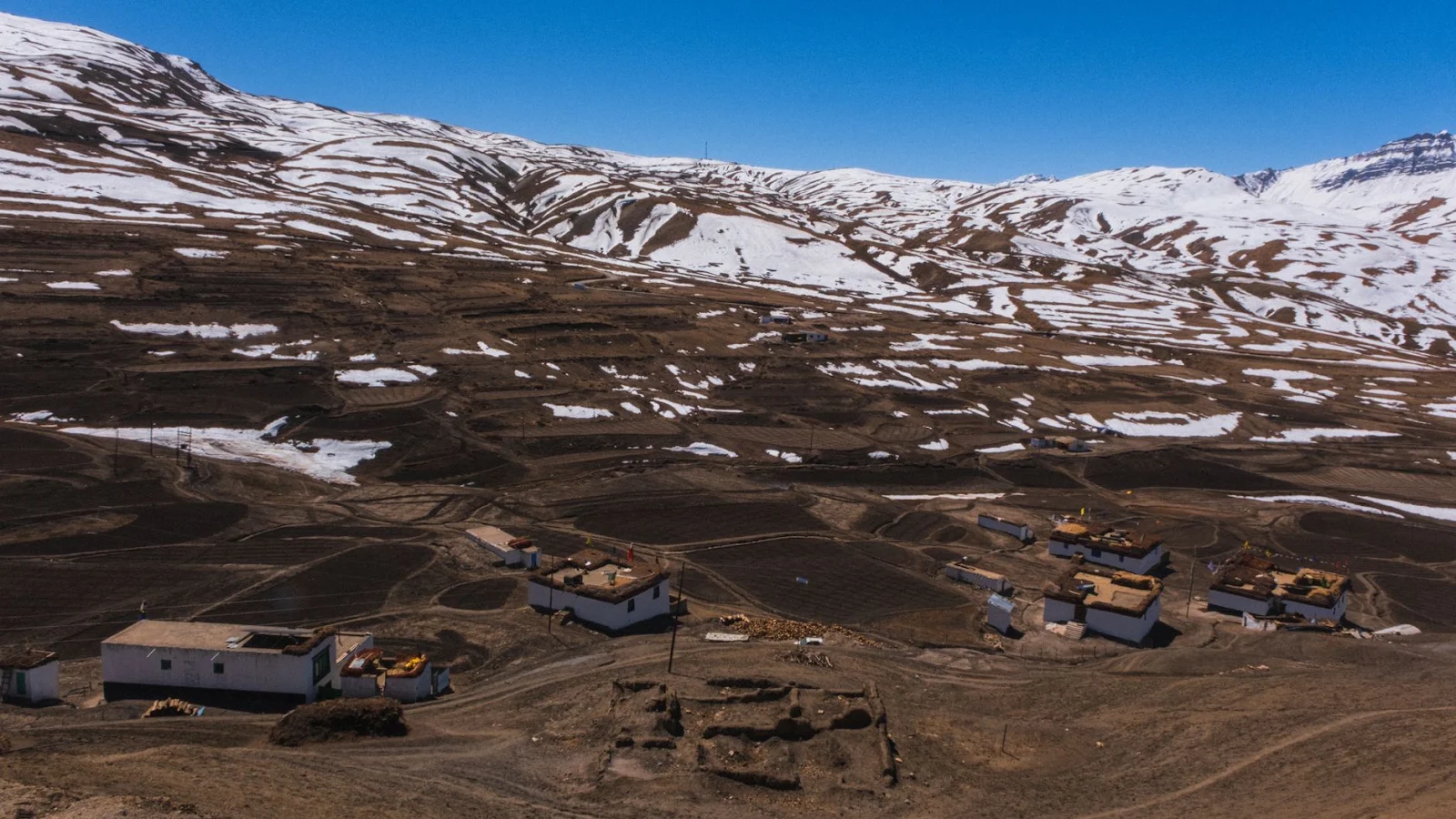
Egam is a historically rich and visually stunning village located within the Lepa Rada district, known primarily for its sprawling orange orchards, sprawling rice terraces, and deep-rooted cultural heritage. Visiting Egam gives travelers an authentic glimpse into the agrarian lifestyle of Arunachal Pradesh. The village is surrounded by fertile valleys where traditional organic farming practices have been sustained for centuries without the use of chemical fertilizers or modern machinery.
During the harvest season, the landscape of Egam transforms into a vibrant mosaic of golden paddy fields and bright orange groves laden with juicy, citrus fruits. Walking through the village, you can witness villagers engaged in community farming, processing local crops, and brewing traditional rice beer known as 'Apo'. Egam also holds historical significance, with local legends and ancient monoliths speaking volumes about the migration patterns and ancestral history of the Galo people. The village elders are custodians of rich oral history, and listening to their tales by a warm hearth in the evening is an unforgettable travel memory.
- Things to Do: Fruit plucking in orange orchards (seasonal), village walking tours, learning about organic farming, and tasting traditional rice beer.
- Best Time to Visit: December to February is the peak harvesting and orange season.
- Entry Requirements: Valid ILP for Indian citizens and PAP for foreigners.
4. Sipu River: Adventure and Angling Paradise
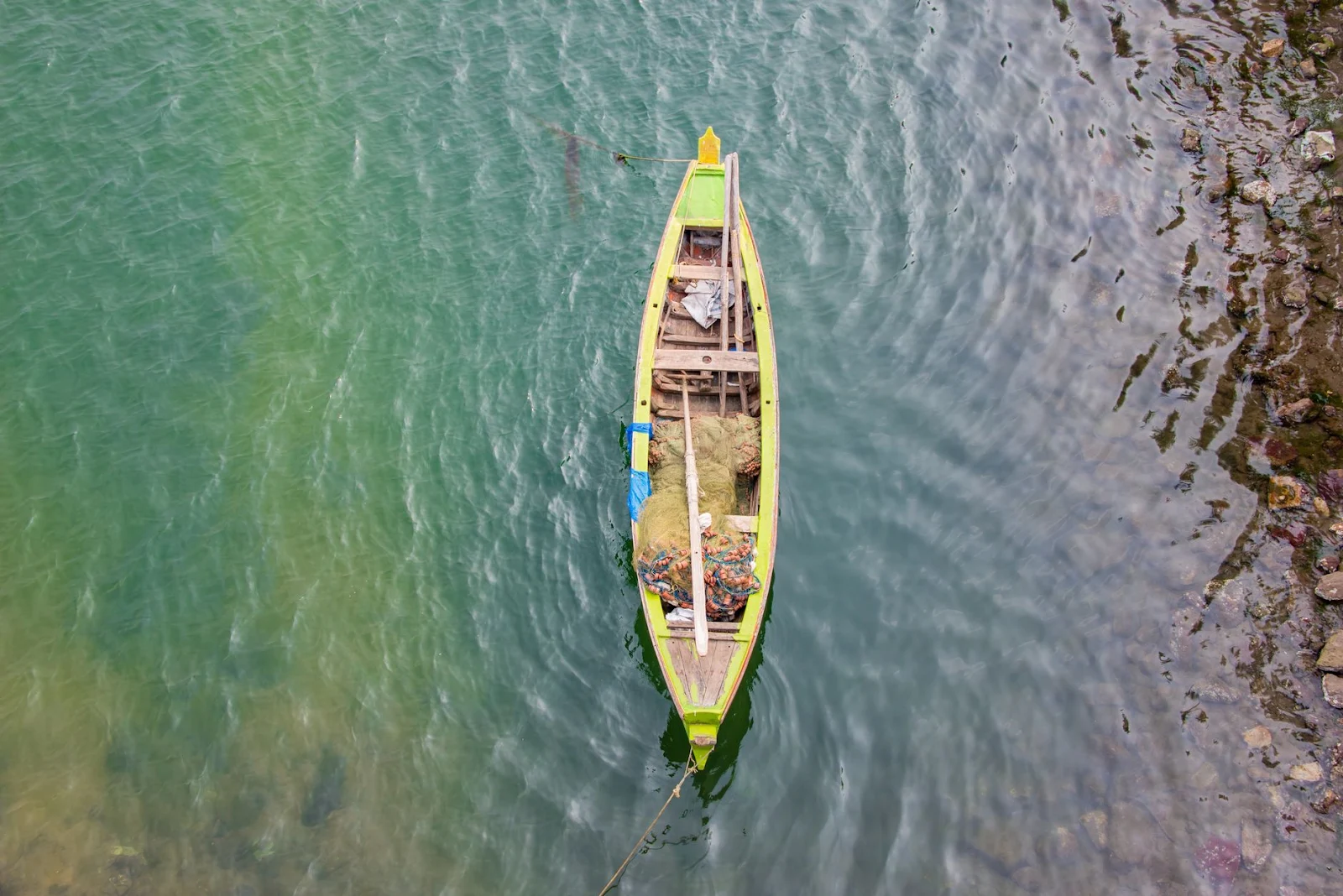
The Sipu River is one of the most vital and picturesque river systems flowing through the Lepa Rada district. Flanked by rugged cliffs, dense bamboo groves, and pebble beaches, the river serves as a playground for adventure seekers and nature enthusiasts alike. When looking for the best places to visit in Lepa Rada for scenic relaxation and light adventure, the banks of the Sipu River rank exceptionally high.
The crystal-clear waters of the Sipu River teem with diverse freshwater fish species, making it a popular spot for traditional angling and sport fishing among locals and tourists who obtain proper permissions. The riverbanks are ideal for riverside camping, stargazing, and overnight bonfires under clear Himalayan skies. For adrenaline junkies, certain stretches of the river offer thrilling opportunities for river crossing and bamboo raft floating during the calmer months. The serene environment, accompanied by the gentle murmuring of flowing water and the chirping of endemic hill birds, makes the Sipu River an idyllic sanctuary for mental rejuvenation.
- Things to Do: Riverside camping, angling (catch-and-release with local permission), nature photography, and pebble beach relaxation.
- Best Time to Visit: October to April offers stable water levels and pleasant weather.
- Entry Requirements: Standard Arunachal Inner Line Permit required.
5. Hali Village: Traditional Galo Homestay Experience
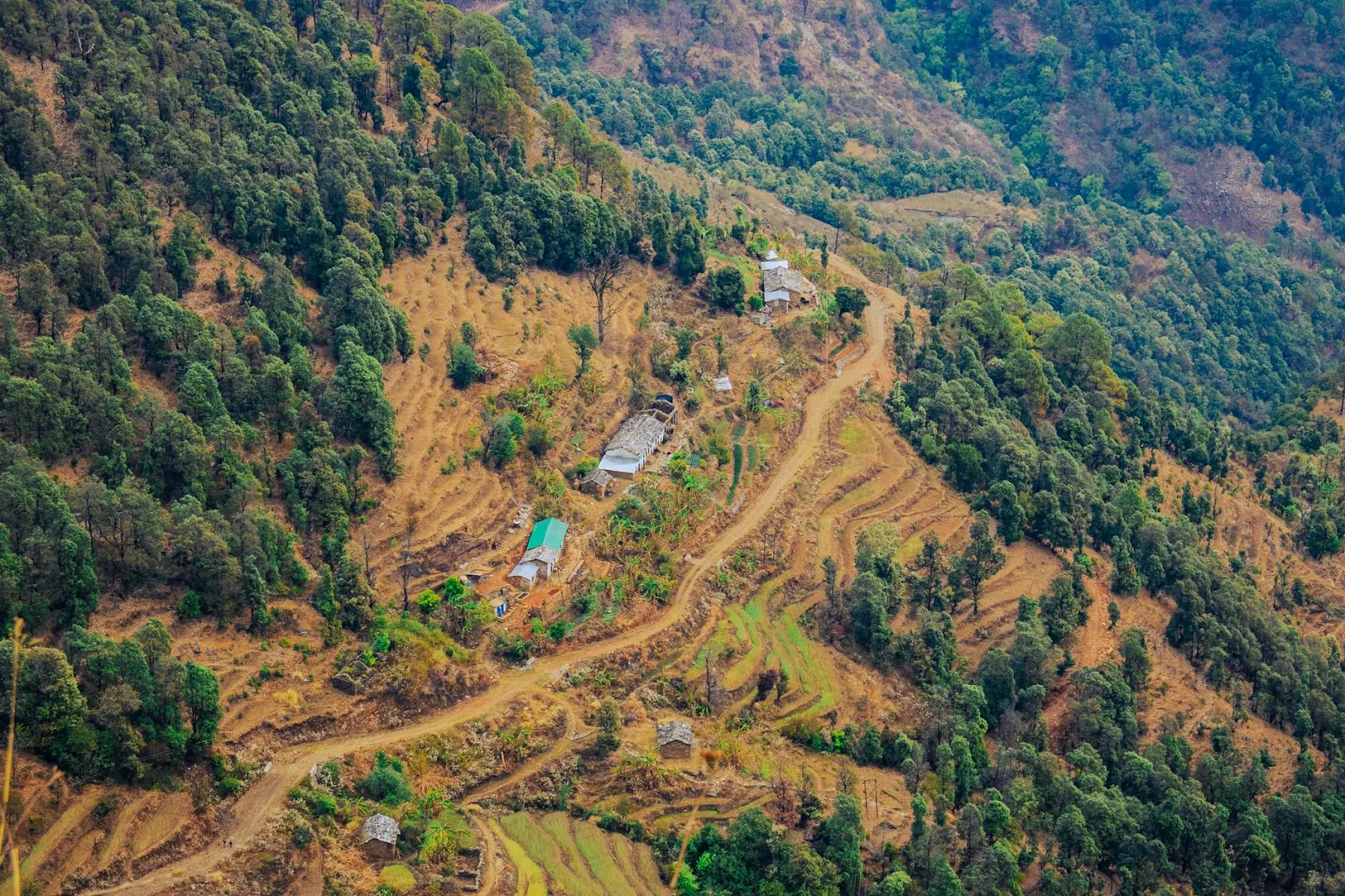
To truly understand the essence of Lepa Rada, you must experience village life from within, and Hali Village offers the ultimate authentic homestay experience. Recognized as a model eco-tourism village, Hali showcases traditional Galo architecture, community living, and sustainable forestry. Staying in a family-run stilt bamboo homestay here allows travelers to participate in daily village chores, learn indigenous cooking techniques, and wear traditional Galo attire.
The hospitality of the hosts in Hali Village is legendary. Guests are welcomed with a traditional white scarf known as a 'Galuk' or ceremonial cotton drape, followed by warm cups of spiced tea and organic snacks. Evening times in Hali are magical, filled with folk songs, storytelling sessions around the hearth, and tasting authentic tribal delicacies cooked in fresh bamboo shoots. The village is also an excellent starting point for short bird-watching hikes and exploratory walks into the community-managed forests, where you can spot rare butterflies and endemic plant species.
- Things to Do: Stay in a traditional bamboo homestay, learn tribal cooking, participate in cultural exchanges, and take guided village nature walks.
- Best Time to Visit: September to May provides comfortable indoor and outdoor temperatures.
- Entry Requirements: Arunachal Pradesh ILP/PAP required. Advance homestay booking recommended.
Best Time to Visit Lepa Rada
Choosing the right time to visit Lepa Rada depends heavily on the kind of experience you are looking for. However, the period from October to April is universally considered the best time to explore this magnificent district.
- Winter (October to February): This is the peak tourist season. The weather is crisp and cool, with daytime temperatures ranging from 15°C to 22°C, dropping significantly at night. Skies are generally clear, offering majestic views of mountain ranges. This is also the harvesting season for oranges and paddy, making the landscapes exceptionally colorful.
- Spring (March to April): Wildflowers begin to bloom across the valleys, and the weather remains pleasantly warm. It is an ideal time for trekking and outdoor exploration.
- Monsoon (May to September): Lepa Rada receives heavy rainfall during the monsoon months. While waterfalls like Tarak Langdi are at their ferocious best, traveling can become challenging due to occasional landslides, slippery mountain roads, and leeches along trekking trails. Budget backpackers and extreme adventure seekers who love rain-soaked greenery often visit during this period, but standard travelers are advised to exercise caution.
How to Reach Lepa Rada
Traveling to Lepa Rada requires a bit of journey planning, which adds to its charm as an offbeat destination in Arunachal Pradesh. Here is a breakdown of how to reach the district headquarters, Basar:
- By Air: The nearest operational airport is Lilabari (North Lakhimpur) in Assam, located approximately 115 km away. Alternatively, you can fly to Dibrugarh (Rowriah Airport) or Guwahati (Lokpriya Gopinath Bordoloi International Airport) and travel onward by road or overnight train. From Lilabari or Dibrugarh, hired cabs and shared sumo services are easily available to reach Basar.
- By Train: The nearest major railway station is Silapathar (Assam) or Murkongselek, located around 80-100 km from Basar. Silapathar is well-connected to major hubs like Guwahati and Dibrugarh. From the station, local taxis and buses ply regularly toward Basar.
- By Road: Road travel is the most common and scenic way to enter Lepa Rada. Regular buses and Tata Sumo services operate from Guwahati, Itanagar, North Lakhimpur, and Silapathar to Basar. The drive takes you through winding mountain roads, tea gardens of Assam, and picturesque river valleys.
- Permit Notice: All Indian tourists require an Inner Line Permit (ILP), while foreign nationals require a Protected Area Permit (PAP). These permits can be obtained online or through government facilitation centers before entering Arunachal Pradesh.
Local Food and Cuisine
Galo tribal cuisine in Lepa Rada is a celebration of organic, fresh, and earthy flavors. Unlike heavily spiced mainland Indian cuisine, Arunachali food relies heavily on boiling, smoking, and fermentation, using minimal oil and maximum natural herbs.
- Bamboo Shoot Delicacies: Bamboo shoot is a staple ingredient used in almost every dish, adding a distinct tangy and earthy flavor to meat and vegetable preparations.
- Pork and Chicken with Min: Smoked pork or local free-range chicken cooked with fermented soybean (Pika) and local herbs is a must-try delicacy.
- Apong (Rice Beer): The traditional indigenous alcoholic beverage brewed from fermented rice or millet. It is mild, refreshing, and served as a gesture of hospitality to guests.
- Lukter: A simple yet delicious preparation made of smoked meat mixed with roasted fiery ghost peppers (Bhoot Jolokia) and local salt.
- Oying: A generic term for vegetable soup seasoned with wild herbs, ginger, and local garlic, known for its soothing warmth during cold mountain evenings.
10 Essential Travel Tips for Lepa Rada
- Secure Permits in Advance: Always keep your Inner Line Permit (ILP) or Protected Area Permit (PAP) handy, as checkpoints are operational across district borders.
- Respect Local Customs: The Galo community is deeply traditional. Always ask for permission before photographing individuals, village elders, or sacred altars.
- Pack Layered Clothing: Mountain weather is unpredictable. Carry light woolens for summer evenings and heavy jackets if you are visiting during winter.
- Carry Cash: ATMs are limited to Basar town, and digital payments are not widely accepted in remote villages. Always carry sufficient cash.
- Eco-Conscious Travel: Do not litter plastic bottles or wrappers. Lepa Rada takes pride in its pristine environment, and visitors are expected to maintain cleanliness.
- Hire Local Guides: When trekking to waterfalls like Tarak Langdi or exploring deep forests, hiring a local guide ensures safety and enriches your knowledge of folklore.
- Medical Kit: Pack basic medicines for motion sickness, altitude adjustments, stomach bugs, and insect repellent creams.
- Respect Tribal Property: Do not enter private agricultural fields, bamboo groves, or traditional granaries without local permission.
- >Footwear: Invest in sturdy, waterproof trekking shoes with good grip, as trails can be slippery and wet.
- Connectivity: BSNL and Airtel offer intermittent mobile network coverage in Basar, but expect total digital detox in interior villages like Hali and Egam.
Suggested 2-Day Itinerary
Day 1: Cultural Immersion in Basar and River Exploration
- 08:00 AM – 10:00 AM: Arrive in Basar, check into a traditional homestay, and enjoy a warm cup of organic local tea with your Galo hosts.
- 10:00 AM – 12:30 PM: Explore the bustling Basar local market, interact with local weavers, and shop for authentic bamboo handicrafts.
- 12:30 PM – 02:00 PM: Savor a traditional Galo lunch featuring bamboo shoot curry, organic rice, and smoked pork.
- 02:00 PM – 05:00 PM: Head out to the scenic Sipu River banks for photography, light angling, and a peaceful evening stroll.
- 06:30 PM onwards: Enjoy a cozy dinner by the bonfire, listening to tribal folk tales and sipping warm Apong.
Day 2: Waterfall Trekking and Historic Village Tour
- 07:30 AM – 09:00 AM: Enjoy a hearty breakfast and drive toward the stunning Tarak Langdi waterfall trail.
- 09:00 AM – 12:30 PM: Trek through dense subtropical rainforests to reach the cascading Tarak Langdi waterfalls; spend time taking photographs and relaxing by the pools.
- 12:30 PM – 01:30 PM: Enjoy a packed picnic lunch amidst nature.
- 01:30 PM – 04:00 PM: Drive to Egam village to witness traditional farming landscapes, historic monoliths, and seasonal orange orchards.
- 04:00 PM onwards: Return to Basar for departure or overnight stay before heading to your next destination.
Frequently Asked Questions (FAQs)
1. Where is Lepa Rada located?
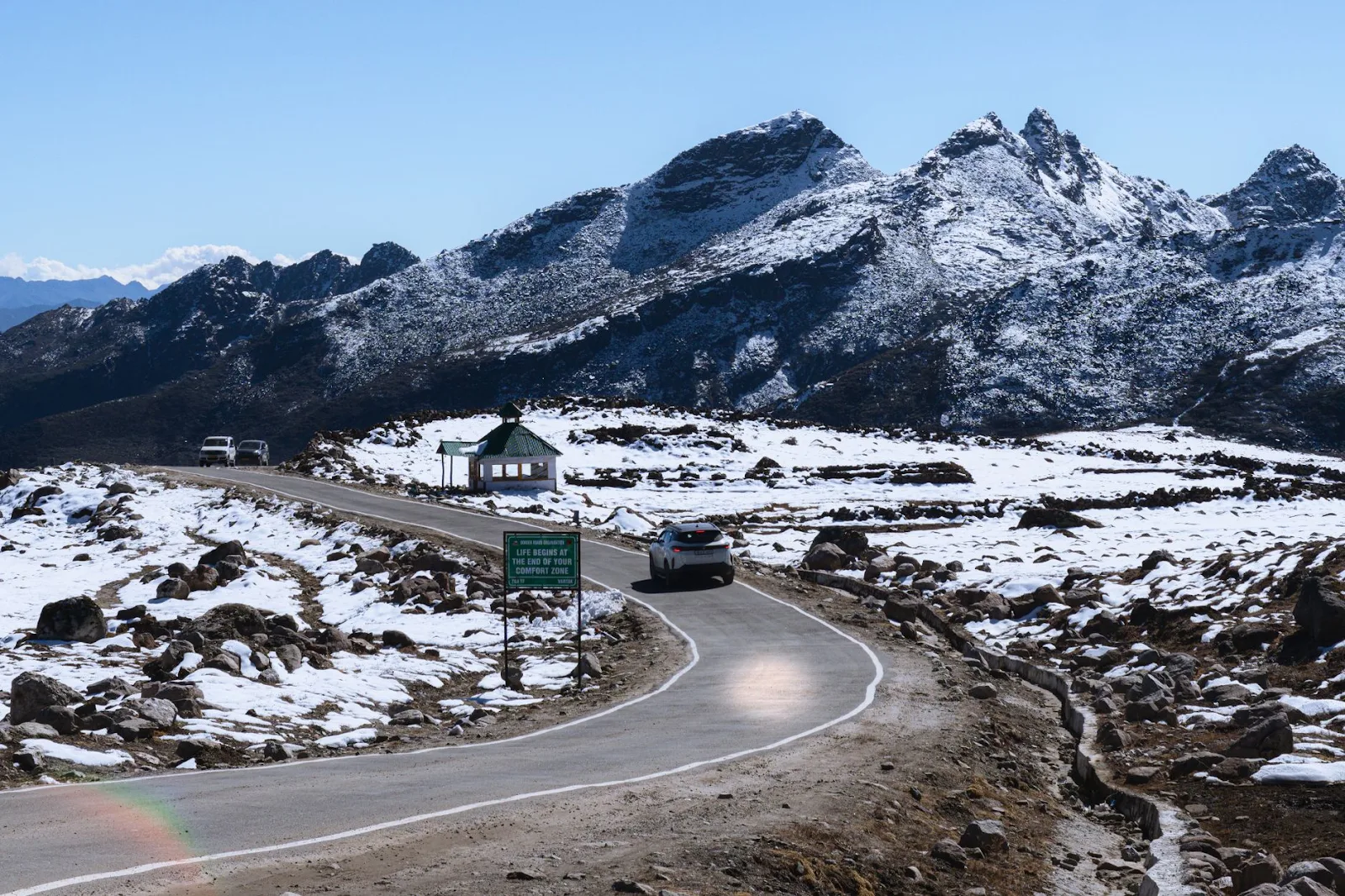
Lepa Rada is an administrative district in the state of Arunachal Pradesh, India, with its headquarters situated in Basar. It shares borders with other scenic districts and is known for its rich Galo tribal heritage.
2. Do I need a permit to visit Lepa Rada?
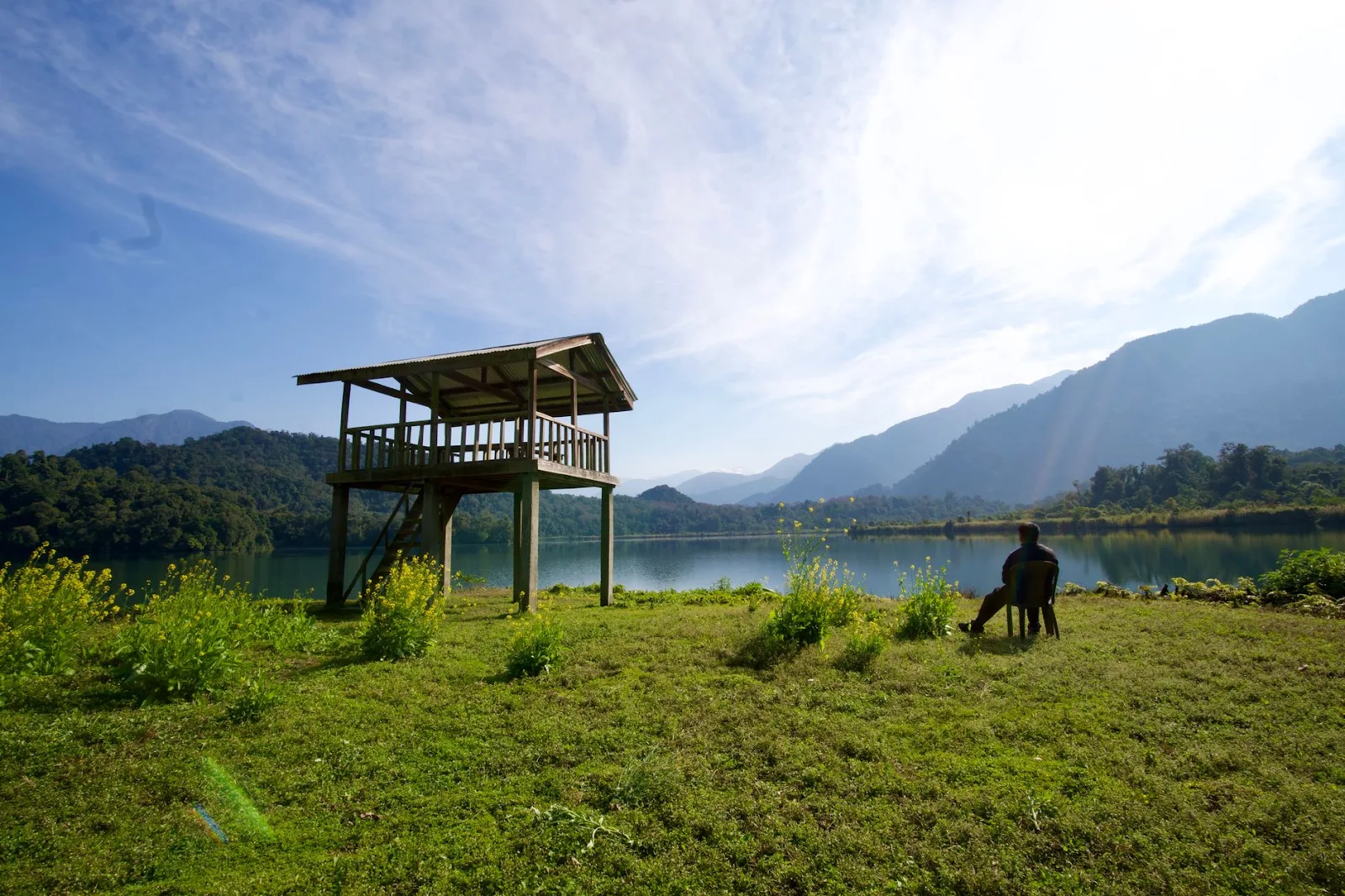
Yes, Indian citizens need an Inner Line Permit (ILP), and foreign nationals require a Protected Area Permit (PAP) to enter Arunachal Pradesh and the Lepa Rada district.
3. What is the best time to visit Lepa Rada?
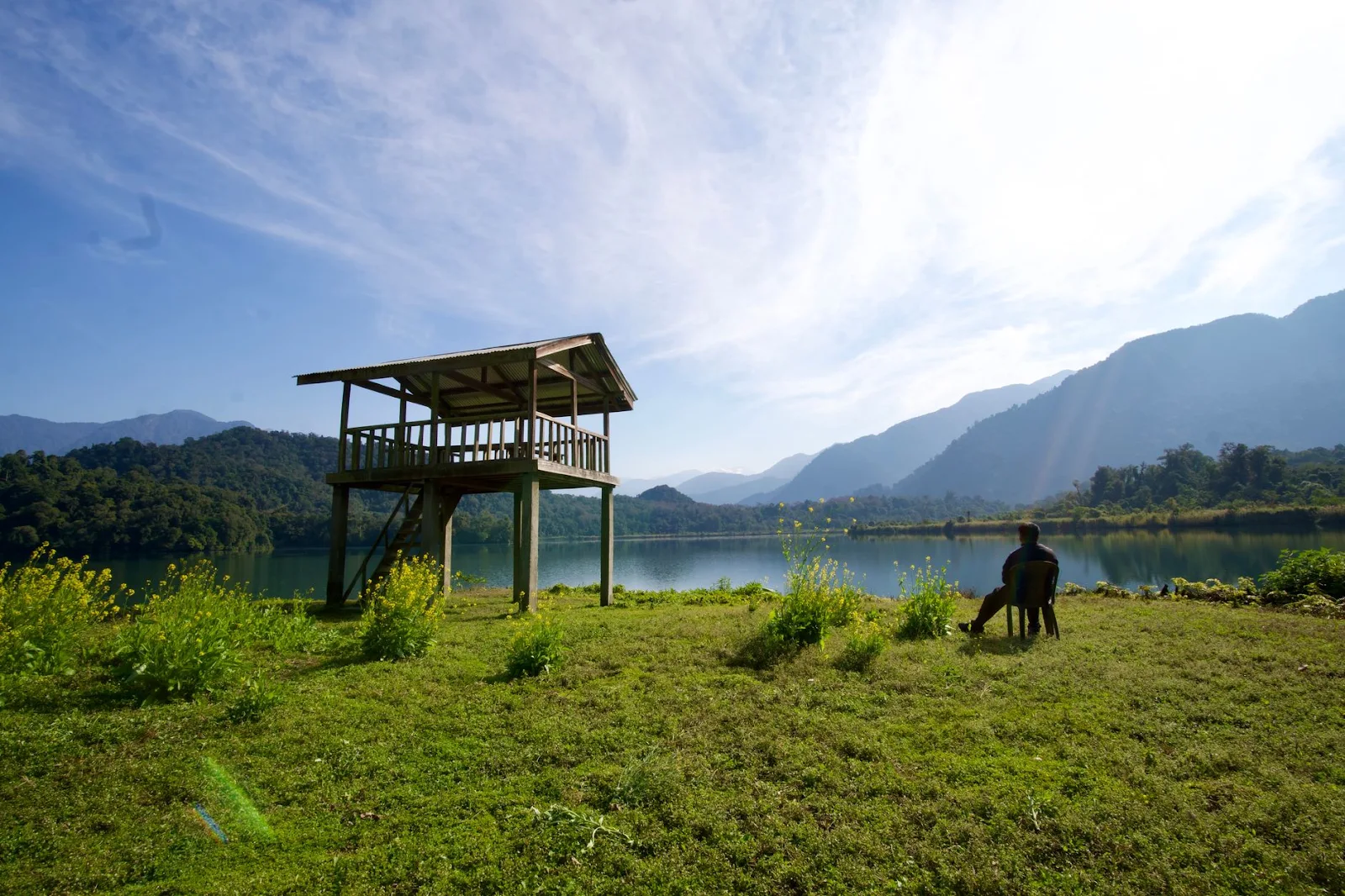
The best time to visit is from October to April when the weather is pleasant, skies are clear, and outdoor trekking and sightseeing are most enjoyable.
4. How do I reach Basar, the district headquarters?
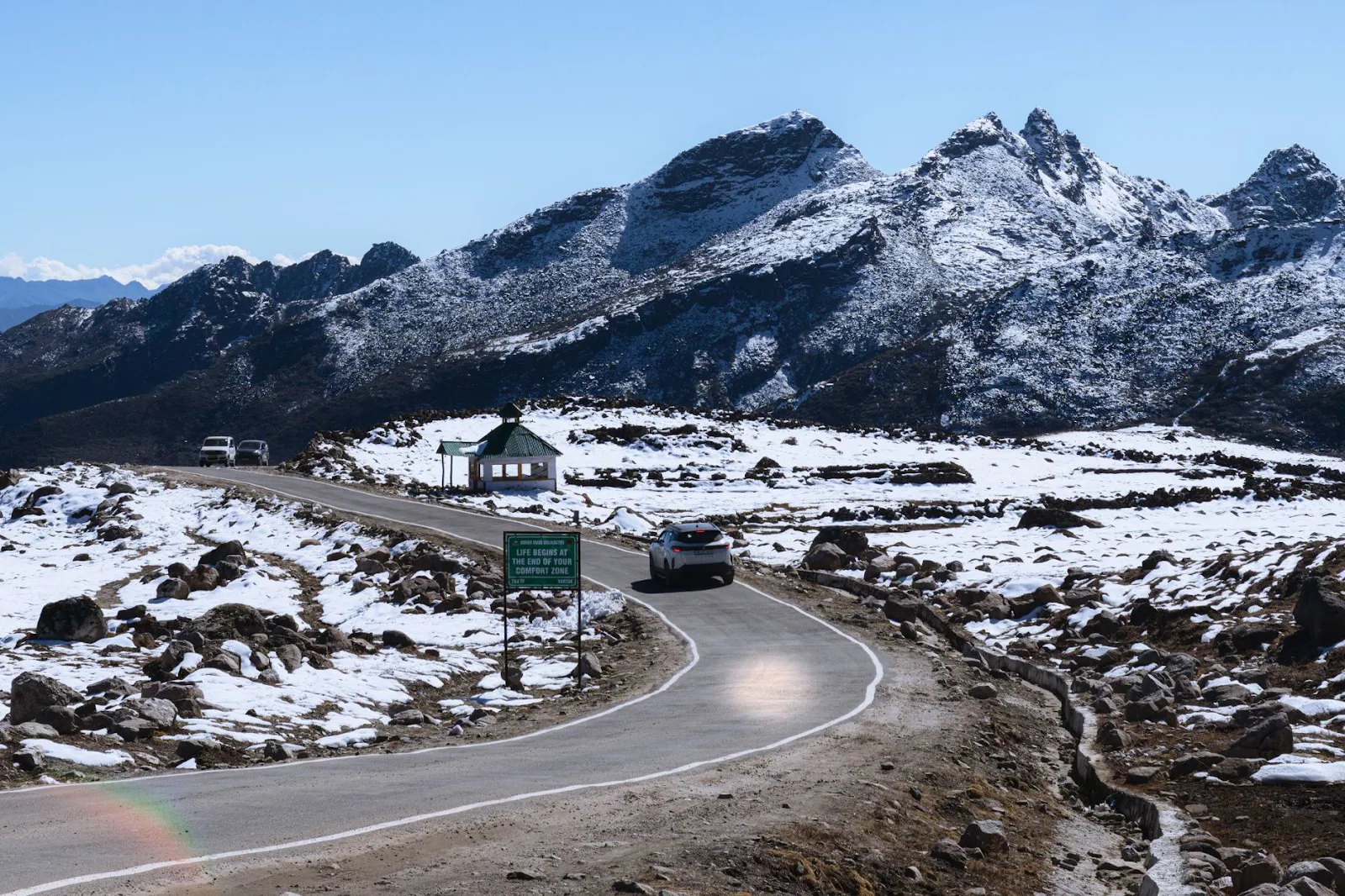
The nearest airport is Lilabari (Assam) and the nearest railway station is Silapathar (Assam). From there, you can hire shared or private taxis or take state transport buses to reach Basar.
5. What languages are spoken in Lepa Rada?
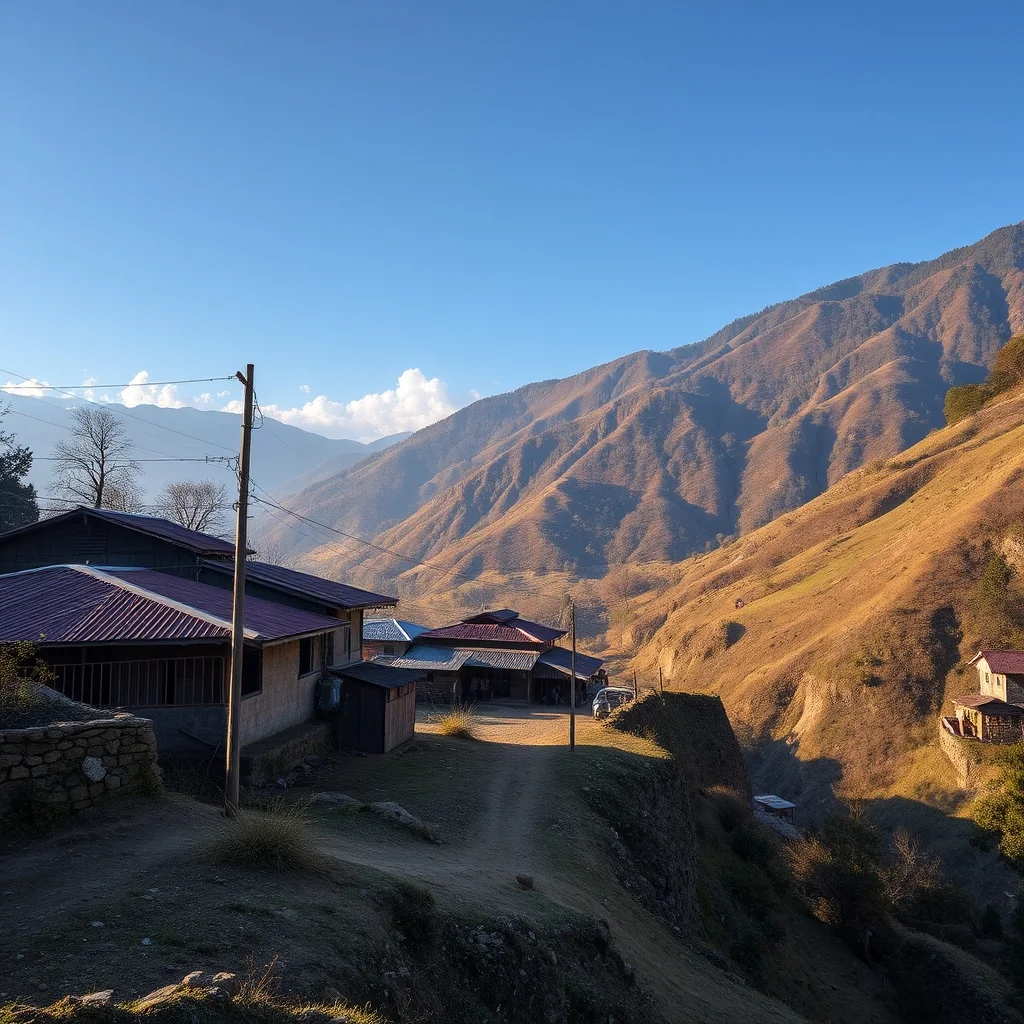
Galo is the primary indigenous language spoken by the local community. Hindi and Assamese are widely understood and spoken for trade and communication with tourists.
6. Are there good homestay options in Lepa Rada?
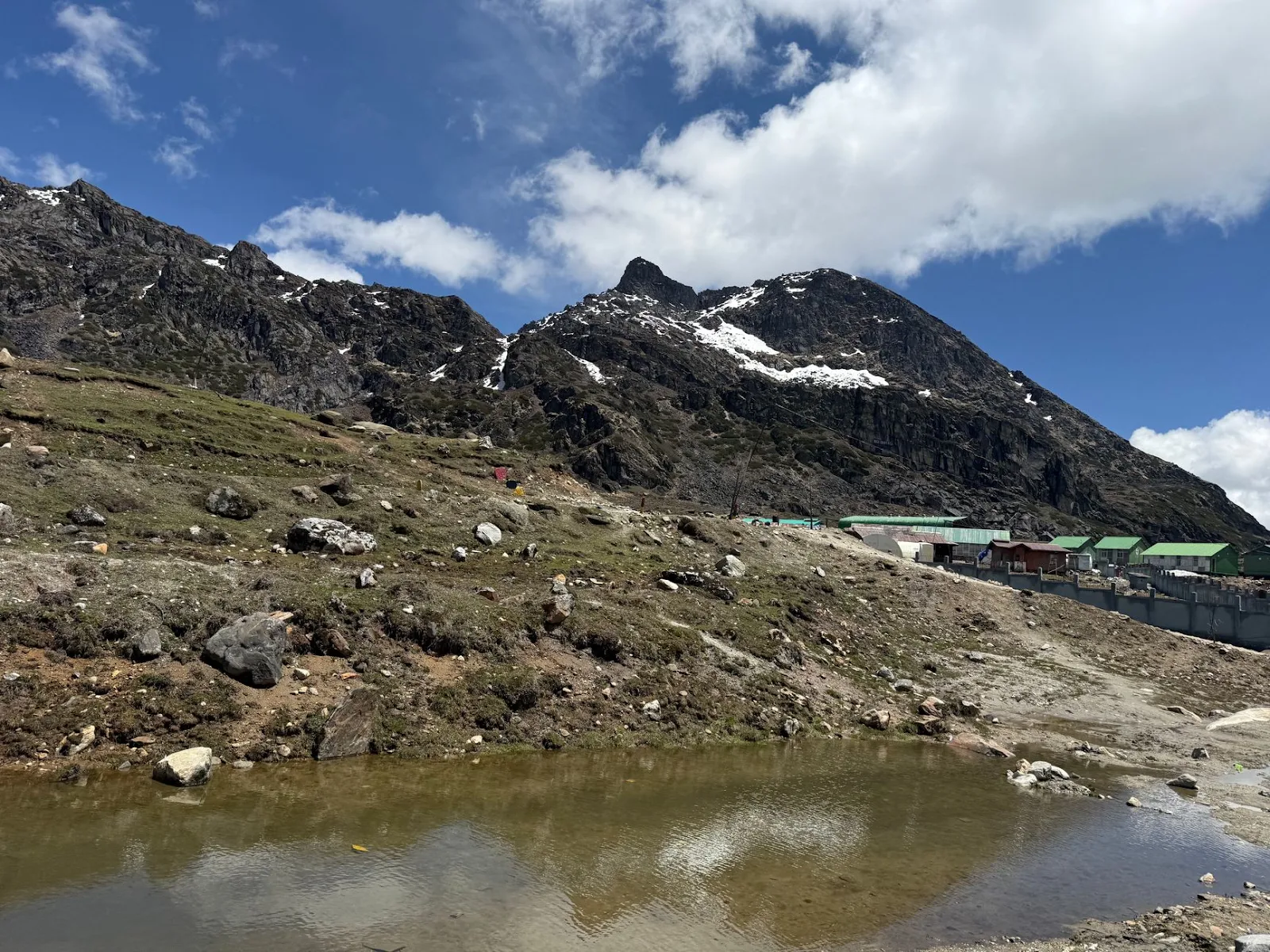
Yes, community-led eco-tourism initiatives in places like Basar and Hali Village offer fantastic traditional bamboo homestays with warm hospitality and authentic home-cooked meals.
7. Is mobile network connectivity available in Lepa Rada?

Basar town has limited mobile network coverage (primarily BSNL and Airtel), but remote villages and trekking areas have little to no cellular or internet connectivity.
8. What are the must-buy items in Lepa Rada?
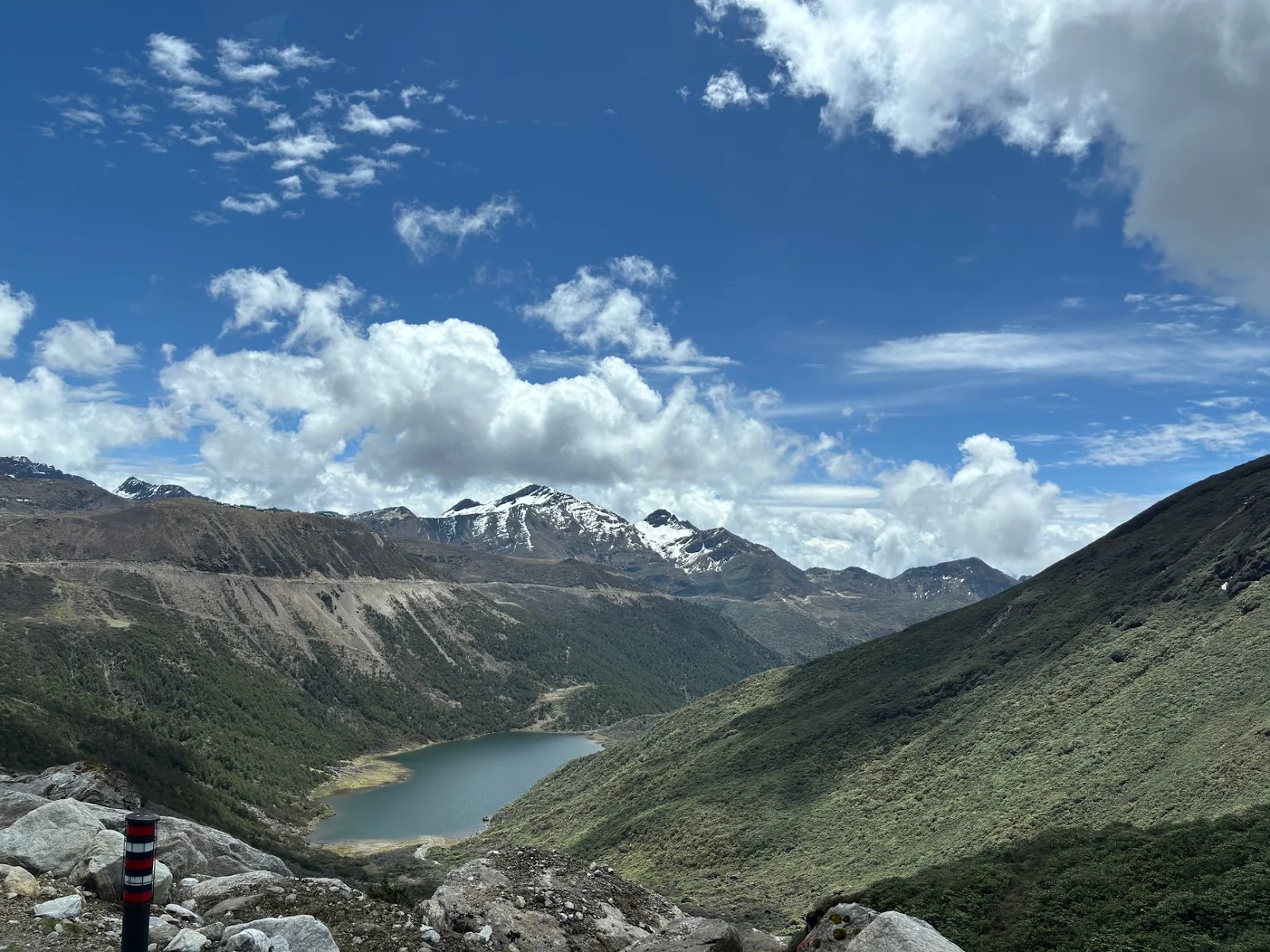
Handcrafted bamboo items, cane baskets, traditional hand-woven textiles, organic orange products, and local spices are wonderful souvenirs to take back home.
Conclusion
Lepa Rada is a hidden paradise waiting to be explored by mindful travelers who appreciate nature in its rawest and most authentic form. From the cultural vibrance of Basar and the cascading beauty of Tarak Langdi to the historic agricultural richness of Egam, the tranquil riverbanks of Sipu, and the warm hospitality of Hali Village, every experience here feeds the soul. As tourism grows sustainably in Arunachal Pradesh, visiting Lepa Rada allows you to witness indigenous traditions preserved across centuries while supporting local community livelihoods. Pack your sense of adventure, respect the local ecosystem, and embark on an unforgettable journey to the top tourist places in Lepa Rada!



0 Comments